
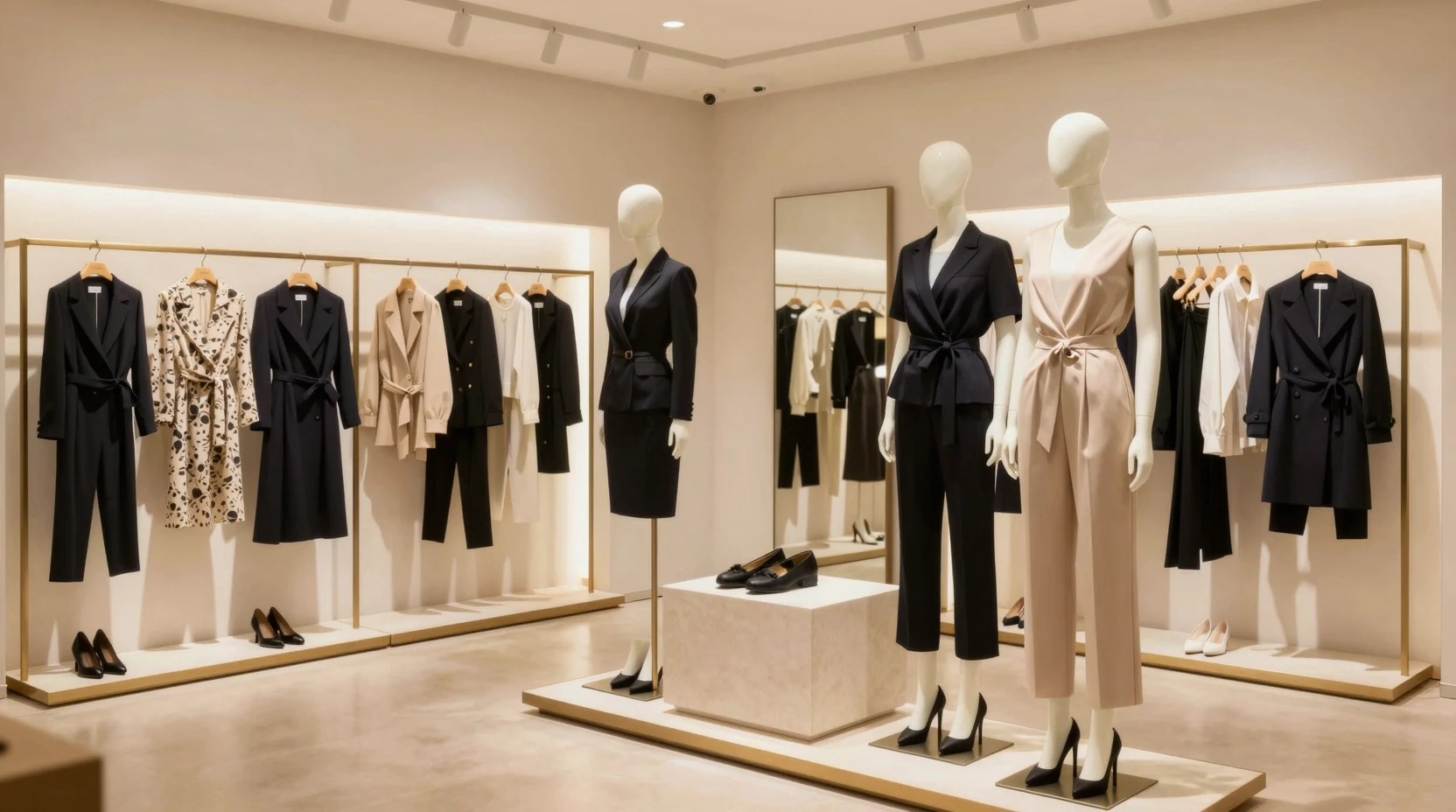
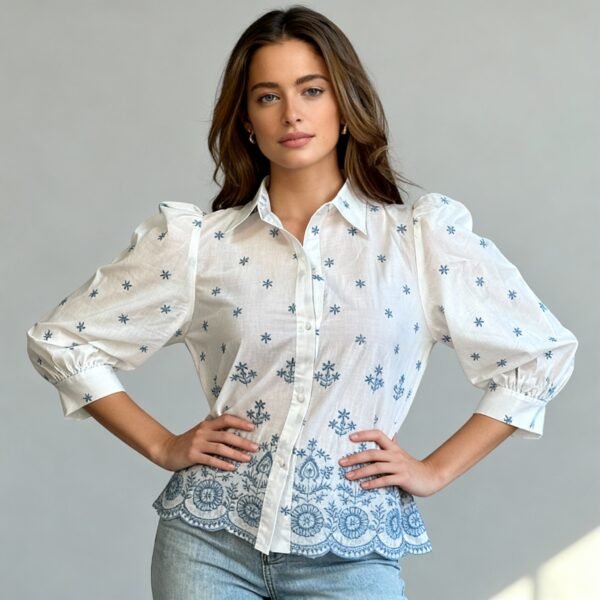
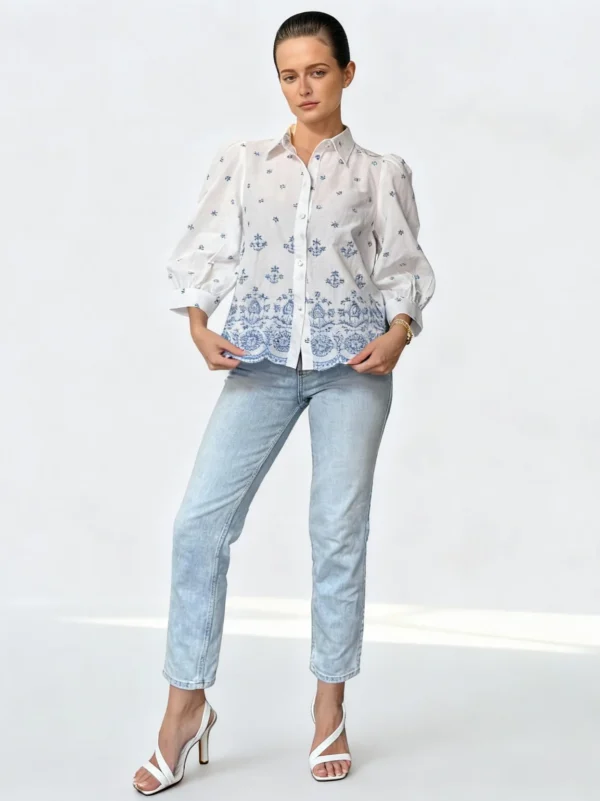
I still remember the panic of my first boutique order. I’d found this incredible hand-embroidered design, sourced the most beautiful fabric, and then hit the wall every boutique brand hits: the factory wanted 500 pieces minimum. I wanted 50.
That moment taught me something that years of sourcing have only confirmed: boutique clothing sourcing China is a completely different game from mass production. The factories, the relationships, the minimums, the quality standards – none of it works the same way. And if you try to force a mass-production factory into a boutique model, you’ll end up with neither the quality nor the quantities you need.
This guide walks through the real challenges I’ve faced with boutique clothing sourcing China and, more importantly, the solutions that actually work.
Оглавление
Why Boutique Clothing Sourcing China Is a Different Animal
Here’s the thing nobody tells you when you start a boutique clothing brand: most factories in China have never even heard of your business model. They’re set up to run 5,000 units of one style. When you walk in asking for 80 pieces with custom embroidery, special hang tags, and unique packaging, you’re speaking a language they don’t understand.
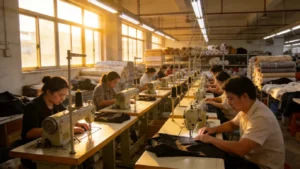
Boutique clothing sourcing China requires factories that are built differently. Small workshops with 15-30 skilled workers who care about craftsmanship. Sample rooms that are willing to treat your small run like a real production order, not an inconvenience. Factories that understand that your “weird” request for hand-stitched details is actually your competitive advantage.
I’ve found that the factories who excel at boutique production share a few traits. They’re usually smaller operations – 20-50 workers max, often family-run. They’ve got experienced pattern makers who can work with unusual designs. And they’ve built their business around flexibility, not volume. These aren’t the factories you find on Alibaba B2B listings. They’re the ones you find through referrals, trade shows, and spending time on the ground in places like Guangzhou.
If you’re new to this world, start by understanding what you’re looking for. The guide to factory vetting for clothing brands covers the baseline vetting process. But for boutique, you need an extra layer: you need to verify they can work with small batches and unique designs.
Finding Factories That Care About Small Batches
This is the number one question I get from boutique founders: “How do I find factories that will take my small orders?”
The honest answer is that it takes legwork. But there are patterns I’ve learned to look for.
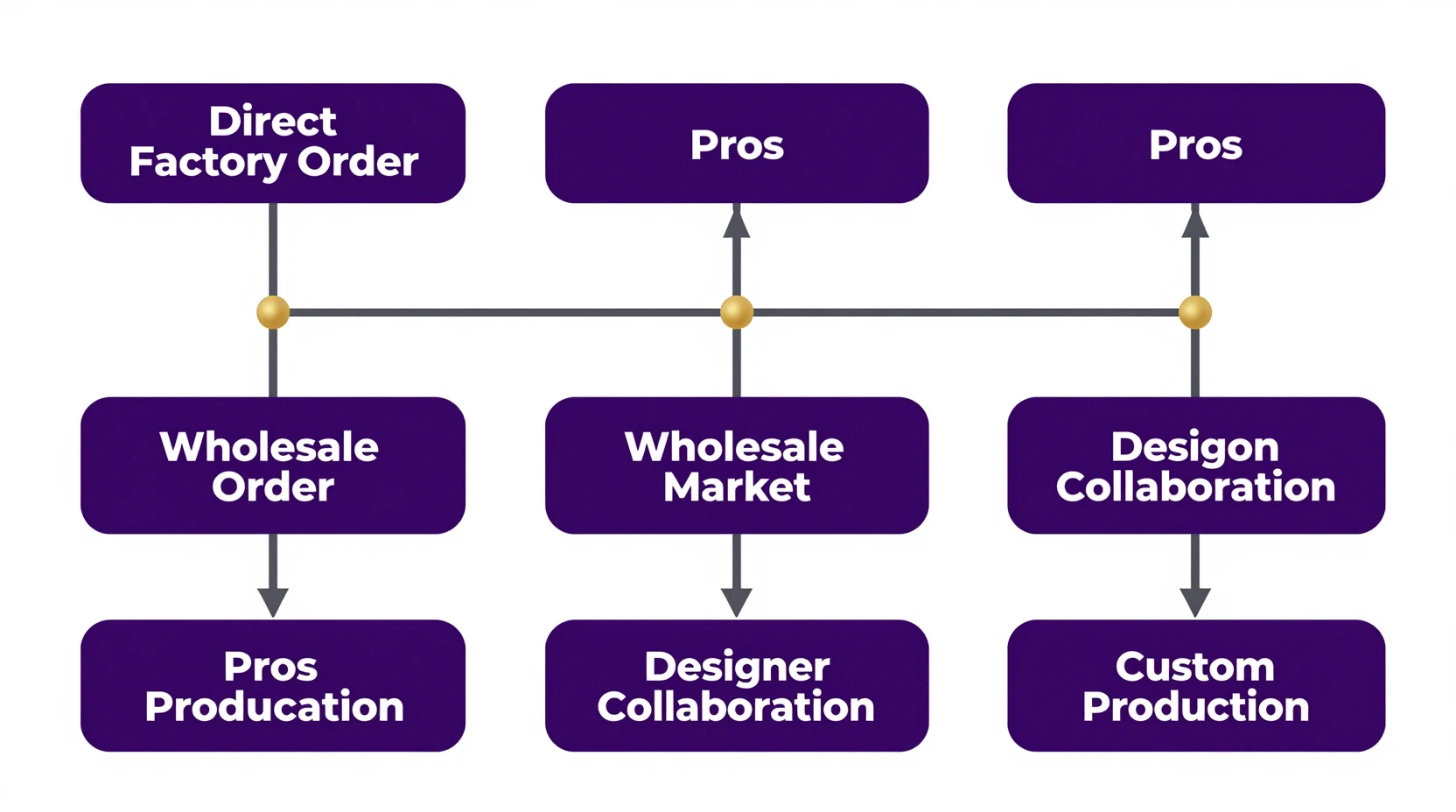
Factories that genuinely accept small batch production (under 100 pieces) tend to fall into a few categories. There are artisan workshops – these are the gold standard for boutique clothing sourcing China. They’re often run by master craftspeople who’ve been in the industry for decades. They have small teams, each worker is highly skilled, and they genuinely care about the quality of every piece. The trade-off is higher per-unit cost and longer lead times, but the quality is unmatched.
Then there are sample rooms that offer production runs. A factory’s sample room is where they develop new styles before mass production. Some of these will take small production runs as a way to utilize their skilled pattern makers and sample hands during slower periods. The quality is usually excellent because it’s the same people who make the samples for the factory’s main clients. If you can find a sample room willing to do small runs, you’ve hit gold.
And there are small independent factories, usually 20-50 workers, that specialize in flexible production. These are more common than you’d think, especially in Guangzhou’s manufacturing districts. They can’t compete with the megafactories on price, so they compete on flexibility and service. For boutique clothing sourcing China, these are often your best middle-ground option.
The fashion industry is shifting this way. Business of Fashion has been tracking the move from mass-market thinking toward smaller, more agile supply chains – precisely the model that boutique brands need. Being early to this shift gives you an advantage.
If you’re just starting out and learning how factories work, read about how to find the right clothing manufacturer for your startup. It’ll save you from the common mistakes I made – like assuming that “we can do small batches” means anything less than 200 pieces.
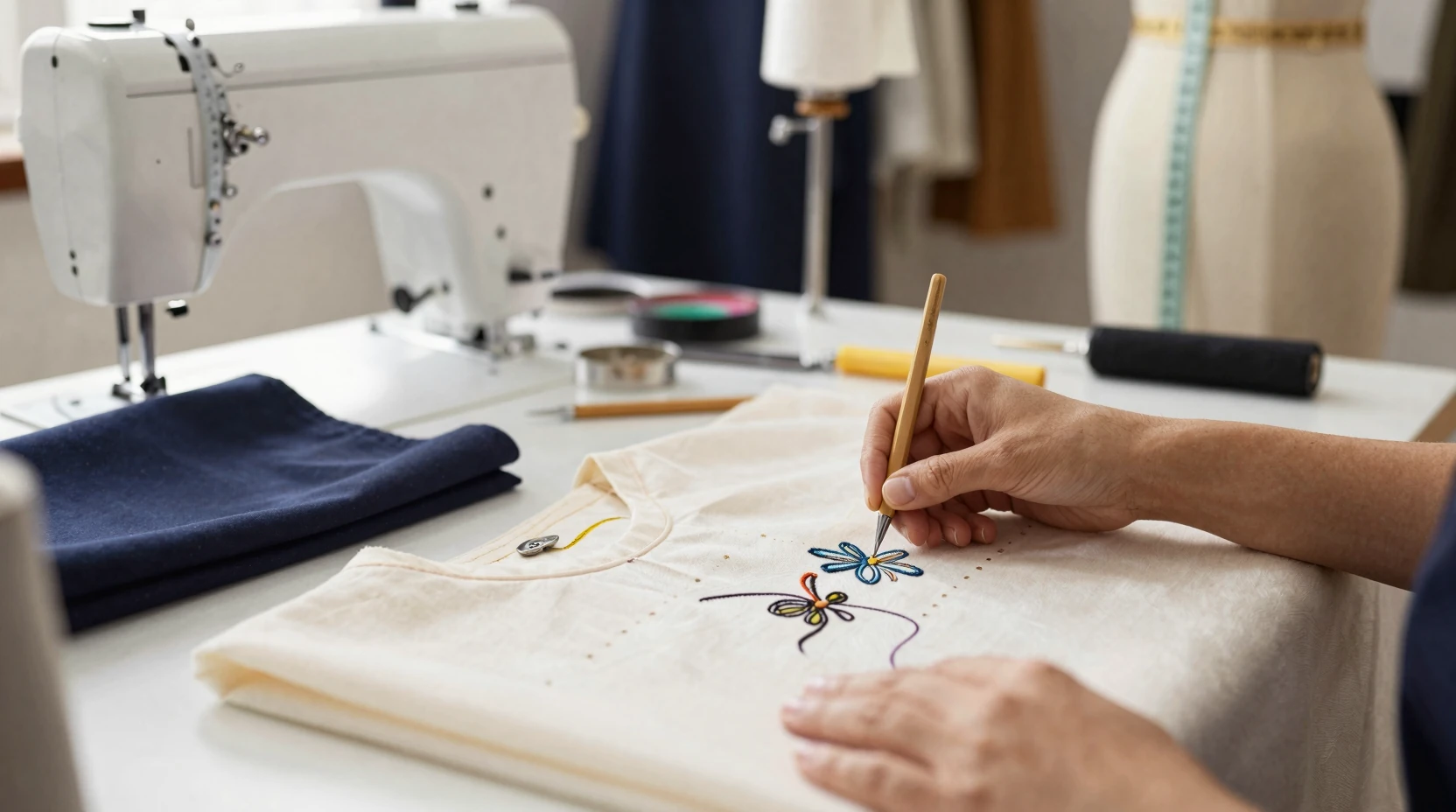
Protecting Your Unique Designs
This is the one that keeps boutique founders up at night. You’ve created something truly special. You hand it to a factory and hope they don’t copy it.
Design protection is a real concern in boutique clothing sourcing China, but the fear is often worse than the reality. Here’s what I’ve learned.
First, most reputable factories will not steal your designs. Their business depends on trust. A factory that copies a client’s designs loses future business, gets a bad reputation, and opens themselves up to legal risk. For established factories, it’s simply not worth it.
That said, you should still protect yourself. Non-disclosure agreements are standard practice – any professional factory will sign one without hesitation. If a factory refuses to sign an NDA, that’s a red flag.
The more practical protection comes from how you structure your production. Manufacturing different components at different facilities is a strategy some brands use – the fabric comes from one place, the trim from another, the assembly from a third. No single factory has your complete design.
For boutique brands, I’ve also found that building genuine relationships is the best protection. When a factory owner knows you, likes you, and sees your brand growing, they have zero incentive to burn that relationship by copying your work. The надежные производители одежды в Гуанчжоу who focus on long-term partnerships are exactly the type you want to find.
Quality Control for Small Batches
Quality control for boutique production is actually easier than mass production in some ways – and harder in others.
The advantage is that with small batches, you can inspect every single piece. There’s no statistical sampling, no “acceptable quality level” that allows defective units. You check each garment individually. For boutique clothing sourcing China, this hands-on approach is not just possible – it’s expected.
The challenge is that small batches often don’t go through the same rigorous QC systems that large factories have. A factory producing 10,000 units has dedicated QC staff, documented processes, and measurement protocols. A small workshop producing 80 units might rely on the workshop master’s eye. Which can be fine – until it isn’t.
My approach is to provide extremely detailed specifications. Not just measurements, but construction details, stitch type, thread tension, finishing methods. I include photos of exactly what each seam should look like. I provide reference samples. The more specific you are, the less room there is for interpretation.
I’ve written a full руководство по контролю качества одежды that covers the standard process. For boutique specifically, the key additions are: inspect every piece (not a sample), photograph the production against your reference at each stage, and get wear-test feedback from actual customers before committing to a larger run.
Making Small Batches Profitable
Let’s talk about the economics. Small batch production costs more per unit. That’s just a fact. But if you price correctly and control your costs, boutique sourcing can be very profitable.
The per-unit cost increase comes from three places. First, fabric costs more per yard when you’re buying smaller quantities. Second, setup costs (pattern making, cutting, marking) are fixed regardless of batch size, so they’re spread across fewer units. Third, factories charge a premium for the administrative overhead of small orders.
Для boutique clothing sourcing China, the typical markup over mass production is 20-40% per unit depending on the complexity of the garment. But here’s the thing – boutique customers expect to pay more. Your pricing should reflect the uniqueness and quality of your product.
There are ways to manage these costs. Sourcing unique fabrics in slightly larger quantities and using them across multiple styles spreads the fabric cost. Grouping multiple small orders into a single production run with one factory reduces the per-order overhead. And being a reliable, easy-to-work-with client means factories are more likely to give you favorable pricing.
If you’re still figuring out the minimums, our guide on MOQs and minimum order quantities breaks down what’s realistic for different types of factories.
The Relationship Model That Works
After years of boutique clothing sourcing China, I’ve settled on a relationship model that works better than anything else.
Find one primary factory. Invest in that relationship. Visit them, or at least video call regularly. Know the owner’s name, the production manager’s name. Send them holiday greetings. Follow up after orders. Share your brand’s growth with them.
This sounds obvious, but you’d be surprised how many brands treat their factories as interchangeable vendors rather than partners. The brands I’ve seen succeed with boutique sourcing treat their factories like co-founders. They share their vision. They ask for input on design feasibility. They’re transparent about their budget constraints.
The result is that the factory prioritizes their orders. When something goes wrong, they fix it quickly because they care about the relationship. When a new technique or fabric comes along, they suggest it to you first. Over time, the quality improves, the communication gets smoother, and the pricing stays fair.
This is especially true if you’re working with Chinese manufacturers who value “guanxi” (relationship/connection). Business in China is relationship-driven – more so than in Western markets. Investing time in building genuine connections pays back many times over. The Craft Council has written extensively about how artisan production models thrive when buyer-supplier relationships are built on mutual respect and shared values – principles that apply directly to boutique clothing sourcing.
FAQ: Boutique Style Clothing Sourcing
What MOQ should I expect for boutique clothing?
Expect 30-100 pieces per style for boutique production. Artisan workshops may accept as few as 20 pieces. Per-unit costs will be 20-40% higher than mass production due to smaller quantities.
How do I find factories that accept small orders?
Look for artisan workshops, sample rooms that offer production runs, and small independent factories (20-50 workers) that compete on flexibility rather than price. Trade shows and referrals are more effective than online B2B platforms.
How do I protect my designs when working with Chinese factories?
Use NDAs (standard practice, reputable factories sign them), build strong personal relationships, and consider splitting production across multiple facilities if you’re concerned about copies.
Can I get consistent quality with small batch production?
Yes, because you can inspect every piece individually. The key is providing extremely detailed specifications, reference samples, and photographs of exactly what you expect.
Is boutique clothing sourcing from China cost-effective?
Yes, if you price correctly. The 20-40% premium over mass production is offset by higher retail prices that boutique customers expect to pay. Smart cost management (grouping orders, consistent relationships) improves margins.
How long does boutique production take?
Small batches typically take 2-4 weeks for production plus 1-2 weeks for shipping. Sample development for new designs adds 1-3 weeks. Building buffer time into your calendar is essential.
Should I visit my factory in person?
Ideally, yes. For boutique brands especially, face-to-face relationships make a real difference in how your orders are prioritized and handled. If you can’t visit, consistent video calls are the next best option.
Заключение
Boutique clothing sourcing China comes with real challenges – small minimums, design protection concerns, quality variability – but every single one of them is solvable with the right approach.
The brands that succeed in this space are the ones who treat their factories as partners, invest in detailed specifications, build their sourcing around flexibility rather than price alone, and price their products to reflect the quality and uniqueness their customers expect.
The market for unique, distinctive fashion is growing. As customers move away from fast fashion and toward pieces with character, the opportunity for boutique brands gets bigger every year. Get your sourcing right, and you’ll be in a strong position to capture it.
If you’re looking for a manufacturing partner who understands boutique production – small batches, unique designs, real quality – get in touch. We work with factories every day that specialize in exactly this type of production.



 English (UK)
 Español
 Français
 Deutsch
 Português
 Italiano
 Polski
 Nederlands
 Svenska
 Русский
 Türkçe
 한국어
한국어