
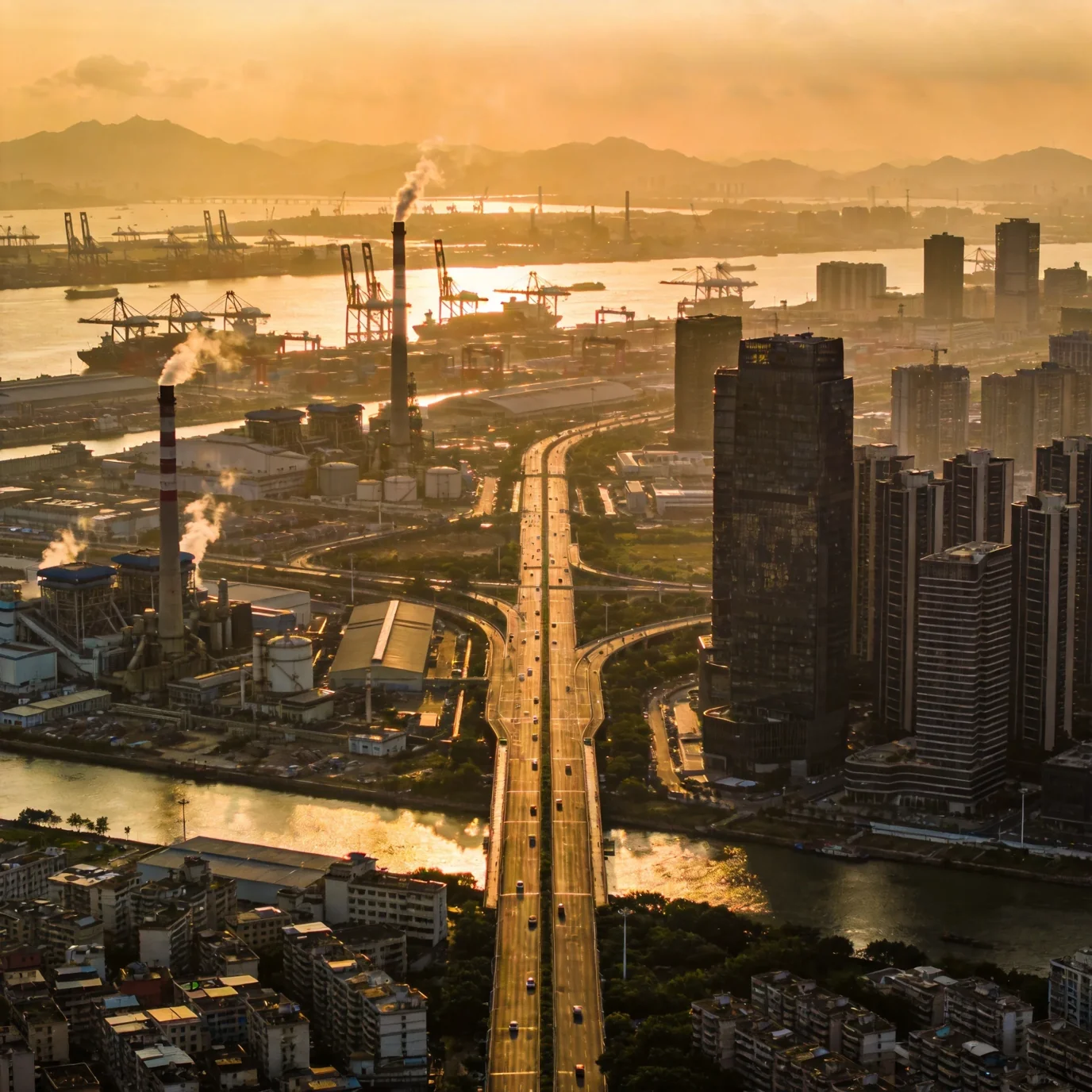
First-time buyers often picture Guangzhou’s garment industry as one giant manufacturing district. Walk into any Guangzhou industrial zones clothing zone, they think, and you will find fabric suppliers, cutting rooms, sewing lines, and finishing workshops all within walking distance. The reality is different — and a lot more useful once you understand it.
Guangzhou clothing manufacturing is organized across specialized zones, each with distinct capabilities, price points, and product expertise for Guangzhou industrial zones clothing sourcing. Understanding these specializations can cut your supplier search time in half. It will also improve your chances of finding factories that actually match your production requirements.
Here is what we cover in this guide: how the Pearl River Delta manufacturing cluster works, what each major zone produces best, and how to build a sourcing strategy that takes advantage of regional expertise.
Оглавление
Понимание ландшафта одежды в промышленных зонах Гуанчжоу
The Pearl River Delta is one of the world’s densest manufacturing regions. Within a 100-kilometer radius of Guangzhou, more than 60 million people live and work across interconnected industrial cities. According to the World Bank’s data on global manufacturing, the PRD alone accounts for roughly 10 percent of China’s total exports. Apparel represents a significant share of that output.
What makes the PRD unique for Guangzhou industrial zones clothing sourcing is the sheer depth of specialization. Less mature manufacturing regions have factories that do a bit of everything. Not here. The PRD’s decades of development have produced highly focused industrial clusters. A factory in Panyu that has produced denim for 20 years has supply chains, worker skills, and quality systems optimized for that single category. The same goes for Shenzhen’s technical textile factories and Dongguan’s high-volume basics operations. For a broader understanding of China’s manufacturing landscape, see our complete guide to clothing manufacturing in China.
Преимущество дельты Жемчужной реки
The PRD’s concentration of upstream and downstream services is hard to match anywhere else. Within a few hours’ drive, a buyer can source fabric from Zhongda Market, commission cutting and sewing in Panyu, arrange specialized embroidery in Shenzhen, and ship finished goods through the Port of Guangzhou — which handled over 6.5 million TEUs in 2025. This density means shorter lead times, easier quality control, and the ability to mix and match suppliers for different stages of production.
How Geographic Specialization Improves Sourcing Outcomes
When you approach sourcing without geographic awareness, you end up talking to factories that simply don’t fit your product. A factory that excels at high-volume knitwear may not have the equipment for woven shirts with complex construction. Match your product category to the zone that specializes in it, and you front-load the qualification process. You eliminate mismatched suppliers before they waste your time.
Buyers sourcing denim who start in Panyu rather than randomly across Guangzhou save two to three weeks of factory vetting time. That is what sourcing agents we spoke to for this guide consistently reported.
Район Хайчжу - центр производства и торговли
Haizhu District sits at the heart of Guangzhou’s apparel ecosystem, but not for the reason most buyers expect. The district is not a major manufacturing zone. It is the region’s fabric and trading nerve center, anchored by the Zhongda Textile Market.
Zhongda Textile Market: Asia’s Fabric Capital
Zhongda Textile Market is the largest fabric trading hub in southern China. Spread across dozens of buildings on Haizhu’s west side, the market contains thousands of vendors selling everything from basic cotton sheeting to imported Italian wool suiting. Industry estimates put the number of fabric varieties available at Zhongda in the tens of thousands.
The market operates in four main clusters:
- Building zones A through F: Basic cotton and blended fabrics
- Silk and specialty zone: Higher-end natural fibers, silk, linen, and novelty blends
- Trimmings area: Buttons, zippers, lace, elastic, labels, and packaging
- Outer ring: Lining materials, interfacing, and interlining
Zhongda serves two functions in the supply chain. First, it is where Guangzhou’s garment factories source their raw materials. A buyer who understands fabric costs at Zhongda has a strong negotiating position with manufacturers. Second, it is a direct sourcing destination for brands that buy fabric centrally and commission cutting and sewing separately — a model common among European buyers who prefer to control textile quality.
Navigating the Zhongda Ecosystem
First-time visitors to Zhongda often feel overwhelmed. The market spans roughly 1.5 square kilometers. Vendors quote different prices for the same fabric based on volume and your perceived expertise.
Start at buildings A through C to get a baseline for cotton and blended fabric prices. Ask for MOQ, price per meter, and delivery lead time from at least five vendors for the same specification. The price range on the same 160-gram cotton poplin can vary from 12 RMB to 22 RMB per meter depending on the vendor’s position in the supply chain. Whether a vendor is a first-line mill agent, a wholesaler, or a third-tier reseller makes a real difference.
Trading Companies vs. Direct Mills
Most Zhongda vendors are trading companies, not mills. They buy bulk fabric from factories in Foshan, Shaoxing, or further north, then resell in smaller quantities. Trading companies have advantages: lower minimum orders (as little as 50 meters versus the mill minimum of 1,000-plus meters), credit terms for established buyers, and consolidated logistics.
Direct mills offer better unit pricing — 15 to 25 percent below trading company prices — but require larger commitments and longer lead times. For most brands starting in Guangzhou, trading companies are the practical choice until order volumes justify mill-direct relationships.
Район Панью - центр швейного производства
If Zhongda is the fabric capital, Panyu District is the manufacturing engine. Located south of Guangzhou’s city center, Panyu has developed over three decades into a concentrated garment production zone.
Denim and Casual Wear Specialization
Panyu’s manufacturing reputation rests on denim and casual apparel. The district hosts hundreds of factories with specialized equipment for denim washing, stone finishing, and distress techniques that are hard to replicate in general garment factories. A pair of branded jeans made in Panyu typically undergoes 12 to 18 separate washing and finishing steps. Compare that to 4 to 6 steps in a non-specialized factory.
Beyond denim, Panyu factories produce substantial volumes of:
- Casual woven shirts and blouses
- Cotton and stretch pants
- Lightweight jackets and outerwear
- Sportswear basics
Factory Scale and Capability Profiles
Panyu’s manufacturing base includes a mix of factory sizes, but medium to large facilities (100 to 500 workers) dominate. These factories typically have established quality systems, export experience, and relationships with international brand buyers.
| Возможности | На что следует обратить внимание | Типовое MOQ |
|---|---|---|
| Full-package production | Design to finished garment | 500-1,000 units per style |
| Cut-make-trim (CMT) | Customer provides fabric and patterns | 300-500 units per style |
| Denim specialization | Washing/laundry facilities on-site | 800-1,200 units per style |
| Разработка образцов | In-house pattern makers | 50-100 units per style |
These numbers represent typical ranges. We have worked with Panyu factories accepting orders as low as 200 units per style on CMT basis, but those are exceptions rather than the rule.
Working with Panyu Manufacturers
Panyu factories generally prefer established buyers with clear specifications and realistic timelines. Factory visits are essential — you need to verify washing facilities, check production line organization, and assess quality control processes in person. Most factories can arrange a driver to pick you up from Guangzhou city center, about 40 minutes by car.
A note on communication: Panyu’s export-oriented factories typically employ English-speaking sales staff, but production floor managers rarely speak English. Technical specifications should be documented in writing with photos or reference samples. Do not rely on verbal explanations for complex construction details. For help creating professional specifications, check our руководство по техническому оснащению одежды. For help creating professional specifications, check our руководство по техническому оснащению одежды.
Шэньчжэнь - производство одежды высокого класса и технической одежды
Shenzhen sits immediately south of Guangzhou, about 90 minutes by high-speed rail. The city has transformed from a manufacturing base for basic goods into a hub for premium and technical apparel production.
Premium Manufacturing Capabilities
Shenzhen’s garment factories operate at a higher capability level than most Guangzhou-based facilities. This shows in several ways: more advanced equipment (laser cutting, automated spreading machines, computerized pattern grading), better quality management systems (many factories hold ISO 9001 and some are OEKO-TEX certified), and stronger design and development capabilities.
For buyers who need precise color matching across production runs, complex construction details (seam pockets, French seams, bound buttonholes), or high-end finishing (hand stitching, beading, specialty pressing) — Shenzhen factories are typically a better match than Panyu or Dongguan alternatives.
Technical Textiles and Activewear
Shenzhen has developed particular expertise in performance fabrics and activewear. The city hosts factories that specialize in bonded seams, moisture-wicking garment construction, and compression fabric manipulation. These capabilities are scarce in traditional garment zones.
A 2025 survey by the China National Textile and Apparel Council identified Shenzhen as one of only three Chinese cities with dedicated activewear manufacturing clusters. The other two are Xiamen and Qingdao.
The Hong Kong Proximity Advantage
Shenzhen’s main sourcing advantage over Guangzhou is proximity to Hong Kong, located 30 minutes by train from Shenzhen’s city center. Hong Kong remains a global center for apparel buying offices, quality assurance, and supply chain finance. Many Shenzhen factories have Hong Kong-based sales and quality teams. Your contact may speak fluent English and understand Western quality expectations thoroughly.
This Hong Kong connection also means Shenzhen factories are often more expensive — typically 10 to 20 percent higher than comparable Guangzhou factories. The premium buys you stronger communication, better documentation, and more rigorous quality control.
Дунгуань - центр крупномасштабного производства одежды
Dongguan sits between Guangzhou and Shenzhen, occupying roughly 2,500 square kilometers of what is effectively one continuous industrial belt. The city’s garment sector focuses on high-volume production for established brands.
Major Brand Production Base
Dongguan’s manufacturing infrastructure was built to serve large international brands. Some factories in Dongguan operate with 1,000-plus workers across multiple buildings, running 24-hour production during peak seasons. The city’s industrial parks were designed for scale — wide roads for container trucks, dedicated power substations for factories, and worker dormitories adjacent to production floors.
Brands including Uniqlo, Gap, H&M, and Zara have sourced from Dongguan factories at various points, though many have since diversified across Southeast Asia. Dongguan has responded by upgrading capabilities and accepting smaller minimums from emerging brands.
Scale Requirements and MOQ Considerations
Dongguan’s cost structure makes sense at volume. Here is how factory pricing typically scales:
| Размер заказа | Typical Cost Premium vs. Small Factory | Время выполнения |
|---|---|---|
| 500-1,000 units per style | +5% to +10% | 50-65 days |
| 1,000-5,000 units per style | Base price | 40-55 days |
| 5,000+ units per style | -10% to -20% | 35-50 дней |
For a detailed breakdown of how these costs are calculated and what factors affect your затраты на производство одежды, see our comprehensive pricing guide.
The premium on smaller orders reflects setup costs — pattern grading, marker making, and production line configuration take the same time whether you produce 500 or 5,000 units. For brands below 500 units per style, Dongguan’s large factories are rarely cost-effective. Consider Panyu or smaller Foshan factories instead. If you are just starting out and need lower minimums, learn more about low MOQ manufacturers in Guangzhou.
Quality Infrastructure at Volume
Volume factories in Dongguan typically have quality systems that small factories lack: dedicated quality assurance departments (not just the sewing line supervisor doubling as QC), fabric testing labs capable of physical and colorfastness testing, and in-house garment-testing equipment for seam strength and dimensional stability. Proper quality control processes are essential when working with any factory, especially at volume.
This quality infrastructure matters most when you scale from one or two styles to a full collection. The transition from small-factory flexibility to large-factory systems is one of the harder steps in building a clothing brand. Dongguan factories can support that transition if you have the volume to justify it.
Фошань, Шаосин и другие центры поиска поставщиков
Beyond the core Guangzhou industrial zones, two complementary hubs deserve attention. Foshan sits adjacent to Guangzhou, and Shaoxing lies two hours north by high-speed rail.
Foshan’s Knitwear and Underwear Specialization
Foshan, located 20 kilometers southwest of Guangzhou, has developed specific expertise in knitwear production and intimate apparel. The city’s industrial zones contain hundreds of factories producing t-shirts and polo shirts, underwear and sleepwear, athletic knitwear, and baby and children’s knitwear.
Foshan factories tend to be more flexible on minimums than Panyu or Dongguan facilities. Some accept orders as low as 100 units per style in standard fabrics. However, quality consistency varies significantly — due diligence is essential.
Shaoxing Keqiao Textile City for Specialty Fabrics
Shaoxing’s Keqiao Textile City, located in Zhejiang Province north of the PRD, is arguably China’s most comprehensive fabric market. While Zhongda Market in Guangzhou is more convenient for PRD-based manufacturing, Keqiao offers a wider range of specialty textiles: novelty blends and engineered fabrics, high-end suiting and coating materials, specialized functional textiles (waterproof, flame-retardant, anti-static), and custom dye lots with shorter lead times.
Many experienced Guangzhou-based sourcing agents make regular trips to Shaoxing, about six hours by high-speed rail from Guangzhou South Station. The trip is worthwhile if your product requires specialized textiles that are hard to find in the PRD.
Building Multi-Region Supply Chains
Sophisticated buyers coordinate across multiple zones for complex production. A typical multi-region workflow: source novelty fabric from Shaoxing, produce in Panyu because the factory has the right equipment for your construction, and finish with Shenzhen specialists for embroidery or embellishment.
This approach adds logistics complexity but can reduce total cost by 5 to 15 percent compared to sourcing everything through a single full-package supplier. That figure comes from cost breakdowns shared by three brands we work with.
Создание региональной стратегии поиска поставщиков одежды для промышленных зон Гуанчжоу
Understanding industrial zones is only useful if you apply that knowledge to your sourcing process. Here is how to build a regional strategy.
Matching Product Categories to Zones
Use this decision framework as a starting point:
- Basic denim and casual woven: Start with Panyu factories. Their specialization means better quality and competitive pricing for these categories.
- High-end or technically complex garments: Begin in Shenzhen. The higher factory cost is offset by lower sampling failure rates and better communication.
- High-volume basics (300-plus units per style): Dongguan factories offer the best unit economics at this scale.
- Small-production knitwear (50-200 units): Foshan is your best entry point due to lower MOQs.
- Fabric sourcing for unique requirements: Combine Zhongda Market (convenience) with Shaoxing (range) for a complete picture of available textiles.
Multi-Region Coordination for Complex Production
For products that require multiple specialized processes, consider a lead factory model. Designate one factory as your primary production partner and have them subcontract specialized processes — embroidery, specialty washing, hand finishing — to approved secondary factories in other zones. The lead factory holds quality responsibility for the finished product.
This model works best with a local sourcing agent or quality control team to manage coordination. The distance between zones is manageable, about one hour between any two PRD locations. The communication overhead, however, requires active management.
Working with Sourcing Agents Across Districts
Most Guangzhou-based sourcing agents already understand the industrial zone map. When evaluating an agent, ask specific questions about which zones they work with and which factories they have visited in each. An agent who cannot name specific factories in Panyu, Dongguan, and Shenzhen has limited coverage. Whether you use an agent or go direct, learn effective negotiation strategies for Chinese clothing manufacturers to get the best terms.
A good agent should explain why they recommend one zone over another for your specific product. The answer should reference real factory differences, not generic statements about “good quality” and “good price.”
Часто задаваемые вопросы
Which Guangzhou industrial zone is best for denim production? Panyu District is the clear leader for denim, with specialized washing and finishing facilities that other zones lack. Most denim-specific factories in the PRD are located in Panyu.
What is the difference between Zhongda Market and Shaoxing for fabric sourcing? Zhongda Market in Haizhu District offers convenience and variety for standard fabrics, with immediate access to Guangzhou’s manufacturing base. Shaoxing’s Keqiao Textile City offers a broader range of specialty fabrics but requires a six-hour train trip from Guangzhou.
Can small brands find factories with low minimums in Guangzhou industrial zones? Yes. Foshan and smaller factories in Panyu accept orders as low as 100-200 units per style. Dongguan’s large factories are less suitable for small runs.
Do I need a sourcing agent to work with factories in these zones? Not necessarily, but a good agent adds value by pre-vetting factories, handling communication, and managing quality control. The 5-10 percent commission is often offset by lower defect rates and fewer sampling rounds.
How far apart are the main industrial zones from each other? Haizhu to Panyu: 30 minutes by car. Panyu to Dongguan: 45 minutes. Dongguan to Shenzhen: 40 minutes. Shenzhen to Foshan: 90 minutes. All zones are within a day trip from central Guangzhou.
What is the typical factory MOQ in each zone? Panyu: 300-1,000 units per style. Dongguan: 500-5,000 units. Shenzhen: 300-2,000 units. Foshan: 100-1,000 units. These ranges vary significantly by factory and product complexity.
Which industrial zone is best for activewear production? Shenzhen has the strongest activewear manufacturing cluster among PRD cities, with dedicated equipment and expertise for performance fabrics and technical construction.
Сопутствующие товары
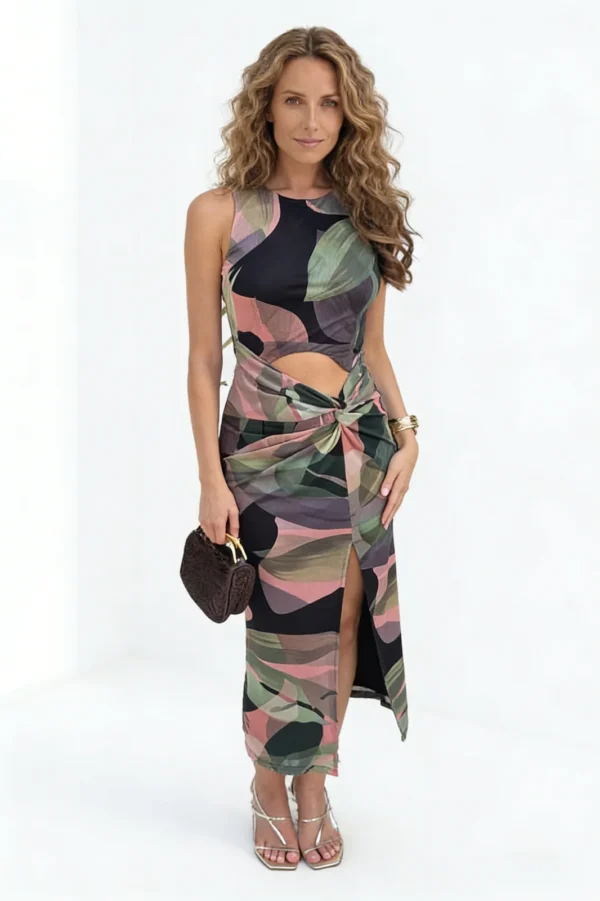
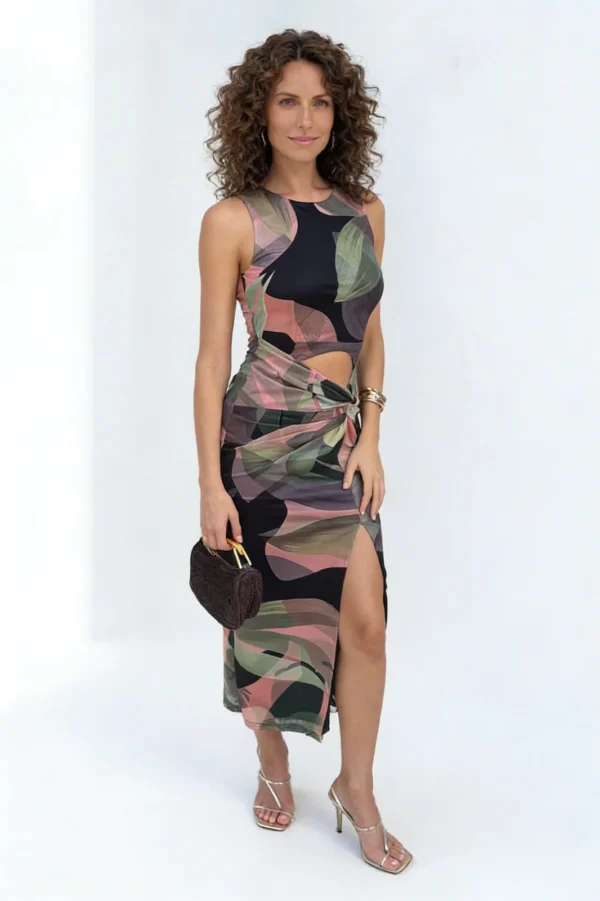
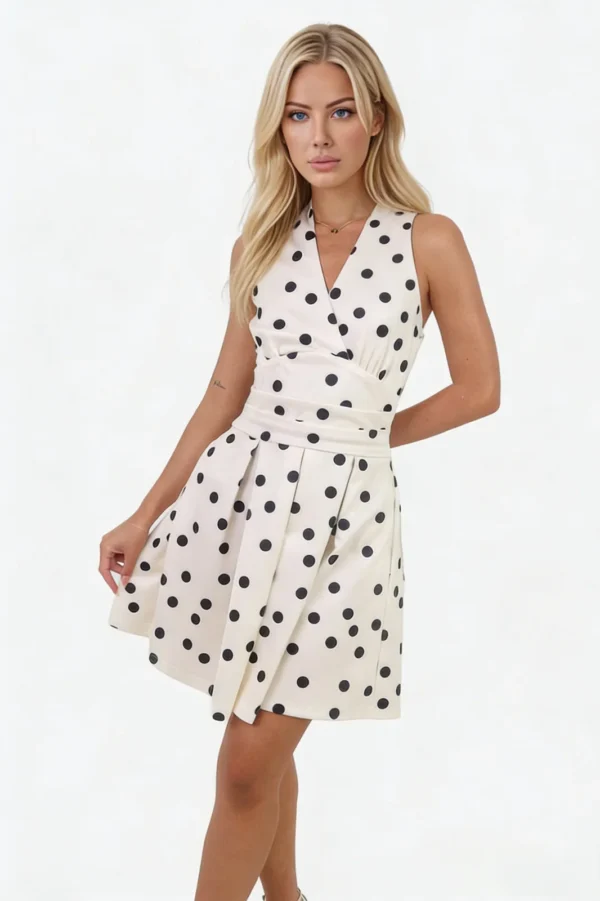
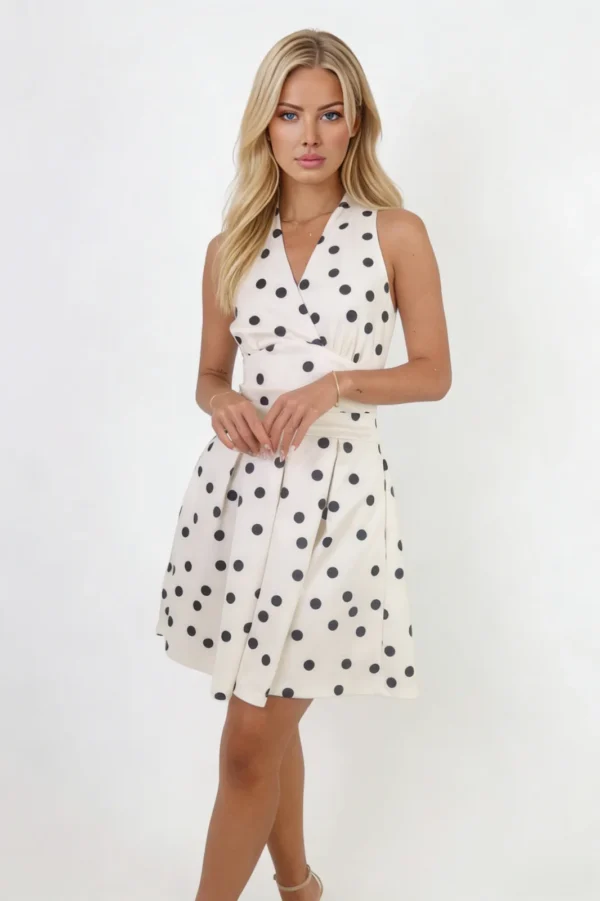
Want to see the quality our partner factories deliver? These pieces showcase the manufacturing capability available through our Guangzhou network:
Заключение
Guangzhou’s industrial zones are not interchangeable. Each zone has developed specific capabilities that match different product categories, scale requirements, and quality expectations. The buyer who understands this map can eliminate mismatched suppliers early, reduce sampling cycles, and build supply chains that take advantage of each zone’s strengths.
Start with the zone that matches your primary product category. Build relationships with factories in that zone first. Add secondary zone factories as your product range expands. The geographic concentration of the PRD makes this staged expansion possible without the logistics complexity of managing suppliers in distant regions.
Ready to find the right factory for your product? Связаться с компанией Algo Bert Fashion for a free consultation on matching your production requirements to the best Guangzhou industrial zone for your needs.


 English (UK)
 Español
 Français
 Deutsch
 Português
 Italiano
 Polski
 Nederlands
 Svenska
 Русский
 Türkçe
 한국어
한국어