
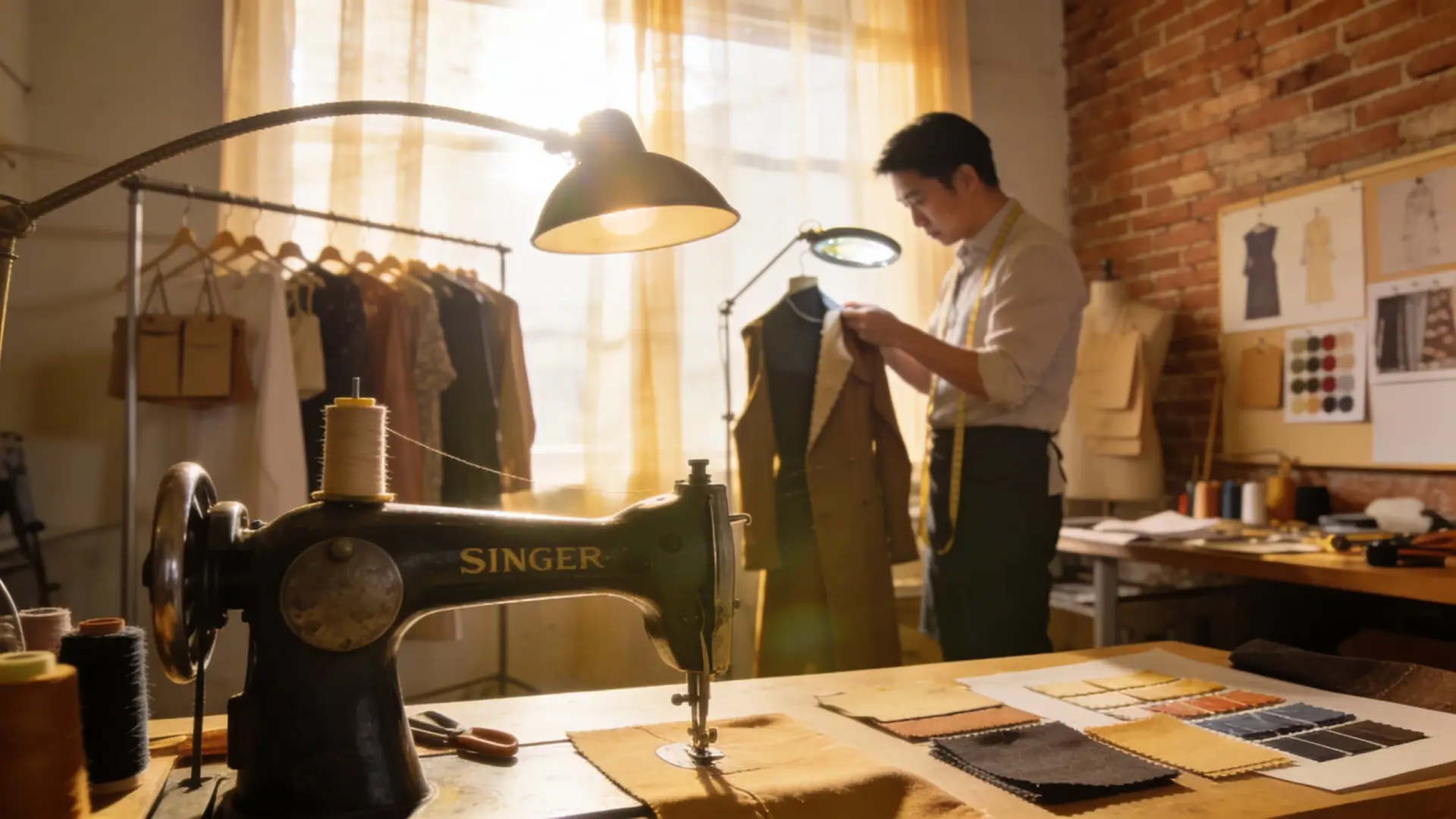
Choosing the right manufacturing approach can make or break a fashion brand, particularly for startups and independent designers operating with limited capital and inventory space. Small batch clothing manufacturing has emerged as an increasingly popular alternative to traditional large-scale production, offering flexibility and reduced financial risk. Yet this model isn’t universally advantageous—it demands careful consideration of your brand’s specific circumstances, growth trajectory, and business model before committing your resources.
In my view, small batch manufacturing represents the most sensible entry point for emerging fashion brands, provided you understand both its considerable advantages and inherent limitations. This production method typically involves minimum order quantities (MOQs) ranging from 50 to 500 units per style, contrasting sharply with traditional manufacturers who often require 1,000 to 5,000 pieces minimum. However, the decision extends far beyond simple order volumes—it fundamentally shapes your inventory management, cash flow, design iteration capabilities, and market responsiveness.
İçindekiler
The Financial Accessibility Argument: Capital Efficiency Matters
The most compelling argument favouring small batch production centres on capital efficiency. Traditional manufacturing requires substantial upfront investment—often £10,000 to £50,000 or more per collection when factoring in minimum order quantities, fabric purchases, and tooling costs. For bootstrapped entrepreneurs or brands seeking to validate concepts before securing external funding, these financial barriers prove insurmountable.
Small batch manufacturing fundamentally democratises fashion production. With MOQs starting at 50 units, initial investment requirements drop to £2,000 to £8,000 for a modest collection, making market entry financially feasible for independent designers. This accessibility enables talented creatives without substantial capital reserves to launch commercially viable brands. Moreover, reduced initial outlays preserve working capital for other critical business functions—photography, marketing, website development, and customer acquisition.
The inventory risk reduction cannot be overstated. In practice, brands frequently overestimate initial demand, leaving themselves with excess stock that ties up capital and necessitates discounting. Small production runs limit potential losses to manageable levels. If a style underperforms, you’ve manufactured 100 units rather than 1,000, containing both financial damage and warehouse storage costs. This conservative approach aligns perfectly with lean startup methodologies that prioritise learning over scale in early stages.
Market Testing Without Catastrophic Risk
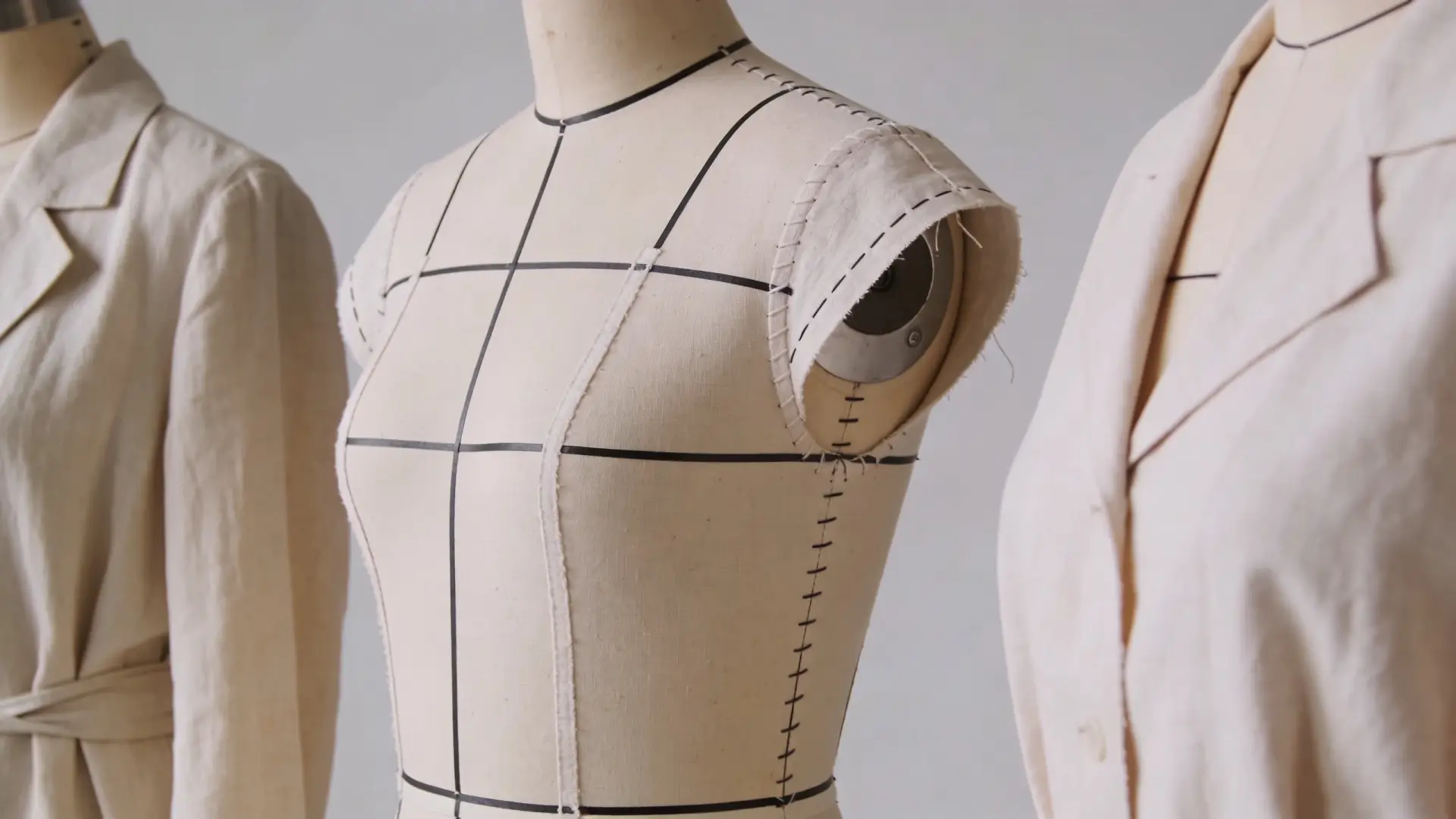
Small batch manufacturing excels as a market testing mechanism. Before committing to large-scale production, brands can validate designs, price points, sizing, and customer reception with actual purchasers rather than focus groups or surveys. This real-world feedback proves infinitely more valuable than theoretical market research, revealing preferences you couldn’t have anticipated.
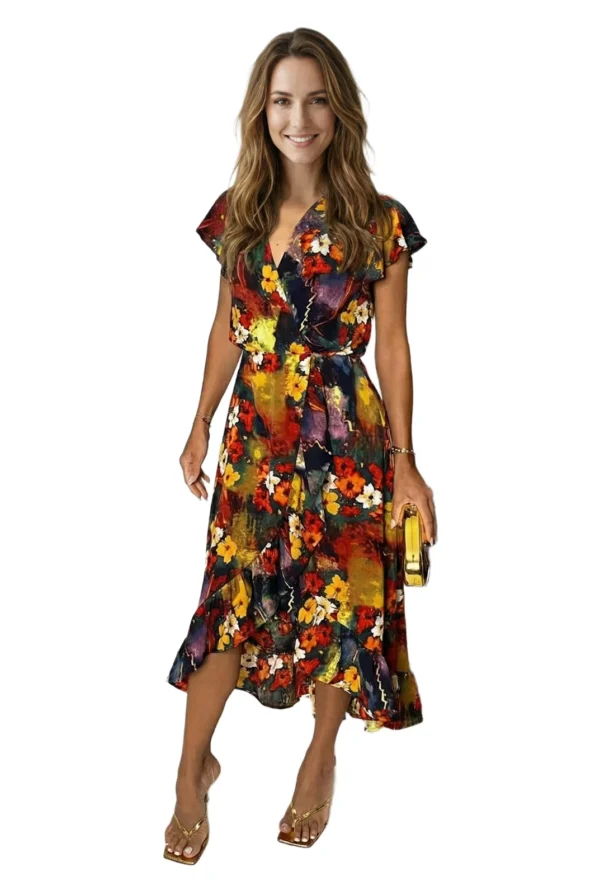
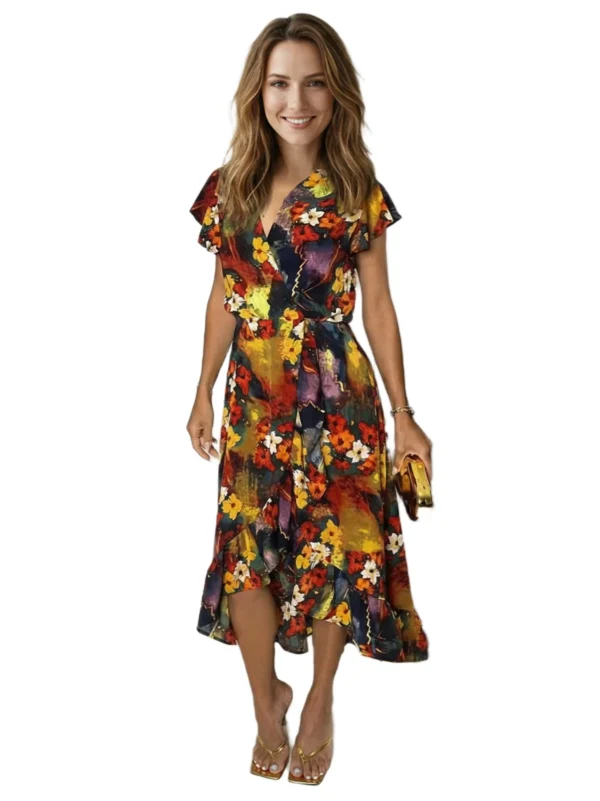
Consider a practical scenario: you’ve designed three dress styles for your debut collection. Rather than manufacturing 500 units of each based on instinct, small batch production enables you to produce 100 of each style. Within 4 to 8 weeks of selling, clear performance patterns emerge. Perhaps the wrap dress outsells expectations whilst the shirt dress languishes. This data-driven insight informs your reorder decisions, allowing you to scale successful designs whilst discontinuing underperformers.


This iterative approach mirrors successful direct-to-consumer brands that treat product launches as experiments rather than commitments. The ability to test, learn, and adapt quickly provides competitive advantages in fast-moving fashion markets where trend cycles compress continually. Furthermore, small production runs reduce the temptation to force-sell unwanted inventory through aggressive discounting that damages brand perception and trains customers to wait for sales.
The Unit Economics Reality: Higher Costs, Greater Control
Transparency demands acknowledgement of small batch manufacturing’s primary disadvantage: higher per-unit production costs. Economies of scale remain economic reality—manufacturing 1,000 garments costs considerably less per piece than producing 100. Depending on garment complexity and fabric choice, small batch production typically costs 30% to 80% more per unit than large-scale manufacturing.
However, this cost differential merits nuanced analysis rather than knee-jerk rejection. First, whilst unit costs increase, total expenditure decreases substantially. Paying £18 per dress for 100 units (£1,800 total) presents far less financial risk than paying £12 per dress for 1,000 units (£12,000 total), even though the latter offers better unit economics. For capital-constrained startups, total cash outlay matters more than per-unit efficiency.
The lowest per-unit cost means nothing if you cannot afford the minimum order quantity or cannot sell the resulting inventory.
Second, higher production costs can be offset through premium positioning and direct-to-consumer sales models. Brands manufacturing in small batches often emphasise quality, exclusivity, and limited availability—attributes that justify higher retail prices. When selling directly through your website rather than wholesale channels, you capture full retail margins that absorb increased production costs. A dress costing £18 to produce can retail at £85 to £120, yielding healthy margins despite elevated manufacturing expenses.
Third, eliminating excess inventory costs dramatically improves overall profitability. Dead stock represents complete capital loss—you’ve paid production costs, shipping, customs, and storage for products generating zero revenue. Small batch production significantly reduces this risk. The true cost of clothing manufacturing extends beyond factory pricing to encompass inventory carrying costs, markdowns, and write-offs that devastate profitability when production volumes exceed actual demand.
Design Agility and Creative Freedom
Small batch manufacturing grants creative freedom that traditional production cannot match. With lower financial stakes per style, brands can experiment with unconventional designs, niche aesthetics, and trend-driven pieces without betting the company on each decision. This creative latitude proves particularly valuable for designers building distinctive brand identities that differentiate them in crowded marketplaces.
The ability to introduce new styles frequently creates perpetual newness that drives customer engagement and repeat purchases. Rather than launching two major collections annually, small batch brands can release new designs monthly or even fortnightly, maintaining continuous customer interest and generating regular traffic to sales channels. This approach mirrors fast fashion’s appeal whilst maintaining quality standards and sustainable production practices incompatible with ultra-high-volume manufacturing.
Additionally, small production runs facilitate rapid response to emerging trends and customer requests. When you identify a trending colour, silhouette, or detail, you can incorporate it into your next small batch within weeks rather than waiting for the next major production cycle months away. This responsiveness positions your brand as current and customer-centric rather than rigidly committed to predetermined seasonal collections that may miss market shifts.
For brands prioritising sustainable and ethical production, small batch manufacturing aligns naturally with responsible manufacturing services that emphasise quality over quantity. Overproduction ranks among fashion’s most significant environmental challenges—small production runs directly combat this wastefulness by matching supply more closely with actual demand.
When Small Batch Manufacturing Becomes a Limitation
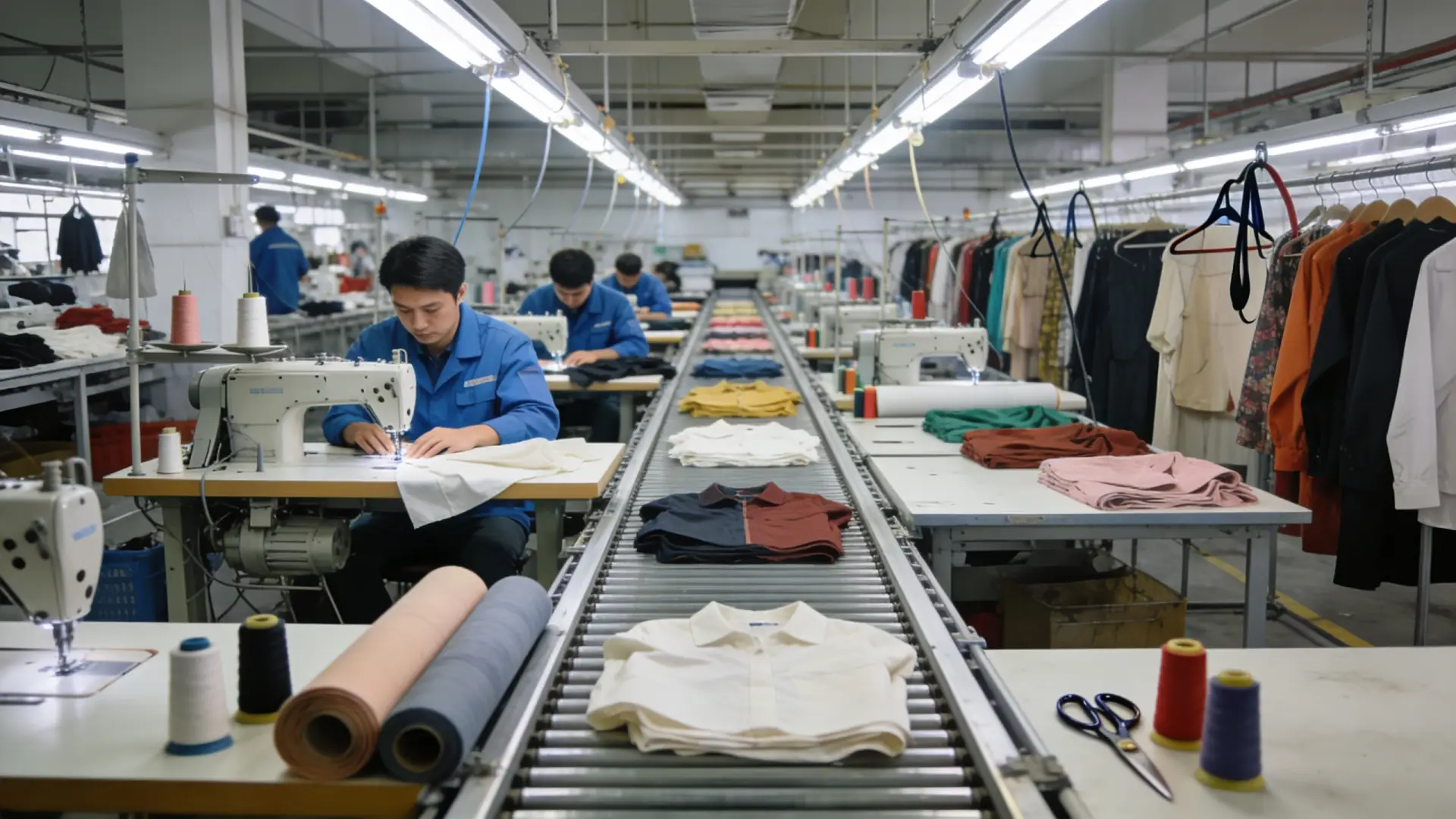
Despite considerable advantages, small batch production eventually constrains growing brands. As sales volumes increase, the unit cost differential becomes financially material. A brand selling 5,000 units annually leaves significant money on the table through elevated production costs that larger MOQs would reduce. At certain volumes, the capital efficiency argument inverts—you can afford larger production runs and the cost savings justify the increased inventory risk.
Wholesale distribution channels typically require production capabilities incompatible with small batch manufacturing. Boutiques and retailers expect consistent inventory availability and reorder capability. If your small batch sells out quickly, you may lack capacity to fulfil reorders within retailers’ timeframes, damaging relationships and missing sales opportunities. Traditional retail partnerships often necessitate larger production commitments to maintain adequate stock levels across multiple stockists.
Scalability challenges emerge as brands grow. Low MOQ clothing manufacturers operating profitably on small orders may lack capacity to accommodate dramatically increased volumes as your brand expands. Transitioning between manufacturers mid-growth creates quality consistency risks and operational disruptions. Savvy brands anticipate this transition, selecting initial manufacturing partners capable of scaling or planning strategic timing for manufacturer upgrades.
The operational complexity of managing numerous small production runs exceeds that of fewer large runs. Each batch requires sampling, approval, quality control, shipping coordination, and customs clearance. Producing ten batches of 100 units demands far more management attention than two batches of 500 units, creating operational inefficiencies as order frequency increases. Brands must evaluate whether this complexity aligns with their operational capabilities and whether the benefits justify the additional coordination effort.
Choosing the Right Low MOQ Partner
Selecting an appropriate small batch fashion manufacturer critically influences your brand’s success. Not all manufacturers offering low MOQs deliver comparable quality, reliability, or service levels. The cheapest option frequently proves most expensive through quality issues, delivery delays, or communication challenges that generate costly problems. Thorough vetting prevents expensive mistakes that can derail emerging brands.
Evaluate manufacturers across multiple dimensions beyond pricing. Production quality stands paramount—request samples of previous work, ideally in similar styles and fabrics to your designs. Assess stitching quality, finishing details, fabric handling, and overall construction standards. A comprehensive tech pack helps ensure manufacturers understand your quality expectations clearly from project inception.
Communication capabilities deserve serious consideration. Manufacturing partnerships require ongoing dialogue about specifications, adjustments, timelines, and problem-solving. Manufacturers with responsive communication, strong English capabilities, and understanding of Western market expectations substantially reduce frustration and misunderstandings. Timezone differences matter less than communication quality and responsiveness within reasonable periods.
Production capacity and specialisation alignment matter significantly. Some manufacturers excel with knits whilst others specialise in wovens, tailoring, or technical outerwear. Matching your product category with manufacturer expertise improves quality outcomes. Additionally, verify that their production capacity comfortably accommodates your order volumes—being a manufacturer’s largest or smallest client both present potential challenges. Ideally, your orders should represent meaningful but not dominant business for your chosen partner.
Logistical considerations including production timelines, payment terms, and shipping arrangements require clarification upfront. Understanding Incoterms and shipping responsibilities prevents confusion about cost structures and delivery obligations. Similarly, familiarising yourself with standard gi̇yi̇m üreti̇mi̇ i̇çi̇n ödeme koşullari enables more informed negotiations and clearer financial planning.
Before committing to large-scale partnership, conduct a thorough factory verification process that may include facility visits, reference checks with existing clients, and small test orders that validate production quality before larger commitments. The due diligence effort invested at this stage prevents significantly larger problems during actual production.
Finding Your Manufacturing Sweet Spot
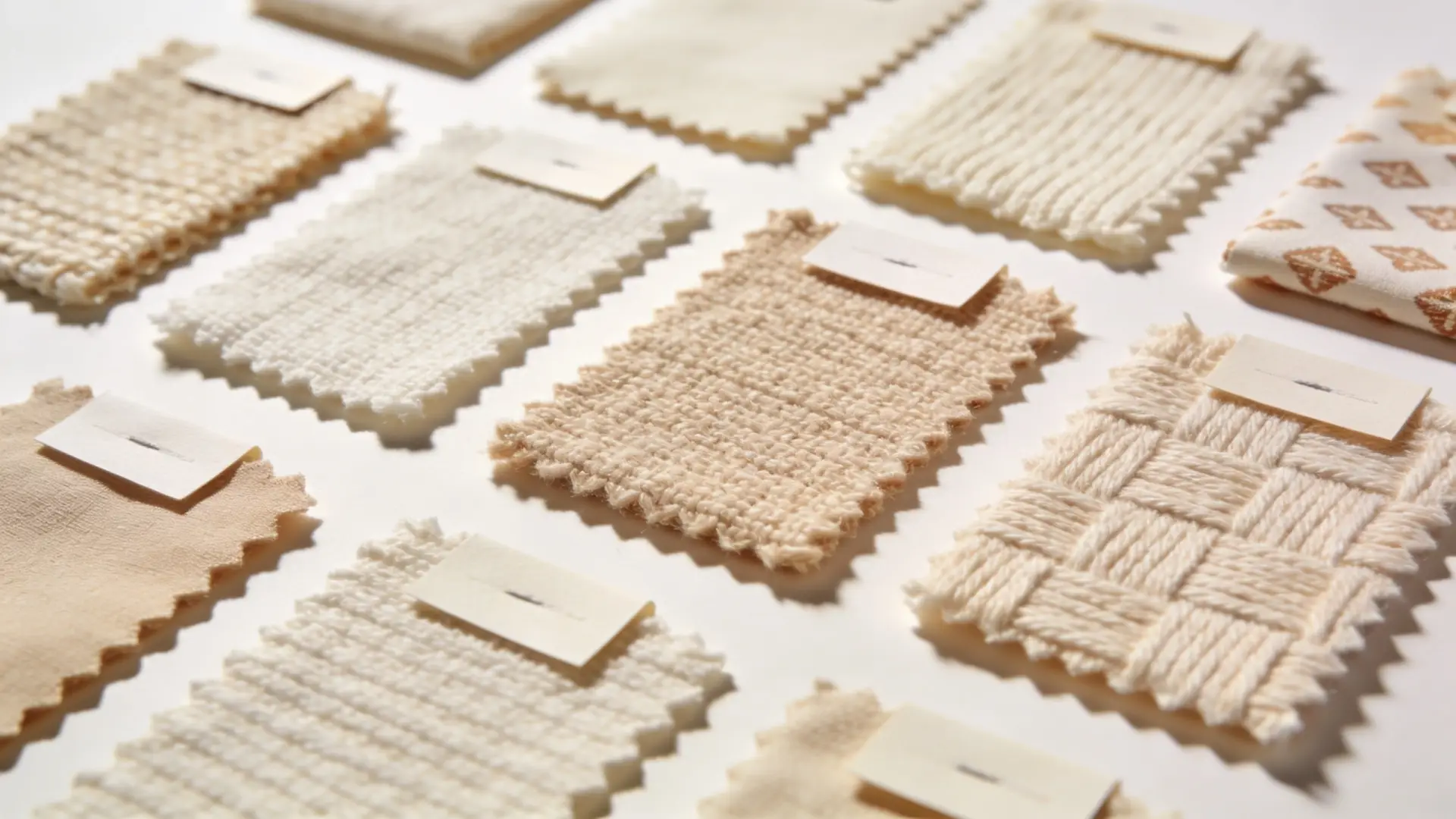
Small batch clothing manufacturing represents an intelligent strategic choice for specific brand circumstances rather than a universal solution. For emerging brands, independent designers, and businesses prioritising flexibility over scale, the advantages—capital efficiency, reduced inventory risk, market testing capabilities, and creative freedom—substantially outweigh higher per-unit costs. This production model enables market entry and brand building that traditional manufacturing makes financially prohibitive.
The right manufacturing approach isn’t determined by industry standards but by your brand’s specific stage, resources, and strategic objectives.
However, growing brands eventually outgrow small batch production as increasing sales volumes make larger production runs financially sensible and operationally necessary. Recognising this inflection point and planning the transition strategically separates successful scaling from operational chaos. The brands that thrive long-term often begin with small batch manufacturing to establish market fit, then gradually increase production volumes as demand validates larger commitments.
Ultimately, I believe small batch manufacturing deserves serious consideration from any fashion brand launching or operating at modest volumes. The model’s risk mitigation and flexibility align perfectly with modern retail’s uncertainty and rapid change. Rather than viewing it as a compromise or interim solution, consider small batch production a deliberate strategic choice that prioritises learning, adaptation, and capital preservation—attributes that position brands for sustainable long-term success regardless of scale.
Your manufacturing strategy should evolve with your brand. What serves you brilliantly at launch may constrain you at scale. The key lies in selecting the approach that matches your current circumstances whilst maintaining awareness of when transition becomes necessary. For most emerging fashion brands, that journey begins with thoughtful sample development and small batch production that validates concepts before larger commitments. This measured, evidence-based approach to scaling represents not just manufacturing wisdom but sound business strategy in an industry where many brands fail through overcommitment before establishing genuine market demand.
Sıkça Sorulan Sorular
What is considered a small batch in clothing manufacturing?
Small batch clothing manufacturing typically refers to production runs between 50 and 500 units per style, though definitions vary by manufacturer and garment type. This contrasts with traditional manufacturing minimums of 1,000 to 5,000 units per style. Some manufacturers specialising in startup brands offer even lower minimums of 25 to 50 pieces, whilst others define “small batch” as anything under 1,000 units. The specific threshold matters less than finding a manufacturer whose minimum order quantities align with your sales projections and capital availability.
How much more expensive is small batch manufacturing compared to large-scale production?
Small batch production typically costs 30% to 80% more per unit than large-scale manufacturing, depending on garment complexity, fabric choice, and manufacturer. For example, a dress costing £12 per unit at 1,000 pieces might cost £18 to £22 per unit at 100 pieces. However, total expenditure remains far lower—£1,800 to £2,200 for 100 units versus £12,000 for 1,000 units. This makes small batch production more capital-efficient for emerging brands despite higher unit costs. Additionally, reduced inventory risk and markdown costs often offset the per-unit premium when evaluating total profitability.
Can I scale my brand if I start with small batch manufacturing?
Yes, many successful brands begin with small batch production and scale to larger volumes as demand grows. The key lies in selecting initial manufacturing partners with growth capacity or planning strategic transitions to larger manufacturers when volumes justify the change. Some small batch manufacturers can accommodate modest growth from 100 to 500 units, whilst substantial scaling to thousands of units typically requires transitioning to traditional manufacturers. The most effective approach involves treating small batch production as a validation phase that proves market demand before committing to large-scale manufacturing investments.
How long does small batch clothing production typically take?
Small batch production timelines generally range from 4 to 8 weeks from order confirmation to shipment, though complex garments or custom fabric sourcing can extend this to 10 to 12 weeks. This includes sample approval (1 to 2 weeks), production (2 to 4 weeks), and quality control (3 to 5 days). Small orders sometimes receive faster turnaround than large production runs because they require less manufacturing time, though they may wait for production slots between larger orders. Always build buffer time into your planning, as delays in fabric arrival, sample revisions, or shipping can affect timelines regardless of batch size.
What should I look for when choosing a low MOQ clothing manufacturer?
Prioritise manufacturers with proven experience in your specific product category, strong communication capabilities, transparent pricing, and quality standards matching your brand positioning. Request samples of previous work, verify their minimum order quantities genuinely align with your needs, and clarify all terms including payment schedules, production timelines, and shipping responsibilities. Check references from existing clients when possible, and consider starting with a small test order before committing to larger partnership. Also evaluate their capacity for growth—can they scale with you, or will you need to transition manufacturers as volumes increase?


 English (UK)
 Español
 Français
 Deutsch
 Português
 Italiano
 Polski
 Nederlands
 Svenska
 Русский
 Türkçe
 한국어
한국어