
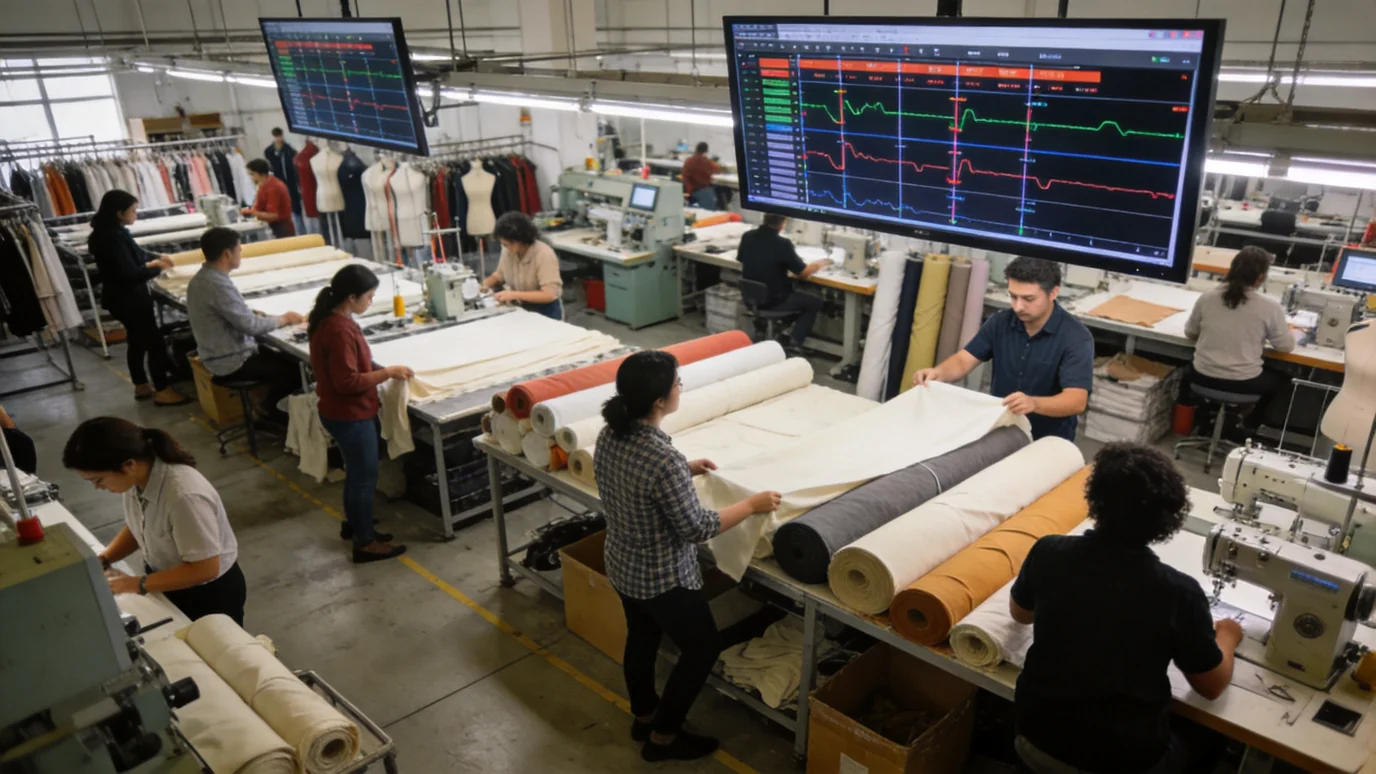
Time is everything in fashion. For brand founders and entrepreneurs, moving a design from concept to customer quickly and reliably isn’t just a nice-to-have-it’s a core competitive advantage. Managing and shrinking clothing manufacturing lead times directly hits your cash flow, inventory turnover, and ability to ride trends. This guide offers a data-driven framework to optimize your production timelines. It’s time to move beyond guesswork and build scalable, efficient processes.
Оглавление
Why Lead Times Matter for Fashion Brands
Lead time-the total time from placing a purchase order to receiving finished goods-is a direct lever for profitability. Inefficient lead times create bottlenecks that affect your entire business.
Delays mean delayed sales. A 2023 industry report found that brands with consistent, on-time deliveries enjoyed a 15% higher customer retention rate than those with frequent stockouts. In e-commerce, where 79% of consumers value delivery speed, a missed lead time often means a lost customer.
In an era of fast fashion and micro-seasons, restocking a bestseller or testing a new trend quickly is vital. Brands with optimized clothing manufacturing lead times can react to real-time sales data within weeks, not months. They capture demand that slower competitors simply miss.
Many startups stumble here. They underestimate production complexity and set overly optimistic timelines. A common error is not building enough buffers for sampling, approvals, or fabric minimums, leading to missed launch dates and damaged brand trust.
Key Factors Influencing Clothing Manufacturing Lead Times
Lead time isn’t a single number. It’s an aggregate of several interconnected stages. Understanding these variables is your first step to controlling them.

Fabric Sourcing and Availability
This is often the biggest variable. Custom-dyed or specialty fabrics can take 30-60 days just for sourcing and production. Stock fabrics can cut this to days. Data shows that brands forecasting fabric needs 6-9 months in advance see 40% fewer delays from material shortages.
Production Capacity and Factory Efficiency
A manufacturer’s workload dictates priority. Factories running over 85% capacity have little flexibility. During peak seasons, like pre-holiday production, industry lead times can inflate by 20-30%. Partnering with manufacturers who use lean principles and maintain realistic capacity buffers is essential.
Geopolitical and Seasonal Considerations
Tariff changes, shipping disruptions, and regional holidays (like Chinese New Year, which can halt production for 2-3 weeks) have a real impact. Brands that diversify sourcing across regions (Asia, Americas, Europe) build resilience. This is a key part of risk mitigation in supply chains.
Step-by-Step Guide to Managing Lead Times
A proactive, phased approach transforms lead time management from reactive firefighting to strategic planning.
Phase 1: Pre-Production Planning and Forecasting
Accuracy here prevents costly revisions later. This phase includes finalizing tech packs, Bills of Materials (BOM), and size specs. Use historical sales data to forecast quantities. A data-backed forecast lets manufacturers pre-book fabric and allocate machinery, potentially shaving 7-10 days off the total timeline.
Phase 2: Optimizing Sample Development Cycles
Sampling is where many delays breed. Understanding the difference between sampling and bulk production helps you plan realistic timelines. Instead of a linear process, try parallel processing. For example, send a pre-approved fabric swatch for lab-dip approval while simultaneously finalizing the pattern. Digital tech packs and 3D virtual sampling tools can reduce physical sample rounds from 3-4 to 1-2, accelerating this phase by up to 50%.
Phase 3: Monitoring and Adjusting Bulk Production
Once bulk production starts, set clear checkpoints. Weekly progress reports are standard. More advanced brands integrate directly with the manufacturer’s production management system for real-time updates. Track metrics like cutting completion, sewing line output, and quality control pass rates.
Leveraging Technology for Lead Time Tracking
Manual spreadsheet tracking isn’t enough for scalable brands. Technology gives you the visibility needed for proactive management.
ERP Systems and Production Software: Enterprise Resource Planning systems centralize data from order to shipment. They automate purchase orders, track inventory in real-time, and alert you to timeline deviations.
Real-time Dashboards and Analytics: Modern platforms offer visual dashboards mapping every production stage against the timeline. This lets a brand manager spot a single delayed style and intervene before it impacts the whole shipment.
AI and Automation in Forecasting: Emerging AI tools analyze historical sales, market trends, and even social media sentiment for more accurate demand forecasts. Better forecasts form the foundation of efficient lead times.

Case Studies: How Brands Reduced Lead Times
Case Study 1: E-commerce Brand Scaling with Data-Driven Decisions
A direct-to-consumer activewear brand had a 120-day average lead time, hampering growth. By implementing demand forecasting software and restructuring its pre-production with a detailed digital BOM, it cut its average lead time to 85 days. This 29% improvement let it increase order frequency from twice to four times per year, boosting annual revenue by 35% without major inventory risk.
Case Study 2: Startup Optimizing Sample Phases for Faster Go-to-Market
A new streetwear startup found its sample approval phase averaged 8 weeks. By adopting 3D design software for initial visualization and standardizing a “one-fit session” process with its manufacturer, it cut sample development to 3 weeks. This agility let the brand launch a capsule collection in response to a viral trend, selling out in 48 hours.
Best Practices for Working with Manufacturers
Your relationship with your manufacturing partner is a strategic asset.
Effective Communication Strategies: Provide exceptionally clear, complete tech packs. Use cloud-based platforms for document sharing to ensure everyone has the latest version. Establish a single point of contact on both sides to streamline communication.
Contract Negotiation for Lead Time Flexibility: Move beyond fixed lead times. Negotiate contracts with buffer periods and clear protocols for handling delays, whether from material issues or quality problems. Include incentives for on-time or early delivery.
Building Long-Term Partnerships: Manufacturers prioritize reliable, long-term partners. Consistent volume and clear, fair communication often grant you greater flexibility and priority during peak seasons, directly benefiting your clothing manufacturing lead times.
Risk Management for Clothing Manufacturing Lead Times
Even with perfect plans, disruptions occur. Resilience is built through foresight.
Contingency Planning for Delays: Build a buffer into your planning (e.g., plan for a 90-day lead time when the factory quotes 75). Have a pre-approved backup plan, like a secondary air freight option for critical goods. A robust quality control process also helps catch issues early before they cascade into major delays.
Diversifying Supply Chains to Mitigate Risks: Over-reliance on a single region or factory is a major vulnerability. Developing relationships with multiple manufacturing partners for the same product category spreads risk. This could mean using a domestic factory for quick-turn replenishment and an overseas partner for core bulk orders.
Insurance and Backup Suppliers: Comprehensive trade credit and cargo insurance protect against financial losses. Identifying and vetting backup suppliers in advance is essential for emergencies.

Measuring and Improving Clothing Manufacturing Lead Time Performance
What gets measured gets managed. Track key performance indicators (KPIs) to drive continuous improvement.
Key Metrics to Track: On-Time Delivery Rate (percentage of orders received by the promised date; 95%+ is world-class). Total Cycle Time (average calendar days from PO issuance to delivery). Stage-Specific Times (track time for fabric sourcing, sampling, production, and shipping individually to find bottlenecks).
Continuous Improvement Cycles and Feedback Loops: Conduct a post-mortem for every major order. What caused delays? What went smoothly? Feed this data back into your process and share constructive feedback with partners. This creates a cycle of incremental optimization.
Frequently Asked Questions (FAQ)
1. What is a typical lead time for clothing manufacturing? A standard lead time for basic knit garments from an overseas factory is 90-120 days, including production and ocean freight. For more complex woven items or custom fabrics, it can extend to 120-150 days. Domestic or near-shore manufacturing is typically faster, around 45-90 days.
2. How can I reduce my sampling lead time? The most effective way is to provide complete, accurate tech packs from the start and use 3D virtual sampling software to reduce physical sample rounds. Building a strong, collaborative relationship with your factory’s technical team also streamlines approvals.
3. What is the biggest cause of delays in clothing production? Fabric sourcing is consistently the top variable. Delays in fabric production, dyeing, or shipping have a cascading effect on all subsequent stages. Forecasting and ordering fabric as early as possible is critical.
4. How does order quantity affect lead time? Larger orders have longer production times due to the sheer volume of cutting, sewing, and finishing required. However, very small orders can sometimes take longer because they are lower priority for the factory. There is often an optimal order size that maximizes factory efficiency.
5. Should I put lead time clauses in my manufacturer contracts? Yes. Clearly defined lead times, delivery schedules, and remedies for delays (such as financial penalties or expedited shipping costs covered by the manufacturer) protect your brand and set clear expectations.
6. Can technology really help a small brand manage lead times? Absolutely. Even basic tools like cloud-based document sharing (Google Drive, Dropbox) for tech packs and a simple project management platform (Trello, Asana) can dramatically improve visibility and communication compared to email chains and spreadsheets.
7. How do geopolitical issues like tariffs affect lead times? Tariffs themselves don’t directly cause production delays, but the uncertainty and administrative changes they require can disrupt supply chains. More importantly, logistics issues (like port congestion or shipping route blockages) that often accompany geopolitical tensions can add weeks to the shipping and customs clearance phases of lead time.
8. What’s the first thing I should do to improve my brand’s lead times? Start with an honest audit. Document your actual lead times for your last 3-5 orders from each supplier. Track each phase-fabric sourcing, sampling, production, shipping-separately. You’ll almost certainly find one stage that accounts for most of the delay. Fix that one bottleneck first before tackling everything else.
Сопутствующие товары
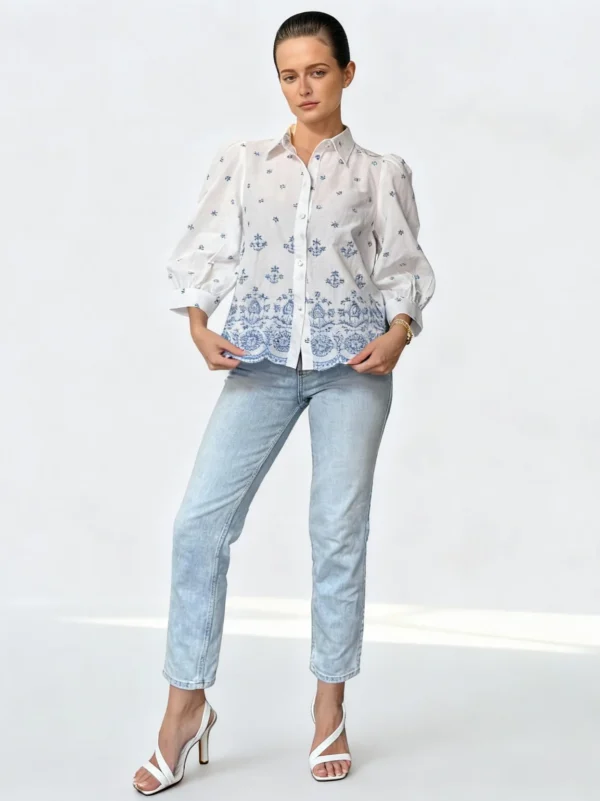
Want to see how efficient manufacturing translates to real products? Check out these options from our collection:



Conclusion and Actionable Next Steps
Optimizing lead times in clothing manufacturing isn’t about finding a magic bullet. It’s about implementing a disciplined, data-driven system. It requires moving from intuition to informed decisions, using technology for visibility, and building collaborative, transparent supply chain partnerships.
Your actionable next steps:
- Audit Your Current State: Document actual lead times for the last 5 orders. Calculate your average cycle time and on-time delivery rate.
- Identify One Bottleneck: Based on your audit, choose the most impactful area for improvement-whether it’s sample approval or fabric sourcing.
- Initiate a Conversation: Discuss lead time goals and potential process improvements with your key manufacturing partners.
- Explore a Pilot: Test one new strategy, like implementing 3D sampling for your next collection or adopting a basic cloud-based tool for PO tracking.
Ready to turn your production timeline from a liability into a strategic asset? Contact our expert team for a supply chain consultation, or explore our manufacturing solutions designed for scaling brands.
Вам нужна поддержка китайского производства? Algo Bert Fashion специализируется на оказании помощи международным брендам в работе с китайскими швейными фабриками, начиная с разработки образцов и заканчивая контролем качества. Если вы готовы изучить возможности производства в Гуанчжоу, получите бесплатную оценку стоимости.

 English (UK)
 Español
 Français
 Deutsch
 Português
 Italiano
 Polski
 Nederlands
 Svenska
 Русский
 Türkçe
 한국어
한국어