Pozyskiwanie odzieży z Chin może przypominać poruszanie się po polu minowym, jeśli nie wiesz, czego szukasz. Masz do czynienia z producentami obiecującymi złote góry, zdjęciami, które wydają się niemal zbyt idealne, oraz cenami, które wydają się niewiarygodnie niskie. Znalezienie wiarygodnego Dostawca To wymaga czegoś więcej niż tylko szybkiego wyszukiwania w Google i liczenia na szczęście. Niezależnie od tego, czy wprowadzasz na rynek swoją pierwszą linię modową, czy rozwijasz istniejącą markę, wiedza o tym, jak właściwie sprawdzić, zweryfikować i dostrzec te rażące sygnały ostrzegawcze przed podjęciem decyzji, może zaoszczędzić ci tysiące dolarów i niezliczonych kłopotów w przyszłości.
Jeden zły wybór może oznaczać opóźnienia w dostawach, katastrofy jakościowe lub – co gorsza – utratę zaliczki na rzecz fabryki, która w ogóle nigdy nie istniała. Dzięki odpowiedniemu procesowi weryfikacji oraz jasnemu zrozumieniu tego, co odróżnia rzetelnych producentów odzieży od tych budzących wątpliwości, możesz pewnie poruszać się po ogromnym chińskim rynku produkcji odzieżowej. W niniejszym przewodniku przedstawiono konkretne kroki, na które należy zwrócić uwagę, sygnały ostrzegawcze, na które warto uważać, oraz metody weryfikacji, które faktycznie sprawdzają się w praktyce.
Spis treści
Krok 1: Przeprowadź szczegółową wstępną analizę potencjalnych dostawców
Zanim skontaktujesz się z jakąkolwiek fabryką, zacznij od jasnego określenia swoich oczekiwań – konkretnych rodzajów odzieży, mocy produkcyjnych, poziomu jakości oraz wymagań dotyczących minimalnej wielkości zamówienia. Taka jasność pozwoli Ci od początku odrzucić fabryki, które nie spełniają Twoich oczekiwań. Wiele marek odzieżowych marnuje tygodnie na komunikację z dostawcami, którzy w rzeczywistości nie są w stanie zaspokoić ich potrzeb, tylko dlatego, że pominęły ten podstawowy krok.
Korzystaj z wielu platform zaopatrzeniowych, aby na początku objąć jak najszerszy zakres poszukiwań. Alibaba, Made-in-China i Global Sources to oczywiste punkty wyjścia, ale nie zapominaj o uczestnictwie w targi w Chinach gdzie można osobiście spotkać się z przedstawicielami fabryk. Targi takie jak Canton Fair czy Intertextile Shanghai dają cenną okazję do oceny profesjonalizmu i obejrzenia próbek produktów na własne oczy. Ponadto warto poprosić o rekomendacje w sieciach branży modowej lub społecznościach internetowych, gdzie inni właściciele marek dzielą się swoimi doświadczeniami.
Utwórz arkusz kalkulacyjny do śledzenia potencjalnych dostawców, zawierający kolumny z nazwą firmy, danymi kontaktowymi, specjalizacją, deklarowaną wydajnością, certyfikatami oraz Twoimi wstępnymi wrażeniami. Zwróć uwagę na to, jak fabryki prezentują się w Internecie — profesjonalne strony internetowe zawierające szczegółowe informacje o możliwościach firmy, jasne dane kontaktowe oraz studia przypadków wskazują na bardziej ugruntowaną działalność w porównaniu z skromnymi wpisami zawierającymi zdjęcia stockowe.
Krok 2: Sprawdź dane rejestrowe firmy i jej status prawny
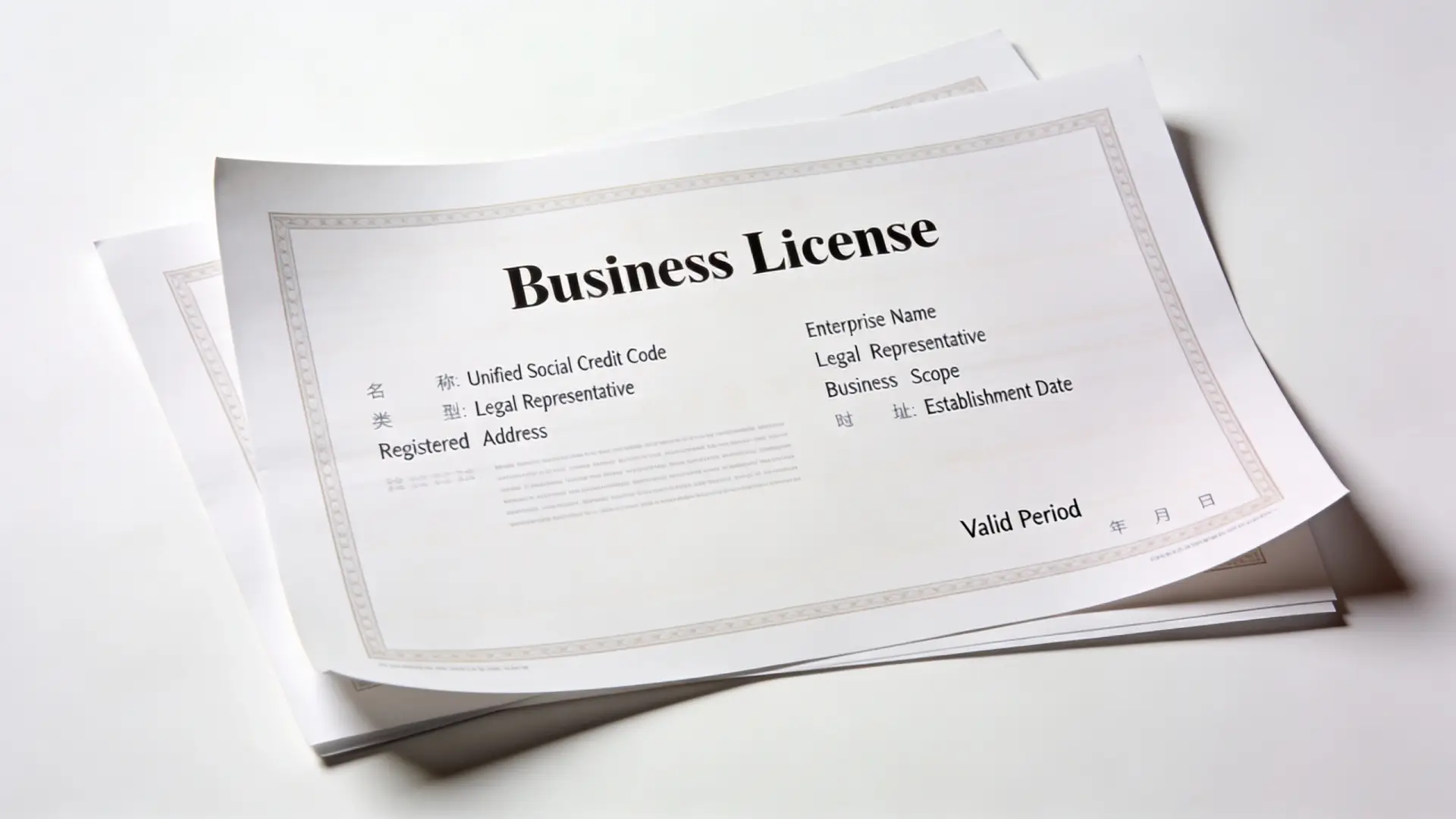
Gdy już zawężysz listę do poważnych kandydatów, upewnij się, że są to legalne firmy. Poproś o okazanie zezwolenia na prowadzenie działalności (营业执照) i sprawdź, czy nazwa firmy jest spójna we wszystkich dokumentach i korespondencji. W Chinach rejestrację firmy można zweryfikować za pośrednictwem Krajowego Systemu Publikacji Informacji Kredytowych o Przedsiębiorstwach. Ta publiczna baza danych potwierdza, czy firma jest legalnie zarejestrowana, oraz zawiera podstawowe informacje, takie jak data rejestracji, przedstawiciel prawny i zakres działalności.
Poproś o przedstawienie licencji eksportowych oraz wszelkich odpowiednich certyfikatów w zależności od rynku docelowego. Jeśli prowadzisz sprzedaż w Stanach Zjednoczonych lub Unii Europejskiej, certyfikaty takie jak WRAP, BSCI czy normy ISO świadczą o tym, że fabryka spełnia określone kryteria w zakresie zgodności społecznej i zarządzania jakością. Nie zadowalaj się jedynie zdjęciami certyfikatów – zweryfikuj je bezpośrednio u organizacji, które je wydały. Firma działająca od dziesięciu lat ma ugruntowaną pozycję; ta, która rozpoczęła działalność sześć miesięcy temu, wiąże się z większym ryzykiem.
Poproś o dane bankowe i sprawdź, czy są one zgodne z zarejestrowaną nazwą firmy. Rzetelne fabryki podają numery firmowych rachunków bankowych, a nie prywatnych. Zachowaj szczególną ostrożność, jeśli ktoś poprosi Cię o przelanie pieniędzy na konto osoby fizycznej zamiast na konto firmowe. Sprawdź firmę na chińskich platformach weryfikacyjnych, takich jak Qichacha lub Tianyancha, które udostępniają szczegółowe informacje o przedsiębiorstwie, w tym informacje o sporach prawnych, zadłużeniu i strukturze własnościowej, które mogą ujawnić potencjalne problemy.
Krok 3: Ocena jakości komunikacji i szybkości reakcji
Sposób, w jaki dostawca się komunikuje, wiele mówi o tym, jak poradzi sobie z faktyczną produkcją. Profesjonalni producenci szybko reagują w godzinach pracy, udzielają jasnych odpowiedzi na pytania techniczne i wykazują się znajomością terminologii związanej z konstrukcją odzieży. Jeśli otrzymujesz niejasne odpowiedzi, musisz długo czekać na odpowiedź lub odpowiedzi nie odnoszą się bezpośrednio do Twoich pytań, potraktuj to jako sygnał ostrzegawczy wskazujący na potencjalne trudności we współpracy w przyszłości.
Sprawdź ich wiedzę techniczną, zadając konkretne pytania dotyczące właściwości tkanin, metod konstrukcyjnych lub procesów produkcyjnych związanych z Twoimi projektami. Prawdziwy producent odzieży powinien z pewnością siebie omawiać takie kwestie, jak rodzaje szwów, liczba ściegów czy kwestie związane z kurczeniem się tkaniny. Jeśli ma trudności z podstawowymi pojęciami technicznymi lub wydaje się, że szuka odpowiedzi w Google, może to oznaczać, że brakuje mu prawdziwego doświadczenia w produkcji. Zwróć uwagę, czy zadają Ci trafne pytania dotyczące Twoich wymagań – dobrzy dostawcy starają się zrozumieć Twoje potrzeby, a nie tylko na wszystko odpowiadać “tak”.
Należy ustanowić jasne kanały komunikacji i wyznaczyć osoby kontaktowe. Powinieneś mieć bezpośredni dostęp do osoby, która rozumie zarówno techniczne, jak i biznesowe aspekty Twojego projektu. Zapytaj wprost, czy są oni właścicielami fabryki, czy też pełnią rolę pośredników. Nie ma nic złego w współpracy z firmą handlową, ale musisz znać rzeczywistą strukturę, aby móc odpowiednio ocenić koszty marży i efektywność komunikacji.
Krok 4: Przeprowadź rzetelny audyt zakładu produkcyjnego
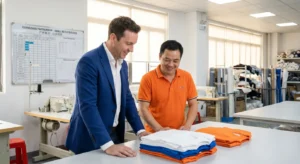
Nic nie zastąpi osobistej wizyty w fabryce ani zatrudnienia niezależnego inspektora, który zrobi to za Państwa. Audyt fabryczny pozwala poznać rzeczywiste warunki produkcji, możliwości i stan zakładu, których zdjęcia i rozmowy wideo nie są w stanie odpowiednio oddać. Jeśli osobista wizyta w Chinach nie wchodzi w grę, profesjonalny usługi w zakresie audytów zakładów produkcyjnych możemy przeprowadzić w Państwa imieniu szczegółowe kontrole, dostarczając szczegółowe raporty wraz ze zdjęciami i ocenami.
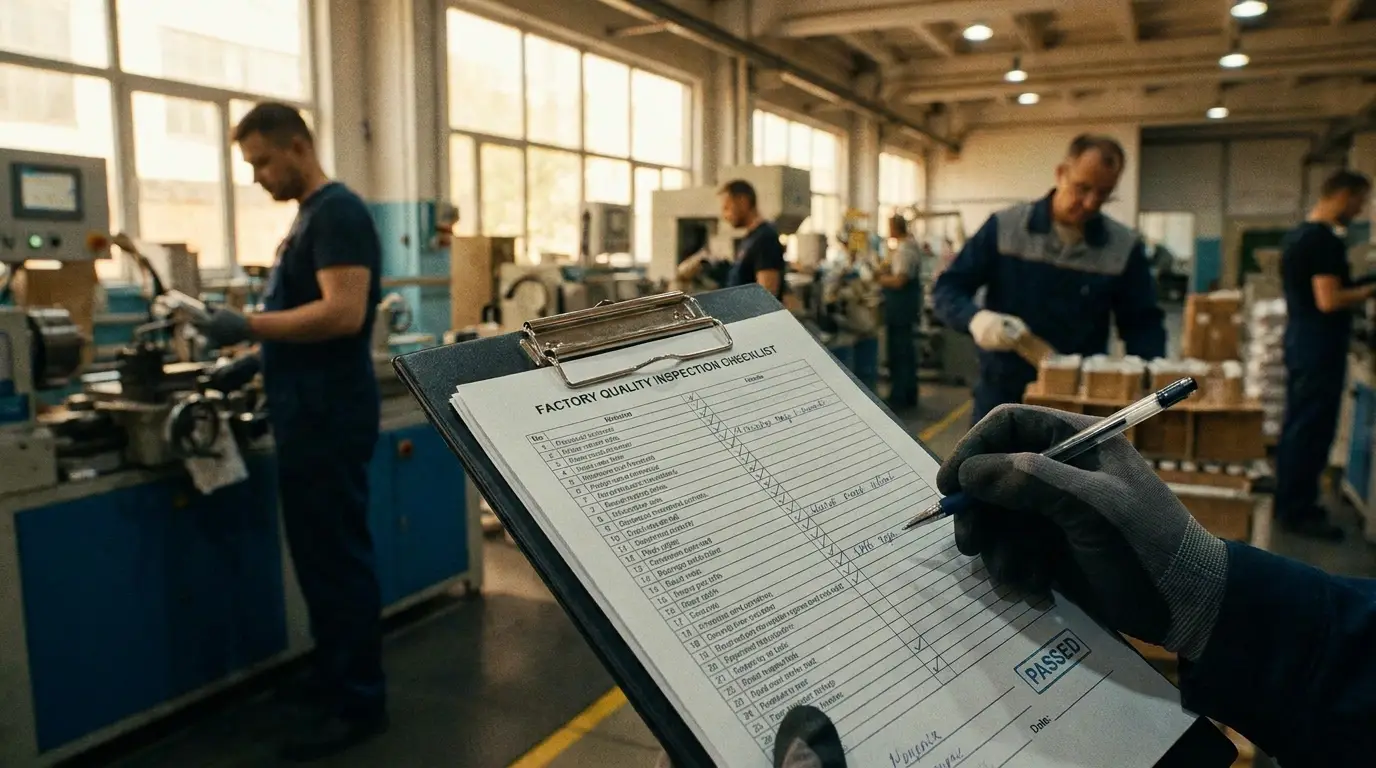
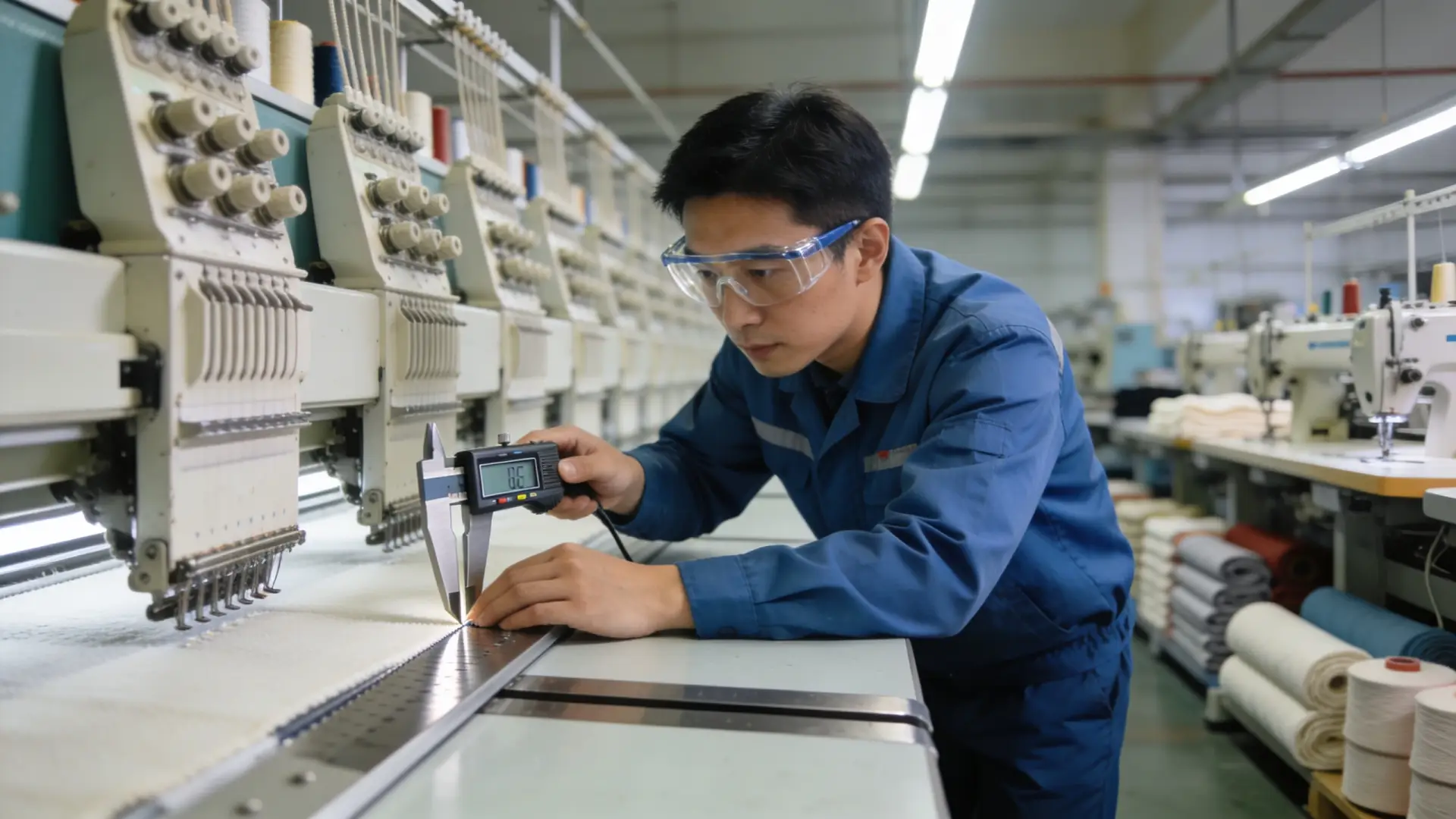
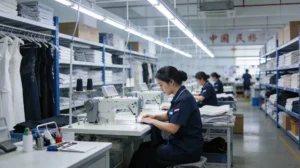
Podczas audytu należy systematycznie obserwować halę produkcyjną. Należy sprawdzić liczbę i stan maszyn – czy są nowoczesne i dobrze utrzymane, czy też przestarzałe i ledwo funkcjonujące? Należy policzyć stanowiska robocze, aby zweryfikować deklarowaną zdolność produkcyjną. Fabryka twierdząca, że jest w stanie wyprodukować 50 000 sztuk miesięcznie, powinna dysponować parkiem maszynowym i kadrą pracowniczą pozwalającymi na realizację takiej wielkości produkcji. Zwróć uwagę na organizację kontroli jakości – czy istnieją wydzielone stanowiska kontroli jakości, sprzęt pomiarowy i protokoły kontroli, czy też sprawdzanie jakości wydaje się być kwestią drugorzędną?
Przeanalizuj gotowe próbki oraz produkty znajdujące się obecnie w produkcji. Dzięki temu uzyskasz konkretne dowody na rzeczywiste standardy jakości i możliwości produkcyjne danego zakładu. Poproś o możliwość obejrzenia magazynów tkanin oraz zapoznaj się ze sposobem zarządzania zapasami – dobrze zorganizowani dostawcy zapewniają odpowiednie warunki środowiskowe, aby zapobiegać uszkodzeniom tkanin. Zwróć uwagę na warunki pracy pracowników oraz czystość w fabryce. Zakłady, które źle traktują pracowników i utrzymują chaotyczne warunki pracy, zazwyczaj charakteryzują się niestabilną jakością. Nasze usługi w zakresie kontroli jakości obejmują kompleksowe oceny zakładów produkcyjnych, w ramach których analizuje się te kluczowe czynniki.

Poproś o udostępnienie dokumentacji dotyczącej poprzednich zamówień, w tym specyfikacji technicznych, dokumentacji produkcyjnej i dokumentów wysyłkowych. Rzetelni producenci prowadzą uporządkowaną dokumentację i są w stanie wykazać historię swojej produkcji. Zapytaj o listę klientów i poproś o referencje, z którymi możesz się skontaktować. Rozmowa z obecnymi lub byłymi klientami dostarcza nieocenionych informacji na temat niezawodności, komunikacji, umiejętności rozwiązywania problemów oraz ogólnej jakości współpracy.
Krok 5: Rozpoznaj i zrozum kluczowe sygnały ostrzegawcze
Ceny znacznie poniżej średniej rynkowej często wskazują, że gdzieś zostaną wprowadzone oszczędności — gorsze materiały, pośpieszna produkcja lub zlecanie prac nieznanym podwykonawcom. Chociaż każdy pragnie konkurencyjnych cen, podejrzanie niskie oferty zazwyczaj prowadzą do problemów w przyszłości. Zrozumienie realistyczne koszty produkcji pomaga zorientować się, kiedy ustalona cena nie ma sensu.
Należy zachować ostrożność wobec dostawców, którzy odmawiają wizyt w fabryce lub wirtualnych wycieczek, powołując się na kwestie związane z tajemnicą handlową lub podając niekończące się wymówki. Przejrzystość ma fundamentalne znaczenie dla budowania zaufania w relacjach biznesowych w branży produkcyjnej. Podobnie niechęć do przedstawienia referencji lub próbek przed dokonaniem płatności sugeruje, że dostawca ma coś do ukrycia. Rzetelne fabryki chętnie korzystają z okazji, by zaprezentować swoje możliwości, ponieważ są przekonane o wysokiej jakości swojej pracy.
Zwracaj uwagę na sygnały ostrzegawcze w komunikacji, takie jak ciągła presja na szybkie podjęcie decyzji, prośby o pełną przedpłatę lub niechęć do standardowych warunków płatności. Profesjonalni producenci rozumieją, że typowe ustalenia przewidują wpłatę zaliczki, a pozostałą kwotę należy uregulować po zakończeniu produkcji lub przed wysyłką. Każdy, kto nalega na płatność 100% przed rozpoczęciem produkcji, powinien być traktowany z ogromną dozą sceptycyzmu. Jeśli podczas rozmów nazwy firm, osoby kontaktowe lub szczegóły ulegają ciągłym zmianom, może to oznaczać, że masz do czynienia z oszustwem.
Kolejnym istotnym sygnałem ostrzegawczym są kwestie związane z własnością intelektualną. Jeśli dostawca zbyt chętnie pokazuje Ci próbki lub projekty, które ewidentnie należą do uznanych marek, nie posiadając odpowiedniej licencji, pokazuje tym samym, że nie szanuje praw własności intelektualnej. To samo lekceważenie może dotyczyć Twoich projektów, gdy tylko je udostępnisz. Według Porozumienie TRIPS Światowej Organizacji Handlu, ochrona własności intelektualnej ma kluczowe znaczenie w handlu międzynarodowym, jednak sposób jej egzekwowania różni się znacznie w zależności od regionu i dostawcy.
Krok 6: Testowanie metodą strategicznego doboru próby
Nigdy nie pomijaj etapu sprawdzania próbek, niezależnie od tego, jak duże zaufanie darzysz dostawcę. Poproś o próbki, które dokładnie odpowiadają Twoim rzeczywistym specyfikacjom — te same tkaniny, wykończenia, metody wykonania i techniki wykończeniowe, które zamierzasz zastosować w produkcji. Ogólne próbki z salonu wystawowego nie dają pewności, czy dostawca jest w stanie zrealizować Twoje konkretne projekty zgodnie z Twoimi standardami.
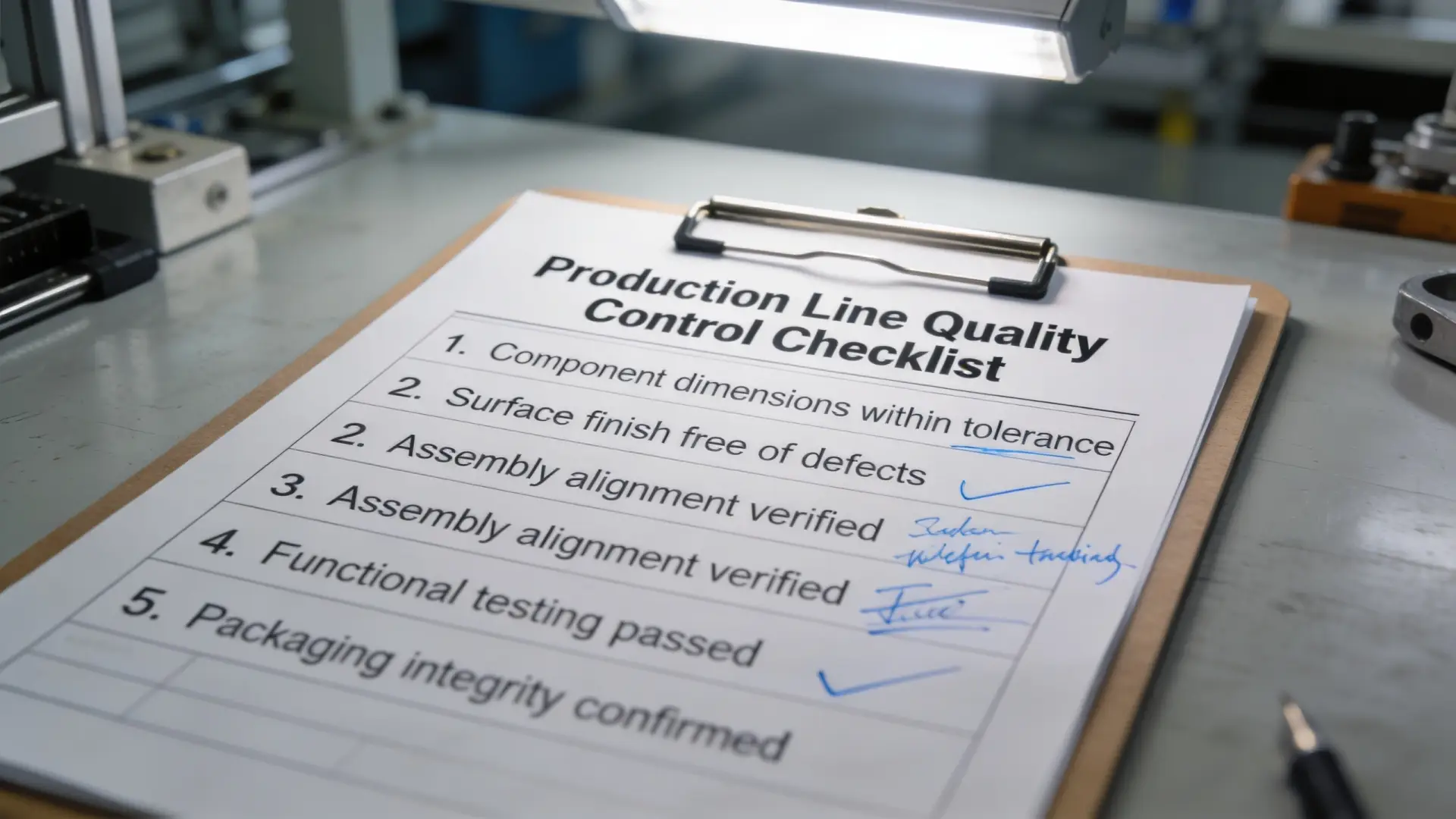
Dokładnie oceń próbki, kierując się obiektywnymi kryteriami. Porównaj wymiary z podanymi specyfikacjami, sprawdź jakość szwów i równomierność ściegów, przetestuj miękkość i układanie się tkaniny oraz oceń detale wykończenia, takie jak dziurki na guziki, zamki błyskawiczne i obszycia. Nasza szczegółowa lista kontrolna kontroli jakości obejmuje najważniejsze punkty kontroli, które należy sprawdzić. Jeśli dostarczone próbki wykazują wady jakościowe, należy rozważyć, czy da się je naprawić poprzez lepszą komunikację, czy też wskazują one na fundamentalne ograniczenia zdolności produkcyjnych.
Proces pobierania próbek pozwala sprawdzić, jak dostawca reaguje na uwagi. Poproś o wprowadzenie zmian w próbkach i obserwuj, jak radzi sobie z prośbami o poprawki. Czy rozumie Twoje uwagi i dokładnie wprowadza zmiany, czy też poprawione próbki nadal wykazują te same problemy? Ta interakcja daje wyobrażenie o tym, jak dostawca będzie radził sobie z kwestiami jakości podczas produkcji seryjnej. Wykorzystaj próbki do ustalenia jasnych standardów — zatwierdzone próbki staną się punktem odniesienia dla akceptowalnej jakości produkcji.
Zwróć uwagę na terminy dostawy próbek i związane z tym koszty. Rozsądne opłaty za próbki i terminy realizacji wskazują na dobrze zorganizowane planowanie produkcji. Jeśli dostarczenie próbek trwa znacznie dłużej niż obiecano lub wiąże się z nieoczekiwanymi opłatami, należy spodziewać się podobnych problemów podczas produkcji. Faza przygotowywania próbek pozwala sprawdzić, czy obietnice przekładają się na rzeczywistość, zanim podejmiesz poważne zobowiązania finansowe.
Krok 7: Przeprowadź ostateczną analizę due diligence przed podjęciem decyzji
Przed złożeniem pierwszego zamówienia produkcyjnego należy sporządzić szczegółową umowę obejmującą wszystkie kluczowe warunki — specyfikacje produktu, normy jakości, ceny, warunki płatności, harmonogram produkcji, ustalenia dotyczące wysyłki oraz procedury rozstrzygania sporów. Umowę należy zlecić do przeglądu prawnikowi znającemu się na handlu międzynarodowym i chińskich praktykach biznesowych. Niejasne postanowienia prowadzą do nieporozumień i sporów, których można by uniknąć dzięki jasnej dokumentacji sporządzonej z wyprzedzeniem.
Należy dokładnie przeanalizować całą strukturę kosztów, uwzględniając wszelkie potencjalne opłaty dodatkowe. Oprócz ceny jednostkowej należy zapoznać się z kosztami pakowania, etykietowania, kontroli jakości, transportu krajowego do portu oraz wszelkimi innymi opłatami. Należy obliczyć całkowity koszt koszty z dostawą, w tym koszty wysyłki i cła aby upewnić się, że dane liczbowe są dostosowane do Twojego modelu biznesowego. Niespodziewane dodatkowe koszty pojawiające się po podjęciu zobowiązania powodują obciążenie finansowe i podważają zaufanie.
Przed rozpoczęciem produkcji należy ustalić procedury kontroli jakości. Należy zdecydować, czy kontrole będą przeprowadzane osobiście, czy też skorzysta się z usług zewnętrznych firm kontrolnych, czy też powierzy się tę kwestię wewnętrznej kontroli jakości w fabryce. Wiele doświadczonych marek korzysta z usług niezależnych firm kontrolnych w zakresie kontroli przedprodukcyjnych, bieżących i końcowych, aby wykryć problemy przed wysyłką towaru. Należy określić standardy dopuszczalnego poziomu jakości (AQL) oraz protokoły kontroli, tak aby wszyscy rozumieli oczekiwania. Te proaktywne działania pozwalają uniknąć katastrofalnego scenariusza, w którym otrzymuje się tysiące wadliwych sztuk odzieży bez możliwości dochodzenia roszczeń.
Wprowadź odpowiednie mechanizmy zabezpieczające płatności. W przypadku większych zamówień korzystaj z bezpiecznych metod płatności, takich jak akredytywy, które uwalniają środki dopiero po spełnieniu określonych warunków, lub usługi escrow, które wstrzymują płatność do momentu zweryfikowania towaru. Unikaj korzystania z Western Union, MoneyGram lub bezpośrednich przelewów bankowych przy pierwszych transakcjach z niesprawdzonymi dostawcami. Rozważ rozpoczęcie od mniejszego zamówienia próbnego przed podjęciem decyzji o zakupie dużych ilości. Takie stopniowe podejście ogranicza ryzyko, pozwalając jednocześnie sprawdzić, czy dostawca jest w stanie zapewnić stałą jakość przy dużych ilościach.
Należy ustalić jasne procedury komunikacyjne oraz systemy zarządzania projektami. Należy zdecydować, jak często będą przekazywane aktualizacje dotyczące produkcji, jakie informacje będą udostępniane oraz za pośrednictwem jakich kanałów. Regularna komunikacja w trakcie produkcji pomaga wcześnie zidentyfikować potencjalne problemy, kiedy łatwiej jest je rozwiązać. Zrozumienie standardowe warunki i struktury płatności chroni Państwa interesy, jednocześnie dbając o pozytywne relacje z dostawcami.
Czas poświęcony na dokładną weryfikację przynosi korzyści w postaci wieloletniej, sprawnej produkcji, stałej jakości oraz wzajemnego zaufania, które umacnia się wraz z każdym pomyślnie zrealizowanym zamówieniem. Zacznij od zaplanowania pierwszego audytu fabryki lub zamówienia próbek od trzech najlepszych kandydatów w ciągu najbliższych dwóch tygodni — dzięki temu Twoja weryfikacja przejdzie z etapu badań do etapu praktycznej weryfikacji.
Często zadawane pytania
Jak długo zazwyczaj trwa proces weryfikacji dostawcy?
Cały proces weryfikacji trwa zazwyczaj od 4 do 8 tygodni, w zależności od tego, jak dokładnie go przeprowadzisz oraz czy osobiście odwiedzasz fabryki. Wstępne badania i weryfikacja dokumentów mogą zająć od 1 do 2 tygodni, natomiast pobieranie próbek trwa zazwyczaj od 2 do 4 tygodni. Jeśli przeprowadzasz fizyczne audyty fabryk lub zatrudniasz zewnętrznych inspektorów, dodaj kolejne 1–2 tygodnie. Pośpiech w tym procesie znacznie zwiększa ryzyko, dlatego w planowaniu produkcji należy uwzględnić odpowiedni zapas czasu.
Czy mogę ufać usługom weryfikacji dostawców na platformach takich jak Alibaba?
Odznaki weryfikacyjne platform, takie jak “Zweryfikowany dostawca” czy “Złoty dostawca”, dają pewną podstawową gwarancję, ale nie powinny zastępować Twojej własnej analizy due diligence. Odznaki te zazwyczaj potwierdzają rejestrację działalności gospodarczej, a czasami obejmują podstawowe kontrole zakładu produkcyjnego, jednak nie gwarantują jakości, niezawodności ani tego, że dostawca będzie odpowiedni dla Twoich konkretnych potrzeb. Traktuj weryfikację platformy jako punkt wyjścia, a nie ostateczne kryterium decyzji.
Jaki jest rozsądny koszt próbki i czas realizacji w przypadku producentów odzieży?
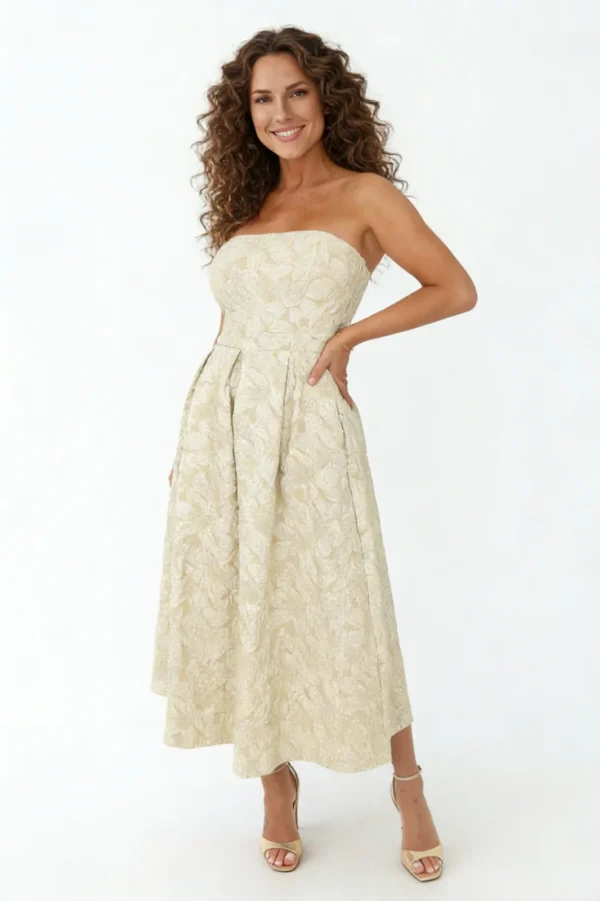
Koszty próbek zazwyczaj wahają się od $30 do $150 za sztukę, w zależności od stopnia skomplikowania odzieży, przy czym bardziej wyszukane projekty, takie jak sukienki z ozdobami, kosztują więcej niż proste koszulki. Czas realizacji wynosi zazwyczaj 10–20 dni w przypadku pierwszych próbek oraz 7–14 dni w przypadku poprawek. Fabryki, które pobierają nadmierne opłaty za próbki w stosunku do stopnia skomplikowania odzieży lub potrzebują ponad 4 tygodni na wykonanie prostych próbek, mogą borykać się z problemami związanymi z wydajnością lub organizacją, które warto dokładniej zbadać.
Czy powinienem współpracować bezpośrednio z fabrykami, czy też za pośrednictwem firm handlowych?
Obie opcje mają swoje zalety w zależności od konkretnej sytuacji. Bezpośrednia współpraca z fabrykami zazwyczaj wiąże się z niższymi kosztami i bardziej bezpośrednią komunikacją, ale wymaga większego doświadczenia w pokonywaniu barier językowych i radzeniu sobie ze szczegółami technicznymi. Firmy handlowe doliczają marżę, ale często zapewniają obsługę w języku angielskim, nadzór nad jakością oraz możliwość konsolidacji zamówień z wielu fabryk. W przypadku osób importujących po raz pierwszy lub przy małych zamówieniach renomowana firma handlowa może zapewnić cenne wsparcie, które jest warte dodatkowych kosztów.
Jakich warunków płatności powinienem się spodziewać, nawiązując współpracę z nowym dostawcą odzieży?
Standardowe warunki płatności dla nowych klientów zazwyczaj przewidują wpłatę zaliczki w wysokości 30% w momencie złożenia zamówienia oraz uregulowanie pozostałej kwoty w wysokości 70% przed wysyłką. Niektóre fabryki mogą początkowo wymagać warunków płatności 50/50. Należy unikać dostawców wymagających 100% płatności z góry lub tych, którzy są skłonni wysłać towar bez zaliczki, ponieważ oba scenariusze wskazują na potencjalne problemy. W miarę rozwoju relacji i budowania zaufania można wynegocjować korzystniejsze warunki, takie jak mniejsze zaliczki lub terminy płatności po wysyłce.



 English (UK)
 Español
 Français
 Deutsch
 Português
 Italiano
 Polski
 Nederlands
 Svenska
 Русский
 Türkçe
 한국어
한국어