
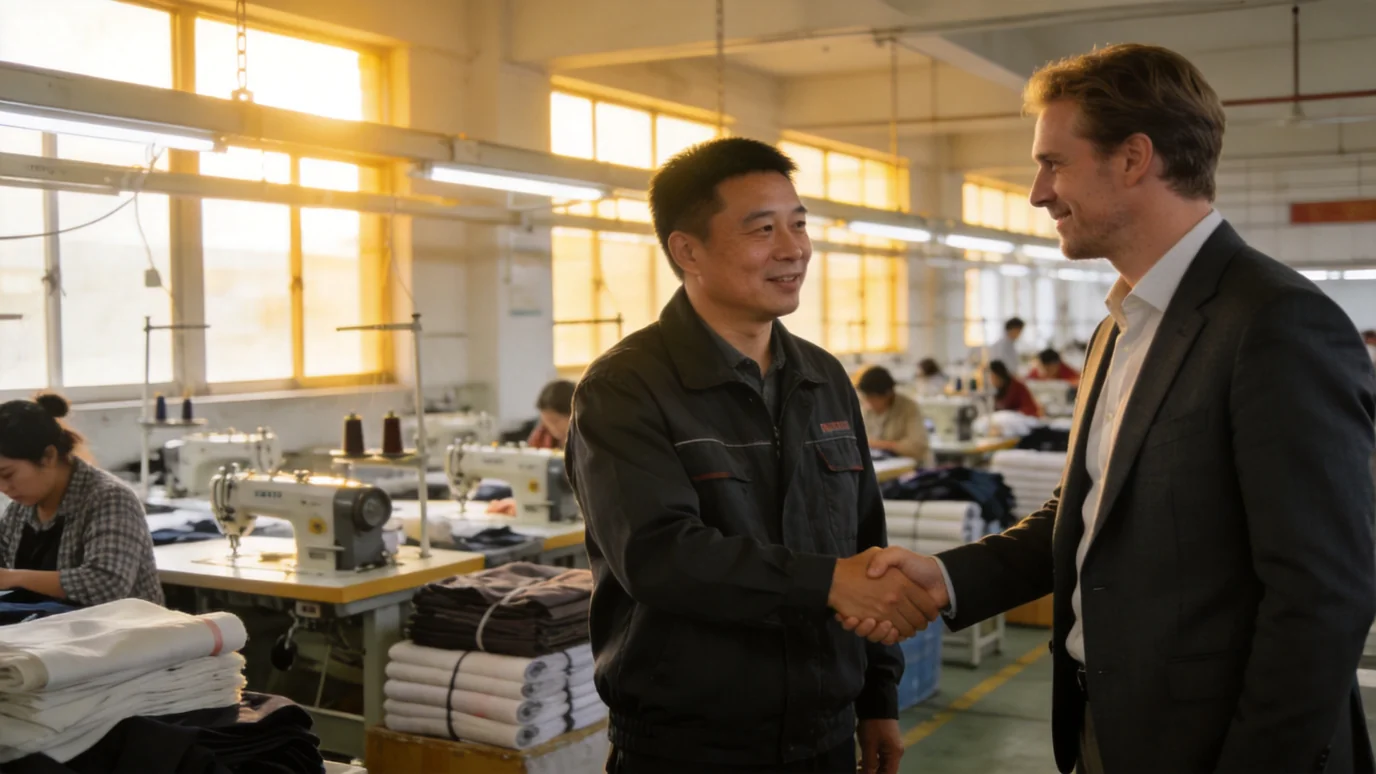
A sourcing manager for a UK denim brand found himself in a Guangzhou factory in early 2023, negotiating a 15% price reduction on a 5,000-unit order. The factory owner listened, nodded, and said something that changed how the manager thought about supplier partnerships.
“You’re asking for a lower price,” the owner said through a translator, “but you haven’t asked me how to make your product better.” That moment captures what strong manufacturer relationships in China actually deliver — not just better prices, but better products.
Most first-time buyers approach factories as vendors. They send RFQs to five suppliers, pick the lowest quote, and repeat the process on the next order.
That strategy works for one-off purchases. But for brands that plan to grow, building manufacturer relationships China produces compounding returns that transactional sourcing cannot match. The data backs this up: brands with multi-year factory partnerships report 10-20% shorter lead times, 5-15% better pricing, and significantly fewer quality defects compared to brands that switch suppliers regularly.
Inhoudsopgave
Why Manufacturer Relationships in China Matter More Than Price
The fashion industry’s standard sourcing practice — send specs to multiple factories, negotiate hard, and award to the lowest bidder — looks efficient on a spreadsheet. In practice, it hides costs that only surface after the order ships.
The Real Cost of Switching Suppliers
Every time you switch factories, you pay a switching cost that rarely appears on a P&L statement. A 2025 survey by the China National Textile and Apparel Council estimated that supplier transitions cost brands 15-25% of the first order value in hidden expenses. Those costs include sample development with a new factory (2-3 rounds at $50-$200 each), fabric and trim requalification ($200-$500), factory onboarding and training time (10-20 hours of management attention), and the quality learning curve — first orders with a new factory have a 40% higher defect rate than repeat orders.
A brand placing a $15,000 first order with a new factory is effectively spending $2,250-$3,750 on the transition alone. Over five supplier changes, that same brand has burned $11,250-$18,750 on switching costs that could have gone into product development or marketing. According to research published by the World Trade Organization, supply chain relationship stability is a significant factor in manufacturing efficiency across developing economies. Working with trusted clothing manufacturers dramatically reduces these switching costs from day one.
What Consistent Partnerships Deliver Over Time
Factories that work with the same client for 12-18 months demonstrate measurable improvements. Lead times shrink by 10-20% as production teams learn the client’s specifications without re-reading tech packs each time. Quality approval rates increase because the factory knows which tolerances matter and which details the client checks first. Communication becomes efficient — a five-minute WeChat message replaces a two-hour video call.
A US-based womenswear brand that works with the same Guangzhou factory on a bi-monthly schedule reports that their average sample approval cycle dropped from 14 days in year one to 6 days in year three. The factory’s production manager memorized their fit preferences, fabric weight tolerances, and stitching requirements. That kind of institutional knowledge is impossible to replicate with a new supplier. For a deeper look at what makes factories reliable partners, read our guide on het vinden van betrouwbare kledingfabrikanten in Guangzhou.
Finding Partners Worth the Investment
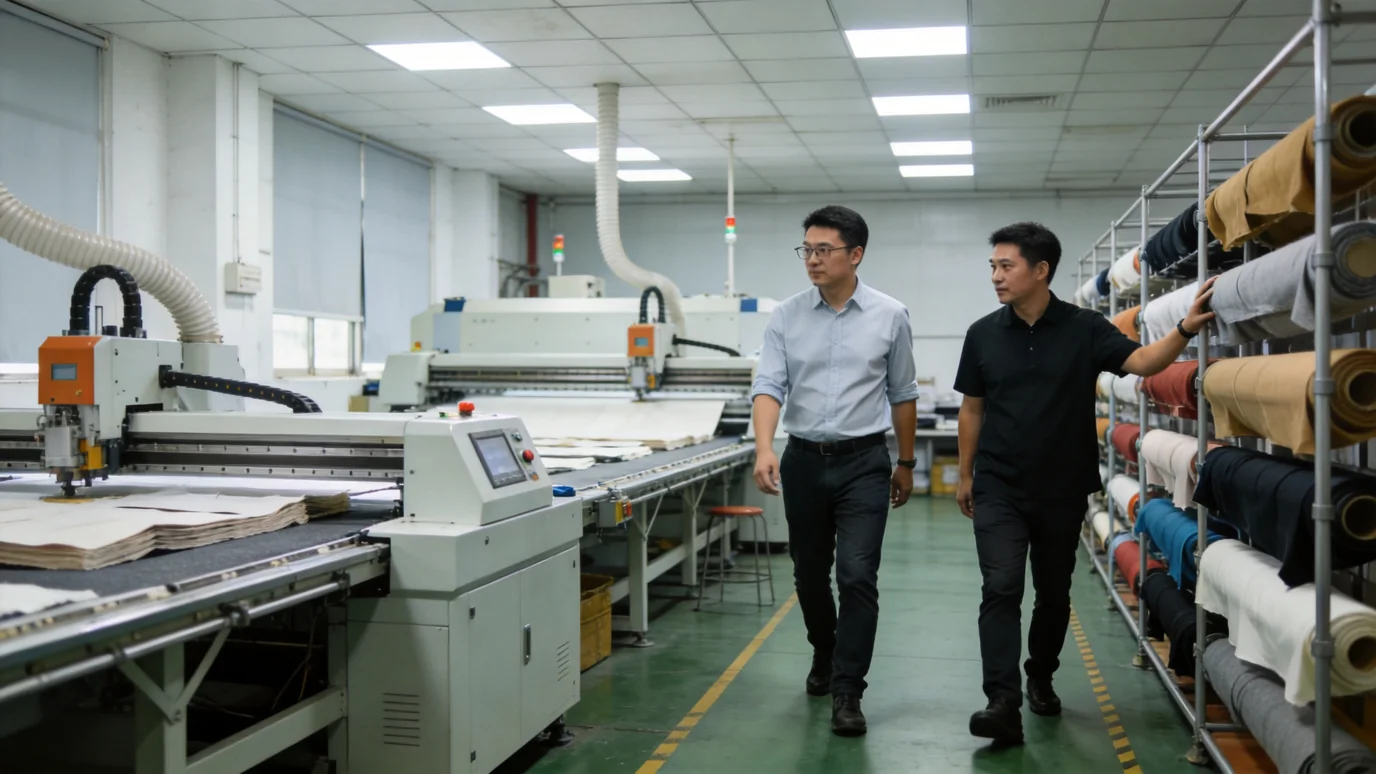
Not every factory wants a long-term relationship. Some operate on volume and turnover, designed for one-off orders from dozens of clients. Identifying the factories that genuinely want partnership is the first skill to develop in building manufacturer relationships in China.
Factory Assessment Beyond the Audit
Standard factory audits check compliance, capacity, and quality systems. Those are necessary but not sufficient for identifying partnership potential. Look for factories that ask about your growth plans during the initial conversation — a factory that wants to know where your brand will be in two years is a factory thinking about how to grow with you.
Ever walked into a factory that spent the whole meeting talking about their machine count instead of your product? That tells you everything.
Factories that invest in equipment upgrades without being prompted signal long-term thinking. A sewing workshop that added automated cutting equipment between 2024 and 2025, or a printing factory that invested in eco-friendly dye machines, is demonstrating commitment to their own future. Those investments correlate with factories that value stable client relationships. The China Chamber of Commerce for Textile Import and Export publishes annual industry reports that track technology adoption trends among Chinese garment manufacturers.
Signs of a Factory That Wants a Long-Term Relationship
Several behavioral signals indicate a factory’s relationship orientation. They ask about your target market and retail price point — not just your quantity and delivery date. They offer suggestions for improving your design or construction during the sampling phase, which shows they care about the finished product, not just the production fee. They follow up after delivery to ask how the product sold.
They remember your preferences from previous conversations. These behaviors cost the factory nothing in direct expense but represent an investment of attention that transactional suppliers do not make.
Red Flags That Suggest Transactional Mindsets
Factories that only discuss price, capacity, and lead time during initial conversations are almost certainly transactional. They will take your order, produce it to spec, and deliver on time — but they will not invest in your success beyond the current PO. Additional red flags include: reluctance to share production photos or videos, unwillingness to introduce you to their production manager, pressure to place large orders before you have established trust, and a history of working with a different client list each season. These factories serve an important role in the supply chain for commodity products and one-off runs, but they are not partners for building a brand.
Building Trust in Manufacturer Relationships Across Cultures and Distance
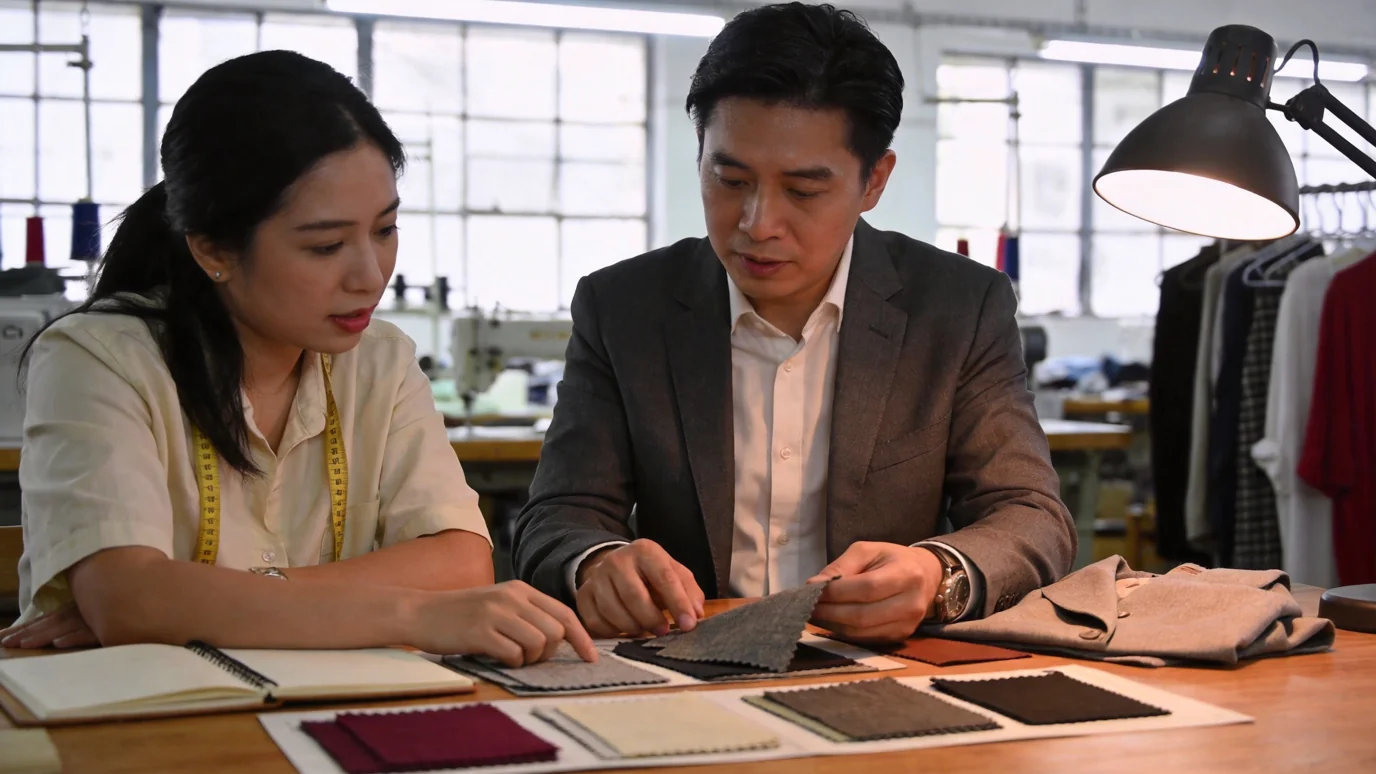
Trust in China manufacturing operates differently than in Western business relationships. Understanding these differences is critical for anyone developing manufacturer relationships in China.
Communication Practices That Build Confidence
Written specifications carry more weight in Chinese factory culture than verbal agreements. A factory manager who agrees to a price point verbally may interpret that as a starting point for negotiation, not a commitment. The same agreement in writing — on WeChat, via email, or on a signed quotation — creates a different level of obligation.
For detailed technical discussions, written Chinese is typically stronger than spoken English among factory staff. Sales representatives can read and respond to detailed emails accurately but may struggle with nuanced phone conversations.
Consistent communication cadence matters. A weekly check-in during production, even if there are no issues, builds the habit of transparency. Factories notice which clients pay attention and which only call when there is a problem. The clients who check in regularly during the quiet periods are the ones who get faster responses during the busy ones.
The Role of In-Person Visits in Chinese Business Culture
Nothing replaces physical presence in Chinese business culture. A factory owner who has shared a meal with you, walked you through the production floor, and introduced you to the team will prioritize your orders differently than a client they have only emailed. Annual visits are the minimum for maintaining strong manufacturer relationships in China. Brands that visit twice per year report significantly stronger partnership dynamics.
The visit itself matters more for relationship building than for inspection. Walk the floor. Ask questions about the machines, the workers, the production flow. Take an interest in the factory’s challenges — fabric price increases, labor shortages, order fluctuations.
These conversations build the personal connection that Chinese business culture values. Our guide on samenwerking met Chinese kledingfabrikanten covers the cultural nuances of factory visits in more detail.
Working Through Disagreements Without Damaging the Relationship
Problems will happen. Fabric arrives slightly off-color. A shipment is two weeks late. A construction detail is wrong on 200 units.
How you handle these moments determines whether the relationship strengthens or fractures.
The approach that works: document the problem with photos and measurements, state what you need clearly, and ask the factory how they propose to fix it. Factories that offer a concrete solution — rework, discount, replacement — are invested in the relationship. Factories that deflect blame or offer empty promises are not.
Avoid angry messages or public criticism. Chinese business culture places a premium on face (mianzi). A factory that loses face in a dispute may become uncooperative even when they are technically in the wrong. Professional, solution-oriented communication preserves the relationship and typically gets better results.
Pricing and Commercial Terms for Manufacturer Relationships in China
One of the most misunderstood aspects of manufacturer relationships in China is how pricing actually evolves over time. Many buyers assume that loyalty automatically means lower prices. The reality is more nuanced.
How Pricing Improves With Relationship Depth
Factories do not drop prices as a reward for loyalty. They drop prices when the relationship reduces their own costs. After 6-12 months of consistent orders, a factory knows your specifications without re-reading tech packs, your quality expectations without re-calibrating, and your payment pattern without worrying about collection. Those efficiencies reduce the factory’s cost of serving you by an estimated 8-12%, according to production managers interviewed for this guide.
Typical price improvement trajectory:
| Relationship Stage | Typical Price vs Initial Quote | Factory Cost Savings | What Changed |
|---|---|---|---|
| First 3 orders (0-6 months) | 0-3% reduction | Minimal | Learning your specs |
| 4-8 orders (6-12 months) | 3-7% reduction | Matig | Familiar specs, no re-learning |
| 9-15 orders (12-18 months) | 5-10% reduction | Significant | Efficient production planning |
| 16+ orders (18-24 months) | 8-15% reduction | Maximum | Priority scheduling, reduced waste |
These reductions are not automatic. They require asking for updated pricing and showing the factory your growing order volume. A brand that places 500 units twice per year at $12/unit should not expect the same pricing as a brand placing 2,000 units quarterly. But the same brand growing from 500 to 2,000 units with the same factory should expect the factory to share the efficiency gains.
Payment Terms That Signal Commitment
Standard payment terms for new clients in Guangzhou are 30% deposit with order and 70% before shipment. As the relationship matures, established partners can negotiate net-30 or even net-60 terms on the balance. These terms benefit both parties — the buyer preserves cash flow, and the factory signals trust by extending credit.
Negotiating better payment terms is a concrete way to test relationship depth. A factory that extends net-30 terms after 12 months of on-time payments is demonstrating commitment. A factory that refuses even after consistent orders may not view you as a long-term client regardless of what they say. For a comprehensive look at payment structures, read our guide on betalingsvoorwaarden voor kledingproductie.
Exclusive Arrangements and Volume Commitments
At the deepest relationship level, brands and factories enter exclusive or semi-exclusive arrangements. A brand commits a minimum annual volume, and the factory dedicates production capacity, sometimes even dedicated production lines. These arrangements typically deliver the best pricing — 10-15% below standard rates — and guarantee capacity during peak seasons.
Exclusive arrangements require genuine commitment from both sides. Brands should only pursue these when they have 18+ months of consistent history with a factory and clear growth projections. The arrangement should be documented in writing with clear volume commitments on both sides, termination clauses, and a process for resolving disputes.
Scaling Together — Growing Orders and Capabilities
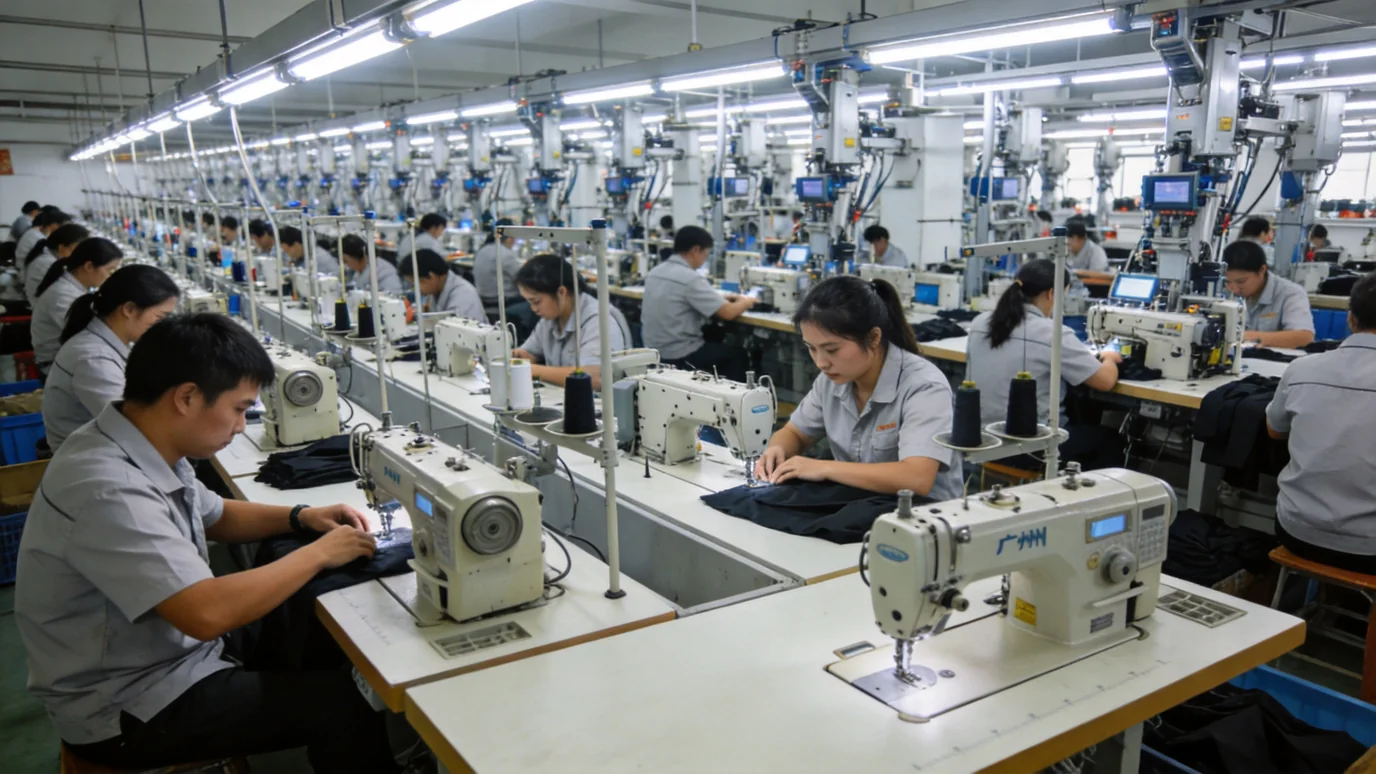
The most valuable manufacturer relationships in China are those that scale with your brand. A factory that handled your first 300-unit order may become the partner for your 3,000-unit production run two years later.
When and How to Increase Order Volumes
Increasing order sizes too quickly can strain a factory’s production planning and cause quality issues. Increasing too slowly leaves efficiency gains on the table. The standard approach: increase by 30-50% per order cycle, with a quality check after each increase.
If the factory handles a 400-unit order well after establishing quality at 300 units, proceed to 550-600 units on the next cycle. If issues appear, hold at the current volume until they resolve.
A factory that has been producing your design consistently can typically scale 2-3x within 6-9 months without quality degradation, provided they have available capacity. Beyond that, the factory may need to add equipment or shifts, which requires longer lead times and volume guarantees.
Introducing New Product Categories to Existing Partners
Existing factory partners are approximately 60% faster at onboarding new product types compared to a new factory. The institutional knowledge — your quality standards, inspection criteria, packaging preferences, and communication style — carries over even when the product changes.
Start with a product type similar to what the factory already produces for you. If they manufacture your knit t-shirts, they can likely handle your knit dresses before they can handle your woven shirts. The factory knows your fit expectations and quality standards, which reduces the sample iteration cycle.
A brand adding a new category with an existing partner typically needs 1-2 sample rounds versus 3-4 with a new factory. Our guide on low MOQ manufacturers for clothing covers how to find factories flexible enough to grow with emerging brands.
Factory Capacity Expansion With Your Brand
Some of the strongest manufacturer relationships in China evolve into situations where the factory expands capacity specifically to serve a growing client. This represents the highest level of partnership commitment. A factory adding 15-20 sewing stations or a dedicated quality control team for your orders signals confidence in your brand’s trajectory.
These arrangements require open communication about your growth forecasts. Share your 12-24 month projections with the factory so they can plan capacity. The factory that knows you plan to grow from 2,000 to 8,000 units over 18 months can hire and train operators, order equipment, and plan floor space. The factory that learns about your growth when you place a surprise 8,000-unit order will struggle to deliver.
Managing Multiple Relationships Strategically
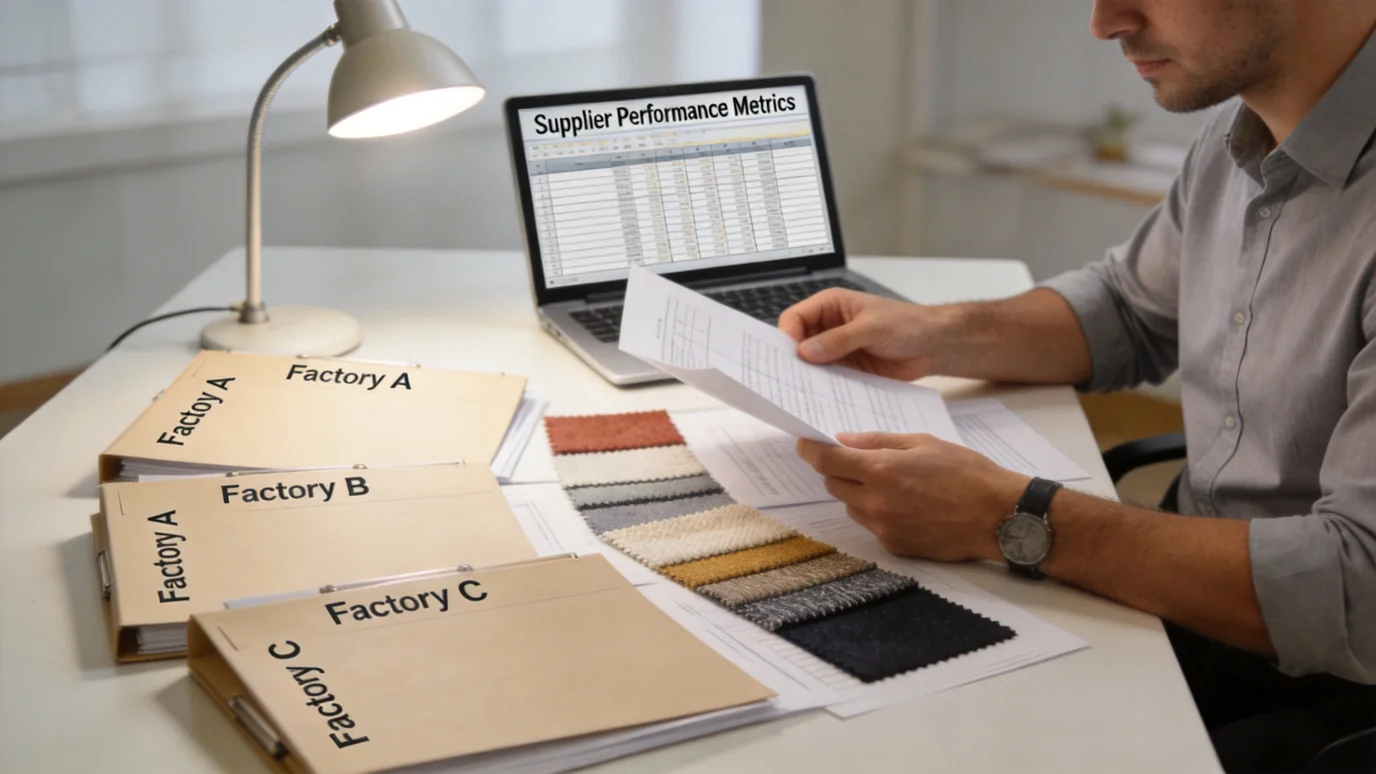
Even the strongest single-factory relationship carries risk. Professional sourcing operations maintain multiple relationships at different depths to ensure continuity and leverage. A structured factory sourcing strategy helps brands build this kind of multi-tier supply chain without overextending their management bandwidth.
Strategie van primaire versus secundaire leveranciers
The standard approach in professional sourcing: a 70/30 split between primary and secondary suppliers. The primary factory receives the majority of orders and benefits from the relationship investments — visits, consistent volume, shared planning. The secondary factory receives smaller orders to maintain an active relationship, ensuring they can scale up quickly if the primary factory encounters problems.
The secondary factory should be genuinely capable of handling full production if needed, not a token relationship. That means placing real orders (not symbolic quantities), maintaining quality standards, and building the same communication habits you have with the primary. A dormant secondary relationship — a factory you emailed once six months ago — provides no real backup when a crisis hits.
How to Avoid Over-Dependence on One Factory
A brand placing 100% of production with one factory has no leverage and no contingency. If that factory raises prices by 20%, the brand has no alternative. If the factory experiences a fire, flood, or labor dispute, production stops completely.
The recommended approach for brands producing 5,000-50,000 units annually: one primary factory (50-70% of volume), one active secondary factory (20-30%), and one development factory for new product testing (5-10%). The development factory relationship is particularly valuable — it allows you to test new product types, experiment with different capabilities, and build a relationship that can scale into a primary or secondary role as your needs evolve.
When to Walk Away — Ending Partnerships Professionally
Not every manufacturer relationship in China is meant to last. Factories change ownership, lose key staff, or shift strategic direction. I have been through two of these transitions myself, and the most valuable lesson was this: how you leave matters as much as how you start. When a relationship is no longer serving either party, ending it professionally preserves future options.
The approach: complete your current orders at full quality, communicate the decision directly (not through a sourcing agent), and explain the business reasons without assigning blame. “Our product direction is changing and we need different capabilities” works better than “Your quality has declined.” Thank the factory for their partnership and leave the door open for future collaboration. The Chinese manufacturing industry is smaller than it appears — factory owners talk to each other, and a professional departure maintains your reputation.
Veelgestelde vragen
How long does it take to build a strong manufacturer relationship in China?
Meaningful partnership typically develops over 12-18 months of consistent ordering, regular communication, and at least one in-person factory visit per year. The first 3-4 orders are the proving ground — factories evaluate whether you are a serious, reliable client during this period.
Can I build a good relationship with a factory I have never visited?
Partially. Remote relationships can function for production but rarely achieve the depth of in-person partnerships. Factories prioritize clients they have met face-to-face. For critical strategic partners, an annual visit is essential.
How many factories should I maintain relationships with?
For a brand producing 10,000-50,000 units annually, maintain active relationships with 2-3 factories. One primary, one secondary backup, and one development partner for new products. For smaller volumes, one primary and one backup is sufficient.
What happens if a long-term partner factory suddenly raises prices?
Call them directly. Price increases in long-term relationships are typically driven by real cost increases — fabric prices, labor rates, regulatory changes. Ask for a breakdown of what changed and negotiate a phased increase rather than a sudden jump. A factory worth keeping will share the cost data.
How do I know if a factory views me as a long-term client?
They invest in your success without being asked. They suggest improvements. They remember your preferences. They offer solutions to problems rather than excuses.
They are transparent about capacity and pricing. If a factory treats every interaction as a negotiation, you are a transaction to them, not a partner.
Verwante producten
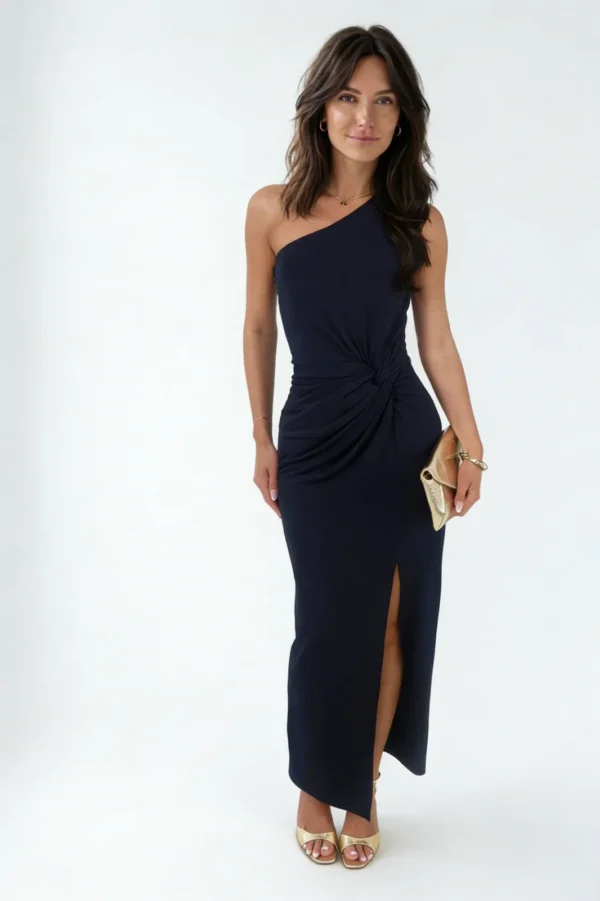
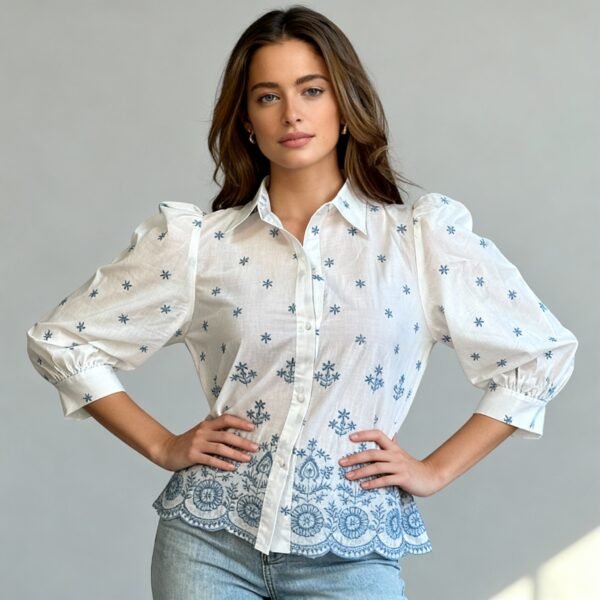
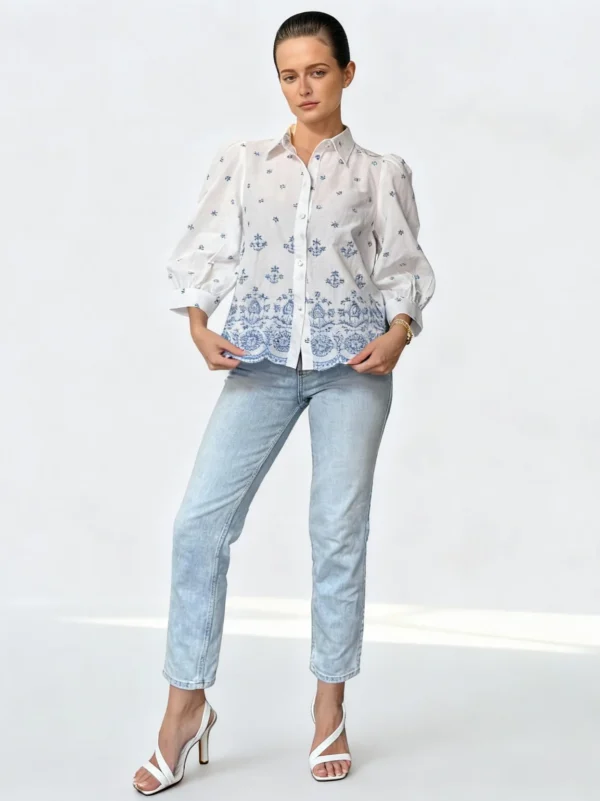
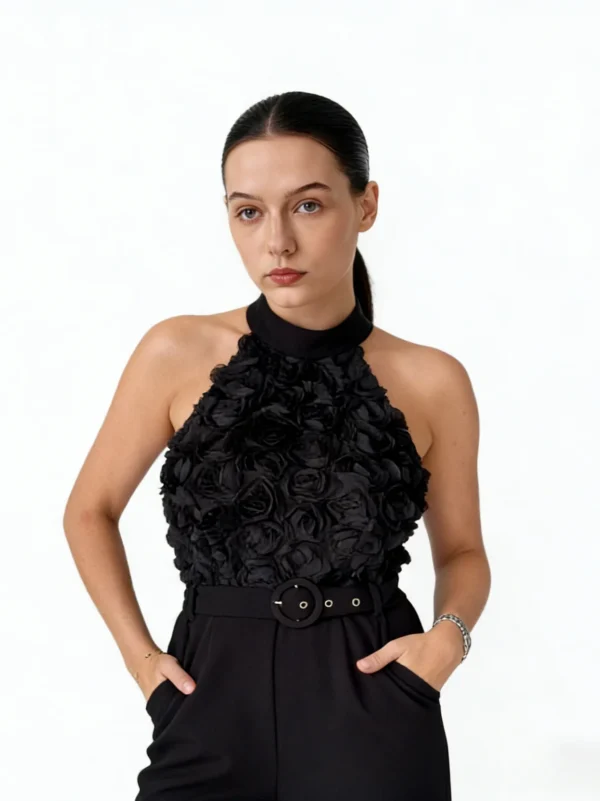
Want to see the types of garments produced through strong manufacturer partnerships? These pieces represent the quality that comes from trusted, long-term relationships with Guangzhou factories:




Conclusie
Building strong manufacturer relationships in China is not about being a friendly person or remembering the factory manager’s name. It is about being a reliable business partner — ordering consistently, paying on time, communicating clearly, treating problems professionally, and growing together over time. The factories that deliver your best production runs are not the ones you negotiated hardest with. Truth be told, they are the ones you have been working with for two years.
The competitive advantage in China sourcing is increasingly shifting from “who has the lowest price” to “who has the strongest relationships.” As labor costs rise and environmental regulations tighten, the factories that survive and thrive will allocate their best capacity to the clients who have proven their commitment. The thing is, if you wait until you urgently need a partner, it is already too late to build one. Start building those manufacturer relationships in China now — before you need them to deliver on a deadline that matters.
Ready to find a manufacturing partner that grows with your brand? Contact Algo Bert Fashion for factory matching, relationship management, and quality control services across Guangzhou and the Pearl River Delta. Explore our complete guide to Chinese clothing manufacturers for more in-depth strategies.
Looking for China manufacturing support? Algo Bert Fashion specializes in helping brands build and maintain strong manufacturer relationships in China. If you’re ready to move beyond transactional sourcing, vraag uw gratis consult aan.




 English (UK)
 Español
 Français
 Deutsch
 Português
 Italiano
 Polski
 Nederlands
 Svenska
 Русский
 Türkçe
 한국어
한국어