Clothing supplier scams cost the global apparel sourcing industry an estimated $2.1 billion in 2024. That’s according to the International Trade Administration’s latest trade fraud report, which also found that first-time buyers account for 68% of successful scams.
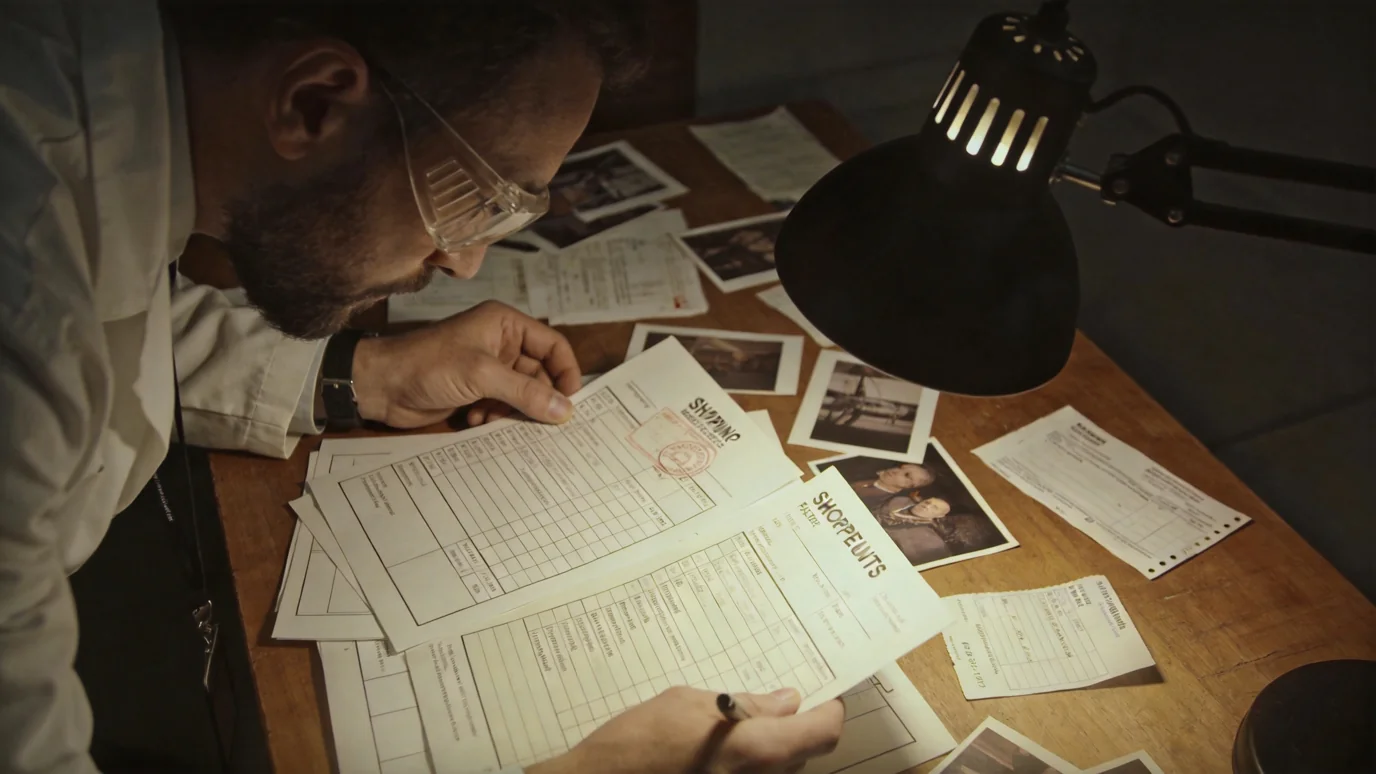
A fashion brand owner from Manchester recently wired $47,000 to a Guangzhou-based supplier. The company vanished the same week-a ghost factory operating with stolen credentials for eight months. These aren’t isolated incidents.
The cost goes far beyond the immediate financial hit. Brands face production delays, missed seasons, and damaged supplier relationships. In some cases, intellectual property theft undermines an entire product line.
This guide is different from the generic red-flag lists you see everywhere. We’ll give you a structured verification framework with comparison tables, real case studies, and specific steps you can use starting today. Each section builds on the last, moving you from spotting warning signs to building relationships that resist fraud.
Índice
Clothing Supplier Scams in 2025: By the Numbers
First, let’s talk numbers. Fraud in apparel sourcing isn’t a niche problem-it’s a systemic risk that hits every sourcing corridor. Understanding the scale helps frame why this guide is so critical.
Global Sourcing Trends and Fraud Rates
The U.S. Small Business Administration estimates sourcing-related fraud costs American fashion brands about $340 million annually. China remains the most-targeted origin, accounting for roughly 55% of reported cases. Bangladesh follows at 14%, and Vietnam at 9%.
Want more detail on the Chinese market? Check our Guía completa de la confección en China. These percentages track with sourcing volume-the more garments a country produces, the more fraudulent operators appear.
Here’s what’s really troubling: the trend is getting worse. Between 2020 and 2025, reported scams jumped by 31%.
Three main factors drive this. There’s the post-pandemic surge in new fashion startups. There’s the shift to digital-only sourcing channels. And, frankly, scam operations are getting much better at replicating legitimate factory documents.
Cost of Fraud to Fashion Brands
Financial damage from a scam rarely stops at the stolen payment. Research from McKinsey shows that for every dollar lost directly, brands incur an additional $2.30 in indirect costs. Think production delays, rush sourcing fees, missed retail windows, and legal bills. A brand that loses $30,000 to a scam could face a total impact exceeding $99,000 once the ripple effects settle.
Small to medium brands take the biggest hit. Unlike large retailers with dedicated compliance teams, emerging fashion businesses often lack the infrastructure for thorough verification. That makes them the primary target.
| Region | Estimated Fraud Rate | Common Scam Types | Verification Difficulty |
|---|---|---|---|
| China (Pearl River Delta) | 12-18% | Ghost factories, payment diversion, IP theft | Medium – most documents accessible via SAMR |
| Bangladesh (Dhaka) | 15-22% | Bait-and-switch quality, false certifications | High – limited digital registry access |
| Vietnam (Ho Chi Minh City) | 8-14% | Sample order scams, capacity inflation | Medium – improving transparency |
| India (Tiruppur) | 5-10% | Quality substitution, delivery delays | Low – established buyer protection norms |
| Turkey (Istanbul) | 3-7% | Pricing bait-and-switch | Low – EU-aligned commercial laws |
These are estimates based on buyer surveys and industry reports. Your mileage may vary, but the pattern is clear: due diligence requirements change drastically by destination.
Core Red Flags in Clothing Supplier Behavior
Spotting a scam starts with knowing what to look for. The red flags below cover the full spectrum of supplier interactions, from first contact to contract signing.
Identity and Registration Red Flags
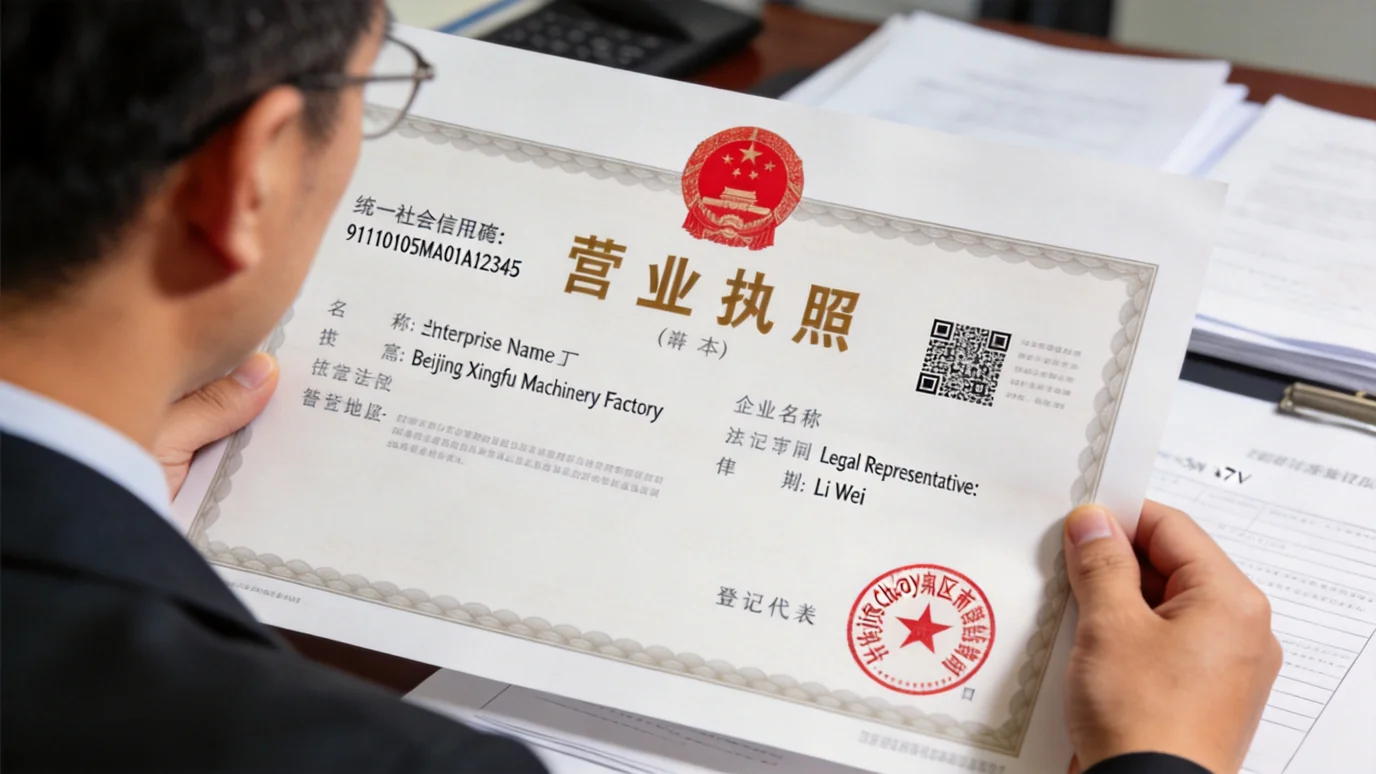
The first, most basic check is whether the supplier is who they claim to be. In China, every legally registered business has a Unified Social Credit Code (USCC)-a government-issued 18-character ID.
If they won’t provide the USCC, walk away. Legitimate factories know buyers need to verify them. Deflection or excuses here are a huge warning sign.
Other identity red flags include:
- Their registration date doesn’t match their story. A supplier claiming 15 years of experience but showing a 2022 registration date demands an explanation. Sometimes legitimate factories operate under older parent companies, but the burden is on them to prove it.
- Their registered capital is suspiciously low. A garment factory producing 50,000 units a month needs significant capital for equipment and materials. A registered capital of 10,000 RMB (about $1,400) doesn’t add up.
- Their business scope excludes manufacturing. If the scope lists only “trading” or “consulting,” you’re dealing with a middleman at best. You need to see garment production listed explicitly.
They create artificial urgency. A supplier insisting you must pay a deposit today to “reserve capacity” is pulling a classic move. Legitimate manufacturers quote prices valid for 15-30 days and don’t pressure for large immediate payments.
They keep shifting communication channels. Moving from Alibaba to WhatsApp to personal email within a week? That’s deliberate. It evades platform tracking and makes verification harder.
They’re vague on technical details. A real factory can discuss fabric weights, stitching techniques, and quality control checkpoints without hesitation. If they can’t describe their production workflow in specific terms, they probably don’t have one.
Payment and Financial Red Flags
Payment terms are where most scams actually happen. The financial transaction is the endgame.
Full payment upfront is a dealbreaker. Standard terms are 30% deposit, 70% against shipping documents-learn more about standard payment terms for clothing manufacturing. Demands for 50% or more upfront warrant extreme caution. Asking for 100% before production is an absolute red flag.
They request payment to a personal account. Legitimate Chinese manufacturers have corporate bank accounts. A personal account request signals a very small unregistered operation or a scam.
They push non-standard payment methods. Be wary of cryptocurrency, third-party wire transfers, or payments to accounts in a different country. These methods exist to complicate recovery if fraud occurs.
Product Quality and Sample Red Flags
Scam suppliers often reveal themselves through their approach to quality and sampling.
Their prices are drastically below market. A quote 40% lower than others for the same spec means they either misunderstand the requirement or plan to deliver something different. The apparel industry runs on thin margins-big price gaps usually signal a problem.
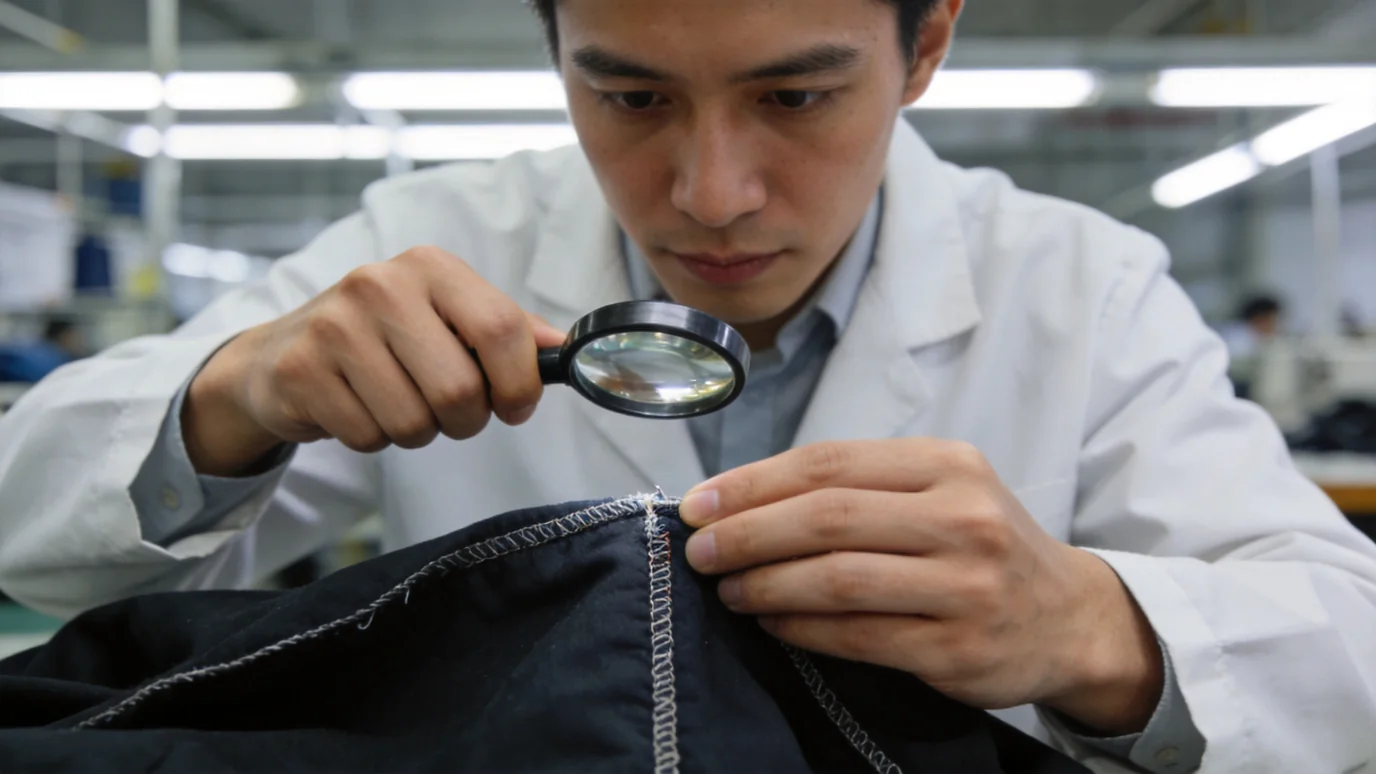
Sample quality doesn’t match production claims. A common scam is the “perfection sample”: an excellent sample from a different factory, followed by substandard bulk goods. Always verify samples come from the same production line you’ll use.
They refuse third-party inspection. Legitimate factories welcome pre-shipment inspection. Refusal is one of the strongest indicators of a scam, as it suggests the finished goods won’t match what you ordered.
Contract and Legal Red Flags
The contract phase is where fraudsters either overplay their hand or show their lack of legal standing.
They resist a written contract. In China, verbal agreements are common domestically, but international buyers must insist on written terms. Resistance here means avoiding accountability.
They demand Chinese-only court jurisdiction. Standard export contracts include neutral arbitration, like CIETAC or HKIAC. Insisting on local courts makes dispute resolution prohibitively expensive for foreign buyers.
How to Verify a Clothing Supplier: Step-by-Step Checklist
You know the red flags. Here’s a practical verification sequence to follow before committing to any supplier.
Step 1: Initial Online Screening
Start before you even make contact. Search their company name plus “scam,” “fraud,” and “complaint” on Google and in industry forums. Check Alibaba’s dispute records if they’re on the platform.
Run a reverse image search on their factory photos. Scam operations frequently steal images from legitimate factories. If multiple factories use the same photos, that’s a definitive red flag.
Step 2: Document and License Verification
Request and verify these documents:
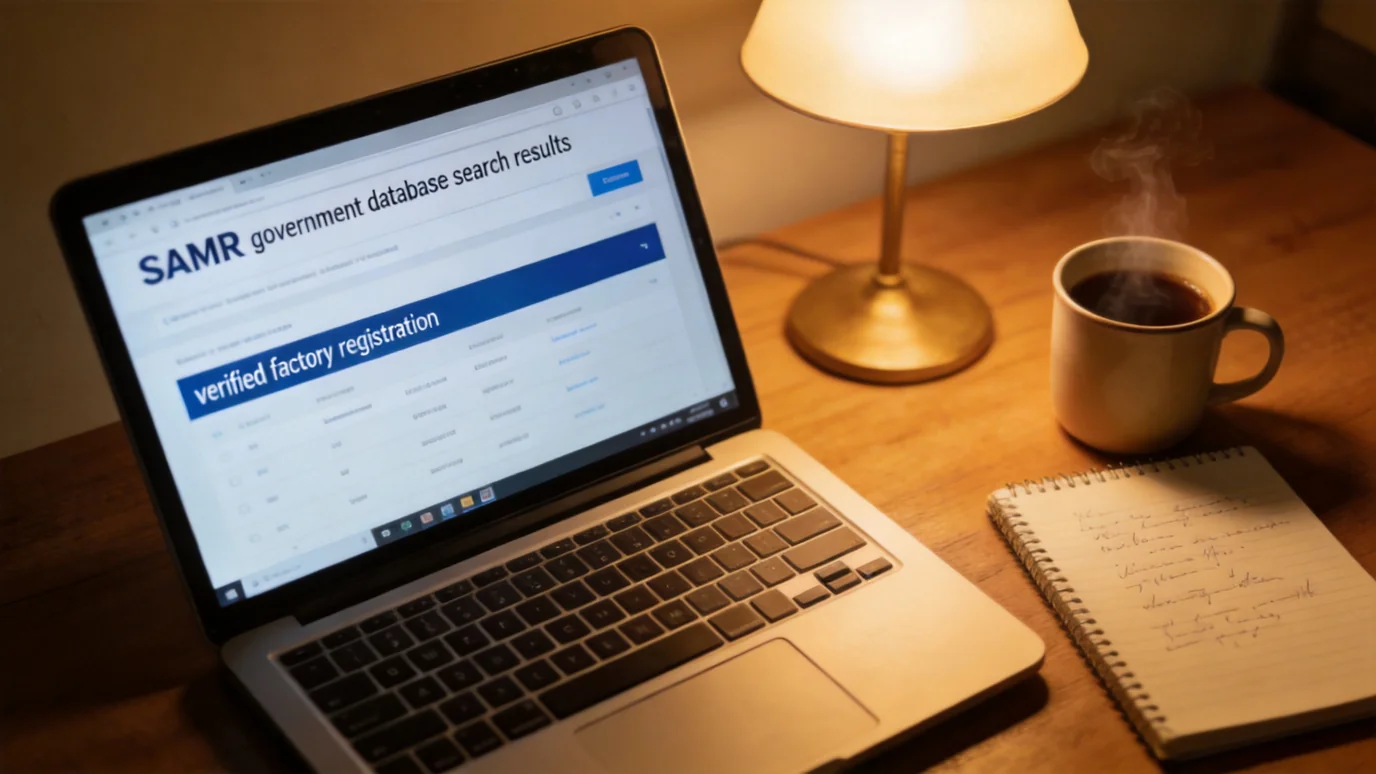
- Business license with USCC number-verify through China’s SAMR database (gsxt.gov.cn)
- Licencia de exportación-confirms authorization for international trade
- Factory ownership or lease agreement-separates real factories from temporary setups
- Previous export records-customs declarations showing consistent activity
The SAMR database is free and provides official registration data. If a supplier hesitates to provide their USCC, they’ve already failed the most basic test.
| Método | Coste | What It Covers | Lo mejor para |
|---|---|---|---|
| Video call factory tour | Gratis | General facility size and activity | Initial screening |
| Local agent visit | $150-300 | Photos, basic capacity assessment | Medium-value orders |
| Professional audit (SOC/FSA) | $800-2,000 | Full compliance, capacity, worker welfare | High-value orders |
| Inspección previa al envío | $350-500 | Quality and quantity verification | Every order |
For first orders, combine a professional audit with pre-shipment inspection. See our guide to factory vetting for clothing brands for more detail.
Step 4: Sample Testing and Quality Control
Order samples and evaluate them against your specs. Send them to an independent lab for fabric verification if the order value justifies it. During bulk production, request periodic reports with dated photos of your garments on the line.
Step 5: Contract Review and Payment Safeguards
Structure your contract with these protective clauses:
- Incremental payment triggers: 20-30% deposit, 30-40% against production report with photos, 30-40% against shipping documents
- Inspection rights: explicit language permitting third-party inspection at any stage
- Resolución de litigios: CIETAC or HKIAC arbitration, not local Chinese courts
- IP protection: clear ownership of designs, patterns, and specifications
For payment, use a letter of credit (L/C) for large orders or Alibaba Trade Assurance for platform-sourced suppliers. Both provide intermediary protection.
Case Studies: Real Clothing Supplier Scams Uncovered
Understanding how scams actually unfold is the best defense.
Case Study 1: The Ghost Factory in Guangdong
A UK-based womenswear brand found a supplier on Alibaba with 200+ listings, a Gold Supplier badge, and a modern factory on Google Maps. The owner flew to Guangzhou for a visit. The address led to a residential apartment building. The phone number was disconnected.
What went wrong? The brand skipped video verification and didn’t check the SAMR database before booking travel. The supplier registered the account with stolen documents from a factory that had closed two years earlier.
Lección aprendida: Never visit without first verifying the factory exists. A simple video call asking for a walk-through would have revealed the fraud immediately.
Case Study 2: The Bait-and-Switch on Alibaba
An Australian activewear brand ordered 5,000 compression leggings. The samples were excellent-correct weight, precise stitching. The bulk shipment arrived three months late with cheaper, lighter fabric. The supplier blamed a “mill error” and offered a 10% refund.
What went wrong? The samples were produced by a different supplier. The scam operation maintained a small sampling workshop while outsourcing bulk production cheaply.
Lección aprendida: Request samples randomly selected from your actual production batch. Use pre-shipment inspection to verify bulk goods before they leave the factory.
Case Study 3: The Payment Fraud in Sample Orders
A US-based denim brand paid $3,800 for samples to a supplier found through an agent. After five months, they received one sample. The supplier then demanded $8,000 more for “tooling costs.” When the brand refused, the supplier vanished.
What went wrong? Payment went through an unsecured wire to a personal account. There was no contract specifying costs, timelines, or what happens if the project stalled.
Lección aprendida: Structure sample orders with clear deliverables. Use secure payment methods and never pay more than 50% upfront.
Tools and Resources for Supplier Verification
Several tools can help you verify suppliers before committing significant resources.
Government and Registry Tools:
- SAMR National Enterprise Credit Information System (gsxt.gov.cn)-free China business registration verification. Our guide on how to verify clothing factories in Guangzhou walks through this process.
- U.S. Customs and Border Protection Import Alerts-check for flagged suppliers.
- World Bank’s Debarred Firms List-identifies excluded companies.
Third-Party Inspection Services:
- Bureau Veritas-full factory audits and product inspections
- SGS-comprehensive quality and compliance verification
- QIMA-specialized in apparel and textile supply chain audits
Technology Solutions:
- SAMR registry lookup services with English-language interfaces
- Factory mapping tools that cross-reference addresses with satellite imagery
- Blockchain traceability platforms tracking fabric from mill to finished garment
Preguntas frecuentes
What are the most common types of clothing supplier scams?
Common scams include ghost factories using stolen credentials, bait-and-switch tactics where samples are high quality but bulk production is substandard, and payment fraud demanding large upfront sums or wire transfers to personal accounts. Scammers may also inflate their production capacity or use fake certifications to appear legitimate. The key is they rely on pressure and opacity, rushing you past standard verification steps that a real manufacturer would have no problem with.
How can I verify a clothing supplier’s credentials before placing an order?
You should start by requesting their official business documents, like the Chinese USCC code, and verify it through a government registry like SAMR. Then, conduct a video call to visually inspect the factory floor. For high-value orders, hiring a third-party audit firm is crucial. They will verify capacity, compliance, and production processes, providing an unbiased report that photos and calls alone cannot guarantee.
How much does professional supplier verification typically cost?
Third-party verification is a small investment compared to potential losses. A basic local agent visit may cost around $150-$300, while a comprehensive factory audit (like an FSA or SOC report) ranges from $800 to $2,000. Pre-shipment inspections for each order usually run $350-$500. Considering the average scam costs tens of thousands in direct and indirect losses, these fees are considered essential operational insurance.
Why should I use a third-party inspection service instead of just relying on online reviews?
Online reviews and platform badges can be fabricated or misleading. A third-party inspector provides an objective, on-the-ground assessment of the factory’s actual conditions, worker welfare, and production line. They can verify that the facility you see on a video call is the same one producing your goods and check for issues like unsafe practices or capacity shortfalls that aren’t visible in marketing materials.
What are the benefits of using a government database to check a supplier?
Using official databases like China’s SAMR gives you unfiltered, legal registration data directly from the government. It confirms the supplier is a legally recognized entity, shows their registered capital, and outlines their authorized business scope. This simple step filters out countless scams immediately, as fraudulent operations often lack proper registration or have scopes that exclude manufacturing altogether.
How can I structure payments to protect myself from supplier fraud?
Never pay 100% upfront. A secure structure is a 20-30% deposit to begin production, followed by incremental payments tied to verified milestones, like production reports with photos. The final balance should be paid only after you’ve arranged a third-party pre-shipment inspection and received all shipping documents. For extra security on large orders, use a Letter of Credit or a platform’s trade assurance program.
How can I protect my intellectual property when working with a new supplier?
Before sharing detailed designs, have a supplier sign a Non-Disclosure Agreement (NDA). In China, it’s highly recommended to register your copyrights and trademarks with the relevant authorities to strengthen your legal standing. Consider releasing design specs in phases and use digital watermarking on tech packs. Building a relationship through smaller initial orders also helps test a supplier’s reliability before sharing core IP.
Conclusion: Building a Fraud-Proof Sourcing Strategy
Avoiding scams isn’t about perfect paranoia. It’s about replacing intuition with a repeatable verification process.
The red flags here are indicators, not proof. One or two signs might still be legitimate. Five or more across different categories almost certainly mean trouble.
The most effective protection is structural. Build verification into your workflow so it becomes automatic. Every supplier, regardless of recommendation or platform status, should pass the same five-step process. This consistency separates professional operations from those that get scammed.
Fraud keeps evolving, with scammers getting better at faking documents. But the fundamental defense hasn’t changed: verify before you trust, inspect before you pay, and structure contracts to protect both parties.
¿Busca apoyo para la fabricación en China? Algo Bert Fashion se especializa en ayudar a las marcas internacionales a navegar por las fábricas de ropa chinas, desde el desarrollo de muestras hasta el control de calidad. Si está listo para explorar la producción en Guangzhou, schedule a factory visit consultation
 English (UK)
 Español
 Français
 Deutsch
 Português
 Italiano
 Polski
 Nederlands
 Svenska
 Русский
 Türkçe
 한국어
한국어