
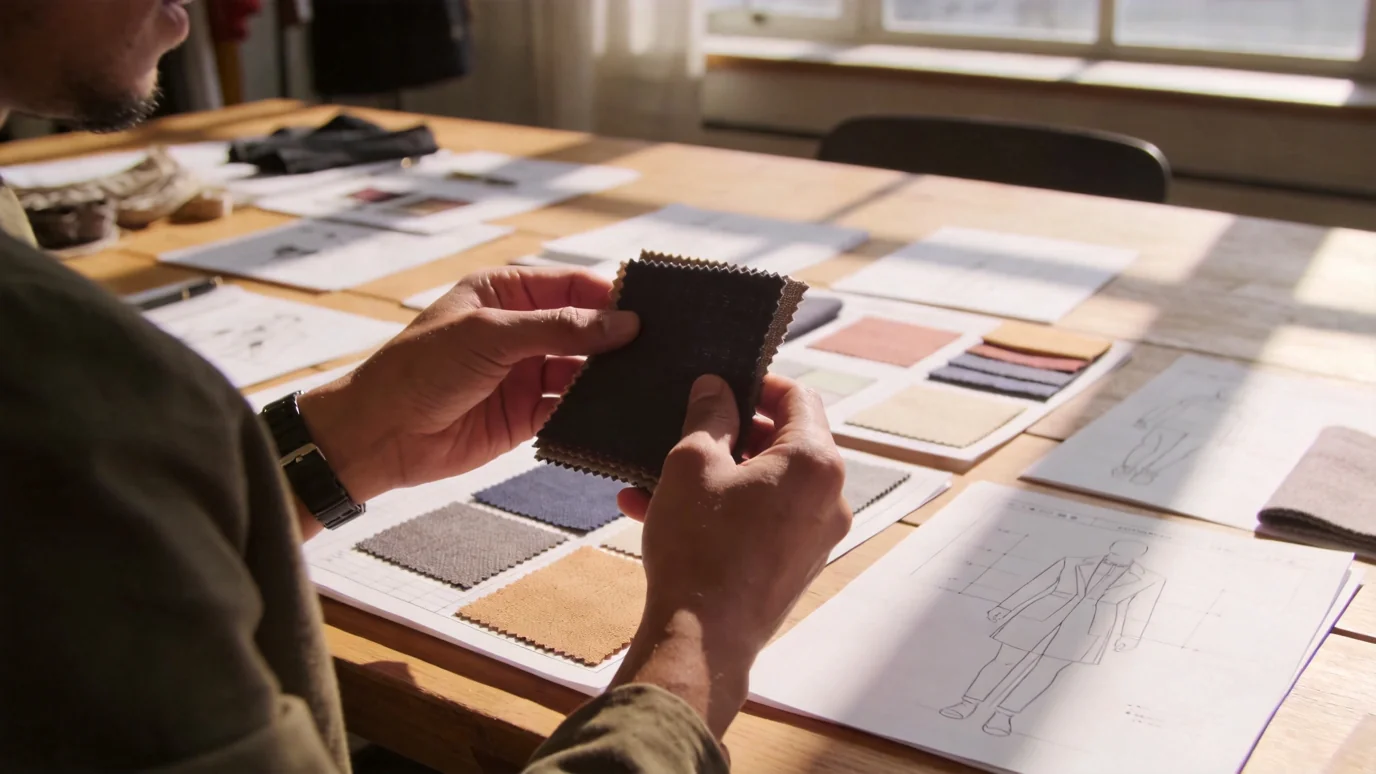
A founder from Manchester recently told me she spent GBP 8,000 on her first production run. Every piece arrived with crooked seams, mismatched dye lots, and sizing that was two inches off spec. The factory blamed her tech pack. She had no recourse. That GBP 8,000 was gone.
Stories like hers are not rare. According to McKinsey’s State of Fashion 2025 report, roughly 60% of new fashion brands fail within the first three years, and manufacturing problems are among the top three causes cited by founders who shut down. The gap between having a design idea and delivering a production-ready garment is wider than most first-time buyers expect.
Before custom clothing production begins, you need a clear roadmap. I have broken this down into ten sections, each with specific numbers, real examples from brands I have worked with, and checks you can run yourself. By the end, you will have a readiness scorecard that tells you exactly where you stand.
Table of Contents
1. Financial Readiness: Budgeting Beyond the Unit Price
Cash Flow Planning for Production Cycles
Ever wonder why a quote that looks perfectly reasonable turns into a cash crunch three months later? The single biggest mistake I see first-time buyers make is calculating their budget based only on the per-unit manufacturing cost.
A garment quoted at USD 8.50 per piece at 500 units comes to USD 4,250. But the actual cash requirement before you receive inventory is typically 2.5x to 3x that figure.
Take the experience of a UK brand that launched a capsule collection in 2024. Their factory quoted GBP 6.20 per unit for 800 t-shirts. They budgeted GBP 4,960. By the time they paid for sample development (GBP 480), fabric testing (GBP 200), a pre-production sample (GBP 320), shipping and duties (GBP 1,100), and packaging (GBP 750), their total cash outlay reached GBP 7,810. They had not budgeted for the 8-week gap between paying the 50% deposit and receiving sellable inventory.
Hidden Costs Breakdown
Here is a realistic cost framework for a first order of 500 units:
| Cost Category | Estimated Amount | When It Hits |
|---|---|---|
| Tech pack development | USD 200 – 600 | Week 1 |
| Sample development (2 rounds) | USD 400 – 800 | Weeks 2-4 |
| Fabric and trim sourcing | USD 1,500 – 3,500 | Week 4 |
| Bulk production deposit (50%) | USD 2,000 – 5,000 | Week 6 |
| Third-party quality inspection | USD 300 – 600 | Week 10 |
| Shipping and insurance | USD 600 – 2,000 | Week 11 |
| Import duties and taxes | 10-20% of total value | Week 12 |
| Packaging and labeling | USD 400 – 1,000 | Week 12 |
| Total estimated cash requirement | USD 5,500 – 13,500 | Weeks 1-12 |
Investment Timeline and ROI Projections
If your target retail price is USD 45 per unit and your landed cost per unit (all-in) is USD 16, your gross margin sits at 64%. At 500 units, that is USD 22,500 in potential revenue against USD 8,000 in total cost. The math works on paper. The trap is timing: you need the cash upfront, and the revenue arrives 3-5 months later. Plan your cash runway accordingly.
For a deeper breakdown of production costs, read our guide to clothing manufacturing costs.
2. Documentation Excellence: Building a Tech Pack That Actually Works
What to Include in a Tech Pack
A tech pack is the single most important document you will create. Factories rely on it to quote, source materials, cut fabric, and sew your garment. If your tech pack is incomplete, the factory fills in the blanks – and you may not like their assumptions.
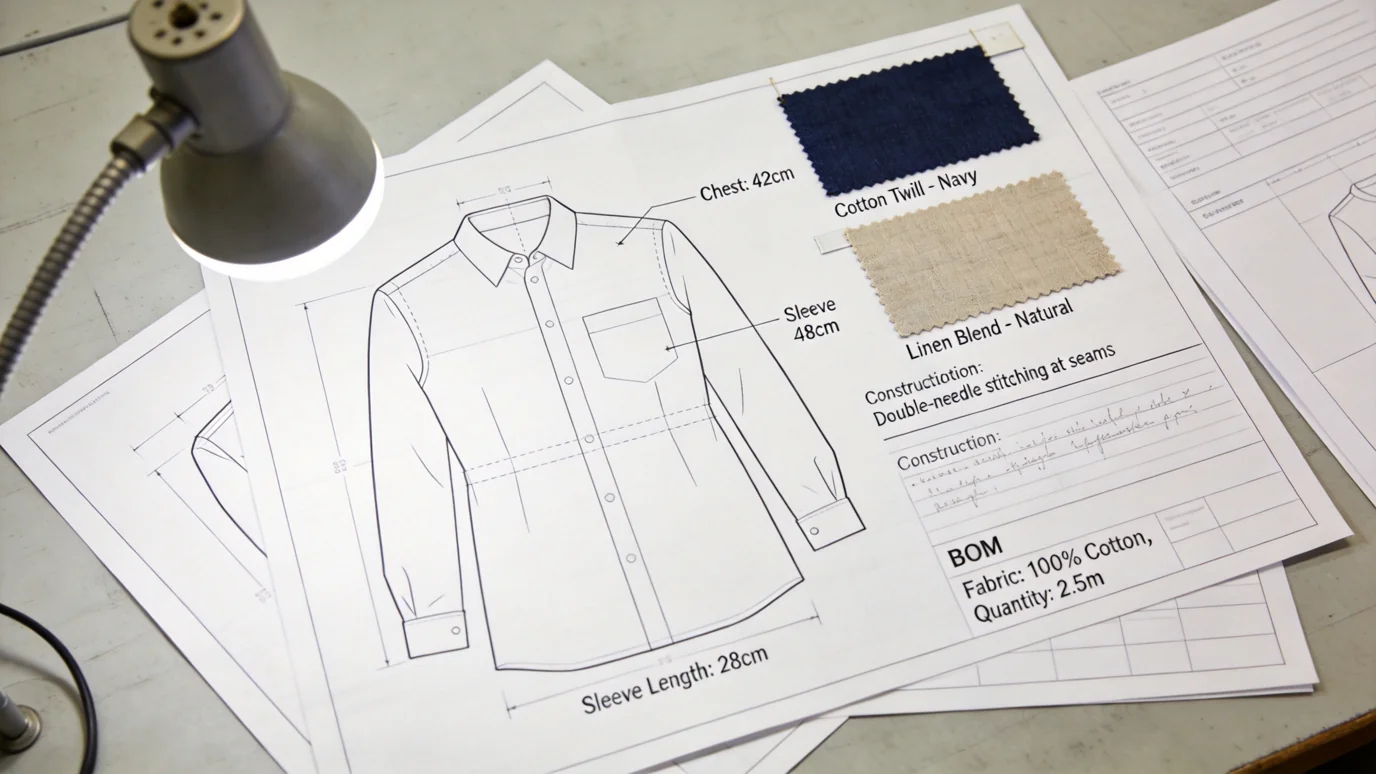
A complete tech pack includes:
- Flat sketch with front, back, and detail views (side seams, pocket placement, stitching lines)
- Measurement spec sheet with tolerances for every size (e.g., chest: 52 cm +/- 0.5 cm)
- Bill of Materials (BOM) listing every component: fabric type, thread, zippers, buttons, labels, care tags
- Color references using Pantone numbers, not screen grabs or hex codes
- Construction details specifying stitch type (e.g., double-needle coverstitch), seam finish, and reinforcement points
- Size grading rules showing how measurements scale across sizes
Common Mistakes in Tech Pack Creation
The most frequent error I see is omitting tolerance ranges. A factory in Guangzhou once received a tech pack that specified a chest measurement of 54 cm with no tolerance. The production team interpreted this as +/- 0 cm. Every garment that measured 54.3 cm was flagged as defective. The entire 300-piece order was delayed by two weeks while the brand and factory argued over 0.3 cm.
Vague fabric descriptions cause just as many problems. Writing “cotton jersey” is not enough. Specify the GSM weight (e.g., 180 GSM), the fiber composition (e.g., 95% cotton, 5% elastane), the yarn count (e.g., 30 singles), and the finish (e.g., enzyme wash).
If you have never built a tech pack before, start with our complete clothing tech pack guide which includes a downloadable template.
3. Material Sourcing: Fabric, Trims, and the Data Behind Good Choices
Fabric Selection Criteria
Fabric typically accounts for 50-65% of your total garment cost. Choosing the wrong fabric can destroy your margins or ruin your product quality.
Here is a comparison of commonly used fabrics in custom clothing production:
| Fabric | Typical Cost (per yard) | Common GSM Range | Best For | Durability Rating |
|---|---|---|---|---|
| Cotton jersey | USD 3-6 | 150-200 | T-shirts, dresses | Moderate |
| French terry | USD 5-9 | 220-320 | Hoodies, sweatshirts | High |
| Cotton poplin | USD 4-7 | 100-150 | Shirts, blouses | Moderate |
| Polyester microfiber | USD 2-4 | 80-120 | Activewear, linings | High |
| Linen | USD 7-12 | 130-200 | Summer dresses, shirts | Moderate |
| Denim | USD 6-10 | 300-450 | Jeans, jackets | Very high |
Sourcing from Verified Suppliers
According to Textile Exchange’s 2025 Materials Market Report, the global preferred fiber market (organic cotton, recycled polyester, etc.) grew 12% year-over-year. If sustainability is part of your brand story, certified materials are becoming easier to source – but they also add 15-30% to your fabric cost.
When sourcing fabrics, request a physical swatch before committing. A digital image can hide flaws in hand feel, drape, and color accuracy. China’s Zhongda Fabric Market in Guangzhou houses over 10,000 fabric vendors across 50 buildings, making it one of the largest fabric sourcing destinations in the world. For a practical guide, see how to source fabric from China.
4. Production Planning: MOQ, Timelines, and Managing Risk
Understanding MOQ Variations
Minimum order quantities vary dramatically by factory type and product complexity. Here are typical MOQ ranges:
| Production Type | Typical MOQ | Lead Time | Cost per Unit (relative) |
|---|---|---|---|
| Cut-Make-Trim (CMT) | 300-1,000 units | 6-10 weeks | Low |
| Full package (OEM) | 200-500 units | 8-14 weeks | Medium |
| Private label (ready patterns) | 100-300 units | 6-10 weeks | Medium-high |
| Small batch specialist | 50-150 units | 8-12 weeks | High |
Here is the thing about small MOQs: they are not always the worse deal financially. While the unit price is higher at lower quantities, the total risk is lower.
A brand that orders 100 units at USD 18 each risks USD 1,800. A brand that orders 1,000 units at USD 8.50 each risks USD 8,500. If the product does not sell, the lower MOQ strategy loses less money.
Lead Time Benchmarks by Country
Production lead times vary significantly by manufacturing hub. Based on industry data from 2025-2026:
- China (Guangzhou / Pearl River Delta): 8-14 weeks including shipping to Europe/US
- Vietnam: 10-16 weeks (smaller fabric ecosystem)
- Portugal: 6-10 weeks (faster shipping to Europe)
- Turkey: 6-10 weeks (fast shipping to Europe)
- USA: 4-8 weeks (onshore, but 3-5x per-unit cost)
For a detailed comparison of manufacturing destinations, see our Guangzhou vs Shenzhen clothing manufacturing guide.
Supply Chain Risk Management
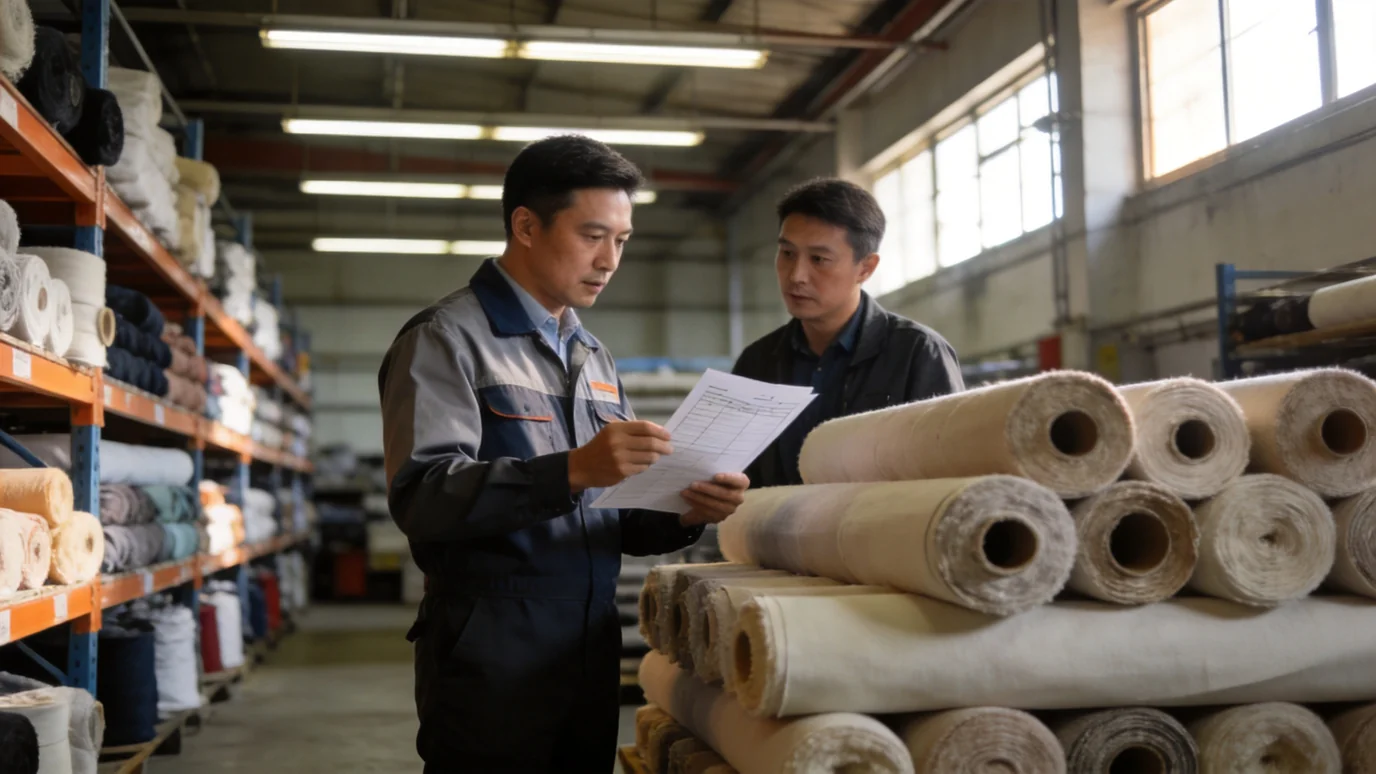
Pandemic-era disruptions taught the industry a hard lesson. Brands that relied on a single factory or a single country for production were hit hardest. A 2024 survey by the International Apparel Federation found that 43% of brands now maintain approved supplier lists in at least two countries. Even if you start with one factory, identify a backup before you need one.
5. Quality Assurance: Pre-Production Checks and Compliance Standards
The Pre-Production Meeting (PPM)
Before any fabric is cut, hold a pre-production meeting with your factory. This should cover:
- Confirmation of all specs against the approved sample
- Fabric and trim availability and quality
- Production timeline with milestone dates
- Quality checkpoints (incoming, in-process, final)
- Communication protocol (who approves what, how quickly)
AQL Inspection Standards
The Acceptable Quality Limit (AQL) is the industry standard for garment inspection. A typical AQL of 2.5 means that in a random sample of 315 units, up to 10 defective units are acceptable. For premium brands, an AQL of 1.0 or even 0.65 is common.
Do not rely on the factory’s own quality team for final inspection. A third-party inspector, costing approximately USD 300-600 per visit, provides an independent assessment. They check measurements against spec sheets, seam strength, color consistency, labeling accuracy, and packaging quality.
Remember that quality issues found before shipping are fixable. Issues discovered after delivery are losses. This is why experienced buyers treat pre-production checks as a non-negotiable part of their before custom clothing production process.
I have covered the essentials here, but there is a lot more to say about catch quality issues before they cost you money. Our clothing quality control guide goes deeper into specific inspection protocols.
6. Legal and Compliance: Contracts, IP Protection, and Regulations
Essential Clauses in Manufacturing Contracts
Your manufacturing agreement should include:
- Specification attachment: The approved tech pack and sample become part of the contract
- Quality standard: Define AQL level, measurement tolerances, and defect definitions
- Timeline with penalties: Specify delivery dates and consequences for delays
- Payment terms: Deposit percentage, milestone payments, final payment on inspection approval
- Dispute resolution: Governing law and arbitration location (crucial for cross-border deals)
Protecting Intellectual Property
Register your designs in both your home country and in China if manufacturing there. Design registration in China takes 3-6 months and costs approximately USD 200-500 per design. Without it, enforcing design rights against a Chinese factory that produces extra units for another buyer is extremely difficult.
A Guangzhou factory owner once told me directly: “If a brand does not register their design here, I treat it as unowned. The law agrees.” That is not a threat – it is a statement about how legal protection works in practice.
Read more about legal protections in our working with Chinese clothing manufacturers guide.
Import and Customs Compliance
Every country has specific labeling, fiber content disclosure, and safety testing requirements. The US CPSC requires children’s sleepwear to meet flammability standards (16 CFR Part 1610). The EU requires CE marking for certain categories. Failing to comply means your goods may be seized or destroyed at customs. Budget for compliance testing, which typically costs USD 200-800 per style.
7. Supplier Evaluation: How to Choose the Right Manufacturer
Questions to Ask Before Committing
Before you send a deposit, get clear answers to these questions:
- What is your minimum order quantity per style and per color?
- What is your typical lead time from sample approval to shipment?
- Can you provide references from three brands similar to mine?
- What certifications do you hold (ISO, OEKO-TEX, BSCI)?
- How do you handle quality disputes?
- What is your policy on overproduction and underproduction?
- Can you accommodate rush orders or split shipments?
Red Flags in Manufacturer Communication
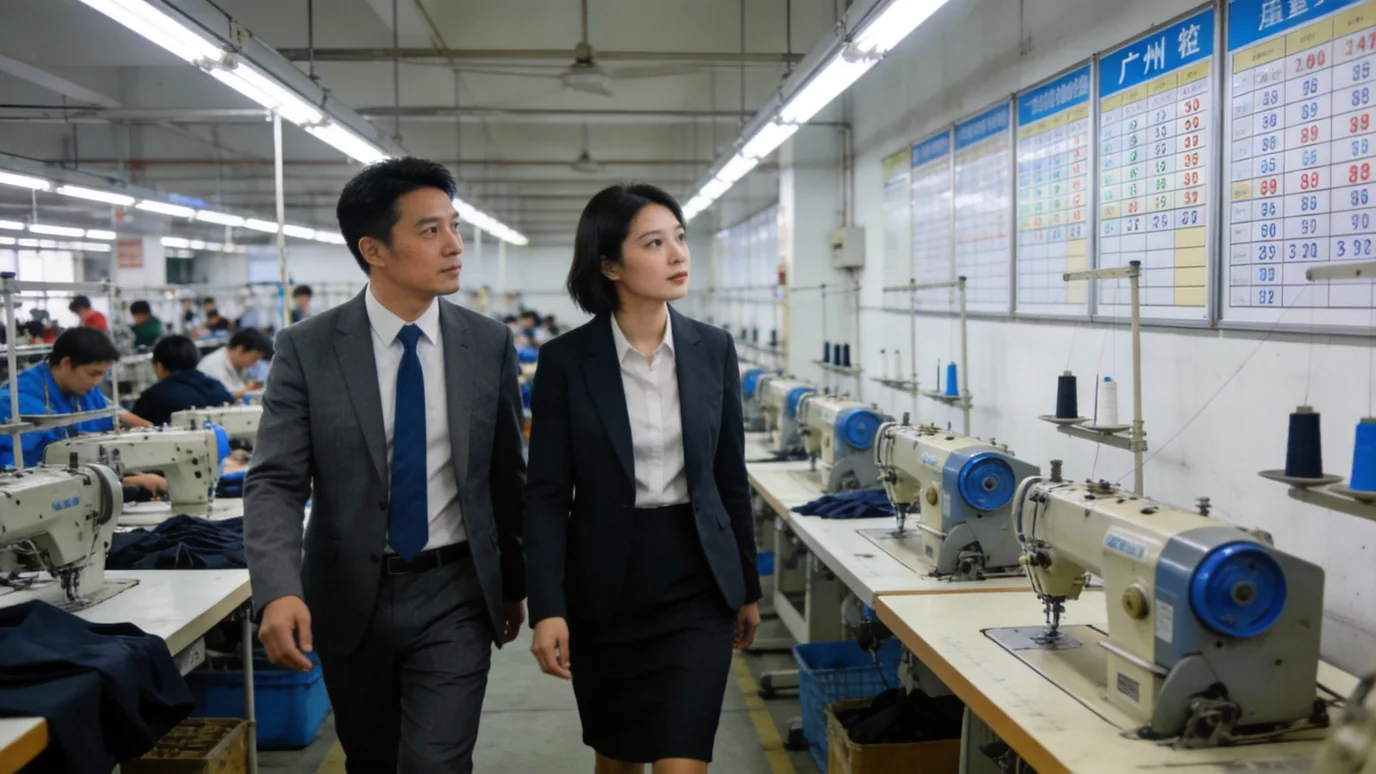
Through years of working with factories across Guangzhou and the Pearl River Delta, certain patterns signal trouble:
- Vague answers to technical questions: A factory that cannot explain their stitch count or fabric shrinkage standards likely lacks production control
- Pressure to pay 100% upfront: Standard terms are 30-50% deposit, balance on inspection or shipment
- Guarantees that seem too easy: No factory can promise zero defects or perfect color matching across dye lots
- Reluctance to sign a written agreement: Verbal-only arrangements are a major risk
Using Verified Platforms
Platforms like Maker’s Row (US-focused) and in-person visits to trade shows such as Intertextile Shanghai help you verify factories before committing. Hands-on evaluation beats any online assessment. Taking the time to properly evaluate a factory is one of the highest-leverage activities you can do before custom clothing production begins. For a vetting framework, see our factory vetting guide for clothing brands.
8. Payment Terms and Financial Protection
Standard Payment Structures
The most common payment arrangement in cross-border clothing manufacturing is a 50% deposit with the order and 50% upon inspection approval before shipment. Some variations:
- Established relationships: 30% deposit, 70% on shipment
- First-time orders: 50% deposit, 50% on inspection (negotiate this)
- Small orders under USD 3,000: Some factories require 100% upfront
Payment Methods
| Method | Speed | Cost | Buyer Protection |
|---|---|---|---|
| T/T wire transfer | 1-3 days | USD 25-50 per transfer | Low |
| Letter of Credit (L/C) | 3-5 days | 0.5-1.5% of value | High |
| PayPal | Instant | 4.4% + fixed fee | Moderate |
| Alibaba Trade Assurance | Varies | 0.5-2% | Moderate |
T/T is the most common method despite offering the least protection. For first orders, a confirmed letter of credit or Alibaba Trade Assurance provides better safeguards. Read more about payment options in payment terms for clothing manufacturing.
9. Common Pitfalls: What Actually Goes Wrong
Real Failure Patterns
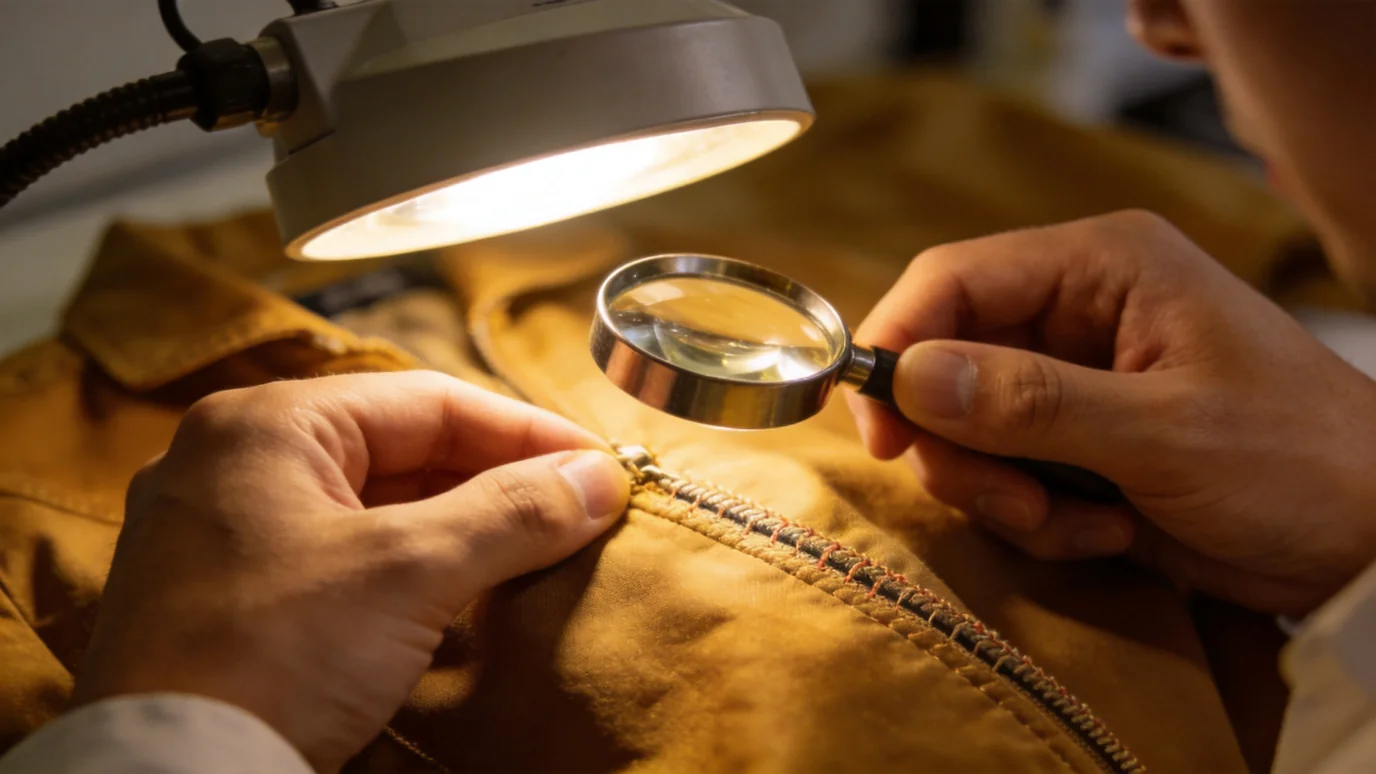
A Los Angeles brand I am familiar with rushed their first order to hit a holiday deadline. They skipped the pre-production sample, approved a proto sample that was “close enough,” and ordered 2,000 units. When the shipment arrived, the color matched the proto sample but not the Pantone reference in the tech pack. The factory had substituted a cheaper dye. The brand sold 300 units at a discount and donated the rest. Total loss: approximately USD 28,000.
The most common failure patterns I have seen across dozens of startup brands are:
| Pitfall | Frequency | Typical Cost Impact |
|---|---|---|
| Incomplete tech pack | Very high | 15-30% over budget from rework |
| Skipping pre-production sample | High | 20-50% defect rate in bulk |
| Underestimating timeline | Very high | Missed season = 40-60% of inventory sold at discount |
| No third-party inspection | Medium | 10-25% defects in shipment |
| Verbal-only agreements | Medium | No legal recourse for quality failures |
How to Pivot When Problems Arise
If production goes wrong, act immediately. The longer you wait, the more leverage you lose.
Document everything with photos and written correspondence. Request a stop-work order if issues are systemic. Offer to split the cost of correction if the fault is shared. Factories that value long-term relationships will negotiate. Those that refuse are not partners you want to continue with anyway.
10. Before Custom Clothing Production: Your Readiness Scorecard
Before you send a deposit, run through this scorecard. Give yourself one point for each item you can check off:
Financial Readiness (3 points)
- [ ] Total cash requirement calculated (not just unit cost)
- [ ] 30% buffer included for unexpected costs
- [ ] Cash runway covers 12+ weeks until inventory is sellable
Documentation (3 points)
- [ ] Complete tech pack with measurement tolerances and BOM
- [ ] Approved proto sample matching all specs
- [ ] Pre-production sample approved
Material Sourcing (2 points)
- [ ] Fabric sourced and tested (GSM, shrinkage, colorfastness)
- [ ] Trims, labels, and packaging ordered or confirmed
Supplier Readiness (3 points)
- [ ] Factory verified (visit, video call, or trusted platform)
- [ ] Written contract signed with clear terms
- [ ] Third-party inspector identified and booked
Legal and Timeline (2 points)
- [ ] Design registered in manufacturing country
- [ ] Compliance requirements confirmed for target market
Score: 0-5 = Not ready. Go back and fill the gaps before any deposit.
Score: 6-9 = Getting there. Address the missing items, then proceed.
Score: 10-13 = Ready. You have a realistic plan. Move forward with confidence.
Sample development is often the most overlooked step in the rush to production. A proper sample process catches issues before they become bulk problems. Start with our guide to sampling vs bulk production.
Frequently Asked Questions
What is the minimum budget I need for custom clothing production?
For a first run of 100-500 units, plan for USD 5,500 to USD 13,500 in total cash outlay. That covers everything from tech pack development and sampling through to shipping and duties. The per-unit price you see from a factory is only about 35-40% of your total cash requirement. Budget a 30% buffer on top of your estimated costs because unexpected charges always appear.
How do I create a tech pack if I have never done one before?
Start with a flat sketch of your design from front, back, and detail angles. Add a measurement spec sheet with tolerances for every size point. List every material and trim in a bill of materials. Use Pantone numbers for colors rather than screen captures. If that feels overwhelming, many brands hire a freelance tech pack specialist for USD 200-600. It is money well spent.
What MOQ should I expect as a first-time buyer?
First-time MOQs typically range from 200 to 500 units per style for full-package production. Small-batch specialists may accept 50-150 units. The right MOQ depends on your budget, your confidence in the design, and how much inventory risk you can carry. A higher MOQ lowers your per-unit cost but raises your total risk if the product does not sell.
How many sample rounds are normal before bulk production?
Plan for two to three sample rounds. The first proto sample checks fit and construction. The second incorporates revisions. The pre-production sample (often called the SMS or gold seal sample) confirms everything before bulk cutting. Each round takes 1-2 weeks. Rushing through samples is one of the most expensive shortcuts you can take.
Do I need third-party quality inspection for my first order?
Yes. Factory self-inspection is not enough, especially for your first order. A third-party inspector costing USD 300-600 per visit provides an independent assessment of measurements, seam quality, color consistency, and labeling accuracy. They catch problems while the factory can still fix them, rather than after your shipment arrives.
How do I protect my designs when manufacturing overseas?
Register your design in the manufacturing country – this is the only way to get enforceable protection. In China, design registration costs about USD 200-500 and takes 3-6 months. Also sign a non-disclosure agreement with your factory and include clear IP clauses in your manufacturing contract. Without registration, enforcing design rights is very difficult.
What is the most common reason first production runs fail?
Incomplete tech packs are the number one cause. When your tech pack leaves out tolerances, fabric specifications, or construction details, the factory fills the gaps with their own assumptions. Those assumptions rarely match your expectations. The second most common cause is skipping the pre-production sample approval step to save time.
Related Products
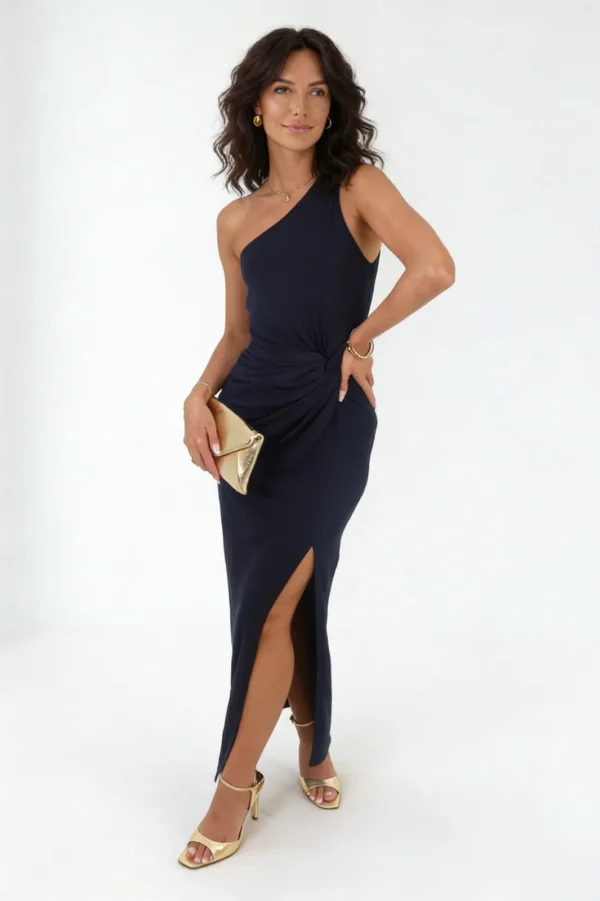
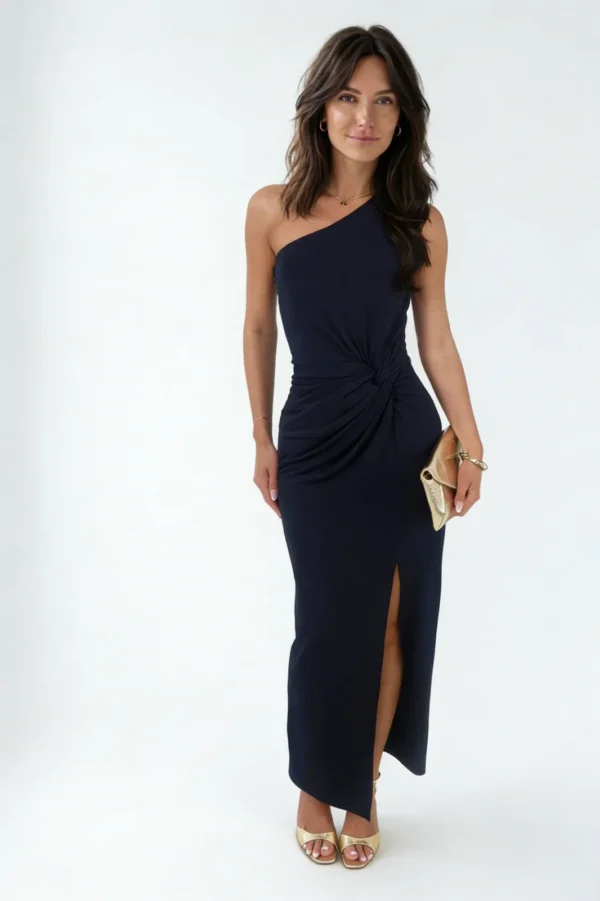
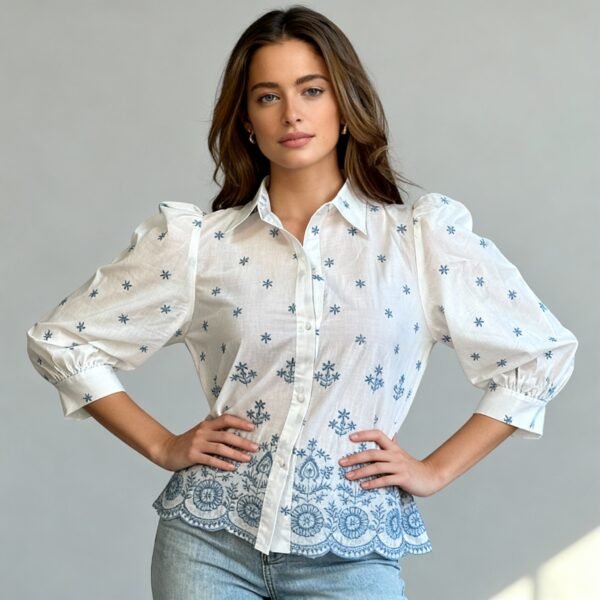
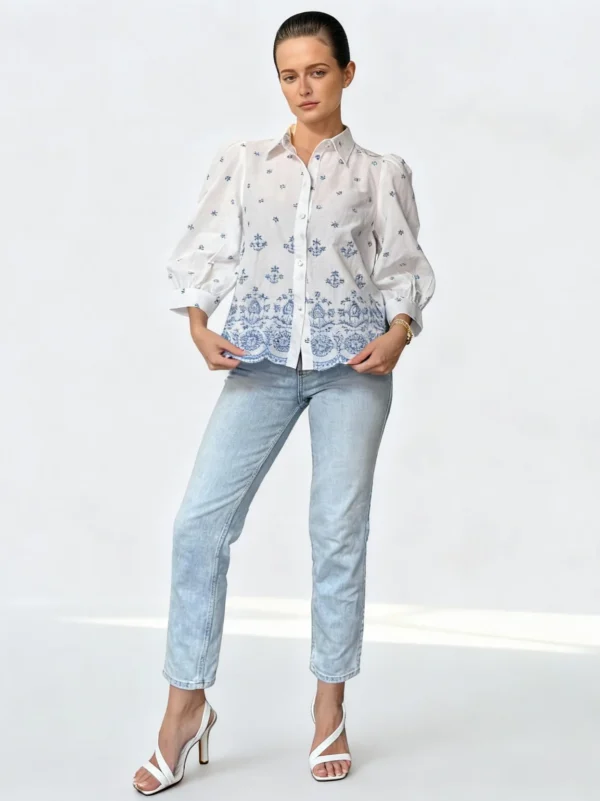
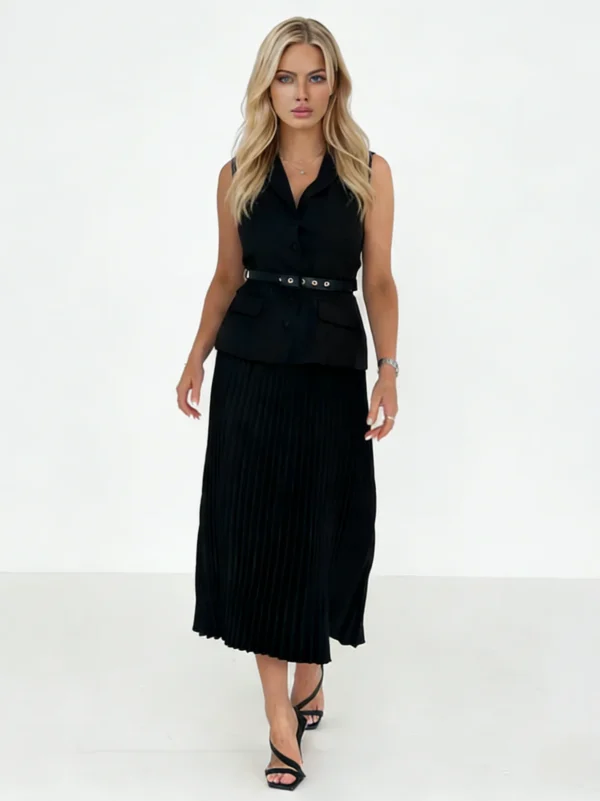
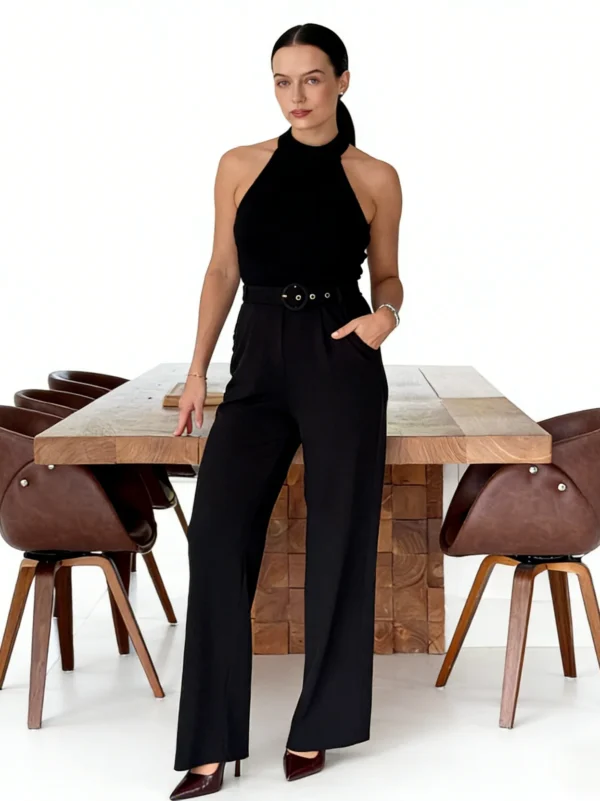
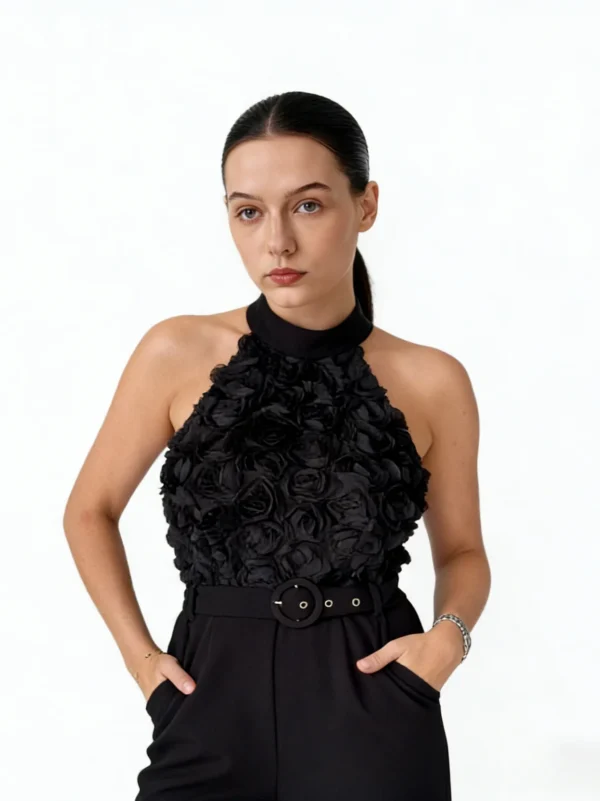
Ready to explore low MOQ production for your designs? These styles are available for full-package custom manufacturing:

Custom clothing production rewards preparation and punishes shortcuts. The brands that succeed are not the ones with the most capital.
They are the ones who do their homework before handing over a deposit. They build complete tech packs. They budget for hidden costs. They verify their suppliers. They inspect their goods.
The data backs this up. Companies that spent at least 8 weeks on pre-production had a 40% lower rate of first-order quality failures compared to those who rushed to production in under 4 weeks.
Preparation is not a delay. It is an investment. Every hour spent on getting ready reduces the risk of losing everything. The founders who get this are the ones whose brands survive past year three.
Looking for China manufacturing support? Algo Bert Fashion specializes in helping international brands navigate Chinese garment factories, from sample development to quality control. If you are ready to explore production in Guangzhou, get your free quotation.

 English (UK)
 Español
 Français
 Deutsch
 Português
 Italiano
 Polski
 Nederlands
 Svenska
 Русский
 Türkçe
 한국어
한국어