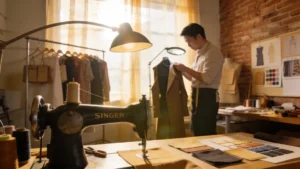
A brand from Berlin sent us a tech pack last quarter for a structured jacket. Four panels, two pockets, internal lining, snap buttons. They wanted 800 units delivered in six weeks from first contact, without understanding how the custom clothing manufacturing process works in practice.
The problem wasn’t the complexity of the jacket. It was that they’d already promised their retailers a delivery date before confirming lead times with any factory. By the time we explained what the custom clothing manufacturing process actually requires at each stage – fabric sourcing with lead times, sampling iterations, production scheduling, QC hold points – they had to air-freight the entire order at $8.50/kg to meet their commitment.
I run production at Algo Bert Fashion in Guangzhou. We produce for about fifteen brands at any given time. I’ve seen this gap between expectations and reality more times than I can count.
The custom clothing manufacturing process looks simple on paper but involves more stages than most brands anticipate. Brands know they need a manufacturer. What they often don’t know is what happens inside the factory after they send their tech pack.
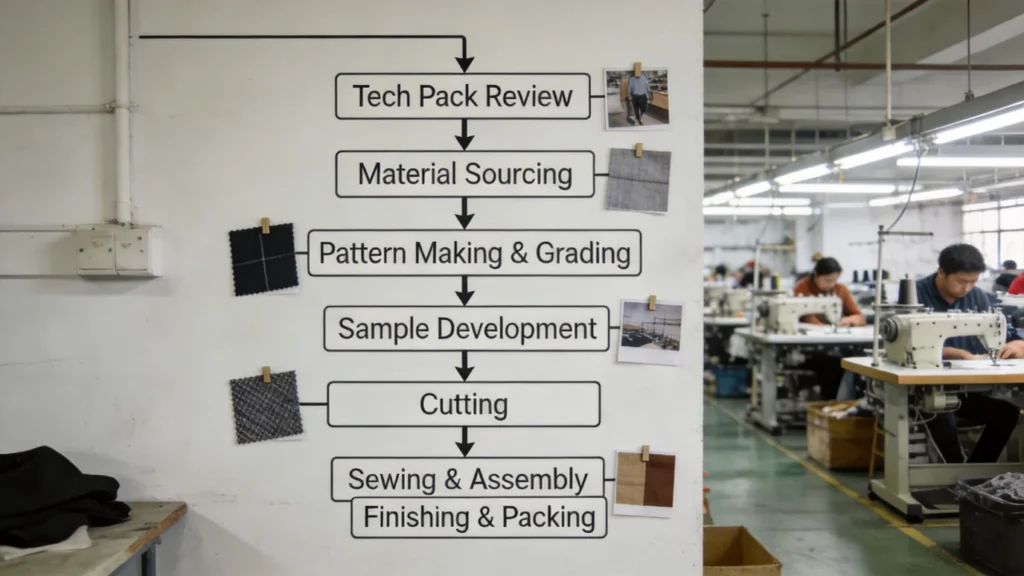
This is the custom clothing manufacturing process from the factory floor, broken down by stage. Not a simplified overview. The real sequence, with the actual timelines, costs, and decision points that determine whether your order arrives on spec and on time. Understanding how the manufacturing process works at a high level provides helpful context before diving into each stage in detail.
İçindekiler
Stage 1: Tech Pack Review and Pre-Production Planning
The custom clothing manufacturing process starts before any fabric is ordered. It starts with document review.
What the Factory Checks First
When your tech pack arrives, our technical team reviews it for completeness before we commit to a timeline. We look for five things:
- Bill of Materials (BOM): Every material listed with specifications – fabric type, weight, GSM, composition, thread count, zipper length, button size, label dimensions. Missing items here create delays later.
- Measurement spec: A complete size chart with graded measurements for every size you plan to produce. Not just the base size.
- Construction details: Stitch types, seam allowances, finishing methods, and assembly sequence.
- Colorways with references: Pantone codes or physical swatches for every color. Descriptions like “navy blue” are not specifications.
- Packaging requirements: Folding method, poly bag type, carton dimensions, labeling.
Around 40% of the tech packs we receive are missing at least one of these elements. The fix adds 3-5 business days while we clarify specs with the brand. That doesn’t delay production – it happens before production starts. But brands who skip this step and push to “just get started” almost always face change orders during production, which cost time and money.
Timeline for Stage 1
Tech pack review and pre-production planning takes 3-5 business days for the factory. The brand should expect to answer 5-10 clarification questions during this window. Faster starts here mean fewer problems later.
Stage 2: Fabric and Trim Sourcing
Once the tech pack is approved, sourcing begins. This is the stage where timelines are longest and most variable, because you are waiting on external suppliers, not the factory.
Fabric Lead Times
Fabric availability determines your production timeline more than any other single factor. In-stock fabrics from mill inventory can ship in 7-14 days. Custom-milled fabrics – unique blends, custom colors, proprietary finishes – require 4-8 weeks because the fabric must be woven or knitted and then dyed to your specification.
The Lab Dip Process
For custom colors, the mill produces a lab dip – a small fabric swatch dyed to match your Pantone reference. The factory sends it to you for approval. This process takes 7-10 days per round. If the first lab dip isn’t acceptable, you need a second round, adding another 7-10 days.
The fastest way to avoid this is to select colors from the mill’s existing inventory rather than requesting custom dye matches. This alone can save 2-3 weeks on your overall timeline.
Trim and Hardware Sourcing
Zippers, buttons, labels, hang tags, and packaging materials each have their own lead times. Standard zippers from YKK or SBS: 7-14 days. Custom-engraved buttons: 14-21 days. Woven labels: 10-14 days including artwork approval.
Everything must arrive at the factory before cutting begins. We coordinate these deliveries using a material arrival schedule that accounts for each supplier’s lead time. Our kumaş tedari̇k hi̇zmeti̇ covers mill selection, shade band approval, and pre-production fabric testing – the same upfront work that prevents the sourcing delays described here. If one trim arrives late, production starts without it – and that means a second assembly pass later, which is expensive and error-prone.
Timeline for Stage 2
Sourcing typically takes 14-30 days depending on fabric availability and custom requirements. Plan for 3 weeks as a realistic minimum for standard fabrics and trims.
Stage 3: Pattern Making, Grading, and Marker Making
While materials are being sourced, the factory’s pattern department is working. This runs in parallel with sourcing to save time.
Production Pattern
The production pattern is different from the sample pattern. It includes seam allowances, shrinkage compensation, and construction tolerances that the prototype sample may not have needed. For knit fabrics, we add 2-4% to the pattern dimensions to account for relaxation shrinkage after cutting.
Boyut Derecelendirmesi
Grading is the process of scaling the base pattern (usually size M) into all sizes in your range – XS through 3XL or whatever you need. Each measurement point (chest, waist, sleeve length, etc.) is graded independently, not by a simple percentage. A size 2XL is not “a bigger Medium.” The chest may increase by 2 inches per size, while sleeve length increases by 1 inch and waist by 1.5 inches.
Proper grading requires an experienced pattern maker who understands how proportions change across sizes. Poor grading is why some brands’ garments fit well in size M but poorly in size XL.
Marker Making
Once patterns are graded, the marker maker arranges all pattern pieces across the fabric width to minimize waste. Marker efficiency typically ranges from 78% to 88% depending on garment complexity and fabric width. Each 1% improvement in marker efficiency saves roughly 1% on fabric costs – on a $15,000 fabric order, that’s $150 per percentage point.
Timeline for Stage 3
Pattern making and grading takes 5-10 business days. Marker making adds 1-2 days. This runs in parallel with sourcing, so it does not add to the overall timeline.
A Note on Production Patterns and Size Charts
A well-graded production pattern depends on accurate base measurements. The better your initial measurement spec, the fewer fitting issues you will encounter during sampling. Taking the time to get the measurement chart right before production begins directly impacts the consistency of the finished garment across all sizes.
Stage 4: Sampling – Proto, Fit, PP, and Size Set
Sampling is where theoretical design becomes physical garment. This is not a single step but a sequence of iterations, each with a specific purpose.
Proto Örnek
The first sample – called a proto sample – tests whether the design can be constructed from the pattern and tech pack. It is typically made in a standard fabric (not your production fabric) because proto is about construction, not material. The factory reviews fit, proportion, and construction methods.
Uygun Örnek
If the proto needs adjustments, a fit sample incorporates the changes. This sample should be made in the closest available fabric to your production fabric, because fabric weight and drape affect fit. Our örnek geli̇şti̇rme hi̇zmeti̇ handles proto, PP, and size set sampling with documented revisions at each stage.
Pre-Production (PP) Sample
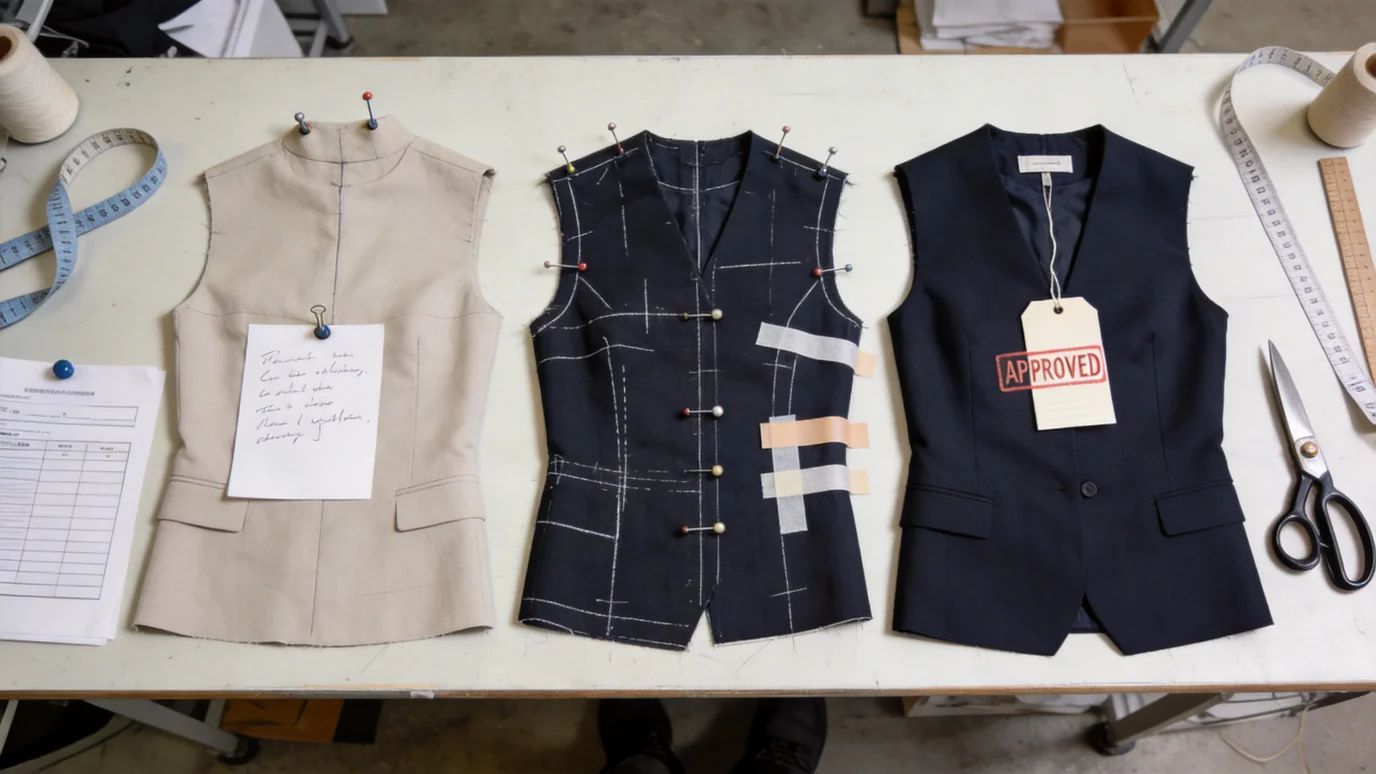
The PP sample is the most important sample in the custom clothing manufacturing process. It is made using your actual production fabric with all correct trims, labels, and construction methods. The PP sample becomes the quality benchmark for the entire production run. Every unit in bulk production is compared against it.
This is why we tell brands: do not rush PP sample approval. If the PP sample has issues and you approve it anyway, you are approving those issues as the standard for your entire order.
Size Set Samples
After PP approval, the factory produces samples in every size in your range. This verifies that grading is correct and that the garment fits proportionally across all sizes. Size set samples catch issues like a sleeve that is too long in size L but correct in size M – a problem that would otherwise affect every size L garment you produce.
How Many Sampling Rounds Do You Need?
Most first-time orders require 2-3 sampling rounds. Minimum: one proto to verify construction, one PP to verify materials and methods. Repeat orders with an established style typically need zero samples or one PP sample only. The ExploreTex guide to garment manufacturing similarly emphasizes that skipping sampling “almost always costs more time than it saves.”
Timeline and Cost for Stage 4
Each sampling round takes 7-14 days. A complete sampling cycle (proto → PP → size set) typically runs 3-5 weeks.
Sample costs vary by garment complexity. For a standard jacket or dress, prototyping typically costs between $100 and $250 per style, including pattern making and construction. This investment directly affects the quality and consistency of the finished product.
Stage 5: Fabric Cutting
Once the PP sample is approved and all materials have arrived, cutting begins.
Fabric Relaxation and Spreading
Knit fabrics need 24-48 hours to relax after unrolling before they can be cut. If you cut knit fabric before it has fully relaxed, the pieces will shrink unevenly after sewing – causing measurement variation across your production run.
Fabric is spread in layers on cutting tables. For a 500-unit order, you might have 50 layers of 10 units each. The spreader must align the fabric correctly to the grain line. Misaligned spreading causes off-grain cutting, which makes garments twist on the body during wear.
Cutting Methods
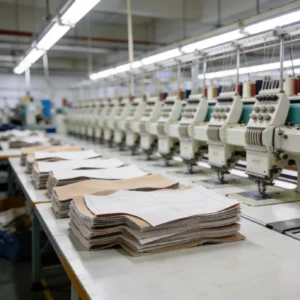
Industrial straight-knife cutting machines handle most fabrics. CNC automated cutting systems provide higher precision for complex patterns and are standard for high-volume orders. Die cutting (using a steel rule die in a press) is fastest for simple, repeating shapes.
Cutting is done in bundles by size. Each bundle is labeled with the order number, size, and piece count before moving to sewing.
Cutting Timeline
Cutting a standard production run takes 2-4 days depending on order size and garment complexity. For a typical jacket order of 500-1,000 units, expect about 3 days.
Stage 6: Sewing and Assembly in the Custom Clothing Manufacturing Process
Sewing is the heart of the custom clothing manufacturing process. This is where cut panels become finished garments.
How the Sewing Line Works
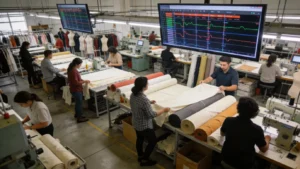
Industrial garment sewing uses an assembly line model. Each operator specializes in one or two operations: setting sleeves, closing side seams, attaching collars, hemming, inserting zippers. A simple t-shirt might require 8-12 operations. A structured jacket requires 40-60 operations.
The line is configured by the production manager based on the garment’s construction sequence. Work-in-progress (WIP) moves from station to station in bundles. The line runs at a target pace – typically 100-200 units per day depending on garment complexity.
Quality Checks During Sewing
Inline quality control is embedded in the sewing process. Every operator is trained to check their own work before passing it to the next station. In addition, QC inspectors patrol the line, pulling random units every 30-60 minutes to check for seam puckering, stitch density deviation, and measurement drift.
Sewing Timeline
Sewing production typically takes 7-15 days for standard orders of 500-2,000 units. Simple garments (t-shirts, knit tops) run at the faster end. Complex garments (structured jackets, lined coats, tailored dresses) run at the slower end.
If your timeline is tight, more operators can be assigned to the line to increase throughput. This increases the labor component of your unit cost but can reduce sewing time by 30-40%. Speak with your factory about this option during the quoting phase.
Stage 7: Finishing, Pressing, and Final QC
After sewing, garments move through finishing before they can be packed. This stage is often overlooked by brands but has a significant impact on perceived quality.
Finishing Operations
- Thread trimming: Every loose thread is trimmed by hand. Quality-sensitive brands specify “double thread trimming” – once inline and once after pressing.
- Pressing and steaming: Industrial steam irons and vacuum pressing boards shape the garment and remove wrinkles from handling during production.
- Spot cleaning: Any marks or stains acquired during production are removed. Water-soluble marks come off easily; oil-based stains require specialized solvents.
- Needle detection: Every garment passes through a metal detector to catch broken needle fragments that may have embedded during sewing. Garments that trigger the detector are quarantined and rescanned.
Final AQL Inspection
Before packing, a random sample of the finished lot is inspected using the AQL (Acceptable Quality Limit) standard – typically AQL 2.5 for apparel. The inspector checks measurements against the PP sample, verifies construction, examines finishing details, and categorizes defects as critical, major, or minor.
If the lot passes, it moves to packing. If it fails, the factory must sort 100% of the units to remove defective pieces before requesting a re-inspection.
Finishing Timeline
Finishing and final QC takes 2-4 days for most orders. A failed AQL inspection adds 3-7 days for sorting and re-inspection.
Stage 8: Packing and Shipping in the Custom Clothing Manufacturing Process
The final stage of the custom clothing manufacturing process is preparing your goods for transit.
Packing to Specification
Garments are folded according to your packing spec. Some brands want garments hung on hangers. Others want them folded flat, stacked in specific quantities, or rolled for compact shipping.
Each garment goes into its own poly bag. Poly bags are labelled with style number, size, color, and quantity before being packed into export cartons. Cartons are weighed, measured, and labeled with carton marks, contents, gross/net weight, and handling instructions.
Shipping Methods and Lead Times
| Yöntem | Typical Transit | Cost per kg | İçin En İyisi |
|---|---|---|---|
| Sea freight (FCL) | 25-35 gün | $0.40-0.60 | Large orders, full container |
| Deniz taşımacılığı (LCL) | 25-35 gün | $0.60-1.00 | Medium orders, shared container |
| Hava taşımacılığı | 5-10 days | $6.00-10.00 | Urgent orders, small quantities |
| Ekspres kurye | 3-7 gün | $8.00-15.00 | Samples, small shipments |
- The cost per kilogram will be affected by various factors such as time, season, and wars.
Timeline for Stage 8
Packing takes 2-3 days. Shipping is booked in parallel and follows immediately.
Complete Production Timeline Reference
Here is how the custom clothing manufacturing process timeline breaks down for a first-time order:
| Sahne | Süre | Notlar |
|---|---|---|
| Tech pack review | 3-5 gün | Faster with complete documentation |
| Fabric & trim sourcing | 14-30 days | Depends on fabric availability and custom colors |
| Pattern making & grading | 5-10 days | Runs parallel with sourcing – no timeline impact |
| Sampling (2-3 rounds) | 21-35 days | 7-14 days per round |
| Fabric cutting | 2-4 gün | After PP sample approval and material arrival |
| Sewing & assembly | 7-15 gün | Based on garment complexity and order size |
| Finishing, QC, packing | 4-7 days | Includes AQL inspection and sorting |
| Nakliye | 5-35 days | Depends on shipping method |
Total for first-time order: 10-16 weeks from tech pack submission to delivery. Total for repeat order: 6-10 weeks (no sampling, faster sourcing).
Sıkça Sorulan Sorular
How long does the custom clothing manufacturing process take from start to finish?
For a first-time order, expect 10-16 weeks from tech pack submission to delivery. Repeat orders typically take 6-10 weeks because the sampling stage is eliminated and fabric sourcing is faster.
What is the most common delay in custom garment manufacturing?
Fabric sourcing. If your fabric requires custom milling, the lead time can exceed 8 weeks alone. Selecting in-stock fabrics can reduce this to 2-3 weeks and significantly shorten the overall timeline.
How many samples should I expect before production?
Most first-time orders require 2-3 sampling rounds: a proto sample to verify construction, a pre-production (PP) sample in actual materials, and size set samples to confirm grading across all sizes.
What is the difference between a proto sample and a PP sample?
A proto sample tests whether the design can be constructed correctly – it is often made in a substitute fabric. A PP (pre-production) sample is made in your actual production fabric with all correct trims, labels, and finishing, and it becomes the quality benchmark for the entire production run.
Can I skip sampling to save time?
Skipping sampling almost always costs more time than it saves. Brands who skip sampling to rush to production typically discover fit or construction issues during bulk production, resulting in rework, delays, and higher costs than the sampling process would have incurred.
What shipping method should I use for my first order?
Sea freight is the most cost-effective for bulk orders (25-35 days transit). Air freight is faster (5-10 days) but 10-15x more expensive. For small first orders, air freight can be justified to launch on schedule while you plan the next order with sea freight.
How do I make the manufacturing process faster?
Three strategies: (1) Use in-stock fabrics to eliminate custom sourcing delays. (2) Provide a complete tech pack to reduce clarification rounds. (3) Order a PP sample during your fabric sourcing phase rather than sequentially. Discuss timeline compression options with your factory during quoting.
What should I prepare before contacting a manufacturer?
A complete tech pack with design sketches, graded measurement chart, BOM, construction details, color references, and packaging requirements. The more complete your documentation, the fewer clarification rounds you will need, and the faster your production timeline.
İlgili Ürünler
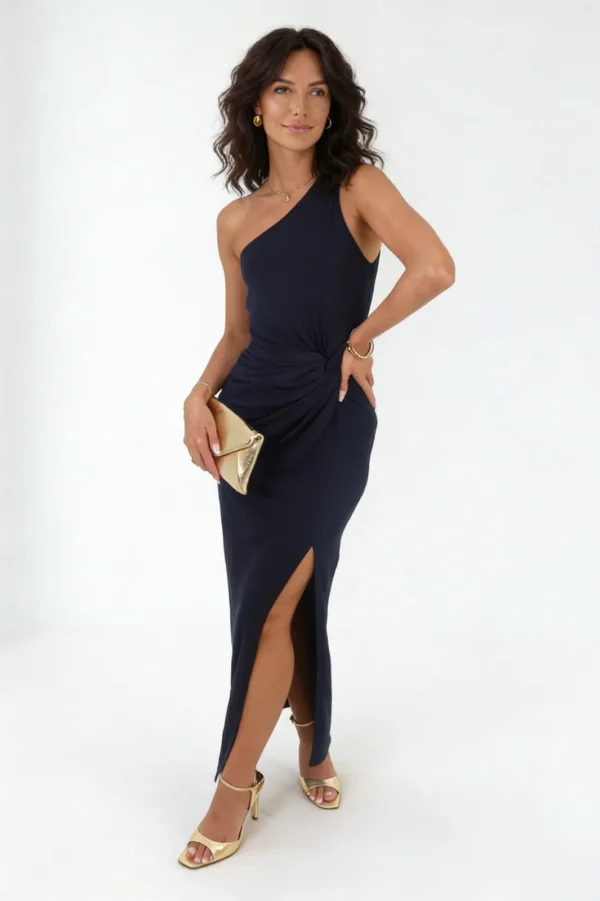
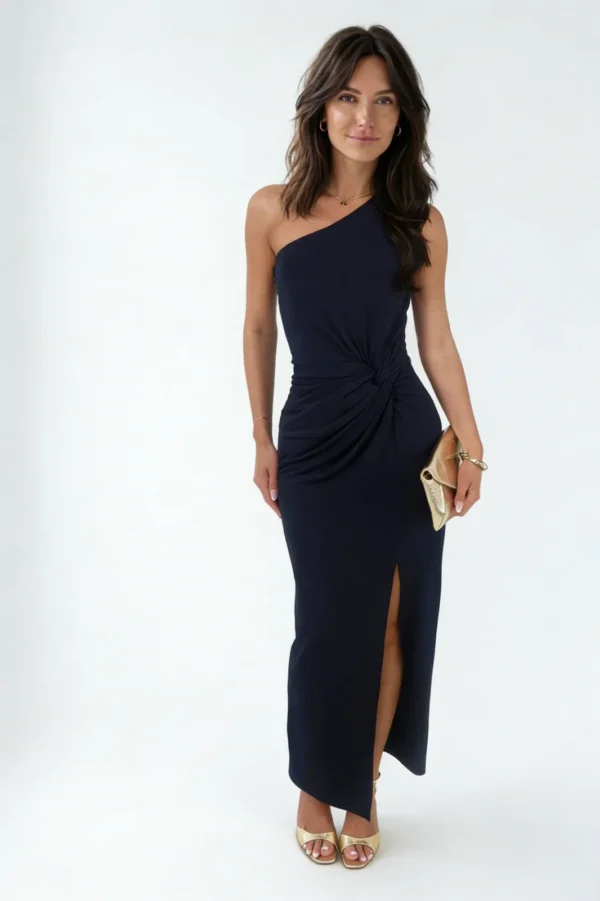
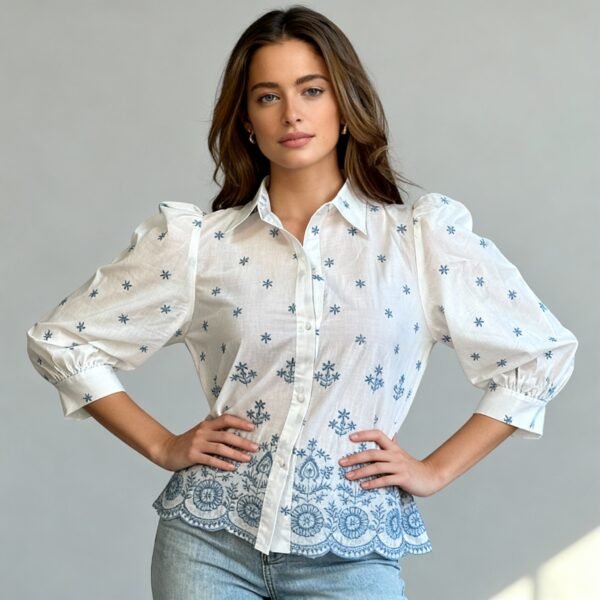
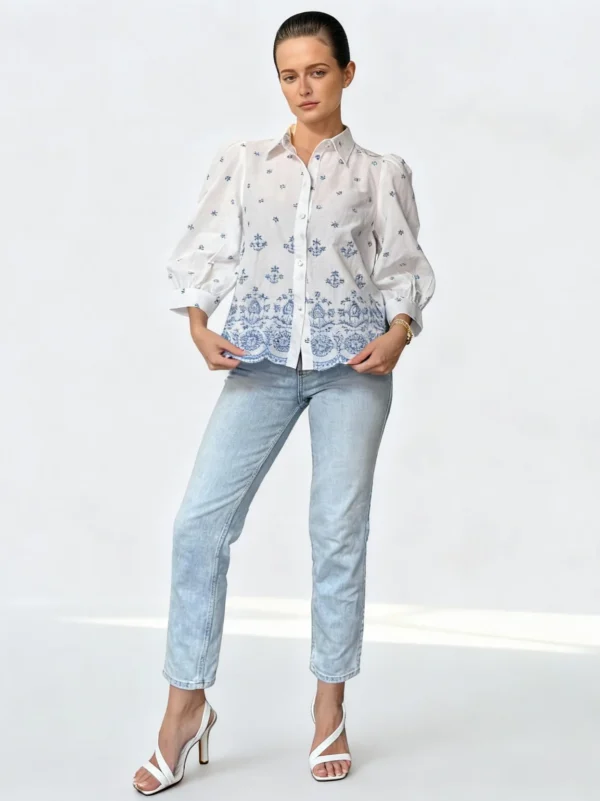
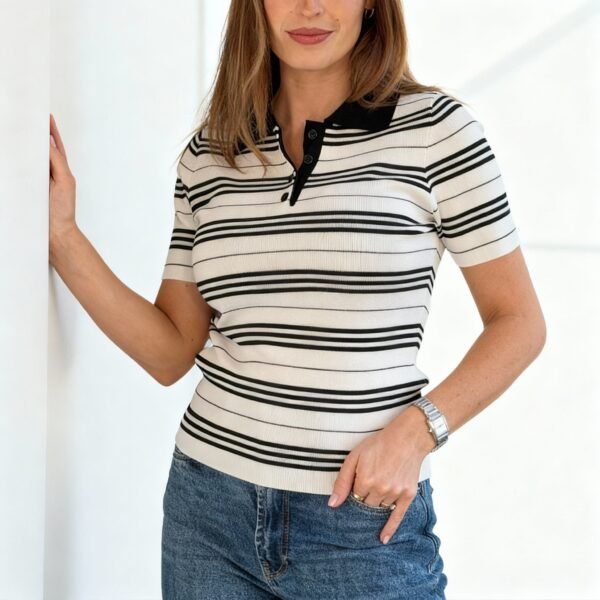
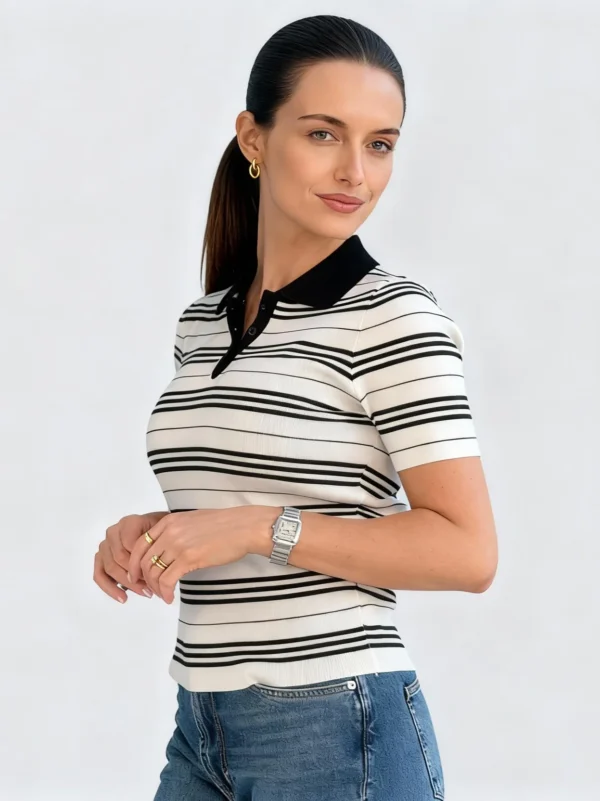
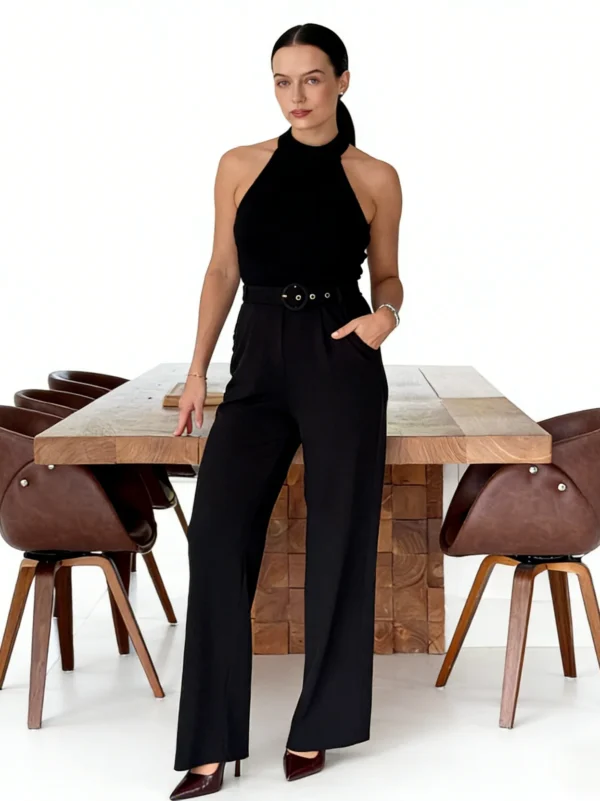
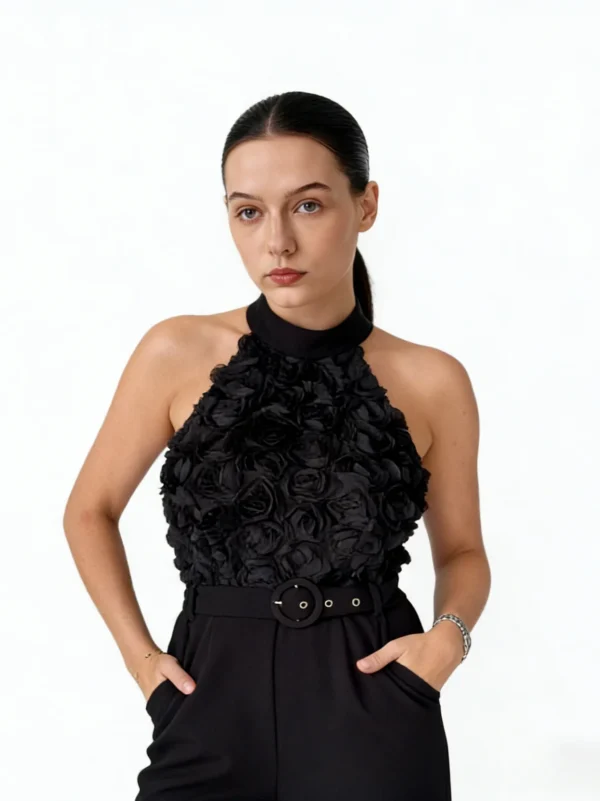
Ready to start your own custom clothing production? These styles showcase the manufacturing process described in this guide – from tech pack through cutting, sewing, and finishing:
Sonuç
The custom clothing manufacturing process is not a single transaction where you send a design and receive finished goods. It is a sequence of eight distinct stages, each with its own timeline, costs, and quality checkpoints. The brands that succeed are the ones who understand this sequence before they place their first order.
If you are evaluating a manufacturing partner for the first time, the single best thing you can do is prepare a complete tech pack and have an honest conversation about timelines before you commit to your launch date. Factories that give you realistic answers upfront are the ones worth working with.
Çin'de üretim desteği mi arıyorsunuz? Algo Bert Fashion, numune geliştirmeden kalite kontrolüne kadar uluslararası markaların Çin hazır giyim fabrikalarında gezinmesine yardımcı olma konusunda uzmanlaşmıştır. Guangzhou'daki üretimi keşfetmeye hazırsanız, Ücretsiz teklifinizi alın

 English (UK)
 Español
 Français
 Deutsch
 Português
 Italiano
 Polski
 Nederlands
 Svenska
 Русский
 Türkçe
 한국어
한국어