
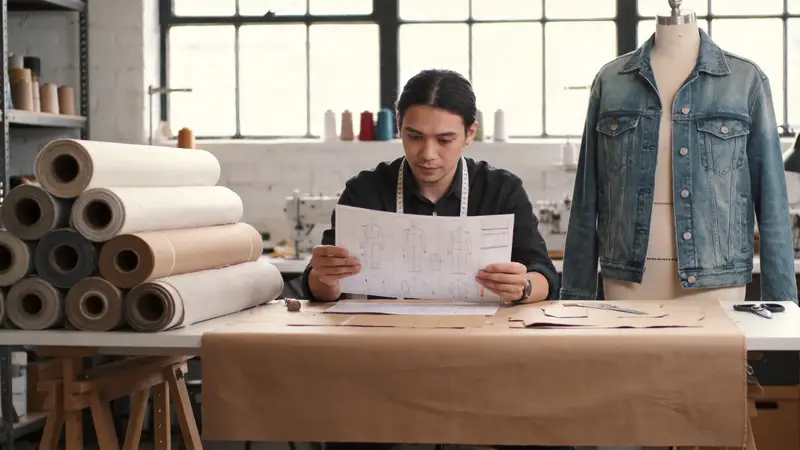
Clothing sample fees cost more than bulk because single-piece prototyping carries massive fixed costs, manual labor multipliers, and R&D overhead that scale inefficiently across production runs.
You watch a factory quote $75 for a basic cotton jersey tee prototype. Then they offer bulk pricing at $3.50 per unit. That math makes zero sense until you understand how the cutting floor actually operates. Apparel sample fees carry a steep premium because factories run single-unit workflows that bypass every automation shortcut available during mass production. You pay for engineering time, manual thread tensioning, and pattern adjustments that simply do not exist in a thousand-piece run. Let me show you exactly where that markup disappears when you move to bulk.
Innehållsförteckning
The Core Economics of Clothing Sample Fees
Factories treat prototypes as bespoke engineering projects rather than standard manufacturing orders. You pay for manual intervention at every single stage where automated systems take over during bulk runs. A basic knit T-shirt proto typically lands between $50 and $100, while a structured woven shirt jumps to $150 or $250. These numbers reflect setup hours that vanish once you hit production volume.
Single-Piece Handling Inefficiency
Operators hand-cut every marker when building a sample. They cannot load automated spreaders or laser cutters for a single garment without wasting expensive machine time. You pay roughly $40 to $60 just for the cutter to set up and manually slice through one layer of fabric. Bulk lines deploy computerized cutters that slice hundreds of layers simultaneously. The physics of single-piece handling force manufacturers to absorb massive fixed labor costs into your initial quote.
Setup Costs vs. Batch Amortization
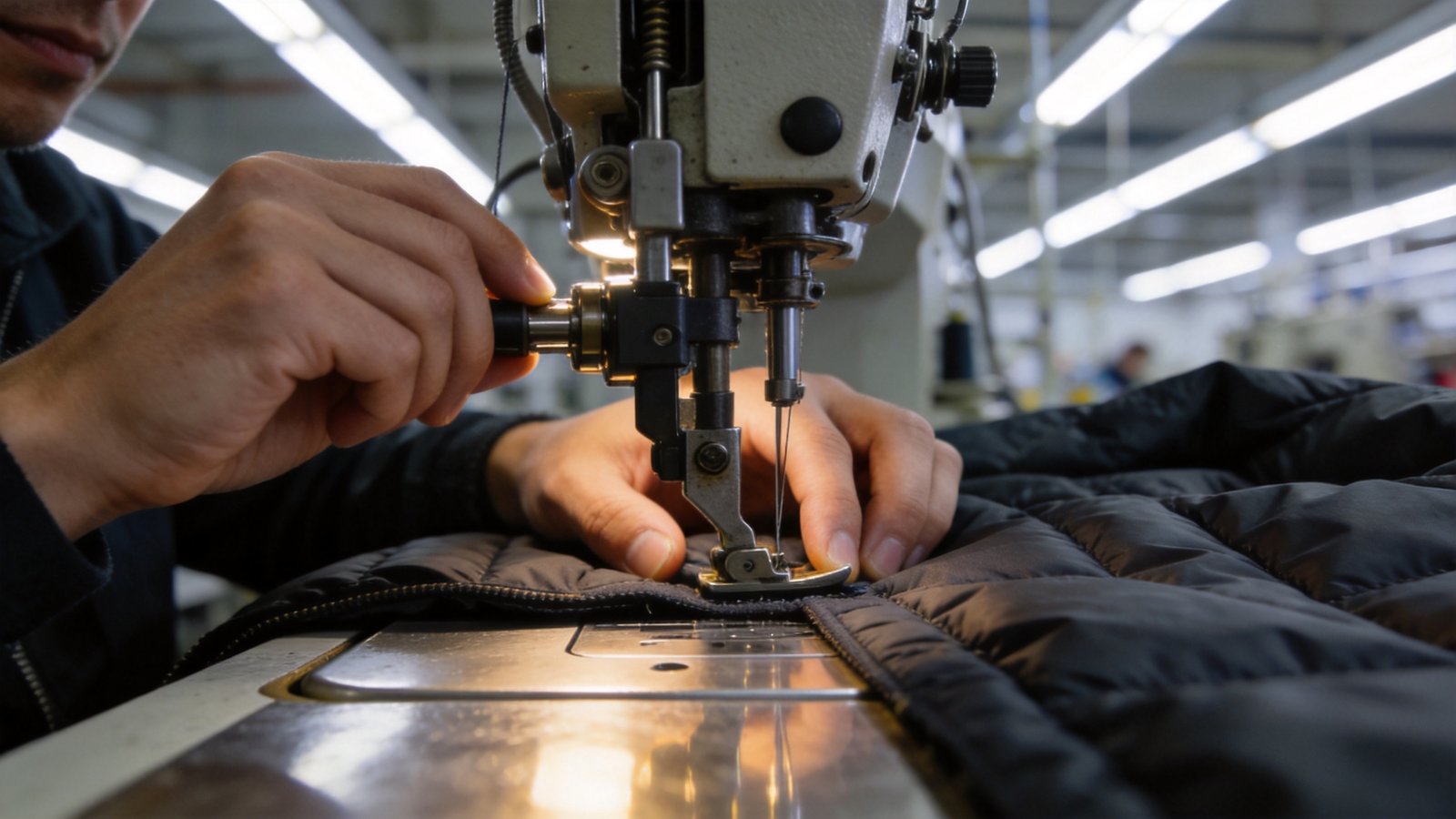
Every sewing station requires thread color changes, tension recalibration, and presser foot swaps before the first stitch lands. You cover 100% of those setup minutes whether the factory produces one hoodie or fifty parkas. Production lines amortize these changeovers across thousands of units. Your prototype absorbs the entire mechanical preparation cost upfront.
The First-Piece Tax Explained
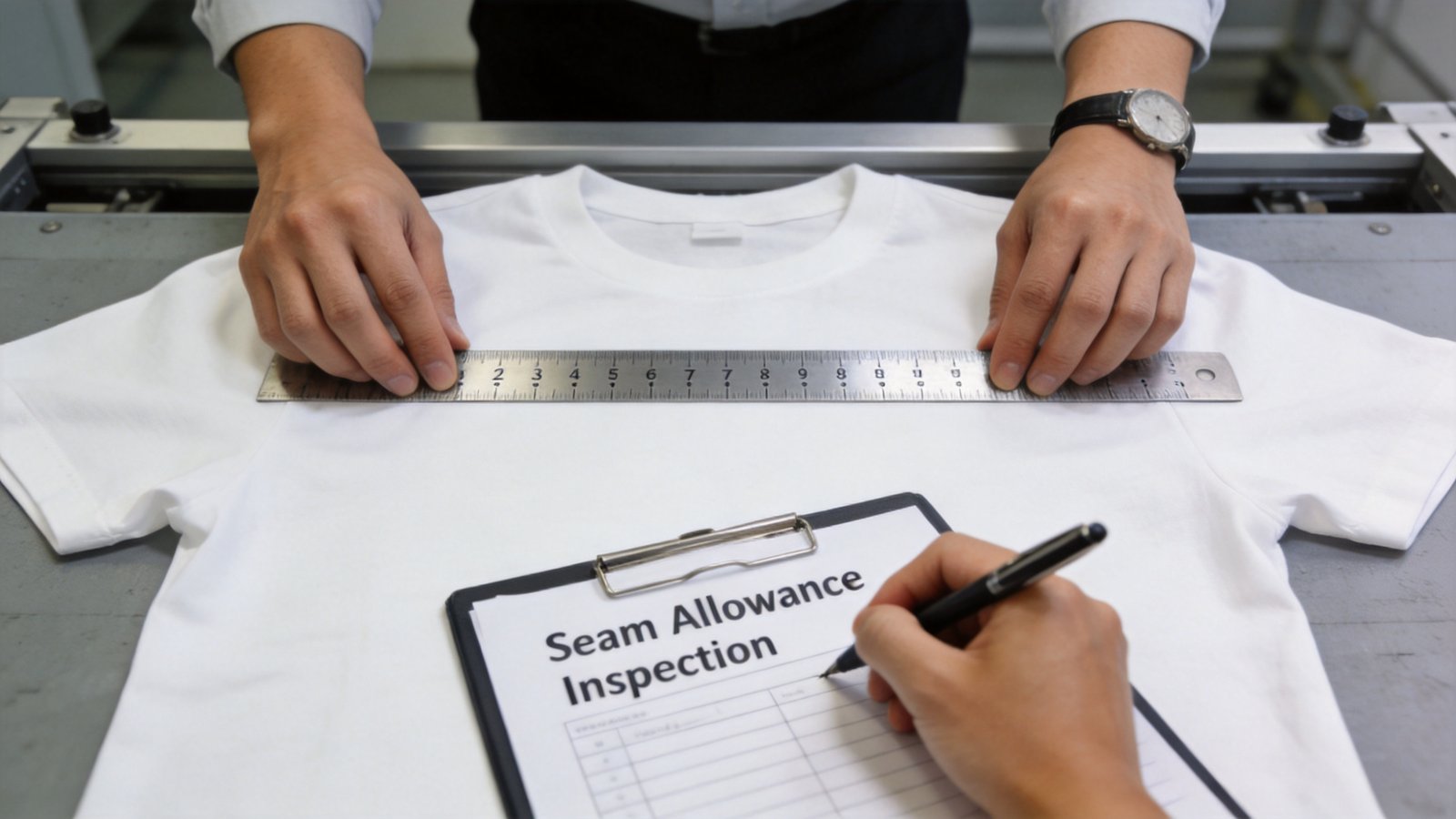
The industry calls this the first-piece tax because you fund the initial trial runs that prove the garment functions. Factories charge extra for initial grading checks, seam allowance testing, and shrinkage verification before they touch bulk material. You essentially bankroll their quality assurance protocol. This upfront investment guarantees your bulk order will not fail during mass assembly.
Hidden R&D and Technical Costs Embedded in Your Apparel Sample Fees
You are not buying a physical product in these quotes. You are purchasing engineering hours, digital drafting, and technical troubleshooting. Manufacturers front-load all research and development costs into the sampling phase because bulk runs rely entirely on approved specifications.
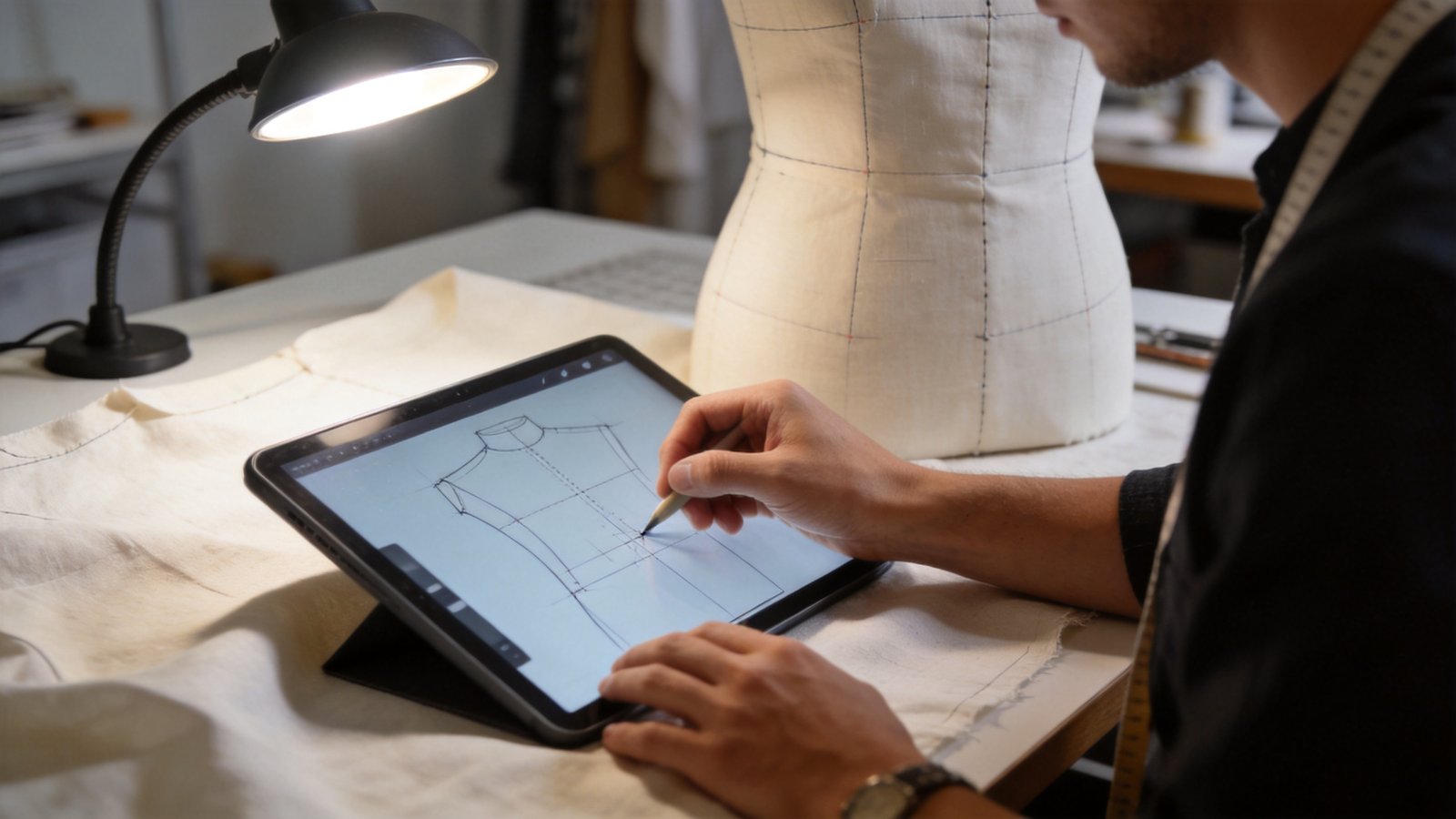
Tech Pack Development and CAD Grading
Your supplier spends 3 to 5 hours digitizing your measurements into precise CAD files. They calculate ease allowances, grain line placement, and seam depth before any fabric touches the table. Those digital engineering minutes cost $35 to $50 per hour in specialized labor. Bulk production copies those finalized files without repeating the drafting process.
Pattern Making and Fit Iteration Hours
A single fit correction requires completely re-cutting the muslin, re-sewing the seams, and re-measuring the drape. You cannot simply tweak a stitched garment after the fact. Each revision cycle burns another $75 to $120 in material and operator time. Factories build these iteration risks directly into your initial fee.
Quality Control Overhead Per Sample
Inspectors test 100% of prototype garments against your spec sheet. They pull tension on every seam, wash the fabric to verify shrinkage rates, and measure stitch density across all panels. Bulk lines switch to statistical sampling, checking roughly 3% of finished units instead of every single piece. That 97% reduction in inspection labor drops straight to your bulk margin.
Comparative Cost Breakdown: Sample vs. Bulk Production Line
The financial gap between prototyping and mass manufacturing stems from how each phase allocates resources. Single-piece orders absorb retail-level markups on materials and pay premium hourly rates for skilled technicians. Bulk runs unlock wholesale pricing and operational efficiency.
Material Sourcing Disparities
Sample rooms buy fabric off small retail rolls or pay mill minimums that carry a 40% to 60% markup. You cannot negotiate volume discounts on half-yard cuts of technical nylon or heavy wool blends. Production buyers purchase full bales directly from mills at wholesale rates. That raw material price difference alone shifts your per-unit cost dramatically.
Labor Rate Multipliers
Prototyping demands senior pattern makers and master sewers who command $25 to $40 per hour. These technicians troubleshoot complex construction methods that junior line operators cannot replicate. Factory floor workers earn $8 to $15 per hour once they master repetitive stitching tasks. You pay for elite craftsmanship during sampling, then scale down to specialized assembly labor during bulk.
Logistics and Customs Handling
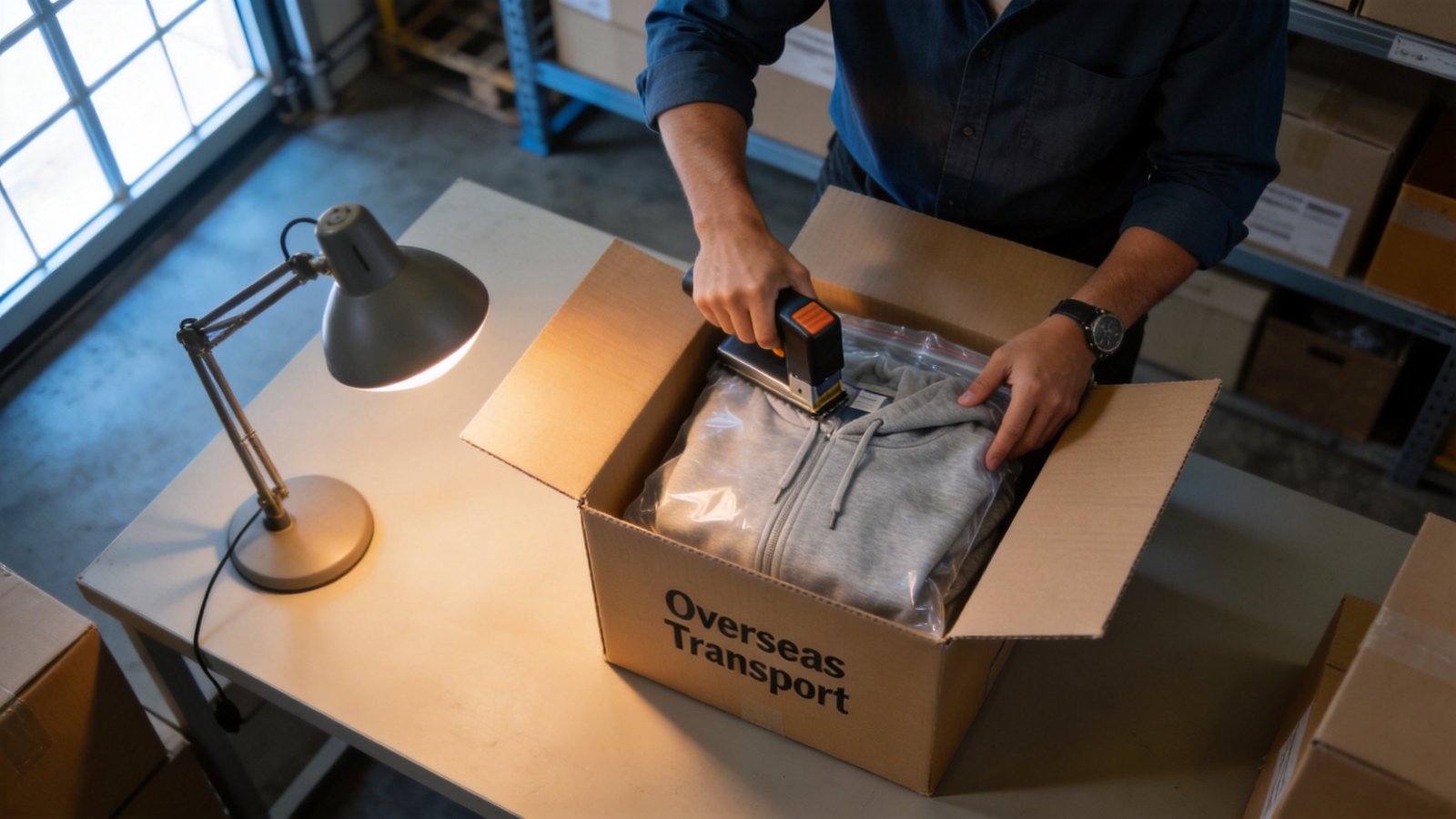
Shipping a single prototype internationally triggers flat-rate courier surcharges and customs clearance fees that multiply your per-unit freight cost by ten. A standard express package costs $80 to $150 to deliver. Bulk shipments consolidate hundreds of units into palletized sea freight, dropping air cargo expenses to pennies per piece. Your sample fee covers the logistical nightmare of moving one garment across borders.
The Strategic Role of Sample Fees in Manufacturing
Factories implement strict sampling charges to protect their operational capacity and filter out uncommitted buyers. Those fees function as a deliberate business strategy rather than a simple cost pass-through. Understanding this mechanism helps you negotiate better terms later.
Filtering Serious Buyers from Tire Kickers
Manufacturers receive dozens of speculative requests daily from startups that never intend to produce. Charging upfront fees eliminates casual browsers and reserves machine time for brands ready to sign purchase orders. You signal serious intent the moment you wire the payment. This gatekeeping keeps production schedules predictable and profitable.
Funding Design Iteration Cycles
Prototype revenue directly offsets the waste generated during failed design attempts. Factories discard muslins, trim samples, and rejected fabrics after each revision round. Those materials cost $200 to $400 per cycle for medium-complexity garments like tailored trousers or structured blazers. Your sampling budget funds the experimental phase that perfects your final design.
Risk Mitigation for Manufacturers
Unpaid prototypes become dead inventory that occupies valuable floor space and ties up working capital. Sample fees guarantee manufacturers recover their investment even when a buyer walks away before bulk production. This risk transfer ensures factories maintain healthy cash flow regardless of client commitment levels. You pay for the privilege of using their equipment and expertise.
How Complexity and Garment Types Drive Sample Pricing
Construction difficulty directly dictates labor hours and machine specialization requirements. Simple knitwear moves fast on standard lockstitch machines, while technical outerwear demands multiple specialty attachments and extensive hand-finishing. Your garment choice determines the exact fee structure.
Basic Knits vs. Technical Wovens
A standard cotton jersey tee requires basic ribbing application and simple side seams. Operators finish one unit in under 45 minutes using automated chainstitch machines. Technical woven shirts demand precise collar band attachment, sleeve placket assembly, and interfacing application. Those steps stretch sampling time to 3 to 4 hours per unit. The added construction complexity pushes fees into higher brackets.
Outerwear and Multi-Layer Construction
Parkas and insulated jackets involve lining attachment, waterproof zipper sealing, and baffle stitching that require industrial walking-foot machines. Each additional layer adds 15 to 20 minutes of manual alignment time. Complex outerwear prototypes routinely cost $500 to $800 because they demand specialized equipment and extensive tolerance testing. You pay for the mechanical precision required to handle thick, layered fabrics.
Special Finishes and Embellishments
Custom dye lots, laser distressing, and hand-applied embroidery introduce entirely new workflow stages. Factories must calibrate finishing equipment for each unique treatment before approving the sample. These processes add $30 to $75 per garment in processing fees. Bulk production batches these treatments together to achieve consistent results at lower per-unit costs.
Navigating Sampling Rounds and Revision Costs
The sampling process follows a strict sequential pipeline that professionals call proto, fit, salesman, and pre-production stages. Each phase serves a distinct purpose and carries different labor intensities. Knowing when to approve and when to request changes protects your budget.
Defining Sample Stages
Proto samples establish baseline construction and overall silhouette accuracy. Fit samples verify proportional grading across your full size range. Salesman samples photographically represent the final product for buyer presentations. Pre-production samples confirm exact trims, labels, and packaging before the main factory run begins. You typically budget for three to four distinct rounds before locking in production specs.
When Revisions Trigger Additional Fees
Requesting structural changes after pattern approval forces the factory to rebuild the entire grading block. Altering seam lines, changing fabric weight, or modifying closure hardware generates change-order pricing. Manufacturers charge $50 to $100 per additional revision once the baseline pattern locks. Minor cosmetic tweaks usually fall within your original fee, but major construction shifts always trigger new charges.
Managing Iteration Budgets Efficiently
Clear spec sheets and approved reference samples drastically reduce revision frequency. You eliminate guesswork when you provide exact stitch counts, thread specifications, and tolerance margins upfront. Factories can execute your vision correctly on the first attempt when documentation leaves no room for interpretation. Streamlined communication cuts sampling cycles by 30% to 40%.
Calculating Your True Sampling Budget: Beyond the Sticker Price
The quoted sample fee represents only one slice of your total prototyping expenditure. Direct costs cover the physical garment, while indirect expenses accumulate through shipping, customs, and storage. You need a comprehensive formula to forecast actual cash outflow accurately.
Direct vs. Indirect Sampling Costs
Direct expenses include the base sample fee, raw material markups, and operator labor. Indirect costs encompass international courier fees, import duties, and temporary warehouse storage. Many founders forget to account for the 15% to 25% duty rate applied to prototype imports depending on the country of origin. Those hidden percentages inflate your total spend significantly.
Hidden Fees
Courier companies apply dimensional weight charges for bulky outerwear samples that exceed standard box limits. Heavy denim jackets or padded coats trigger oversized parcel surcharges that add $20 to $40 per shipment. Customs brokers also charge administrative fees for processing single-package declarations. You must factor these logistical penalties into your per-garment budget.
Budget Allocation Formulas
Multiply your base sample fee by your expected revision rounds, then add freight, duties, and a 20% contingency buffer. This mathematical approach prevents cash flow surprises during the development phase. Brands that track indirect sampling costs consistently come in 18% to 22% under budget compared to those who only track sticker prices. Precise forecasting keeps your runway intact.
Maximizing ROI: Turning Sample Fees Into Production Savings
Smart founders treat sampling budgets as strategic investments rather than unavoidable expenses. You can leverage prototype spending to secure better bulk pricing and streamline vendor relationships. The right negotiation tactics transform upfront costs into long-term margin protection.
Pre-qualifying Manufacturers Effectively
Vet factories specifically for prototyping capability before you commit to sampling agreements. Facilities equipped with dedicated sample rooms and senior technical staff deliver faster turnaround times and fewer fit errors. You avoid costly misalignment by confirming machine availability and technician experience upfront. Proper vendor selection reduces revision loops and accelerates your time-to-market.
Optimizing Tech Packs Before Sampling
Production-ready specifications eliminate guesswork and prevent unnecessary design iterations. Include exact stitch density, seam allowance measurements, and fabric weight tolerances in every technical document. Streamlining your tech pack walks you through the exact formatting standards factories expect. Clear documentation forces manufacturers to execute your vision precisely on the first attempt.
Leveraging Sample Credits Wisely
Negotiate credit policies that convert paid prototypes into bulk order discounts. Many factories will deduct 100% of your initial sample fees when you place a production run above 500 units. This credit mechanism effectively lowers your per-unit manufacturing cost while rewarding committed buyers. Always secure written confirmation of sample credit terms before wiring payments.
Vanliga frågor och svar
Why do apparel sample fees cost more per unit than bulk production? Single-piece prototyping forces factories to absorb manual setup costs, premium labor rates, and 100% quality inspection expenses. Bulk production spreads those fixed costs across thousands of units and utilizes automated cutting and statistical sampling. The structural inefficiency of one-off manufacturing directly inflates your per-sample price.
How many sampling rounds should I budget for before bulk manufacturing? Most brands complete three to four distinct phases: proto, fit, salesman, and pre-production. Each round requires separate material purchases, pattern adjustments, and operator hours. You should allocate budget for at least two revision cycles beyond your initial prototype to accommodate inevitable fit corrections.
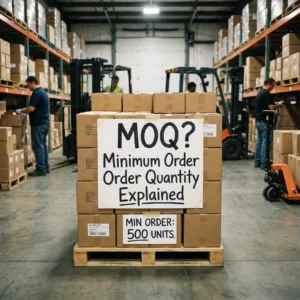
Can I get my sample fees credited toward a future bulk order? Yes, most reputable manufacturers offer full or partial sample credits once you reach a minimum order quantity. You typically need to commit to producing 500 units or more to trigger the credit policy. Always request written confirmation of the credit percentage before you approve the final sample.
What causes the biggest cost increases during the sampling process? Structural pattern changes and specialty fabric sourcing drive the highest revision costs. Altering seam lines or switching to technical nylon forces the factory to rebuild grading blocks and reorder material rolls. These disruptions trigger change-order fees that range from $50 to $100 per affected garment.
How do I reduce revision fees when working with overseas manufacturers? Provide exact stitch counts, thread specifications, and tolerance margins in your initial tech pack. Reference approved samples and clearly define acceptable deviation limits for seam allowances. ASTM International garment testing standards provide reliable benchmarks for measuring construction accuracy. Clear documentation eliminates guesswork and prevents costly misinterpretations.
Are technical wovens always more expensive to prototype than basic knits? Technical wovens require precise collar attachment, interfacing application, and sleeve placket assembly that stretch sampling hours significantly. Basic knits move quickly on chainstitch machines and demand minimal hand-finishing. The added construction complexity and longer labor hours push woven prototypes into higher price brackets.
Relaterade produkter
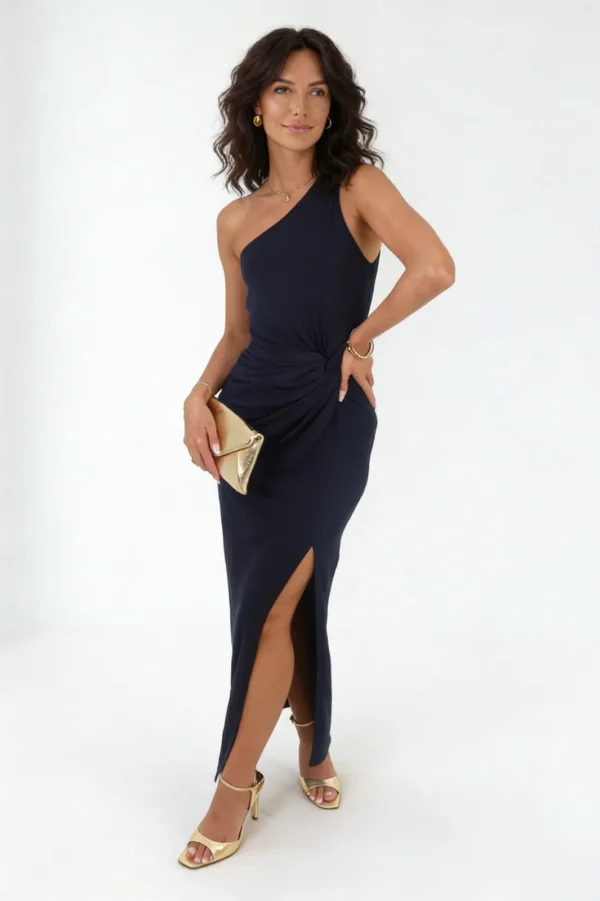
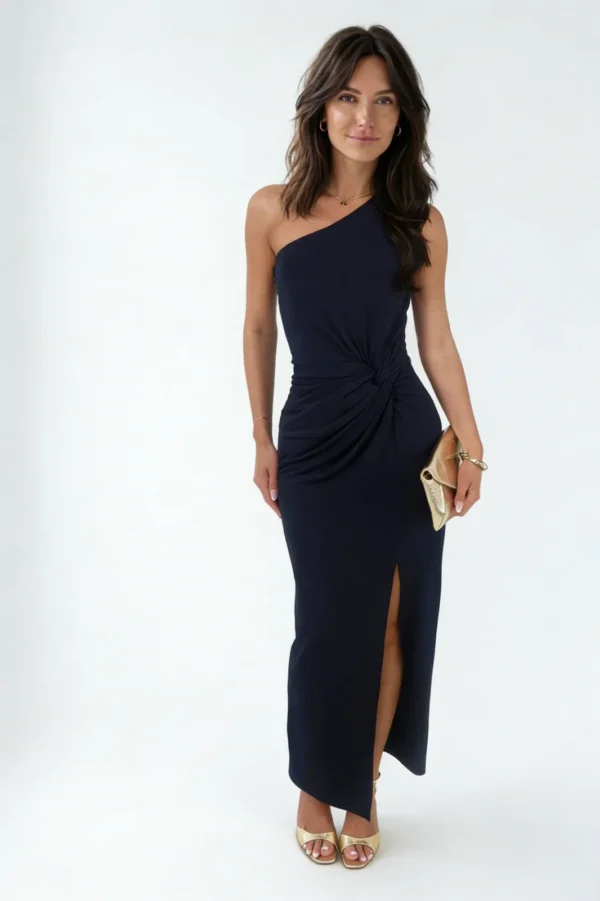
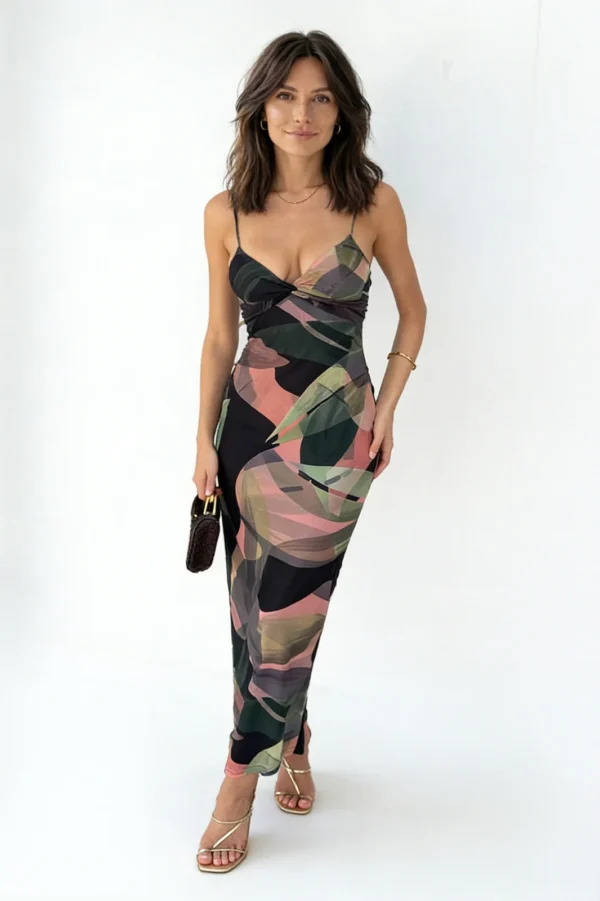
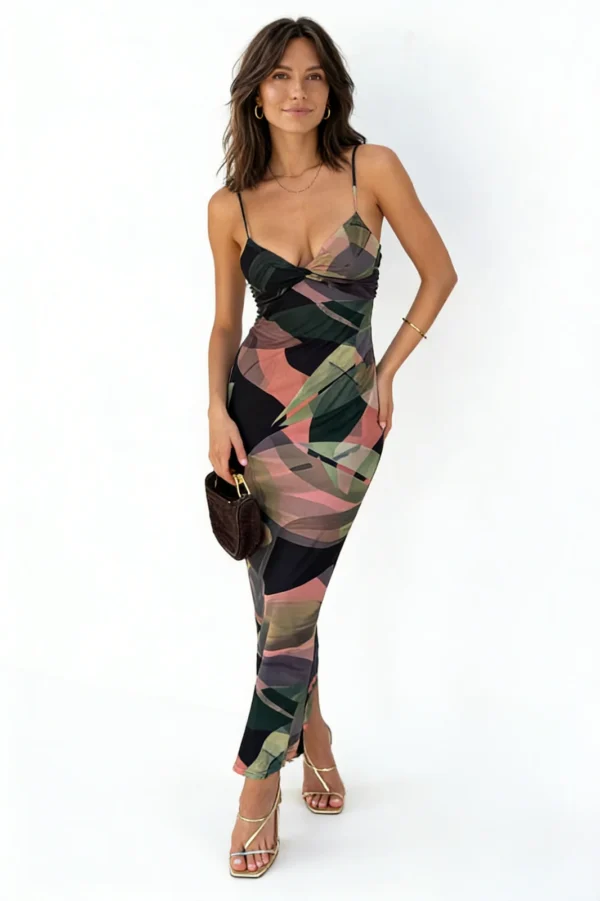
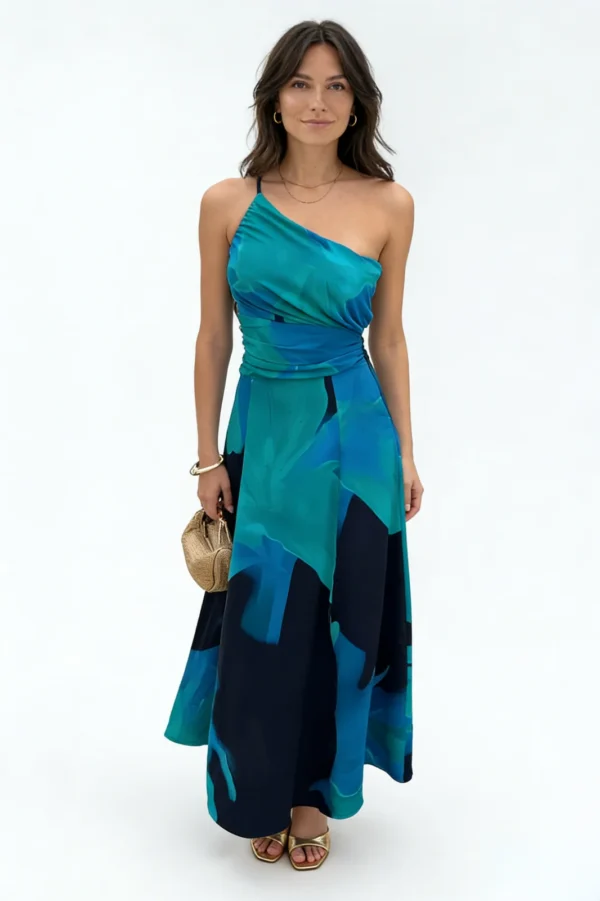
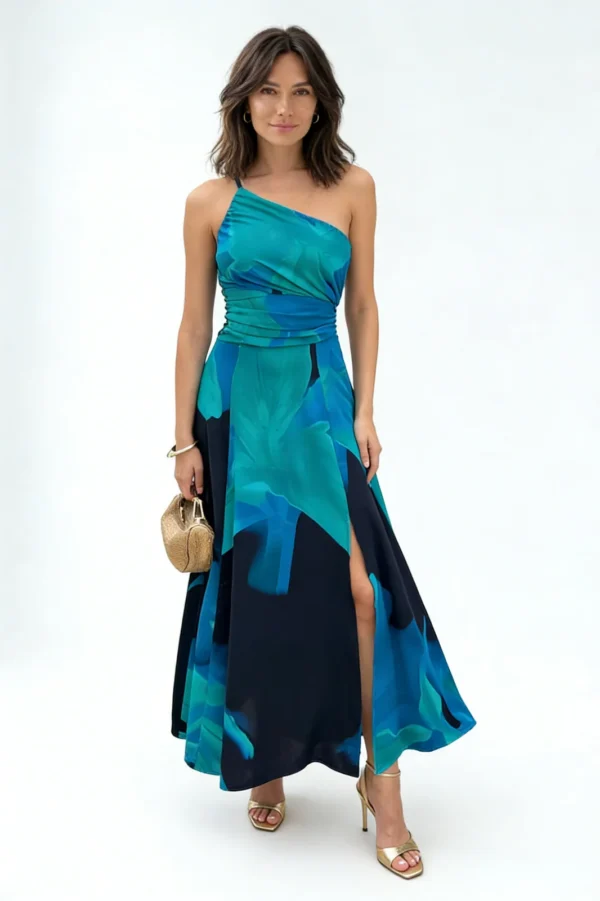
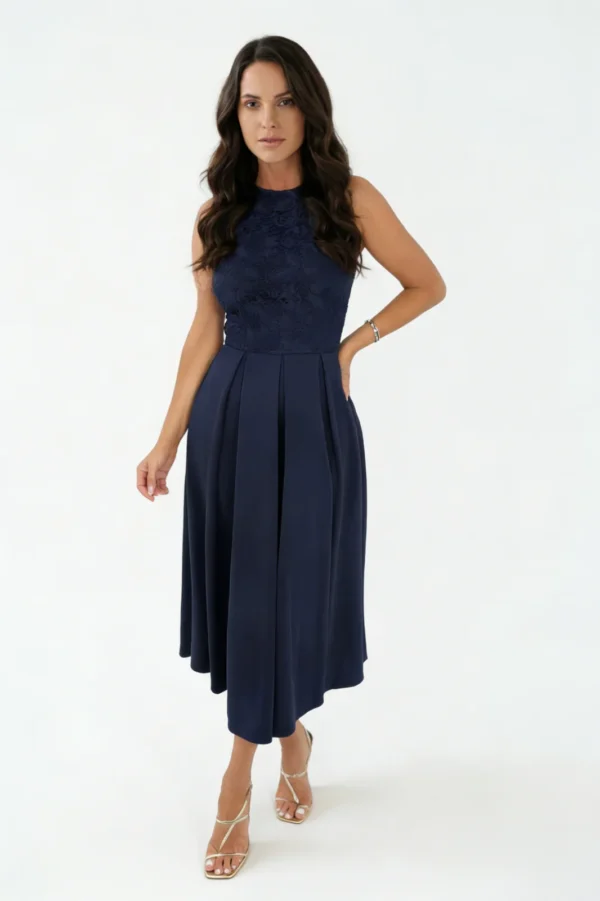
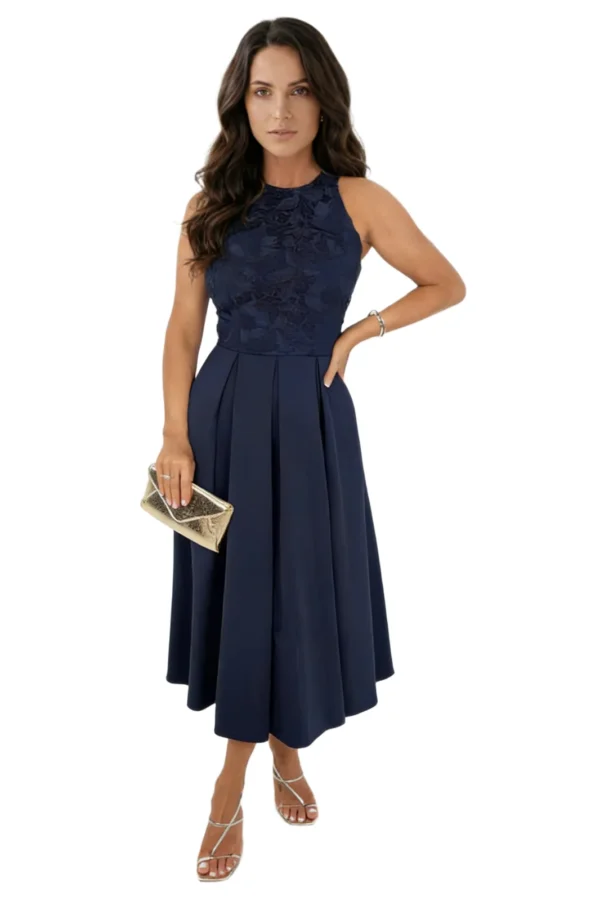
Vill du se vad som finns tillgängligt för produktion med låga minimikvantiteter? Kolla in dessa alternativ:
Final Thoughts
Sampling fees represent the engineering backbone of your collection rather than arbitrary manufacturing charges. You fund pattern drafting, machine calibration, material sourcing, and quality validation before the factory ever touches bulk rolls. Tracking every direct and indirect cost protects your cash flow and prevents budget overruns during development.
Review your current tech packs against factory specifications and calculate your true sampling expenditure using the formula outlined above. Map out your revision strategy before you submit your first request, and negotiate sample credits into every production contract. Proper budgeting transforms prototyping expenses into strategic advantages that strengthen your margin structure for years to come.
Letar du efter stöd för tillverkning i Kina? Algo Bert Fashion är specialiserade på att hjälpa internationella varumärken att navigera i kinesiska klädfabriker, från provutveckling till kvalitetskontroll. Om du är redo att utforska produktionen i Guangzhou, få en kostnadsfri offert
VANLIGA FRÅGOR
What is an apparel sample fee and what exactly are you paying for?
You are essentially funding the engineering and development phase before mass production begins. These charges cover manual pattern drafting, CAD adjustments, machine recalibrations, and thorough quality inspections that automated bulk lines simply skip. Instead of purchasing a finished garment, you are paying for specialized technician hours, material testing, and iterative fit corrections. This upfront investment ensures your design meets exact specifications before committing expensive resources to large-scale manufacturing runs.
How much does a standard garment prototype cost?
You can generally expect to pay between $50 and $100 for straightforward knit basics, while structured woven shirts or technical outerwear will likely run $150 to $800 depending on construction complexity. These ranges account for premium material markups, senior technician labor rates, and multiple fit iterations. Always factor in additional expenses for international shipping, customs duties, and potential revision cycles to avoid surprising cash flow gaps during the development stage.
Why choose to pay upfront fees instead of requesting free samples?
Manufacturers implement strict sampling charges to protect their operational capacity and filter out uncommitted buyers. Those fees function as a deliberate business strategy that reserves machine time for brands ready to sign purchase orders. Paying upfront signals serious intent, guarantees the factory recovers its investment even if you walk away, and ensures you get dedicated attention from senior pattern makers rather than being deprioritized behind committed production schedules.
How to minimize revision expenses during the development phase?
Provide highly detailed technical specifications before your first request goes out. Include exact stitch counts, precise seam allowances, fabric weight tolerances, and clear reference images to eliminate guesswork. Streamlining your documentation helps manufacturers execute your vision correctly on the initial attempt, which significantly cuts down on costly redesign cycles. When structural changes become unavoidable, limit major alterations until the baseline pattern is fully approved to keep change-order fees predictable.
What are the benefits of negotiating sample credits into your manufacturing contracts?
Securing credit policies transforms upfront prototyping expenses into long-term margin protection. Most facilities will deduct your initial fees once you commit to a minimum production volume, effectively lowering your per-unit manufacturing costs. This approach rewards serious buyer intent while giving you predictable budget forecasting. Always confirm the discount percentage and minimum order requirements in writing beforehand so you can confidently allocate those saved funds toward packaging or future collections.
How does construction complexity directly impact your overall prototyping budget?
Construction difficulty dictates how many specialist machines and skilled technicians your project requires. Simple knitwear moves quickly on standard equipment, while technical wovens demand precise collar attachments, interfacing, and hand-finishing that stretch labor hours significantly. Multi-layer outerwear adds walking-foot machine time and extensive tolerance testing. You will notice fees scale upward as each additional stitch, specialty trim, or custom dye lot introduces new workflow stages that cannot be rushed or automated.

 English (UK)
 Español
 Français
 Deutsch
 Português
 Italiano
 Polski
 Nederlands
 Svenska
 Русский
 Türkçe
 한국어
한국어