
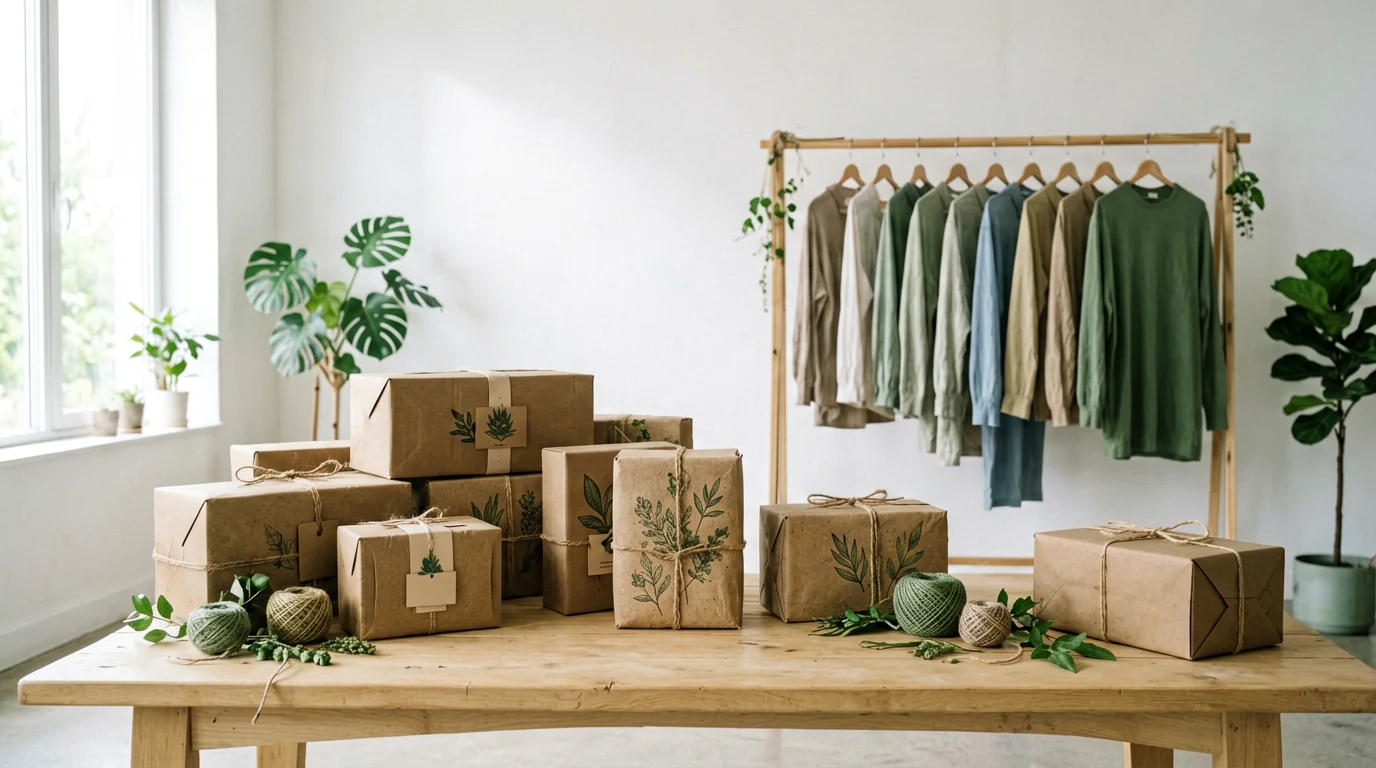
Let’s be honest: the unboxing moment is everything in e-commerce fashion. It’s your brand’s physical hello. But for too many clothing brands, that hello comes wrapped in wasteful plastic. Shifting to sustainable packaging for clothing brands isn’t just a feel-good trend anymore. It’s a smart business move for standing out, keeping customers loyal, and yes, even saving money down the line. This guide is for clothing makers and brand owners. We’ll show you how to turn packaging from a boring expense into a powerful part of your brand story.
Innehållsförteckning
Why Sustainable Packaging Matters for Your Brand
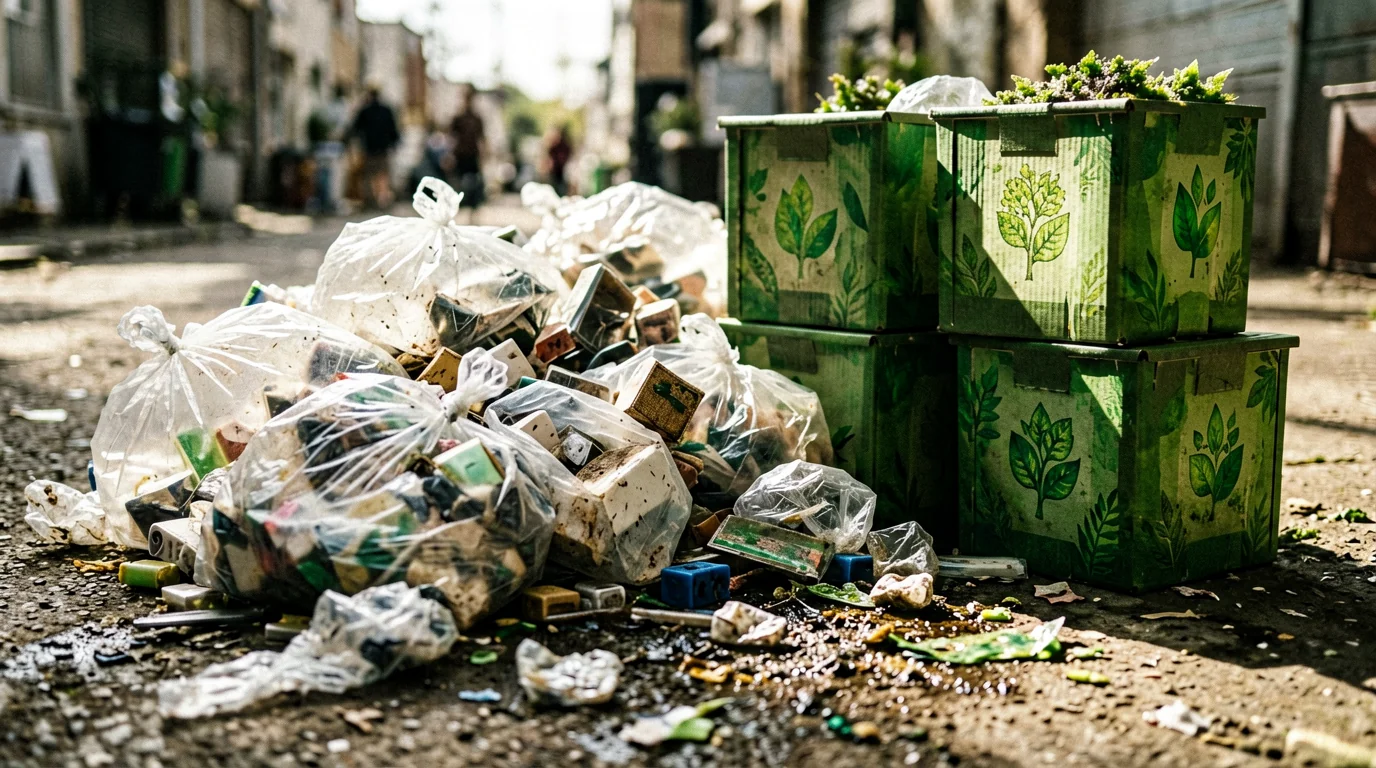
The fashion industry is under a microscope for its environmental footprint. Packaging is a huge, yet often ignored, piece of that puzzle. The UN Environment Programme tells us over 141 million tons of plastic packaging are made globally every year, and most of it ends up in landfills. For an industry already grappling with textile waste, sustainable packaging is a clear, visible way to show you care.
The Hidden Cost of That Plastic Mailer
Standard shipping gear is loaded with single-use plastics-poly mailers, bubble wrap-and materials that can’t be recycled. The Ellen MacArthur Foundation found only 14% of plastic packaging worldwide gets collected for recycling. Now, think about your brand shipping hundreds of orders a week. That plastic adds up to a massive environmental liability.
Customers Are Speaking With Their Wallets
This isn’t a fleeting trend; it’s a concrete expectation. A 2023 Sustainable Apparel Coalition survey showed over 60% of shoppers prefer brands that use eco-friendly packaging. In e-commerce, where the store is the doorstep, your packaging is your brand’s values in action. Miss this, and you risk losing a growing slice of the market.
It’s a Straight-Up Competitive Advantage
Using sustainable packaging for clothing gives you a real edge. It boosts how people see your brand, builds trust, and can even support a price point. Companies that tackle packaging waste head-on get seen as leaders. They attract conscious shoppers och top talent who want to work for responsible brands.
What Materials Can You Actually Use?
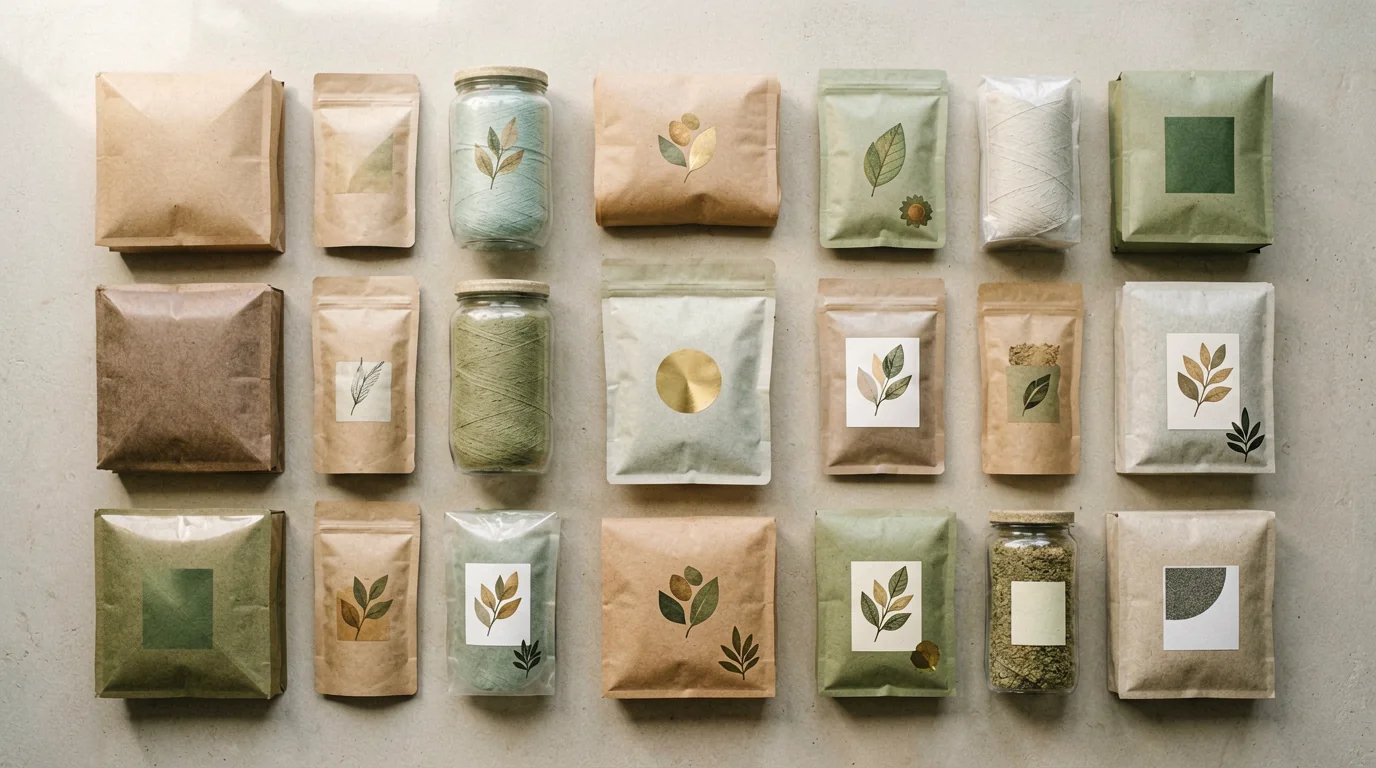
Picking the right materials is step one. Forget just “recycled cardboard”-the market now offers genuinely innovative, eco-friendly options.
The Breakdown: Biodegradable & Compostable
These materials are designed to return to the earth. Cornstarch-based mailers (PLA) are a favorite-they’re tough and water-resistant like plastic but can be composted industrially. You’ll also find bagasse (sugarcane pulp) mailers and compostable bubble wrap alternatives. Here’s the catch: you must check for proper certifications to ensure they break down as promised.
The Reliable Choice: Recyclable & Recycled
This is the familiar territory: FSC-certified cardboard boxes, recycled paper mailers, and poly mailers made from 100% post-consumer recycled (PCR) plastic. People recognize these. Most know what the recycling symbol means. They offer a solid mix of sustainability, affordability, and strength for most apparel.
The Next Wave: Innovative Materials
The cutting edge includes mushroom packaging (mycelium), which grows custom-molded protective inserts from fungus roots, and plant-based plastics (PHA) that biodegrade in soil and oceans. These cost more right now, but they’re the future of circular packaging. Using them makes a powerful statement about where your brand is headed.
Don’t Forget the Label: Weaving Sustainability Through
Packaging is the canvas, but custom labels tell your unique story. Combining sustainable packaging for clothing with thoughtful, eco-friendly labels creates a cohesive unboxing experience that feels authentic.
Looking for a complete solution? Algo Bert Fashion offers skräddarsydda klädetiketter och förpackningar designed to align with your brand\u2019s sustainability goals.
Your Label Should Match Your Values
The label itself needs to fit the mission. Think labels made from organic cotton, recycled paper, or even seed paper that can be planted. For sturdy items like denim, consider woven labels from recycled polyester. This material choice reinforces your commitment at every single touchpoint.
Design Labels That Talk the Talk (and Walk It)
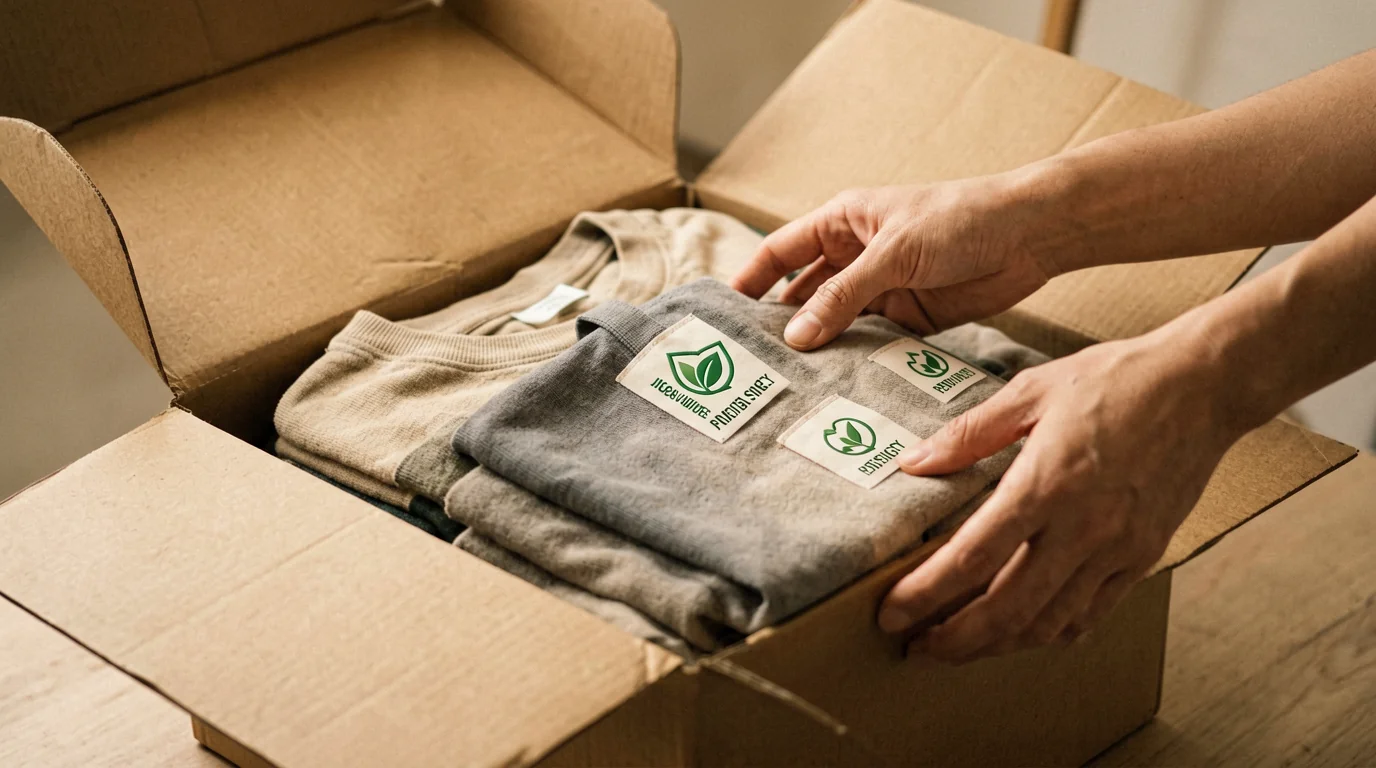
A good label does more than show your logo. It can display eco-certifications, include care instructions that help clothes last longer (that’s sustainable too!), and add a short note about your packaging choice. A simple icon and text saying “This mailer is home-compostable” educates your customer and spreads your message without extra ad spend.
Save Money on Bulk Custom Orders
Economies of scale are your friend. Talk to your manufacturer and packaging supplier about bundling your custom label and sustainable packaging orders. Using one vendor for both often creates cost savings. Also, sticking to a standard label size and placement across your products simplifies production, cutting both costs and waste.
The Money Talk: Is Going Green Too Expensive?
This is the big worry for many: the perceived high cost. But take a longer view, and a strategic approach often reveals real savings and return on investment.
Buy Big, Commit Long
Ordering larger quantities of sustainable packaging materials less frequently drops the per-unit cost dramatically. Signing long-term contracts with suppliers locks in prices and guarantees supply. Many suppliers will offer better terms to partners showing a serious, long-term commitment to sustainable options.
Look at the Full Lifecycle Cost
The purchase price isn’t the whole story. Think about lifecycle savings: lighter, right-sized packaging cuts dimensional weight fees and shipping costs. Durable, high-quality materials reduce product damage and returns. Plus, the boosted brand loyalty and positive reviews from a great unboxing experience lower your customer acquisition costs over time.
Just Ask Your Suppliers
Start a conversation with your current packaging providers. Ask about their sustainable product lines and customization possibilities. Suppliers often have innovative solutions in development and may collaborate on a new product for a committed brand. Use sample development services to test materials and designs before you commit to large runs.
Brands Doing It Right: Real-World Examples
Learning from those who’ve gone before you offers practical insights and inspiration.
The Activewear Brand That Cut Plastic by 80%
A direct-to-consumer activewear company did a full packaging audit and found poly mailers made up 70% of their plastic waste. By switching to custom-branded, home-compostable cornstarch mailers, they eliminated over 50 tons of plastic waste each year. The new mailers, with their logo and a “please compost me” message, became a social media hit, driving great user-generated content.
Creating a Cohesive, Low-Waste Unboxing
A boutique women’s wear label redesigned its entire unboxing experience with recycled tissue paper, a soy-ink stamped box, and a hangtag made from seed paper. They replaced a bulky plastic label with a minimalist, recycled paper sticker. This thoughtful, low-waste approach got featured in several fashion publications and led to a clear increase in repeat purchases. Customers specifically mentioned the “thoughtful packaging” as a reason for their loyalty.
A Lesson in Testing First
Not every new material works perfectly. One brand rushed to use a new biodegradable mailer without enough durability testing. They faced complaints about mailers tearing in transit, which led to damaged goods and higher customer service costs. The takeaway? Test new sustainable materials rigorously for real-world use before you scale up. Partner with a supplier who provides quality samples and performance data.
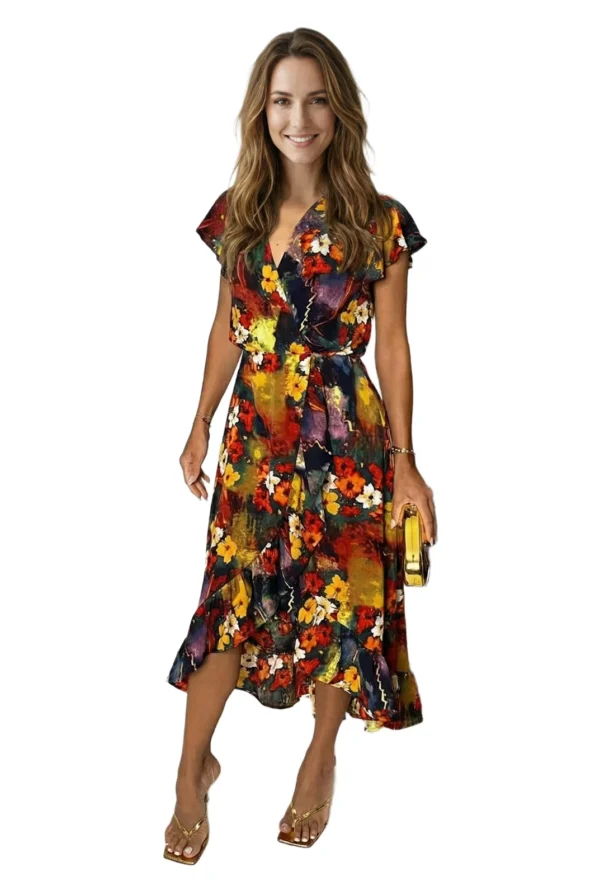
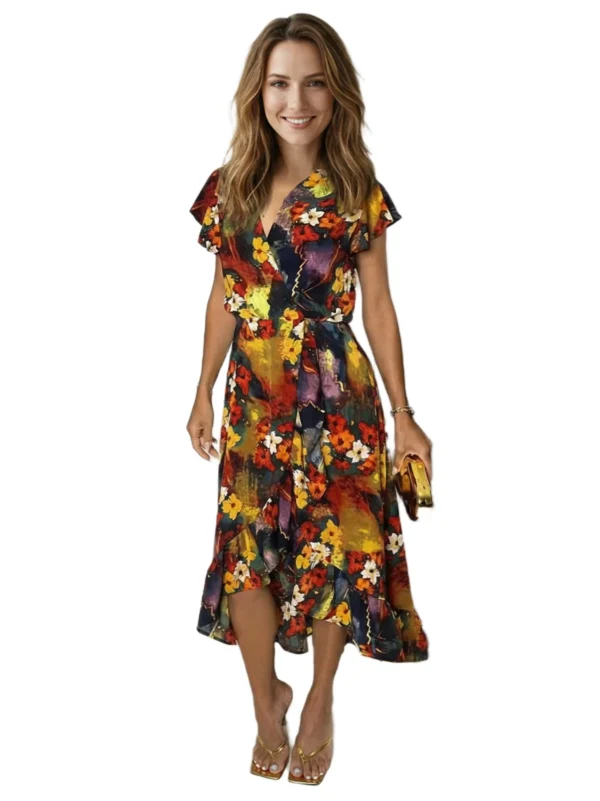
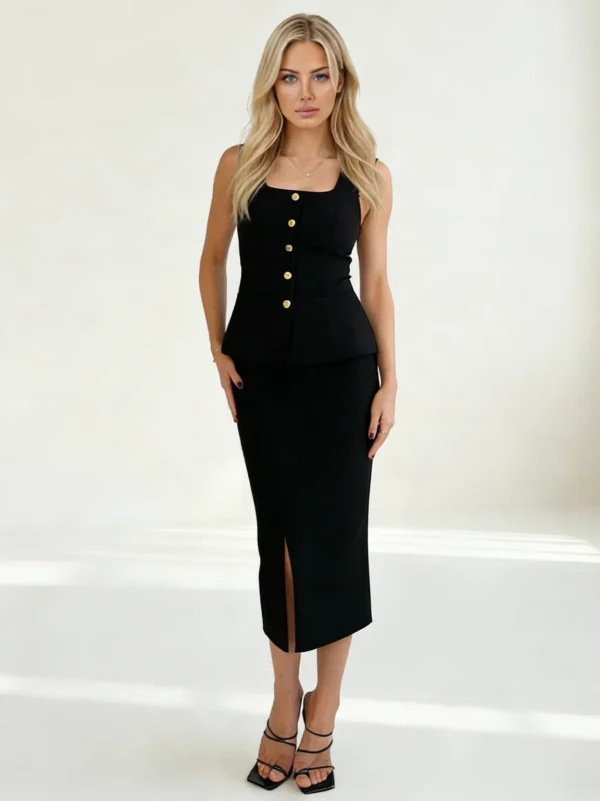
Ready to pair your sustainable packaging with premium custom garments? Explore Algo Bert Fashion’s manufacturing capabilities:

Make Unboxing an Experience, Sustainably
Sustainability and a premium feel aren’t opposites-they work together.
Design with Eco-Friendliness in Mind
Go for a minimalist design philosophy. Use unbleached, natural-colored materials. Keep typography simple and elegant, using one color of eco-friendly ink. This creates a sophisticated, responsible look. The beauty is in the restraint, letting your product and the packaging’s integrity speak for themselves.
Turn Your Package into a Mini-Billboard
Your packaging travels everywhere. A unique, sustainable experience is naturally shareable. Encourage social media sharing by adding a branded hashtag or running a contest for the best unboxing photo. This turns your customers into brand ambassadors, creating authentic marketing at a fraction of the traditional cost.
Build Loyalty Through Connection
A great unboxing creates a positive feeling. Include a simple, friendly note that invites feedback or offers a discount on a future purchase. This closes the loop, turning a one-time transaction into the start of a relationship. Data consistently shows positive packaging experiences lift Net Promoter Scores (NPS).
Navigating Certifications and Avoiding Greenwashing
In sustainability, credibility is everything. The right certifications protect your brand from skepticism.
Know the Key Eco-Labels
Look for recognized certifications like FSC (Forest Stewardship Council) for paper and cardboard, TÜV Austria’s OK Compost for compostable materials, and Global Recycled Standard (GRS) for products with recycled content. These third-party seals provide tangible proof of your claims.
How to Vet Your Suppliers
Don’t just take a supplier’s word for it. Ask for copies of current certification documents for the specific materials you’re ordering. Verify the certification numbers on the certifier’s website. Dig into the sourcing and production processes behind their sustainable materials. Diligent checking protects your brand’s integrity.
Be Transparent to Build Trust
Once you have certified materials, share this information openly with your customers. Add a section to your website or product pages explaining your packaging choices and what the certifications mean. This transparency builds trust and educates your audience, setting you apart from competitors with vague “eco-friendly” labels.
What’s Next? Future Trends to Watch
Keeping an eye on the horizon helps you plan ahead and innovate.
New Materials on the Horizon
The future includes advanced biodegradable plastics that break down more quickly, and even experimental edible or water-soluble films for certain uses. Follow material science startups-they often develop breakthrough solutions that can be adapted for apparel packaging.
The Rise of the Circular Economy
The next big shift is packaging that never becomes waste. Take-back programs where customers return packaging for reuse are gaining steam. Reusable mailer programs, like those started by clothing rental services, are being adopted by direct brands to create closed-loop systems that slash virgin material consumption.
How Consumers and Laws Are Changing
Consumer demand will keep growing, but so will regulatory pressure. Regions like the EU are rolling out stricter Extended Producer Responsibility (EPR) laws, making brands financially responsible for their packaging’s end-of-life. Adopting sustainable packaging now is a smart way to future-proof your business against coming legislation.
Your Roadmap: Actionable Steps to Start
Switching to sustainable packaging is a journey, not a sprint. Here’s how to begin.
First, Know What You Use Now
Start with a simple audit. Figure out the types and amounts of packaging you currently use. Identify the biggest environmental hotspots. This data helps you focus your efforts for the greatest impact and best cost-efficiency. Learn more about conducting a sustainability audit.
Set Goals That Make Sense
You don’t have to do everything at once. Set clear, phased goals. For example: Phase 1: Swap poly mailers for 100% recycled PCR content. Phase 2: Replace void-fill with shredded paper or compostable air pillows. Phase 3: Introduce custom, eco-friendly labels. Align these goals with your business growth and order volume.
Choose the Right Partners
Finding the right manufacturing and packaging partners is everything. Algo Bert Fashion’s comprehensive tillverkningstjänster cover everything from material sourcing to finished production. Look for suppliers who offer transparent sourcing, hold their own sustainability certifications, and are willing to collaborate on custom solutions. A true partner helps you choose materials, manage samples, and scale up smoothly. Explore our guide to selecting ethical manufacturing partners.
The Bottom Line: Sustainable Packaging as Your Brand’s Signature
Vanliga frågor och svar
What is sustainable packaging for clothing?
Sustainable packaging for clothing refers to using materials and designs that minimize environmental impact throughout their lifecycle. For your brand, this means choosing options like compostable mailers, recycled cardboard boxes, or reusable bags made from materials such as cornstarch, post-consumer recycled plastic, or FSC-certified paper. The goal is to move away from single-use plastics and create packaging that is recyclable, biodegradable, or part of a circular system, aligning your physical brand presentation with eco-conscious values.
How do I switch my clothing brand to sustainable packaging?
Start by conducting a packaging audit to see what you currently use. Then, set phased goals-maybe begin by swapping your primary poly mailers for a recycled or compostable alternative. Research and request samples from certified suppliers to test durability and design. Finally, communicate the change to your customers; updating your website or including a note in the package explains your brand’s commitment and turns the switch into a positive brand story.
How much does sustainable packaging cost compared to conventional options?
While the upfront per-unit cost for some eco-friendly materials can be slightly higher, you should look at the full picture. Sustainable packaging often leads to lifecycle savings through reduced shipping costs (from lighter or right-sized materials) and fewer product damages. Furthermore, ordering in larger quantities or signing longer-term contracts with suppliers can significantly lower the price. The positive impact on brand loyalty and customer retention also provides a strong return on investment.
Why should my clothing brand choose sustainable packaging?
Choosing sustainable packaging is a strategic move that directly addresses growing customer demand-studies show over 60% of shoppers prefer brands with eco-friendly options. It builds trust, enhances your brand’s reputation as a leader, and provides a clear competitive advantage. This shift can also future-proof your business against tightening regulations on packaging waste and opens up opportunities for cost savings through operational efficiencies and stronger customer loyalty.
What are the benefits of using eco-friendly packaging for fashion?
The benefits are significant for your brand, your customers, and the planet. You can reduce your environmental footprint by minimizing plastic waste and supporting circular systems. For your customers, it creates a premium, guilt-free unboxing experience that encourages social media sharing. Operationally, it can lower shipping fees and product returns due to damage. Most importantly, it authentically communicates your brand values, fostering deeper customer relationships and loyalty.
How can I ensure my “sustainable” packaging claims are credible?
To avoid greenwashing, look for and verify third-party certifications. Key labels include FSC for paper products, OK Compost for compostable materials, and the Global Recycled Standard for recycled content. Along with packaging certifications, apply similar rigor to your garment production. Our guide för kvalitetskontroll av kläder covers how to vet suppliers across your entire supply chain. Always ask suppliers for current certificate copies and verify the numbers on the certifier’s website. Being transparent by sharing this information on your product pages or packaging itself builds consumer trust and proves your genuine commitment.
What are some innovative sustainable packaging materials for clothing?
The future of packaging includes exciting materials like mushroom packaging (mycelium), which creates custom protective inserts, and advanced plant-based plastics (PHA) that biodegrade naturally. For a more immediate switch, consider compostable cornstarch (PLA) mailers or packaging made from agricultural waste like sugarcane bagasse. These innovative options can make a powerful statement about your brand’s forward-thinking approach to sustainability.
How do I start implementing sustainable packaging for my clothing line?
Begin with a simple step: audit your current packaging to identify the biggest areas for improvement. Next, set one or two clear, achievable goals for the coming year, such as replacing your void-fill material or switching your primary mailer. Then, connect with packaging suppliers who specialize in sustainable solutions, request samples, and test them with real orders. Our tjänst för utveckling av prover can help you test packaging options before scaling up. Communicate your journey to your customers as you go.
Choosing sustainable packaging for clothing is a smart, multifaceted strategy with real payoffs. It lessens environmental impact, meets what customers now expect, improves brand perception, and can drive operational savings over time. The shift takes careful planning, solid supplier checks, and a commitment to being open.
Start small. Maybe switch your most common mailer first. Use that win to build momentum. Talk about your efforts genuinely with your customers, inviting them to be part of your sustainability story. In doing so, you transform a simple shipping box from a disposable item into a powerful symbol of your brand’s values and a catalyst for wider industry change. The future of fashion is circular, and it starts with the package you send.
Ready to transform your unboxing experience and elevate your brand? Contact us today to discuss your sustainable packaging goals and discover how our sample development and manufacturing services can help you implement scalable, cost-effective solutions.
Looking for China manufacturing support? Algo Bert Fashion specializes in helping international brands navigate sustainable packaging and custom labeling solutions, from material sourcing to quality control. If you’re ready to explore eco-friendly packaging production in Guangzhou, få en kostnadsfri offert.
 English (UK)
 Español
 Français
 Deutsch
 Português
 Italiano
 Polski
 Nederlands
 Svenska
 Русский
 Türkçe
 한국어
한국어