
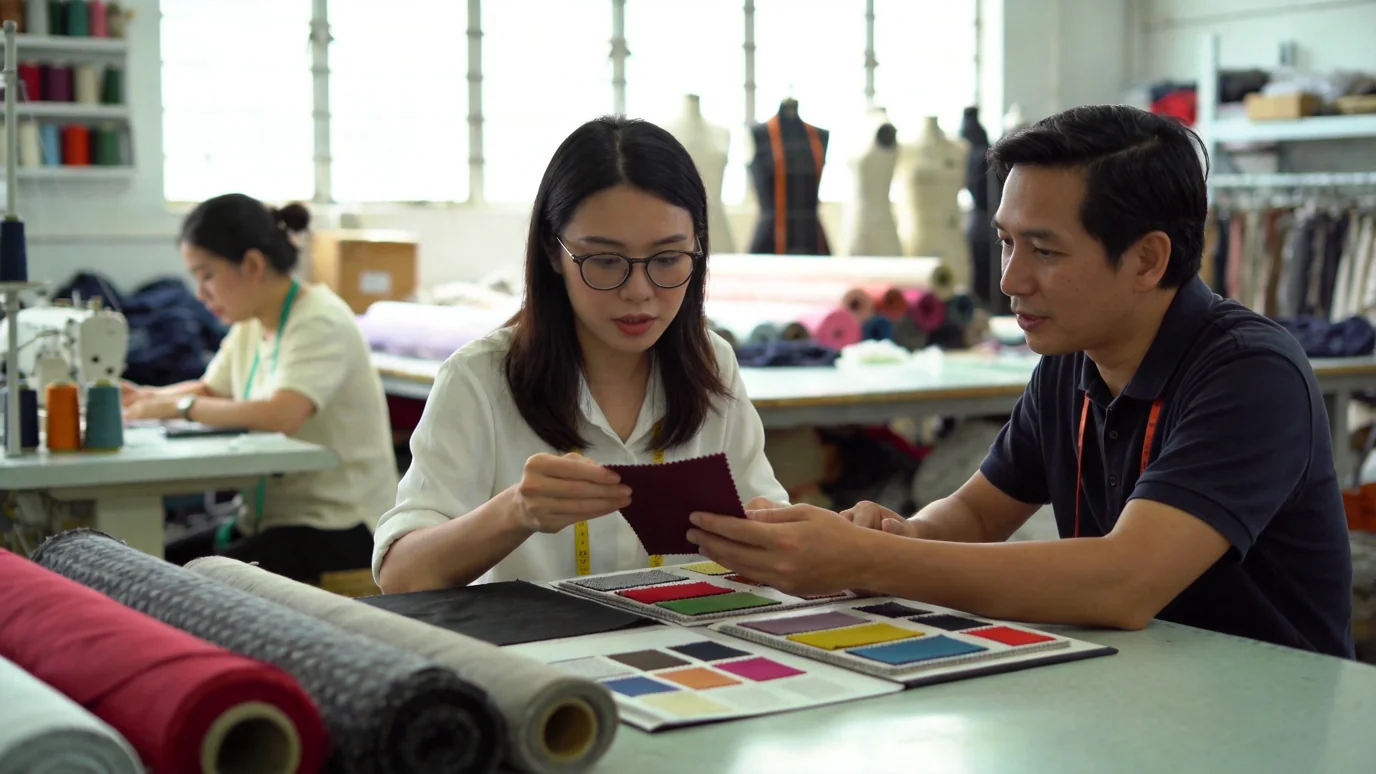
Finding the right clothing manufacturer for startup is the single most consequential decision you’ll make as a new fashion brand founder. Your manufacturer determines product quality, production timelines, profit margins, and ultimately whether your brand survives its critical first year. The stakes are high, yet the manufacturing landscape remains notoriously opaque — especially for newcomers.
Innehållsförteckning
Why Your Choice of Clothing Manufacturer for Startup Defines Your Brand
When Elena Chen launched her athleisure line in Manchester three years ago, she made what she later called the biggest mistake of her entrepreneurial journey. She chose a manufacturer based solely on price — without verifying quality protocols or production capabilities. Her first batch arrived with inconsistent stitching and misaligned prints.
She lost £12,000 and six months of momentum. That experience taught her a lesson that roughly 60% of startup founders learn the hard way: the cheapest quote rarely translates to the best value.
Here’s the thing about choosing a clothing manufacturer for startup brands: your production partner becomes an extension of your brand. Every garment carries your reputation. When customers experience consistent quality, they develop trust. When they find defects, they question your entire business.
The manufacturer you select affects multiple dimensions of your business simultaneously. Quality control standards determine whether customers receive products that match your design specifications. Production capacity dictates whether you can scale during peak seasons.
Communication efficiency influences how quickly you can iterate on designs. Financial terms impact your cash flow and runway. Choose poorly and these problems compound across every dimension of your business. Choose well and you build compounding advantages.
Ever wondered how much your manufacturing partner shapes your brand positioning? A factory producing sloppy seams signals cheap quality to customers. Consistent finishing and attention to detail elevate perceived value.
Your production partner either reinforces or undermines your brand story. This is why the search for a clothing manufacturer for startup should prioritize compatibility over cost alone. The right factory becomes a strategic asset that grows with your brand.
Beyond immediate production concerns, your manufacturer relationship affects your ability to innovate and expand product lines. A factory with diverse capabilities can support you as you diversify from initial designs into new categories. A rigid manufacturer locked into specific processes can become a bottleneck as your brand evolves.
Clothing Manufacturer for Startup: Understanding Your Production Options
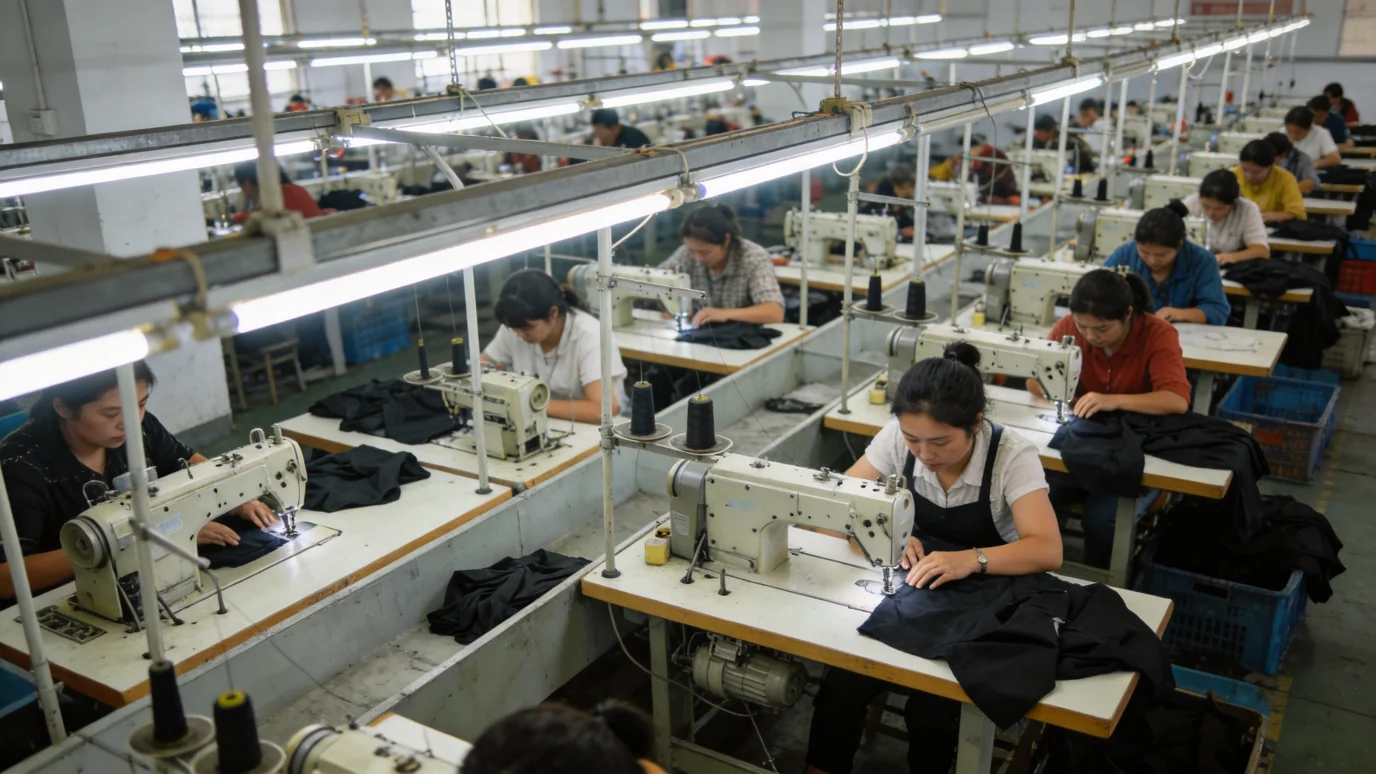
The global manufacturing landscape offers several distinct production models, each with trade-offs relevant to startup brands. Full-package manufacturing represents the most hands-off option, where the factory handles everything from fabric sourcing to finishing, receiving your tech pack and delivering ready-to-ship merchandise. This model suits founders without manufacturing expertise or local presence in production regions.
The tradeoff is higher per-unit cost and reduced visibility into the production process. Understanding what each model includes helps you match your operational capacity to the right manufacturing approach.
Cut-make-trim (CMT) production occupies the middle ground, where the factory receives pre-cut fabrics and assembles them into finished garments. You maintain control over fabric sourcing while delegating assembly. This model requires more involvement but offers better cost efficiency and quality oversight.
It works well for founders who have secured fabric independently or want to inspect materials before production begins. The additional coordination effort pays dividends in customization flexibility. You can negotiate fabric pricing directly and ensure materials meet your sustainability standards.
Small-batch specialists serve startups testing market viability before committing to larger production volumes. These facilities accept minimum orders as low as fifty to one hundred units per style. They understand the unique challenges of emerging brands and offer more flexible terms.
The tradeoff is higher per-unit pricing compared to high-volume factories. For brands in validation phase, this trade-off often makes financial sense. The ability to test products with minimal inventory risk outweighs the per-unit cost premium.
Prototype and sample development services represent a critical fourth option that first-time founders frequently overlook. Factories maintain dedicated sampling divisions that produce development samples, fitting iterations, and production prototypes. These services operate separately from bulk production, with different pricing structures and timelines.
Access to skilled sample rooms accelerates your path to production-ready designs. This option matters especially when your designs require complex construction or specialized finishing.
The choice between these models should align with your technical expertise, available time, and capital position. Full-package works for those prioritizing speed over cost efficiency. CMT suits founders with some industry knowledge and time to manage production.
Small-batch specialists serve those testing market viability before committing to larger runs. Your ideal clothing manufacturer for startup depends on which model matches your current constraints.
Where to Find Manufacturers That Welcome Startup Brands
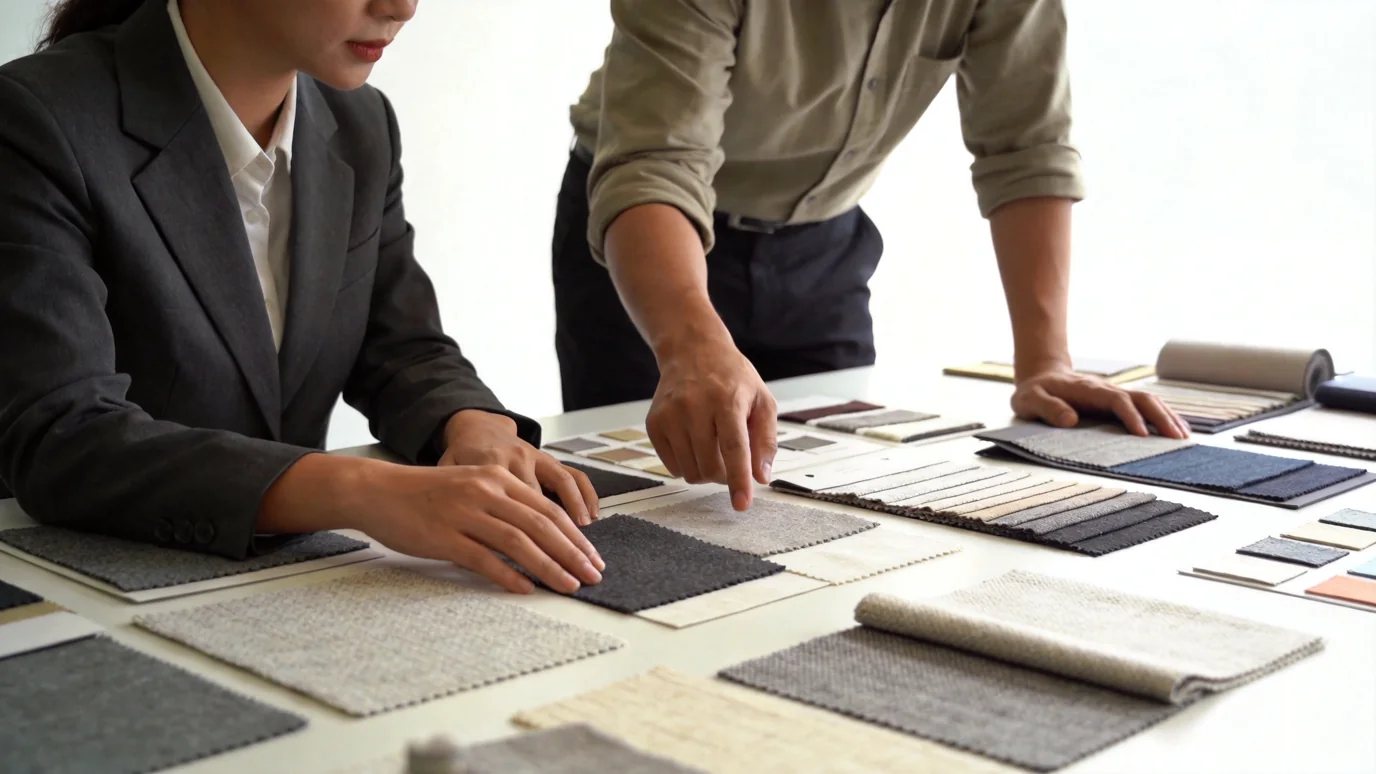
The traditional trade show circuit remains one of the most effective channels for connecting with factories, though it requires strategic navigation. Events like the Canton Fair in Guangzhou, Shanghai’s premier textile expositions, and regional fabric shows in Shaoxing and Shenzhen host thousands of manufacturers under one roof. The advantage lies in face-to-face evaluation: you can inspect sample quality, meet production managers, and gauge communication style in person. For startup founders willing to invest in travel, these events offer unparalleled access to the full ecosystem of Chinese manufacturing capabilities.
Online directories and B2B platforms provide another avenue, though with caveats about intermediary layers. Major platforms aggregate thousands of factories, making initial screening convenient. The challenge is distinguishing direct manufacturers from trading companies and identifying which factories actively seek small-batch work.
Filters for minimum order quantity and export experience help narrow results. Verification services on these platforms offer some assurance, though nothing replaces direct communication and sample evaluation.
Referrals from fellow founders yield the highest-quality connections. Founders who have navigated the manufacturing journey recommend factories that handled their volumes capably and warn away from problematic suppliers. Many startup-friendly factories rely heavily on word-of-mouth — a warm introduction dramatically improves your odds of securing favorable terms.
Professional sourcing agents offer another pathway, particularly for founders without the time or ability to travel. These professionals maintain relationships with vetted factories, understand production capabilities, and can negotiate terms on your behalf. Agent fees range from five to fifteen percent of production costs — a fair trade for access to qualified suppliers without extensive research and travel investment.
Local trade associations and business networks in your target market provide alternative connection channels. In the UK, organizations connecting fashion startups with overseas manufacturers often maintain curated lists of partner factories. Similar networks exist across European markets and North America. These connections typically offer less extensive options but may provide more tailored matching to your specific requirements.
Vetting Factories: Separating Real Partners from Brokers
The distinction between genuine manufacturers and trading intermediaries determines whether you access competitive pricing or pay unnecessary markups. Direct factories own production facilities, employ sewing operators, and maintain quality control teams. Trading companies coordinate production through contracted factories, adding a margin to the factory price while sometimes obscuring the actual production source. Identifying which category you are dealing with prevents overpaying and ensures you can communicate directly with those making your products.
Verification begins with straightforward questions about facility ownership and production capabilities. Ask for photos showing the actual factory floor, worker counts, and equipment inventory. Legitimate manufacturers readily share this information.
Request references from current clients, particularly those with order volumes similar to your anticipated needs. Direct factory managers discuss production details confidently, while intermediaries offer limited specificity about manufacturing processes.
Sample evaluation provides concrete evidence of production quality. Request samples of previously produced garments, ideally in similar styles to your planned production. Examine finishing quality, stitching consistency, and material handling.
Ask about their in-house quality control protocols: how many inspection points exist during production, what defect rate they consider acceptable, and how they handle quality issues that arise. Factories with robust quality systems provide detailed answers. Those relying on final inspection alone signal higher risk.
Financial transparency reveals the factory’s operational health and pricing honesty. Request itemized cost breakdowns that separate fabric, labor, finishing, and overhead components. Factories comfortable explaining their pricing structure demonstrate professionalism.
Watch for vague line items or suspiciously low fabric costs, which may indicate substandard materials or hidden markups. A genuine manufacturer explains costs rationally. A broker obfuscates to protect margins.
Third-party verification adds another layer of confidence to your vetting process. Business registration verification confirms the factory operates as claimed. Certification checks for quality management standards validate operational consistency.
For larger orders, engaging inspection services before production begins provides independent quality assessment. These steps require time and sometimes expense, but they significantly reduce partnership risk.
Understanding MOQ and Negotiating as a Startup

Minimum order quantities represent one of the most significant friction points for startup brands entering manufacturing. Factories impose MOQs to ensure production runs remain economically viable; small orders consume the same setup time and machine configuration as larger runs. MOQ expectations vary dramatically by factory type, with small-batch specialists accepting orders as low as fifty units per style, while traditional factories may require five hundred or more. Understanding this dynamic helps you target factories aligned with your launch quantities.
The economics behind MOQs relate directly to factory operational costs. Setting up a production line requires configuring machinery, sourcing materials, and allocating labor. These setup costs must distribute across enough units to make production economically viable.
A factory accepting fifty-unit orders would need to charge prices that would not compete in the market. MOQs function as economic gates ensuring factories only accept orders that make sense for their operational model.
Negotiation starts with recognizing that MOQs are often negotiable, particularly for new relationships. Factories value long-term partnership potential and may accept lower volumes in exchange for future commitment.
That’s how James Park, a London-based streetwear founder, got his start. He approached a Guangzhou factory with a 200-unit order — far below their 1,000-unit standard. Instead of walking away, he showed them his growth projections and pre-order numbers. The factory agreed to 200 units at a 15% premium, with the understanding that his next order would be 500. Within 18 months, he was ordering 2,000 units per season.
Suggest tiered arrangements: lower MOQ for the first order with increasing volumes in subsequent seasons. Frame yourself as a growing brand, not a one-time buyer. This positioning appeals to factories seeking to develop ongoing relationships with emerging brands.
Payment terms require similar strategic negotiation. Established factories often require thirty to fifty percent deposit upon order confirmation, with the balance paid before shipment. For new relationships, some factories request higher deposits or full payment upfront.
Propose progressive payment structures tied to production milestones: deposit upon confirmation, additional payment upon material procurement, final payment before shipping. These arrangements protect both parties while demonstrating your commitment to the partnership.
Volume discounts exist but rarely match the percentages founders expect. A common benchmark suggests ten percent discount for double the MOQ, with diminishing returns at higher volumes. Factories face genuine cost structures that limit discounting flexibility, particularly for small runs.
First-order pricing represents the floor for new accounts. Subsequent orders can receive incremental improvements as trust builds. Rather than aggressive price negotiation, focus on building the relationship.
Understanding the complete cost structure beyond unit pricing enables accurate budgeting. Fabric costs vary based on quality, origin, and volume. Finishing options add varying amounts depending on complexity.
Packaging and labeling incur separate charges. Shipping terms affect total cost significantly. Requesting comprehensive quotes that include all potential charges prevents surprises that damage profitability calculations.
Sample Development: Your Best Investment
You’ve spent months designing your collection. Don’t rush the sampling phase — that’s where most startups make their second-biggest mistake. The sample development phase determines whether your vision translates to production-ready output. Rushing this stage to save time or money creates downstream problems that cost far more to fix. Investing adequately in sampling ensures your tech pack accurately communicates requirements, the factory understands your quality expectations, and any construction challenges surface before committing to bulk production. This upfront investment typically ranges from three hundred to fifteen hundred dollars per style, depending on complexity and material costs.
Clear documentation accelerates the sampling process and reduces iteration cycles. Your tech pack should include detailed specifications for each component: measurements for each size, material requirements, finishing instructions, and reference images showing desired aesthetics. The more precisely you communicate requirements, the fewer samples you’ll need to request. Factory sample makers work from your documentation; vague instructions generate interpretation gaps that manifest as sample revisions.
Allow sufficient time for the sampling workflow. Standard timeline from tech pack submission to finished sample ranges from two to four weeks, depending on material availability and style complexity. Additional time accounts for potential revisions, particularly if the first sample reveals construction issues or fit problems.
Building buffer into your timeline prevents the pressure of compressed production schedules. Many startups underestimate this phase and end up rushing production to meet launch dates.
Communication during sampling matters significantly. Respond promptly to factory questions about specifications. Provide feedback on sample submissions within a few days rather than letting issues languish.
Detailed feedback on each sample version helps factories understand exactly what adjustments you require. This active engagement demonstrates professionalism and builds the factory’s confidence in your brand. The relationship formed during sampling sets the tone for all future production.
Sample evaluation requires systematic comparison against your original specifications. Check every measurement against your tech pack. Examine stitching density and finishing quality.
Test fabric behavior through normal handling. Evaluate how the garment drapes and moves. When samples deviate from requirements, document specific issues clearly.
Factory modification capabilities depend on understanding exactly what needs changing.
Building a Long-Term Partnership With Your Manufacturer
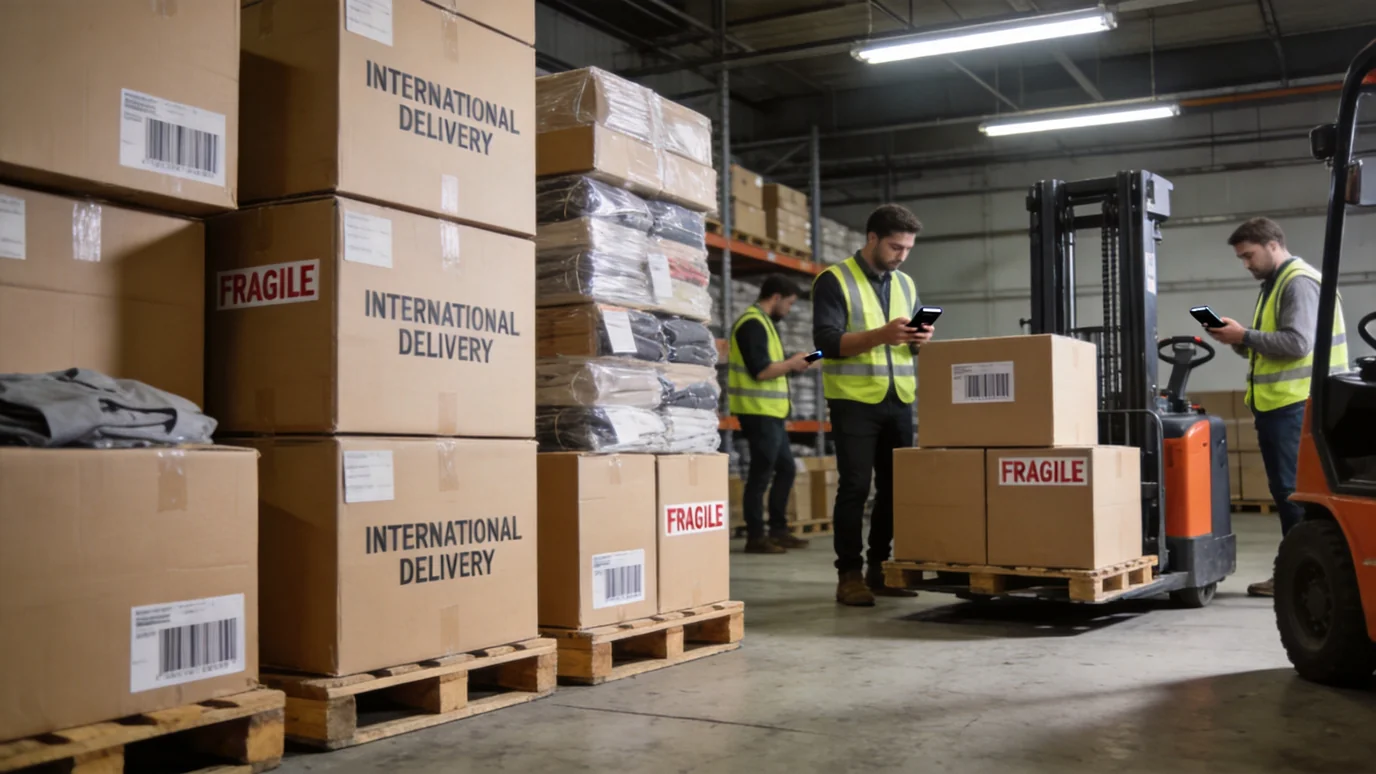
Manufacturing relationships improve dramatically when treated as partnerships rather than transactions. Factories that feel valued provide priority capacity during busy seasons, offer favorable pricing for reliable accounts, and invest in understanding your evolving requirements. This treatment requires consistent communication, fair payment practices, and genuine interest in mutual success. The goal is becoming a preferred customer rather than just another order in the queue.
Communication cadence should balance staying informed without overwhelming factory contacts. Regular updates during production keep both parties aligned on progress and any emerging challenges. Share forward-looking order forecasts so factories can plan capacity.
Provide feedback on received orders, noting what worked well and where improvement is needed. This information helps factories serve you better and demonstrates professional engagement with the relationship.
Problem resolution defines partnership quality more than problem avoidance. Every manufacturing relationship encounters issues at some point: delayed shipments, quality deviations, material substitutions. How you handle these situations determines whether the partnership survives.
Take it from Maria Santos, whose Barcelona-based knitwear brand survived a crisis precisely because of how she’d built the relationship. When her factory’s fabric supplier went bankrupt mid-production, the factory offered her three solutions — switch fabrics, delay production, or cancel. Because she’d paid on time and communicated clearly for two years, they prioritized her order and absorbed part of the cost. Her brand launched on schedule.
Approach problems collaboratively rather than adversarially. Seek solutions that work for both parties. Factories remember how you treated them during difficult moments.
Long-term planning creates mutual advantage. Share your brand’s growth trajectory and product roadmap so factories can prepare capacity and capabilities accordingly. Consider multi-season commitments in exchange for pricing stability or production priority.
Some brands develop dedicated production lines within factories, creating deeper integration. These arrangements require trust and track record but offer significant operational benefits for brands with consistent volumes.
Building mutual success through shared growth creates a virtuous cycle that benefits both parties. As your brand grows, your manufacturer benefits from higher volumes and more stable capacity utilization. Sharing your growth trajectory helps them plan investments and capacity additions.
Conversely, when your manufacturer succeeds and expands, you benefit from access to new technologies and more sophisticated production processes. This alignment transforms the manufacturer relationship from a cost center into a strategic asset.
Quality control processes deserve particular attention when evaluating potential manufacturing partners. Ask factories about their inspection protocols at each production stage: incoming material inspection, in-process quality checks, and final pre-shipment examination. Understand their defect tolerance thresholds and how they handle products that exceed acceptable defect rates.
Factories with robust quality systems typically catch issues early, preventing defective goods from reaching your customers. The cost of quality control is always less than the cost of returns, complaints, and damaged reputation.
Lead time expectations require alignment with your business planning cycles. Standard production timelines range from three to six weeks for basic garments, with more complex styles extending to eight or ten weeks. Account for fabric procurement time if not included in factory responsibilities.
Build buffer for potential delays during peak seasons or material shortages. Clear timeline expectations prevent the disappointment of missed launch windows and help you plan marketing activities around realistic delivery dates.
Choosing the right clothing manufacturer for startup demands thorough research, realistic expectations, and strategic relationship building. The process takes time — typically two to four months from initial search to production confirmation. But that investment pays dividends throughout your brand’s growth trajectory.
Here’s what it comes down to: your manufacturing partnership will shape your brand’s trajectory more than almost any other business decision. Focus on compatibility, communication capability, and long-term relationship potential. The right partner won’t just produce your products — they’ll grow with you.
Relaterade produkter
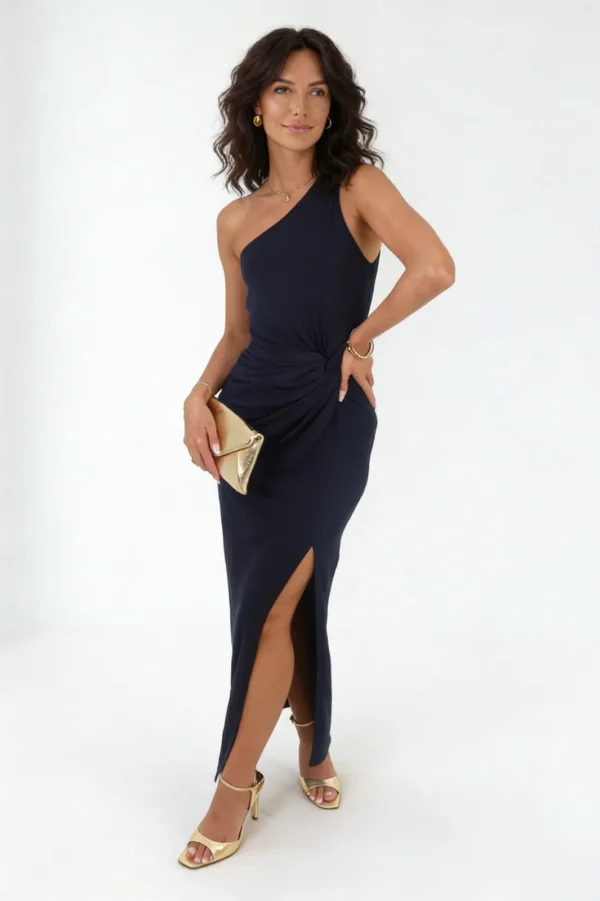
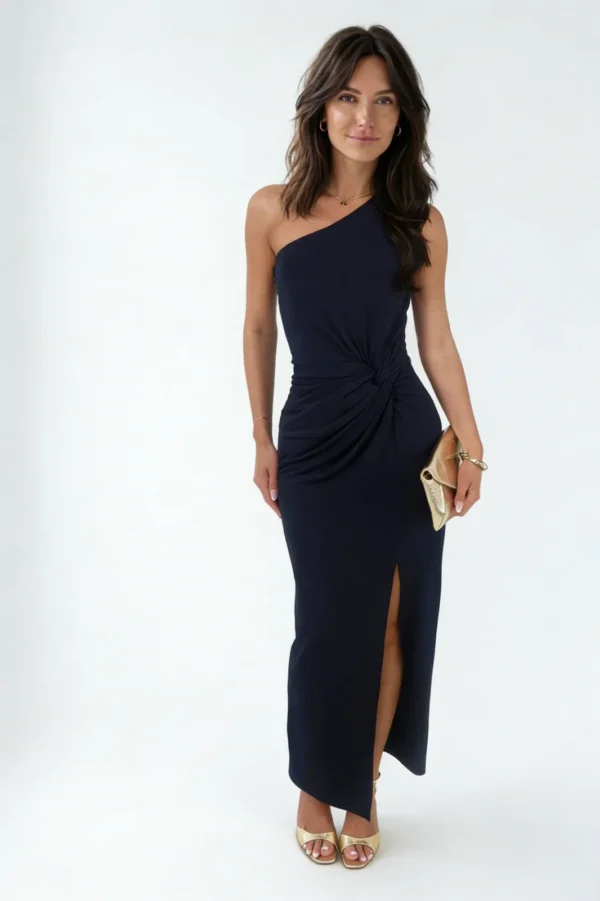
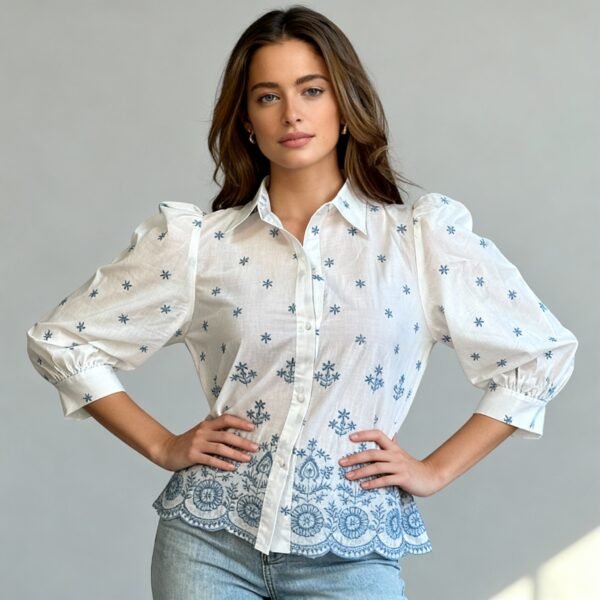
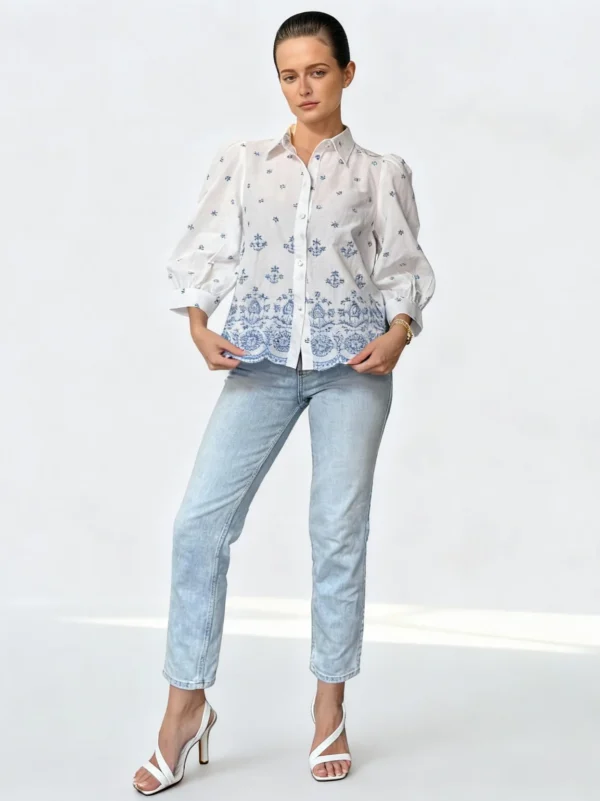
Browse these styles available for production:
Vanliga frågor och svar
What is a clothing manufacturer for startup brands?
A clothing manufacturer for startup brands is a production partner that accepts smaller minimum order quantities (100-500 units per style) and understands the flexibility needs of emerging fashion businesses. They offer lower MOQs, faster sample turnaround, and more accessible communication compared to large-scale manufacturers.
How do I find a manufacturer for my startup?
Use a multi-channel approach: B2B platforms like Alibaba (filter carefully for verified suppliers), industry trade shows like the Canton Fair, and founder communities for personal referrals. Sourcing agents can also connect you with startup-friendly factories for 8-15% commission.
What is the typical MOQ for clothing manufacturing?
MOQs range from 100 to 1,000 units per style depending on production type. Private-label starts at 100 units per colorway, cut-and-sew at 200-500 units, and full-package at 300-1,000 units. These numbers are negotiable, especially during factory slow seasons.
How do I verify a factory before placing an order?
Request a live video tour of the facility. Ask about their QC procedures, target defect rates (2-5% is standard), and request references from brands at your production scale. For larger orders, consider a third-party factory audit.
How long does the sample process take?
The complete three-stage process (proto to fit to pre-production) typically takes 8-12 weeks. Each stage requires 7-14 days for production plus shipping and 3-7 days for review. Never skip stages as each catches different issues.
Letar du efter stöd för tillverkning i Kina? Algo Bert Fashion är specialiserade på att hjälpa internationella varumärken att navigera i kinesiska klädfabriker, från provutveckling till kvalitetskontroll. Om du är redo att utforska produktionen i Guangzhou, få din kostnadsfria konsultation

 English (UK)
 Español
 Français
 Deutsch
 Português
 Italiano
 Polski
 Nederlands
 Svenska
 Русский
 Türkçe
 한국어
한국어