Provavelmente já ouviste isso mil vezes: “Conhece o teu tipo de corpo.” Mas, como vestido Como fabricante que passou anos a confecionar peças de vestuário para milhares de mulheres, posso garantir-lhe que escolher o vestido certo não tem a ver com encaixar-se numa categoria restrita — tem a ver com compreender o que fica bem com as suas proporções e o que a faz sentir-se confiante. Muitas mulheres têm dificuldade com isto porque seguem conselhos desatualizados ou tentam seguir regras que não se aplicam aos designs de vestidos modernos. Deixe-me partilhar o que aprendemos do lado da produção sobre como diferentes estilos de vestidos, cortes e métodos de confeção interagem, na prática, com vários tipos de corpo.
A chave para escolher o vestido perfeito reside na compreensão de como o tecido, a silhueta e os elementos estruturais se combinam para realçar as suas proporções naturais. Do ponto de vista de um fabricante de vestidos, cada peça é concebida tendo em conta características específicas do corpo — desde a localização das costuras até à elasticidade do tecido. Assim que souber o que procurar, as compras deixam de ser uma questão de tentativa e erro e passam a ser uma seleção estratégica. Quer seja baixa, alta, com curvas ou atlética, existe um tipo de vestido concebido com técnicas de confeção que irá realçar a sua silhueta de forma magnífica.
Índice
Compreender os tipos de corpo numa perspetiva de produção
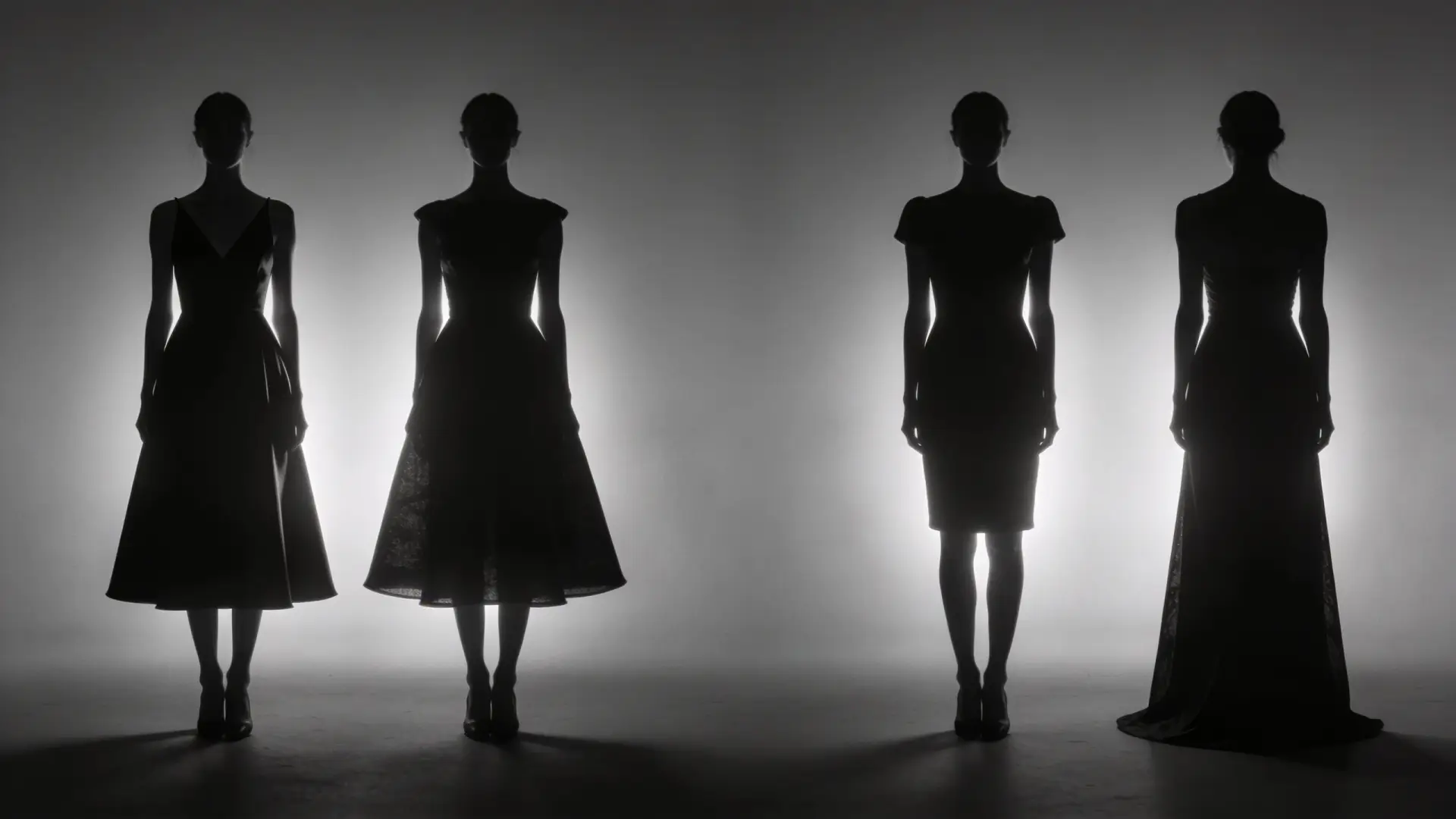
Nas nossas fábricas, não pensamos nos tipos de corpo da mesma forma que as revistas de moda. Em vez disso, focamo-nos nas medidas, nas proporções e na forma como o tecido cai em diferentes tipos de corpo. Os cinco tipos de corpo básicos — pêra, maçã, ampulheta, retângulo e triângulo invertido — são, na verdade, apenas pontos de partida para compreender onde se deve adicionar ou minimizar volume através de elementos de design.
Os corpos em forma de pêra têm ombros mais estreitos e ancas mais largas. Quando confecionamos vestidos para este tipo de corpo, focamo-nos em criar equilíbrio através de ombros estruturados, decotes em barco ou corpetes com detalhes que atraem o olhar para cima, ao mesmo tempo que utilizamos saias em linha A e partes inferiores em tons mais escuros para criar uma silhueta esguia. Os corpos em forma de maçã acumulam peso na zona abdominal, pelo que os nossos designs incorporam cinturas império, estilos cruzados e decotes em V que alongam o tronco e definem a parte mais estreita do corpo, logo abaixo do peito.
As silhuetas em forma de ampulheta apresentam ombros e ancas equilibrados, com uma cintura bem definida — as proporções ideais para muitas pessoas modelos de vestidos personalizados. Para este tipo de corpo, fabricamos modelos justos, vestidos cruzados e qualquer peça que realce a cintura. Os tipos de corpo retangular apresentam medidas semelhantes nos ombros, na cintura e nas ancas, pelo que criamos curvas visuais através de detalhes peplum, cintos na cintura e cortes assimétricos. Os corpos em forma de triângulo invertido, com ombros mais largos do que as ancas, beneficiam de vestidos que acrescentam volume abaixo da cintura — pense em saias rodadas, macacões de perna larga ou vestidos com bainhas detalhadas.
Passo 1: Meça-se com precisão
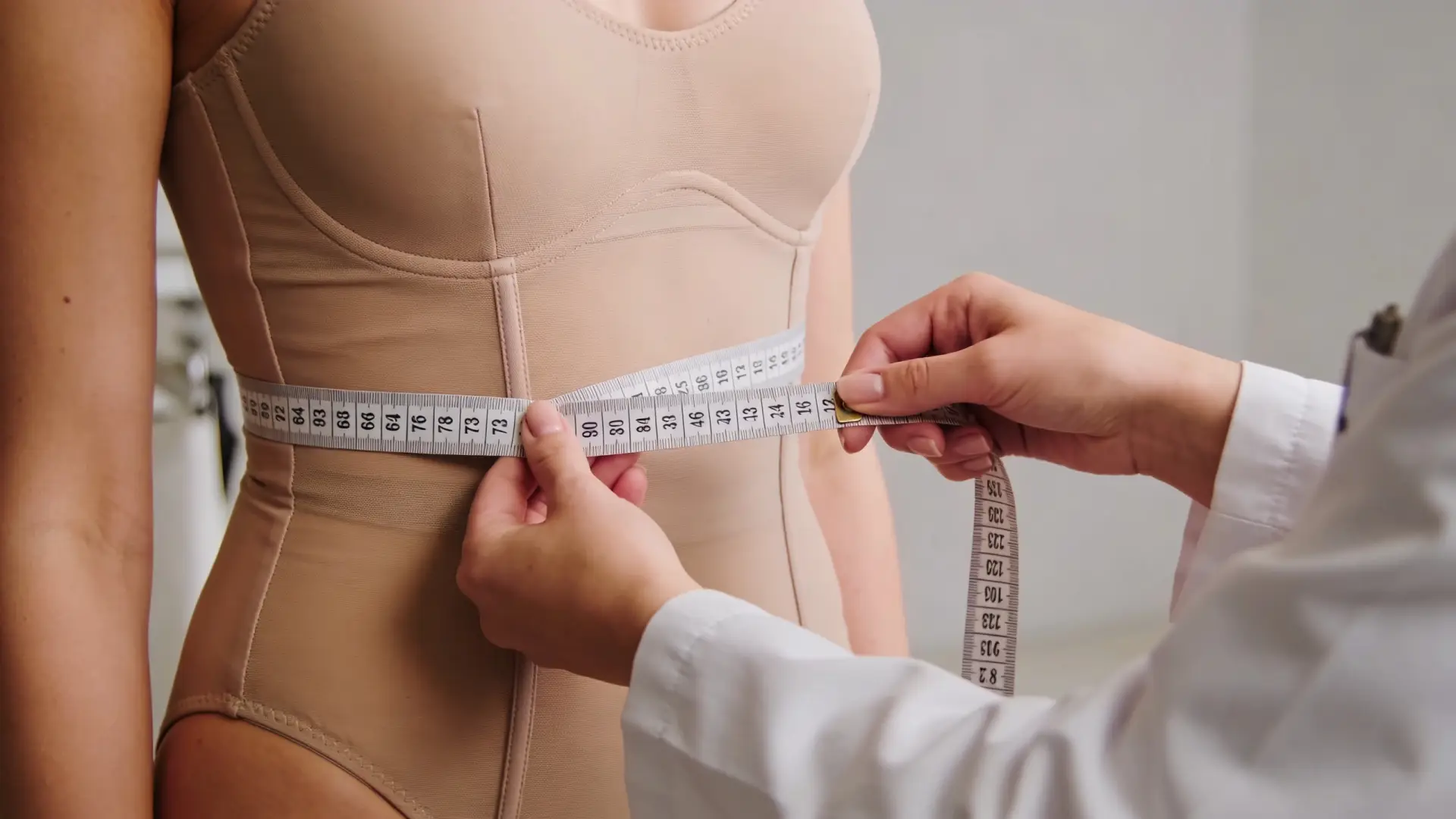
Antes de escolher o tipo de vestido certo, é necessário ter medidas precisas. É aqui que a maioria das pessoas comete erros: ou ignoram completamente esta etapa, ou tiram as medidas de forma incorreta. Medidas precisas são essenciais porque revelam as suas proporções reais, e não o tipo de corpo que pensa ter.
Comece por medir o busto, passando uma fita métrica à volta da parte mais volumosa do peito, mantendo a fita paralela ao chão. Não aperte demasiado; a fita deve ficar bem ajustada à pele sem comprimir nada. Em seguida, meça a sua cintura natural, que é normalmente a parte mais estreita do tronco, geralmente cerca de 2,5 cm acima do umbigo. Muitas mulheres cometem o erro de medir onde as calças assentam, que na verdade é a zona das ancas.
Para medir as ancas, contorne a parte mais larga das ancas e das nádegas, mantendo novamente a fita métrica paralela ao chão. Além disso, meça a largura dos ombros, da ponta de um ombro até à outra, passando pelas costas. Por fim, meça desde o ombro até ao ponto onde deseja que o vestido termine — isto ajuda a determinar o comprimento certo do vestido para a sua altura. Anote todos estes números e compare-os para compreender as suas proporções. Se o seu busto e ancas estiverem a menos de 2,5 cm um do outro e a sua cintura for significativamente mais estreita, é provável que tenha um corpo em forma de ampulheta. Se as suas ancas forem mais de 5 cm maiores do que o seu busto, tem um corpo em forma de pêra, e assim por diante.
Passo 2: Identifique as suas proporções verticais
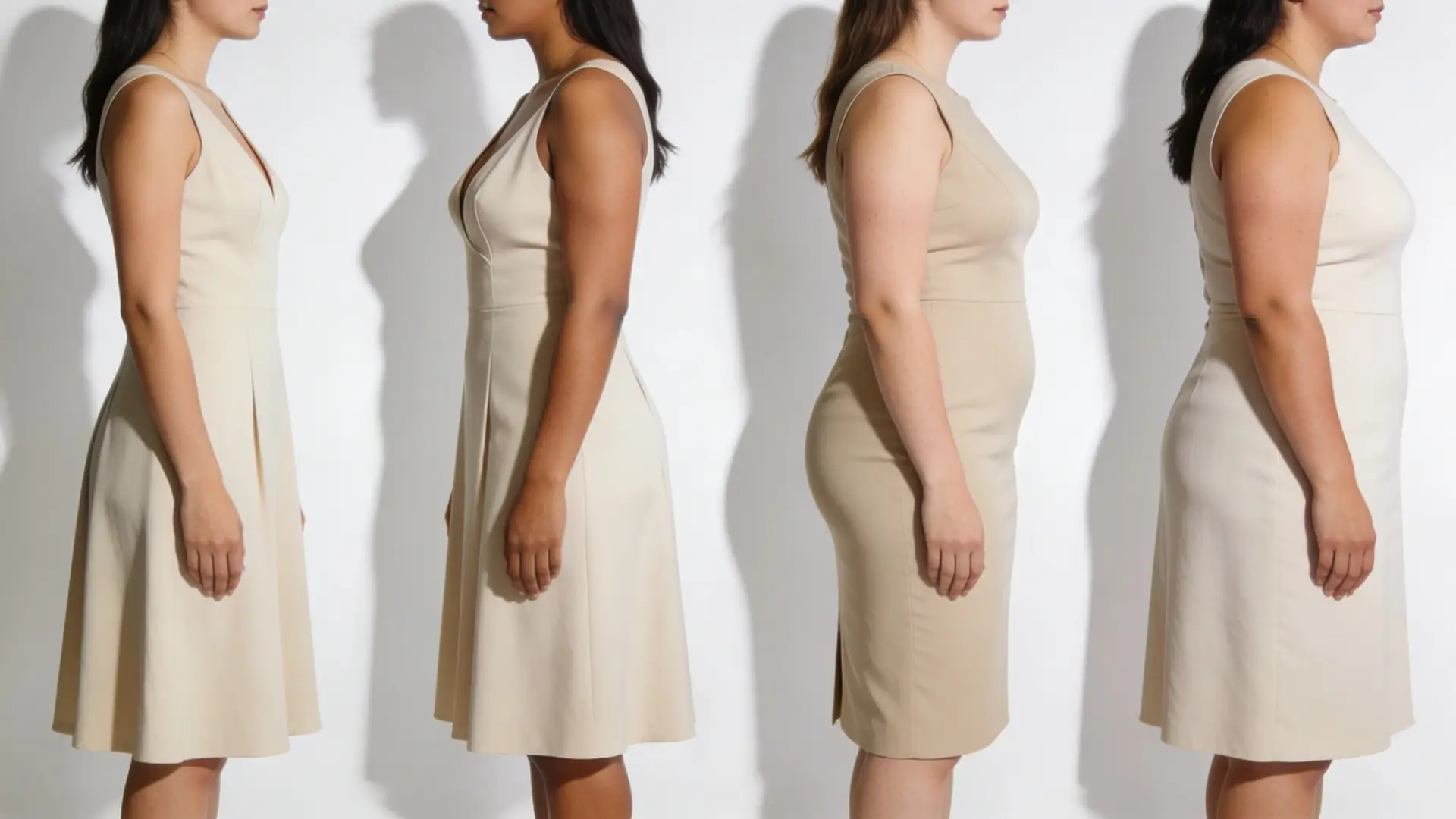
A altura e as proporções verticais são tão importantes quanto o tipo de corpo na hora de escolher um vestido. Do ponto de vista da confeção, criamos comprimentos e proporções diferentes especificamente para mulheres de estatura baixa, média e alta, uma vez que o tecido cai de forma diferente consoante as medidas verticais de cada uma.
As mulheres mais baixas (normalmente com 1,63 m ou menos) devem optar por vestidos com cintura mais alta, que criam a ilusão de pernas mais longas. Os vestidos midi podem sobrecarregar uma silhueta mais baixa; por isso, se gosta deste estilo, opte por modelos que fiquem logo abaixo do joelho, em vez de a meio da barriga da perna. Costumamos criar linhas para mulheres baixas com proporções ajustadas — corpetes mais curtos, cinturas mais altas e bainhas que não engolam a silhueta. Além disso, as mulheres baixas devem evitar o volume excessivo em vestidos maxi, a menos que a cintura seja claramente definida e posicionada mais alta.
As mulheres altas (com 1,75 m ou mais) enfrentam desafios diferentes. Os comprimentos padrão dos vestidos costumam ficar em pontos pouco favorecedores, e o que foi concebido como um vestido maxi pode parecer um vestido midi num corpo mais alto. Ao produzir para clientes altas, aumentamos o comprimento do tronco e acrescentamos alguns centímetros à bainha. As mulheres altas podem optar por estilos mais compridos, vestidos até ao chão e vestidos midi que, na verdade, ficam a meio da barriga da perna. Devem procurar marcas que ofereçam tamanhos para mulheres altas ou vestidos com alças ajustáveis e opções de tronco mais comprido.
As mulheres de estatura média têm maior versatilidade, mas as proporções continuam a ser importantes. Se tiver um tronco mais comprido e pernas mais curtas, opte por vestidos com cintura mais baixa ou com cintura descaída, que não a cortem no sítio errado. Se tem pernas mais compridas e um tronco mais curto, as cinturas império e os modelos de cintura mais alta vão ficar-lhe bem. Compreender as suas proporções verticais evita o erro comum de escolher um vestido que, tecnicamente, lhe assenta bem, mas que fica estranho porque a cintura fica no sítio errado ou a bainha fica num comprimento pouco lisonjeiro.
Passo 3: Escolha o decote certo para as suas características
Os decotes têm um papel mais importante do que a maioria das pessoas imagina. Do ponto de vista da confeção, concebemos cuidadosamente os decotes para equilibrar as características faciais, a largura dos ombros e o tamanho do busto. O decote certo pode alongar o pescoço, equilibrar ombros largos ou realçar um busto mais pequeno.
Os decotes em V favorecem todas as pessoas, pois criam linhas verticais que alongam o tronco e o pescoço. São particularmente eficazes para bustos mais volumosos, pois proporcionam uma separação natural e evitam que o peito pareça demasiado pesado. Fabricamos vestidos com decotes em V de profundidades variadas — um V raso funciona para bustos mais pequenos, enquanto um V mais profundo equilibra um peito mais volumoso. Os decotes redondos e em forma de coração também funcionam bem para bustos maiores, pois oferecem cobertura ao mesmo tempo que criam uma silhueta feminina.
Os decotes em barco e os modelos com ombros à vista são excelentes para ombros estreitos ou corpos em forma de pêra, pois conferem uma sensação de largura à parte superior do corpo. Quando criamos estes modelos, costumamos incluir elementos estruturados ou varas de reforço para garantir que o decote assente corretamente e crie o efeito de alargamento desejado. Os decotes halter atraem a atenção para cima e ficam lindamente em tipos de corpo atléticos ou retangulares que pretendem criar curvas, embora possam fazer com que ombros largos pareçam ainda mais largos; por isso, tenha cuidado se tiver um corpo em forma de triângulo invertido.
Os decotes quadrados e os decotes altos ficam bem em bustos mais pequenos, uma vez que não exigem um apoio significativo e criam linhas simples e modernas. No entanto, se tiver um pescoço mais curto, evite decotes altos que cortem na base do pescoço — farão com que o seu pescoço pareça ainda mais curto. Em vez disso, opte por decotes que desçam ligeiramente abaixo da clavícula para criar uma sensação de comprimento. Os diferentes decotes interagem com as suas proporções de formas específicas, pelo que compreender estas distinções ajuda-a a fazer escolhas estratégicas que realçam a sua aparência geral.
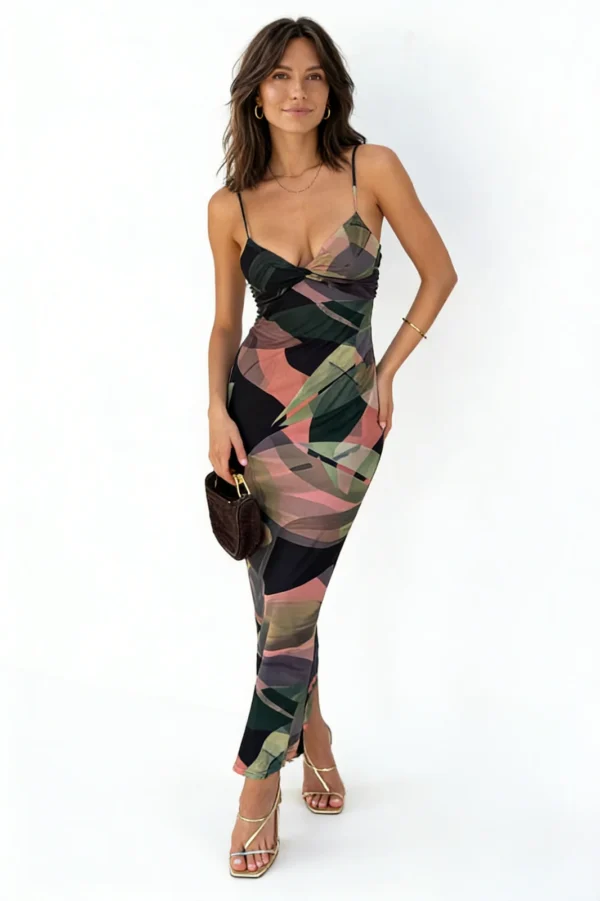
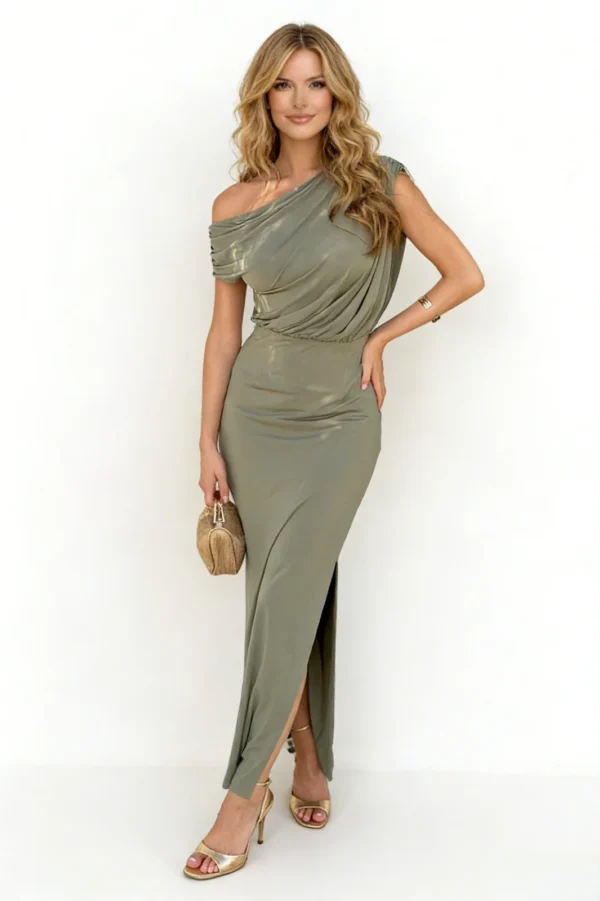
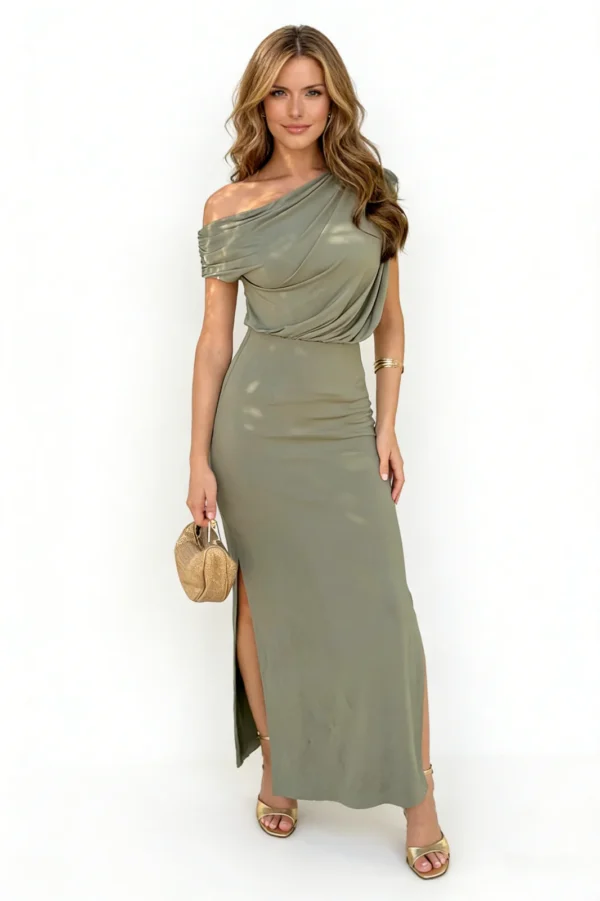
Passo 4: Escolha silhuetas que se adaptem ao seu tipo de corpo
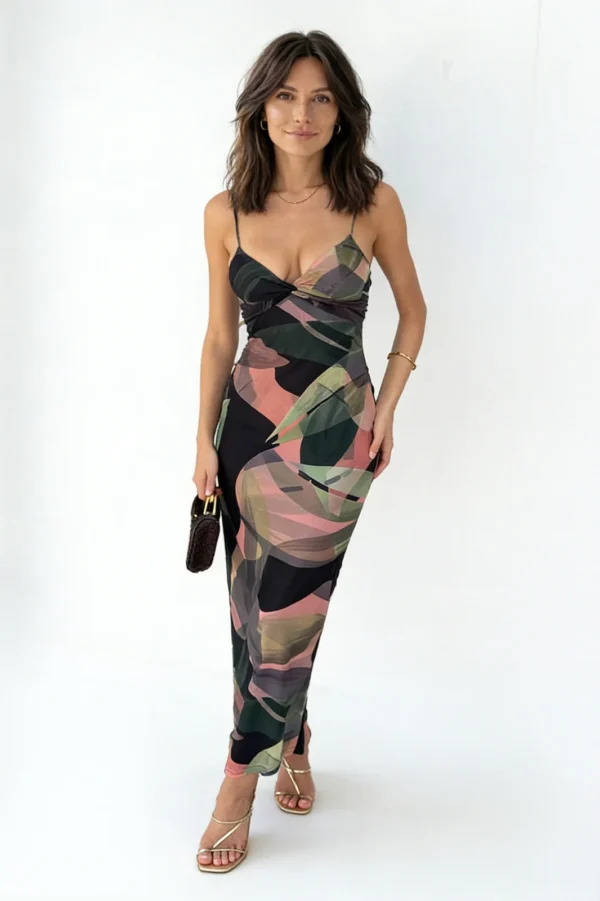
A silhueta é a forma geral do vestido, e é aqui que o conhecimento sobre os tipos de corpo se torna útil. As diferentes silhuetas são concebidas tendo em conta características específicas do corpo, desde a forma como o tecido é cortado até à localização das costuras, de modo a realçar ao máximo a figura.
Os vestidos em linha A são os grandes clássicos do mundo da moda, pois adaptam-se a quase todos os tipos de corpo. São justos na parte superior e alargam-se gradualmente a partir da cintura ou das ancas, criando uma silhueta triangular lisonjeadora. Fabricamos vestidos em linha A com vários pontos de partida para o alargamento — alguns começam mesmo na cintura natural (ideais para silhuetas em forma de ampulheta e de pêra), enquanto outros começam mais abaixo, na anca (mais adequados para silhuetas em forma de maçã e retangulares). A linha A é particularmente eficaz para corpos em forma de pêra, pois desliza sobre ancas mais largas sem se colar ao corpo.
Os vestidos tubulares são retos e justos, acompanhando as linhas naturais do corpo sem se alargarem. Estes vestidos ficam lindamente em silhuetas retangulares e em triângulo invertido, pois criam a ilusão de curvas através de costuras e pinças estratégicas. Ao confeccionar vestidos tubulares, utilizamos tecidos estruturados com corpo suficiente para deslizar sobre o corpo em vez de se colarem, e colocamos costuras princesa que criam a aparência de uma cintura definida, mesmo que a cintura natural de quem os veste não seja significativamente mais estreita do que as ancas.
Os vestidos justos na parte superior e rodados na parte inferior combinam um corpete justo com uma saia rodada, tornando-os ideais para silhuetas em forma de ampulheta e para quem deseja realçar a cintura. A confeção requer uma atenção especial ao ponto de transição entre as secções justas e rodadas — se este ponto não for bem definido, todo o vestido fica desequilibrado. Normalmente, colocamos esta transição na cintura natural ou ligeiramente abaixo, dependendo do tipo de corpo pretendido. Os vestidos com cintura império, que são justos logo abaixo do busto, são fabricados especificamente para corpos em forma de maçã e mulheres grávidas, porque definem a parte mais estreita do tronco enquanto caem soltos sobre a zona abdominal.
Os vestidos cruzados merecem uma menção especial, pois são incrivelmente versáteis. O laço ajustável permite um ajuste personalizado, e a linha diagonal criada pelo corte cruzado tem um efeito universalmente adelgaçante. Fabricamos vestidos cruzados com vários comprimentos de manga, volumes de saia e posições do laço para se adequarem a diferentes preferências. Funcionam particularmente bem em silhuetas em forma de ampulheta, mas podem realçar a maioria dos tipos de corpo quando devidamente ajustados. Se procura orientação sobre como trabalhar com fabricantes para desenvolvimento de amostras, compreender estas opções de silhueta é fundamental para transmitir a sua visão de design.
Passo 5: Tenha em conta a gramagem e a queda do tecido
O tecido que escolhe influencia significativamente o aspeto de um vestido no seu corpo, independentemente do corte. Selecionamos os tecidos com base na sua queda, elasticidade, gramagem e estrutura — fatores que interagem com o seu tipo de corpo de formas específicas.
Os tecidos estruturados, como a sarja de algodão, o linho pesado e a malha ponte, mantêm a sua forma e não se colam ao corpo. São excelentes para quem deseja disfarçar certas áreas do corpo — por exemplo, as pessoas com corpo em forma de maçã beneficiam da utilização de tecidos estruturados na zona abdominal, que contornam o corpo em vez de o revelarem. Utilizamos estes tecidos na confeção de saias em A, vestidos justos e qualquer modelo que precise de manter a sua forma independentemente do corpo que o veste.
Os tecidos esvoaçantes, como o chiffon, o jersey e a charmeuse de seda, caem lindamente e acompanham os movimentos do corpo. Estes tecidos são ideais para criar silhuetas fluidas e favorecem particularmente as figuras mais curvilíneas quando utilizados em modelos que não se ajustam demasiado ao corpo. No entanto, os tecidos muito leves podem revelar cada saliência e linha, pelo que frequentemente confecionamos vestidos com forros estratégicos ou utilizamos tecidos drapeados ligeiramente mais pesados para alcançar o equilíbrio certo.
Os tecidos elásticos, como as misturas de spandex e o algodão elástico, adaptam-se à forma do corpo. São uma faca de dois gumes: podem ser incrivelmente lisonjeiros quando utilizados em peças bem confecionadas, com painéis e costuras adequadas, mas também podem ser implacáveis se o corte não for perfeito. Ao fabricar vestidos elásticos, calculamos a percentagem exata de elasticidade necessária para que a peça se ajuste às curvas sem comprimir nem criar protuberâncias. Os corpos em forma de ampulheta e de pêra ficam frequentemente deslumbrantes em tecidos elásticos, porque estes acomodam as curvas naturalmente.
Os tecidos com textura, como o jacquard, o brocado e a renda grossa, conferem volume visual, pelo que devem ser utilizados de forma estratégica. Se pretender realçar as curvas num tipo de corpo retangular, os tecidos com textura num estilo justo na parte superior e evasê ficam lindamente. Se estiver a tentar minimizar uma área, opte por tecidos lisos e mate em tons mais escuros. A relação entre abastecimento de tecidos e a importância do aspeto final da peça de roupa não pode ser subestimada — o mesmo corte de vestido fica completamente diferente em algodão, em seda ou em poliéster.
Passo 6: Use as cores e os padrões de forma estratégica
A cor e os padrões são ferramentas que remodelam a sua silhueta através da ilusão de ótica. As cores escuras recuam e minimizam, enquanto as cores claras avançam e chamam a atenção. Do ponto de vista da confeção, utilizamos o color blocking, a disposição estratégica dos padrões e o contraste para criar efeitos visuais que complementam diferentes tipos de corpo.
Se tiver um corpo em forma de pêra, um vestido com a parte de cima de cor clara ou estampada e a parte de baixo escura cria equilíbrio, atraindo a atenção para cima e minimizando o destaque dos quadris. Se tiver um corpo em forma de triângulo invertido, um vestido com detalhes que chamem a atenção ou com cores mais claras na parte de baixo equilibra os ombros mais largos.
O color blocking — a utilização de painéis de cores contrastantes em diferentes zonas de um vestido — é uma técnica de confeção especificamente concebida para criar a ilusão de curvas ou alongamento. O color blocking vertical cria linhas longas e esguias que fazem com que pareça mais alta e mais magra. O color blocking horizontal pode alargar ou encurtar a silhueta, dependendo da sua disposição. Costumamos confeccionar vestidos com painéis estrategicamente posicionados: painéis mais escuros a percorrer verticalmente as laterais criam um efeito de emagrecimento imediato, enquanto um painel contrastante na parte central da frente atrai o olhar verticalmente.
Os padrões exigem uma escolha cuidadosa. Os padrões grandes e marcantes conferem volume visual, pelo que são mais indicados para criar curvas ou chamar a atenção. Os padrões pequenos e delicados minimizam e são mais adequados para áreas que se pretende disfarçar. Os padrões que cobrem toda a peça, em tamanhos médios, podem funcionar na maioria dos tipos de corpo, mas preste atenção à disposição do padrão — motivos florais ou geométricos que incidem em pontos pouco lisonjeiros (como diretamente sobre a parte mais volumosa das ancas) chamam a atenção exatamente para onde talvez não queira. Quando cortamos as peças dos padrões, posicionamos cuidadosamente os desenhos durante o processo de corte para garantir que os elementos-chave do design fiquem em locais favorecedores.
Passo 7: Preste atenção aos estilos e comprimentos das mangas
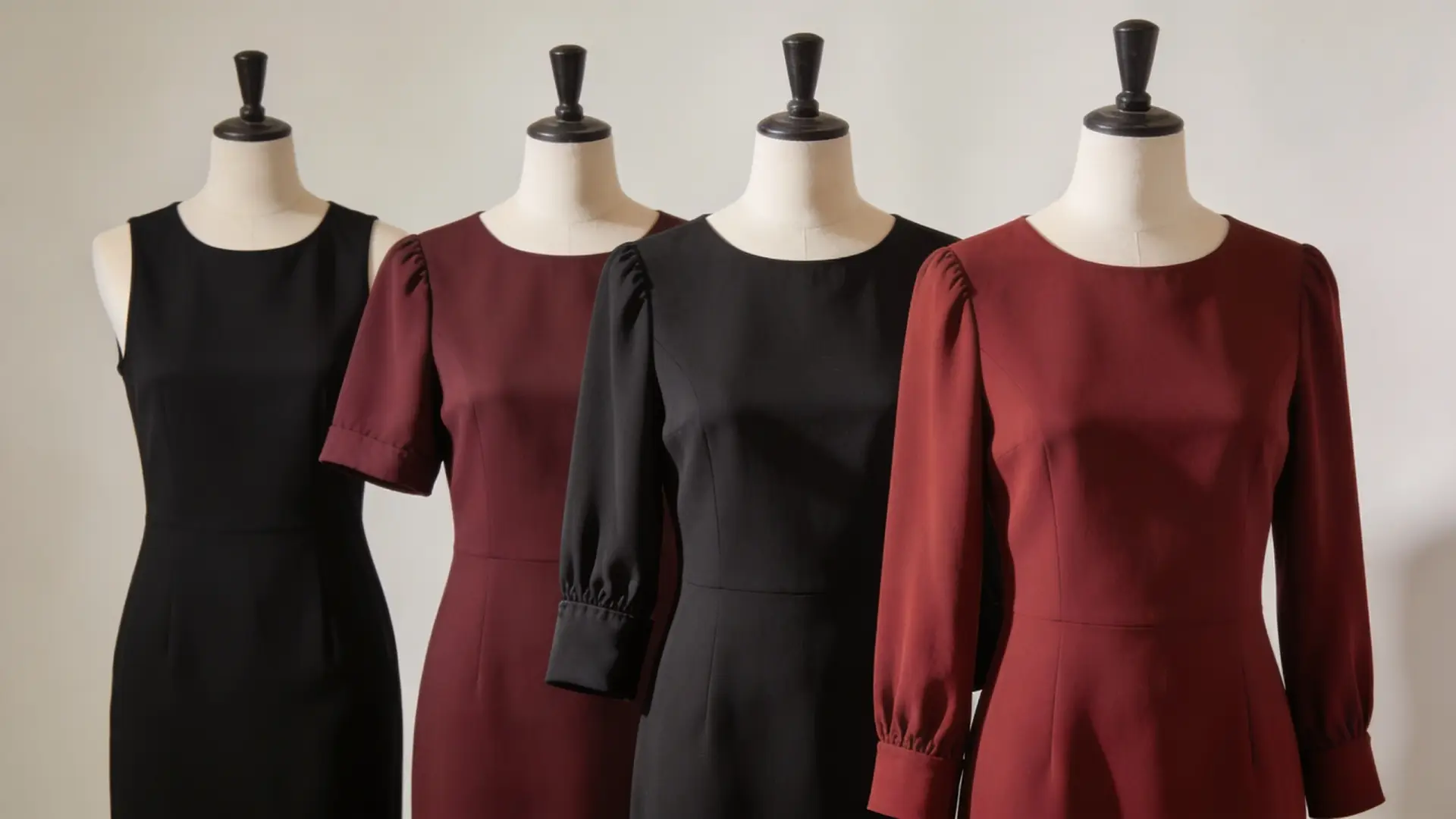
As mangas têm um impacto significativo na aparência e no conforto de um vestido no corpo. Os diferentes estilos de mangas podem equilibrar as proporções, cobrir áreas com as quais se sente menos segura ou criar um efeito visual que realça a sua silhueta.
Os vestidos sem mangas e com mangas curtas ficam lindos em mulheres de estatura pequena e magras, mas podem fazer com que os ombros largos pareçam ainda mais largos. Se tiver um tipo de corpo em triângulo invertido ou ombros atléticos, opte por vestidos com mangas que cubram um pouco os braços. As mangas três quartos e as mangas compridas são universalmente lisonjeiras, porque criam linhas verticais ao longo dos braços e podem ser ajustadas para terminarem no ponto mais lisonjeiro do seu antebraço ou pulso.
As mangas em forma de sino e as mangas esvoaçantes conferem volume e um toque visual interessante à parte superior do corpo, tornando-as excelentes opções para quem tem um corpo em forma de pêra e pretende equilibrar as ancas mais largas. Quando confecionamos estes modelos, controlamos cuidadosamente o volume para que acrescentem feminilidade sem sobrecarregar a silhueta. Se tiver ombros largos ou um corpo em forma de maçã, estas mangas volumosas podem acrescentar volume onde não o deseja.
As mangas estruturadas, como as mangas bufantes e as mangas em forma de perna de carneiro, ficam melhor em silhuetas que conseguem suportar o volume adicional sem parecerem sobrecarregadas. As mulheres com corpo em forma de ampulheta e as mulheres mais baixas com proporções equilibradas conseguem usar mangas dramáticas com grande elegância. Se pretende minimizar a parte superior do corpo, opte por mangas simples e justas ou modelos sem mangas com alças mais largas que proporcionem apoio sem acrescentar volume. Mangas mal confecionadas torcem-se, apertam ou criam linhas de arrasto pouco lisonjeiras ao longo dos ombros e das costas, pelo que é essencial um desenho cuidadoso do padrão para garantir que se ajustam corretamente à cava e caem bem.
Passo 8: Determine o comprimento certo do vestido para a sua altura
O comprimento do vestido influencia significativamente as suas proporções, e o comprimento “ideal” depende tanto da sua altura como do ponto em que as suas pernas terminam naturalmente. Fabricamos vestidos em versões mini, pelo joelho, midi, maxi e até ao chão, cada uma adequada a diferentes ocasiões e tipos de corpo.
Os mini-vestidos (que terminam a meio da coxa ou mais acima) são ideais para mulheres com belas pernas que querem exibi-las, independentemente do tipo de corpo. As mulheres muito baixas devem ter cuidado com mini-vestidos demasiado curtos, pois podem parecer mais uma fantasia do que um look elegante. Os vestidos na altura do joelho ficam bem em qualquer pessoa e são adequados para a maioria das ocasiões. Este comprimento funciona particularmente bem em ambientes profissionais e em mulheres de todas as alturas. O ideal é que a bainha fique mesmo na altura da rótula ou ligeiramente abaixo dela, que é normalmente o ponto mais favorecedor.
Os vestidos midi (que ficam a meio da barriga da perna) tornaram-se incrivelmente populares, mas podem ser difíceis de usar bem. Em mulheres mais baixas, o comprimento midi pode sobrecarregar a silhueta e fazer com que as pernas pareçam mais curtas, a menos que o vestido tenha cintura alta e uma silhueta bem definida. As mulheres altas ficam deslumbrantes em vestidos midi porque as proporções combinam naturalmente com a sua altura. O segredo é garantir que a bainha não fique na parte mais larga da panturrilha — opte por um comprimento logo abaixo do joelho ou na parte mais fina da perna.
Os vestidos maxi (que vão até ao tornozelo ou até ao chão) alongam a silhueta e podem ser incrivelmente favorecedores quando bem proporcionados. As mulheres mais baixas devem procurar vestidos maxi com detalhes verticais, cinturas bem definidas posicionadas mais acima e fendas que revelem um pouco da perna para quebrar o comprimento. As mulheres altas podem usar vestidos maxi com facilidade, embora devam certificar-se de que o vestido é realmente comprido o suficiente — o que é vendido como maxi muitas vezes fica apenas na altura do tornozelo em silhuetas mais altas. Para quem trabalha com um serviço de fabrico, ao especificar comprimentos finais exatos e oferecer várias opções de comprimento, pode alargar significativamente a sua base de clientes.
Passo 9: Compreender os detalhes de construção que são importantes
A confeção interna de um vestido — algo que a maioria das pessoas nunca vê — faz uma enorme diferença na forma como a peça se ajusta e realça o corpo. Uma confeção de qualidade cria uma silhueta mais elegante através de um trabalho de engenharia.
As pinças são essenciais para dar forma. São as pregas triangulares cosidas no tecido para eliminar o excesso de tecido e criar o contorno. As pinças no peito, na cintura e nas costas são estrategicamente colocadas para fazer com que uma peça plana de tecido se adapte às curvas tridimensionais do corpo humano. Um vestido sem pinças adequadas ficará a cair como um saco, independentemente do tecido ou do design geral. Ao fazer compras, procure vestidos com pinças visíveis ou invisíveis nos locais adequados ao seu tipo de corpo — as pinças no peito devem apontar para a parte mais volumosa do seu peito, as pinças na cintura devem definir a sua cintura natural e as pinças nas costas devem moldar o corpo sem puxar ou criar linhas de arrasto.
As varas e a estrutura interna são fundamentais para corpetes justos e modelos sem alças. Inserimos varas flexíveis (geralmente de plástico ou aço) em canais cosidos no vestido para ajudar a manter a sua forma e evitar que este enrole, deslize ou desmorone. Se já usou um vestido sem alças que escorrega constantemente para baixo, é provável que lhe faltassem varas adequadas. Para corpos em forma de maçã e para quem se preocupa com o apoio na zona abdominal, os vestidos com estrutura interna proporcionam um efeito alisante e modelador sem a necessidade de roupa modeladora adicional.
O forro é muitas vezes ignorado, mas faz uma diferença significativa. Um forro adequado melhora o caimento do vestido, evita a transparência, reduz o aparecimento de rugas e proporciona maior conforto ao contacto com a pele. Fabricamos vestidos forrados utilizando tecidos complementares que combinam com o caimento e o peso do tecido exterior — forros leves para vestidos esvoaçantes e forros estruturados para modelos de corte justo. Um vestido com forro de qualidade terá sempre um aspeto mais sofisticado e elegante do que uma versão sem forro do mesmo modelo.
A disposição das costuras e a utilização de painéis são escolhas estratégicas de construção. As costuras princesa (costuras verticais que vão do ombro ou da cava até à bainha) criam um efeito de emagrecimento e alongamento e permitem modelar a peça sem pinças visíveis. Os painéis laterais em cores contrastantes ou tecidos diferentes podem criar instantaneamente a ilusão de um corpo em forma de ampulheta. Observe onde as costuras caem no seu corpo — as costuras que ficam em pontos estranhos chamam a atenção, enquanto as costuras que seguem as suas curvas naturais as realçam. Para marcas interessadas na construção técnica de vestuário, o nosso processo de fabrico inclui o desenvolvimento detalhado de padrões que tem em conta estes pormenores cruciais.
Passo 10: Experimente e avalie bem o ajuste
Saber avaliar corretamente o caimento ao experimentar vestidos garante que faça a escolha certa. Muitas mulheres compram vestidos que quase lhes servem, pensando que vão ficar bem, mas acabam por deixá-los pendurados no armário. Eis como se define o caimento adequado do ponto de vista da confeção.
Os ombros devem assentar bem, sem ficarem esticados nem com folgas. As costuras dos ombros devem ficar na borda do ombro, sem descerem pelo braço nem esticarem sobre a omoplata. Se um vestido não assentar bem nos ombros, as alterações são difíceis e dispendiosas, porque toda a peça teria de ser reconstruída. Esta é uma área em que o ajuste é imprescindível.
A zona do peito deve proporcionar uma cobertura e um apoio adequados, sem ficar folgada, apertar ou criar o efeito «quadboob» (excesso de tecido acima do decote). Se o vestido tiver pinças no peito, estas devem apontar para a parte mais volumosa do peito e terminar cerca de 2,5 cm antes de a atingirem. Se o peito estiver a transbordar ou se houver excesso de tecido a franzir, o vestido não assenta corretamente. Alguns vestidos podem ser alterados na zona do peito, mas é um trabalho complexo que pode afetar o caimento geral e as proporções.
A cintura deve assentar na sua cintura natural ou na linha de corte pretendida (cintura império, cintura descida, etc.). Se um vestido for concebido com uma cintura marcada, deve realmente apertar na sua cintura, e não ficar solto acima ou abaixo dela. É importante compreender as suas proporções verticais — um vestido pode ter o tamanho certo, mas ter sido cortado para proporções diferentes das suas. Procure marcas que ofereçam opções para tamanhos petite, regular e alto, ou considere a possibilidade de mandar fazer à medida.
Os quadris e a zona do rabo devem ter espaço suficiente para se movimentar confortavelmente, sem que o vestido puxe, suba ou crie linhas de tensão horizontais no tecido. Deve ser possível sentar-se sem que o vestido fique desconfortavelmente apertado ou suba. Se houver excesso de tecido franzido ou solto nesta zona, o vestido é demasiado grande. Para modelos justos, o tecido deve deslizar suavemente pelo corpo sem se colar a cada contorno, a menos que esse seja especificamente o look que pretende.
O comprimento deve ficar na altura pretendida — na altura do joelho, a meio da barriga da perna, etc. Se um vestido for ligeiramente demasiado comprido ou curto, fazer a bainha é uma alteração simples. No entanto, se as proporções estiverem erradas (a cintura fica demasiado baixa e a bainha é demasiado comprida), fazer a bainha não resolverá o problema, porque não resolve a questão do comprimento do tronco. Isto é comum quando mulheres baixas ou altas usam vestidos de comprimento padrão concebidos para alturas médias.
Por fim, avalie como se sente com o vestido vestido. Precisa de o estar constantemente a ajustar? Sente-se à vontade para se mexer, sentar-se e esticar os braços? Consegue respirar com facilidade? Um vestido com o corte certo deve parecer uma segunda pele — seguro, confortável e que lhe transmita confiança. Se estiver constantemente a puxar, a ajustar ou a sentir-se constrangida, esse vestido não é a escolha certa, independentemente do seu aspeto no cabide. Compreender os aspetos técnicos da confeção de peças de vestuário, desde protocolos de controlo de qualidade desde a escolha do tecido, ajuda-te a tomar decisões informadas sobre quais os vestidos que realmente ficam bem no teu tipo de corpo.
Colaboração com fabricantes para soluções personalizadas
Se é proprietário de uma marca ou comprador e trabalha com fabricantes de vestidos, compreender os tipos de corpo e o caimento torna-se ainda mais fundamental. As decisões que toma durante o processo de desenvolvimento — desde a graduação dos moldes até à seleção dos tecidos — têm um impacto direto na capacidade dos seus vestidos de realçar a silhueta das suas clientes-alvo.
Ao desenvolver um novo modelo de vestido, criamos sempre amostras em vários tamanhos e em manequins que representam diferentes tipos de corpo. Isto permite-nos ver como a peça fica em diferentes constituições físicas e fazer os ajustes necessários antes da produção em série. A graduação de moldes — o processo de aumentar ou diminuir um molde para criar tamanhos diferentes — não se resume simplesmente a tornar tudo proporcionalmente maior ou menor. Gamas de tamanhos diferentes requerem proporções diferentes. Os moldes de tamanhos grandes necessitam de proporções diferentes entre as medidas do busto, da cintura e das ancas, em comparação com os moldes de tamanhos normais.
As quantidades mínimas de encomenda (MOQ) são sempre um fator a ter em conta ao trabalhar com fabricantes. Atualmente, muitas fábricas oferecem opções com quantidades mínimas de encomenda reduzidas que permitem às marcas emergentes testar modelos sem se comprometerem com grandes tiragens de produção. Esta flexibilidade é inestimável quando se tenta determinar quais os modelos de vestidos que melhor agradam à sua clientela específica. Compreender custos de fabrico de vestuário ajuda-o a definir o preço adequado para os seus vestidos, mantendo os detalhes de confeção de qualidade que tornam as peças verdadeiramente lisonjeiras.
A comunicação com o seu fabricante é essencial. Forneça fichas técnicas detalhadas que especifiquem não só as medidas, mas também os detalhes de confeção, a estrutura interna e os padrões de qualidade. Se o seu público-alvo for constituído por tipos de corpo específicos, comunique isso claramente para que o fabricante possa aconselhar sobre ajustes nos moldes, escolha de tecidos e técnicas de confeção que otimizem o caimento para o seu cliente. A relação entre a marca e o fabricante é colaborativa, e os melhores resultados advêm de um diálogo aberto sobre as intenções de caimento e as necessidades do cliente-alvo. A nossa Guia de desenvolvimento do pacote técnico fornece informações essenciais para transformar a visão do projeto numa realidade concreta.
Conclusão: Vestidos concebidos à medida do seu corpo
Escolher o vestido certo para o seu tipo de corpo não tem a ver com seguir regras rígidas, mas sim com compreender a relação entre as suas proporções e a construção da peça. Ao medir com precisão, identificar o seu tipo de corpo e proporções verticais, selecionar decotes e silhuetas adequados, escolher tecidos e cores que lhe favoreçam, prestar atenção às mangas e ao comprimento, compreender os detalhes de confeção e avaliar corretamente o caimento, fará escolhas seguras que resultarão em vestidos que realmente usará e adorará. O seu próximo passo é medir-se utilizando o processo descrito no Passo 1 e, em seguida, usar essas medidas como ponto de referência ao experimentar vestidos. Esta simples ação transforma as compras de um ato de adivinhação num processo estratégico — e essa é a diferença entre um vestido que fica pendurado no seu armário e um que se torna o seu favorito.
Perguntas mais frequentes
Qual é o estilo de vestido que mais favorece um corpo em forma de pêra?
Os vestidos em linha A e os modelos justos na parte superior e largos na parte inferior são os mais indicados para quem tem um corpo em forma de pêra, pois equilibram as ancas mais largas com corpetes estruturados ou adornados. Procure vestidos com decotes em barco, designs com ombros à vista ou tops com detalhes que chamem a atenção para a parte superior, combinados com saias que deslizem sobre as ancas em vez de se colarem ao corpo. Cores escuras na parte inferior e tecidos mais claros ou estampados na parte superior criam um equilíbrio visual adicional.
Como posso saber se o comprimento de um vestido midi fica bem na minha altura?
Os vestidos midi ficam melhor quando terminam na parte mais fina da perna, normalmente alguns centímetros abaixo do joelho ou logo acima do tornozelo — nunca na parte mais larga da barriga da perna. As mulheres mais baixas (com 1,63 m ou menos) devem procurar vestidos midi de cintura alta e silhuetas definidas para evitar parecerem esmagadas pelo comprimento. As mulheres altas geralmente ficam lindas com comprimentos midi, embora devam certificar-se de que a bainha chega realmente a meio da panturrilha, em vez de ficar estranhamente abaixo do joelho.
Que corte de vestido fica melhor num tipo de corpo retangular?
As pessoas com corpo retangular ficam bem com vestidos que criam a ilusão de curvas através de elementos de design estratégicos. Vestidos justos na parte superior e rodados na parte inferior, estilos cruzados, detalhes peplum e cintos na cintura conferem definição às zonas onde a sua silhueta é mais reta. Os vestidos tubulares com costuras princesa ou painéis também podem funcionar bem, pois estes detalhes de construção criam a aparência de curvas através de costuras estratégicas, em vez de dependerem das indentações naturais do seu corpo.
Devo escolher um tamanho acima ou abaixo se um vestido não me servir na perfeição?
Escolha o tamanho com base na sua medida mais larga e, se necessário, mande ajustar o vestido. Se o seu peito exigir um tamanho maior, mas a cintura ficar demasiado folgada, é mais fácil apertar a cintura do que alargar uma zona do peito demasiado apertada. No entanto, se os ombros não servirem, aumentar ou diminuir o tamanho não resolverá o problema, porque as alterações nos ombros exigem a reconstrução de toda a peça. Em caso de dúvida, opte pelo tamanho que se adapte corretamente aos seus ombros e busto, pois estas são as áreas mais difíceis de alterar.
Os vestidos caros assentam melhor do que as opções mais económicas?
O preço nem sempre está relacionado com um melhor caimento, mas reflete frequentemente melhores detalhes de confeção, como varas de reforço adequadas, forros de qualidade, pinças estratégicas e um desenvolvimento de moldes superior. Os vestidos de preço mais elevado utilizam normalmente tecidos de melhor qualidade, que caem de forma mais lisonjeira e mantêm a sua forma ao longo do tempo. No entanto, muitos fabricantes de gama média produzem agora vestidos bem construídos, com uma estrutura interna adequada, a preços acessíveis. O segredo está em saber quais os detalhes de confeção a procurar — pinças adequadas, costuras de qualidade, forro apropriado e desenvolvimento cuidadoso dos moldes — independentemente do preço.





 English (UK)
 Español
 Français
 Deutsch
 Português
 Italiano
 Polski
 Nederlands
 Svenska
 Русский
 Türkçe
 한국어
한국어