
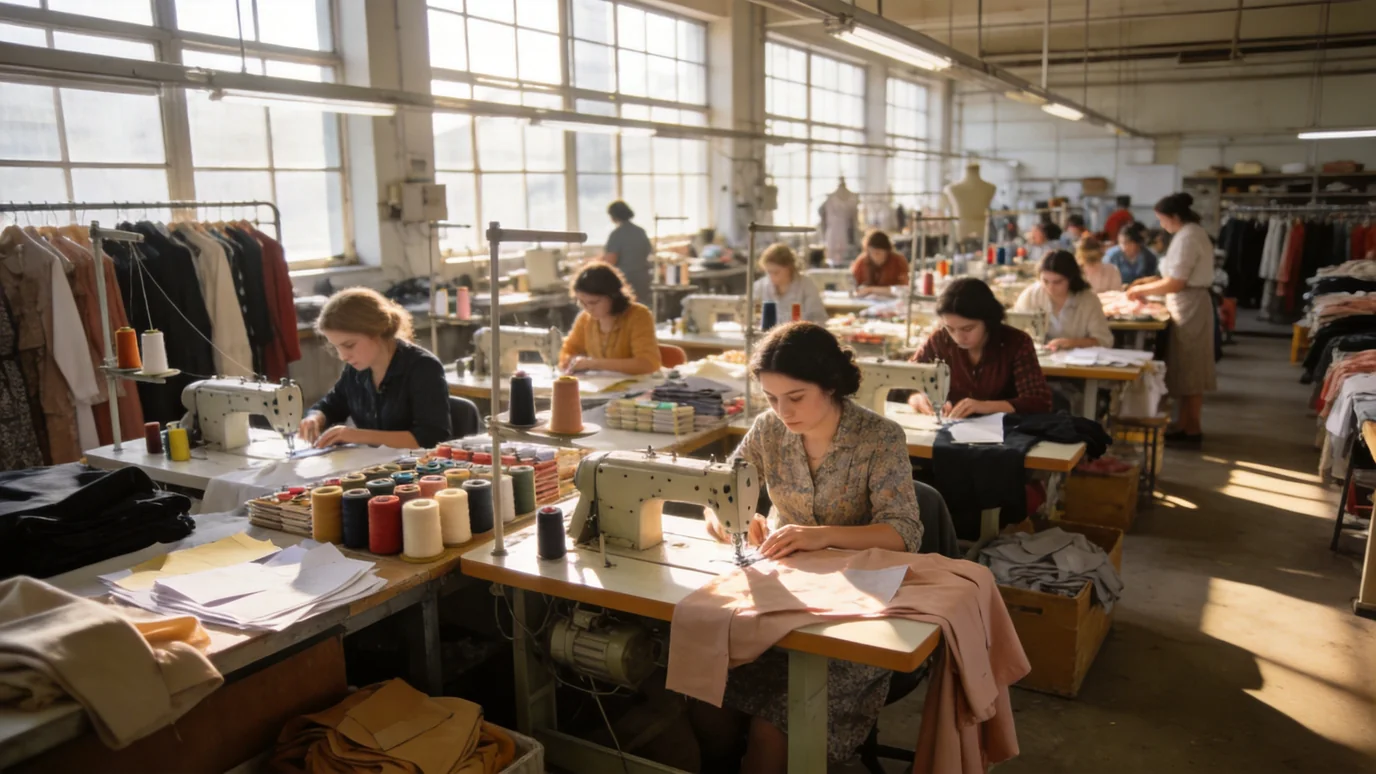
Launching your own women’s fashion brand is an exhilarating leap. Sourcing women’s clothing from factories is the make-or-break skill many brands need to master. Behind every beautiful garment is a complex manufacturing maze that can feel overwhelming, especially for first-timers. The stakes are high-a wrong turn means wasted capital, delayed launches, and serious stress. Think of this guide as your trusted mentor. We’ll walk you through the entire journey from idea to production with practical, error-proof steps.
목차
Understanding the Unique Aspects of Women’s Clothing Manufacturing
Women’s wear presents distinct challenges in production. It’s not like making basic commodities. Women’s clothing often involves intricate details, a huge range of fabrics, and a high sensitivity to fit and drape.
Specific considerations for women’s wear fabrics and designs are critical. Delicate fabrics like silk, chiffon, and lace need specialized handling. Complex constructions-think draped necklines or bias-cut skirts-demand experienced pattern-makers. Also, the industry’s fast trend cycles mean factories must be agile, moving quickly from sketches to samples.
Common sourcing challenges? Finding a factory that truly specializes in your niche. A denim expert might not have the finesse for fine knitwear. Quality consistency across complex styles is another hurdle, as is managing a wider size range, which complicates grading. Successful sourcing women’s clothing from factories starts with understanding these nuances before you reach out to potential partners.
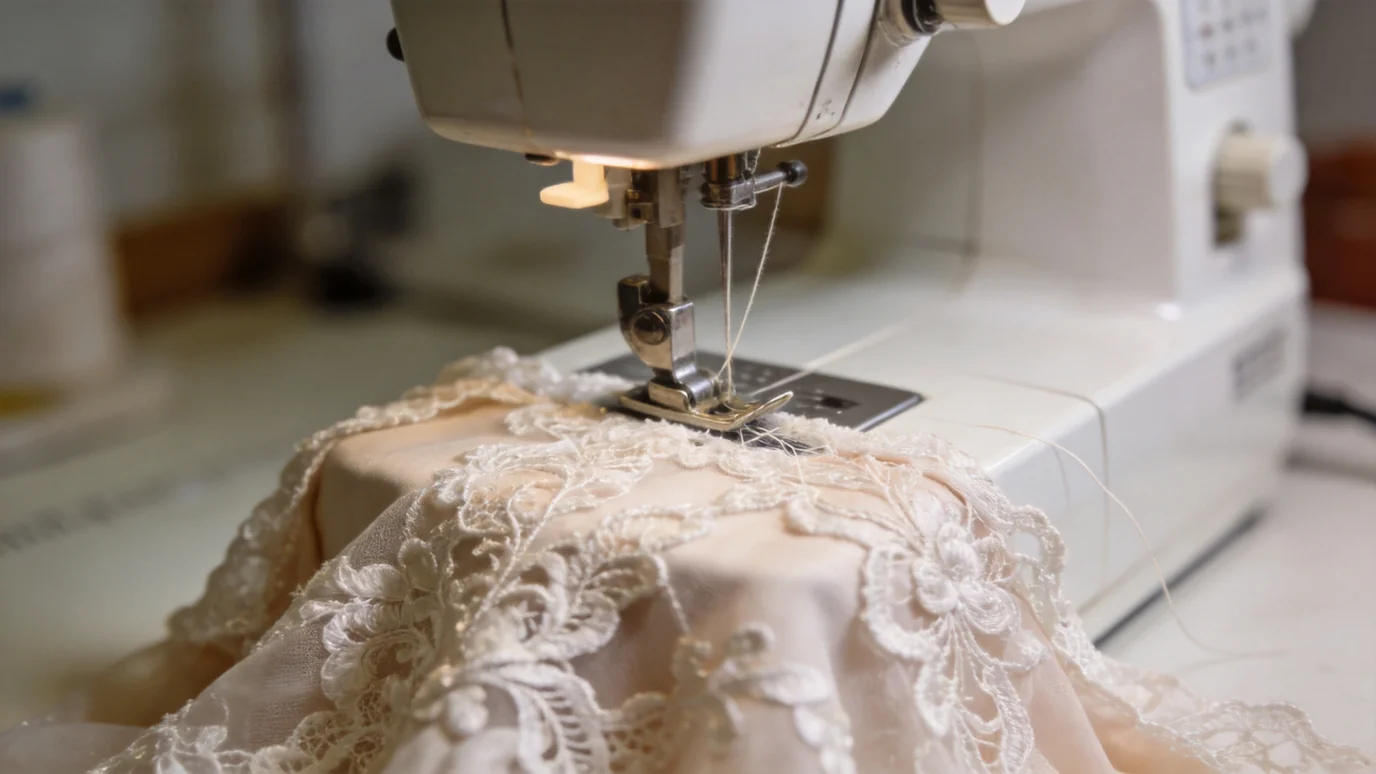
This can feel overwhelming, but preparation is your antidote. Before you contact a single factory, have a clear vision of your brand’s aesthetic and your first collection’s key pieces. This clarity will guide everything.
Step-by-Step Guide to Sourcing Women’s Clothing from Factories
Selecting your manufacturing partner is the most critical decision you’ll make. Treat it as hiring a key business partner, not just a vendor.
Research methods: online platforms, trade shows, referrals are your starting points. Online platforms like Alibaba 또는 메이커스 로우 offer vast directories. Use specific filters for “women’s apparel.” Trade shows, such as Première Vision, let you see fabrics and meet reps in person. And don’t underestimate referrals from industry contacts-they come with a layer of vetted trust.
Key criteria: specialization, certifications, communication style should be your checklist. Does their portfolio match your product type? Ask for examples. Certifications like BSCI, WRAP, or OEKO-TEX signal ethical and quality standards. But perhaps most telling? Their communication from the first email. Are they responsive, clear, and proactive? That early interaction predicts future collaboration.
Watch for red flags like vague answers about pricing, unwillingness to share references, or insisting on 100% upfront payment. A reputable factory has transparent processes and sees your growing brand as a potential long-term partner. When sourcing women’s clothing from factories, trust your instincts-if something feels off during early communication, it likely is.
Communication Best Practices for Effective Collaboration
Clear communication bridges the gap between your vision and the factory’s execution.
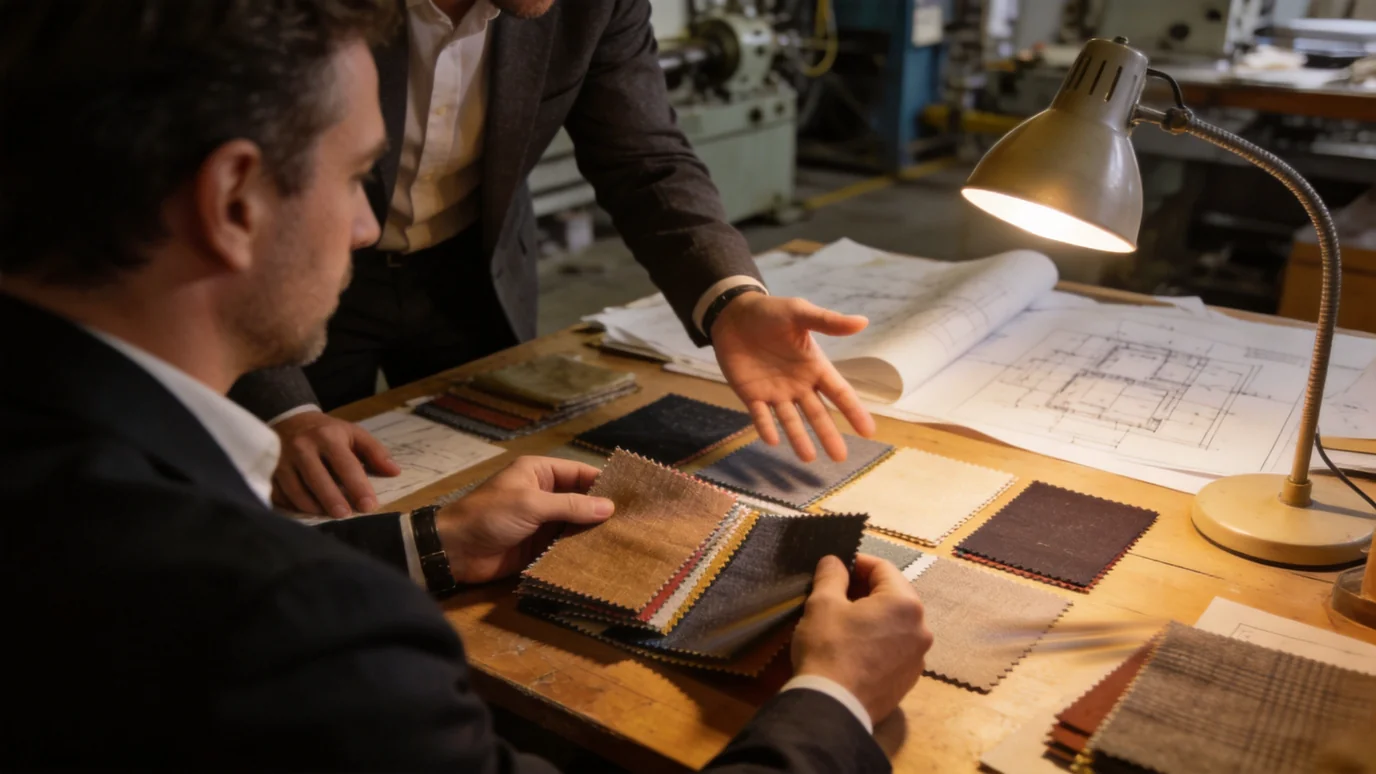
Overcoming language and cultural barriers starts with patience and clarity. Use simple, direct language and confirm understanding. Visual references are universally powerful-include photos of similar garments and detailed sketches.
Essential documents: tech packs, specs, and contracts are your backbone. A comprehensive 기술 팩 is non-negotiable. It includes technical drawings, measurements, and construction notes. Detailed spec sheets and a clear contract outlining MOQ, price, lead time, and payment terms prevent misunderstandings.
Building rapport and setting clear expectations turns a transactional relationship into a partnership. Invest time in video calls. Be respectful of their expertise while firmly stating your standards. Setting expectations for response times, sample revisions, and quality benchmarks from the start creates a smooth workflow.
Navigating the Sampling and Prototyping Process
The sampling phase is where your ideas take physical form. This is a critical investment in risk mitigation. Understanding the difference between sampling and bulk production helps you plan your budget and timeline effectively.
How to request and evaluate samples effectively: Always start with a prototype sample to check design and fit. Follow with a pre-production sample once materials are approved. Evaluate samples rigorously against your tech pack and wear-test them. Does the fabric hang correctly? Are the seams smooth?
Managing feedback loops and revisions: Provide consolidated, clear, and visual feedback. Use photos with arrows pointing to specific areas. Be specific (“tighten this dart 0.5cm”), not subjective (“make it better”). Expect 2-3 rounds of revision and factor this into your timeline.
Cost considerations and timelines for sampling: Be prepared to pay for samples. Costs vary-a simple t-shirt sample might cost $50, while a structured blazer could be $200+. The process alone can take 4-8 weeks, so plan your calendar accordingly. This investment in sampling is one of the most important steps in sourcing women’s clothing from factories successfully.
MOQ Considerations and Negotiation Strategies
MOQ, or Minimum Order Quantity, is often the biggest hurdle for new brands. Our complete guide to what MOQ means explains why factories set minimums and how to negotiate them.
Understanding what MOQ means and why it matters: The MOQ is the smallest number of units a factory will produce for a single style. Factories have fixed costs-materials, machine time, setup. A low MOQ absorbs those costs across fewer units, raising the per-unit price.
Tips for negotiating lower MOQs as a new brand: Be transparent about your launch stage. Ask if the MOQ can be combined across several styles (e.g., 300 units total across 3 styles). Consider a slightly higher per-unit price for a lower MOQ. Building a professional relationship can grant flexibility.
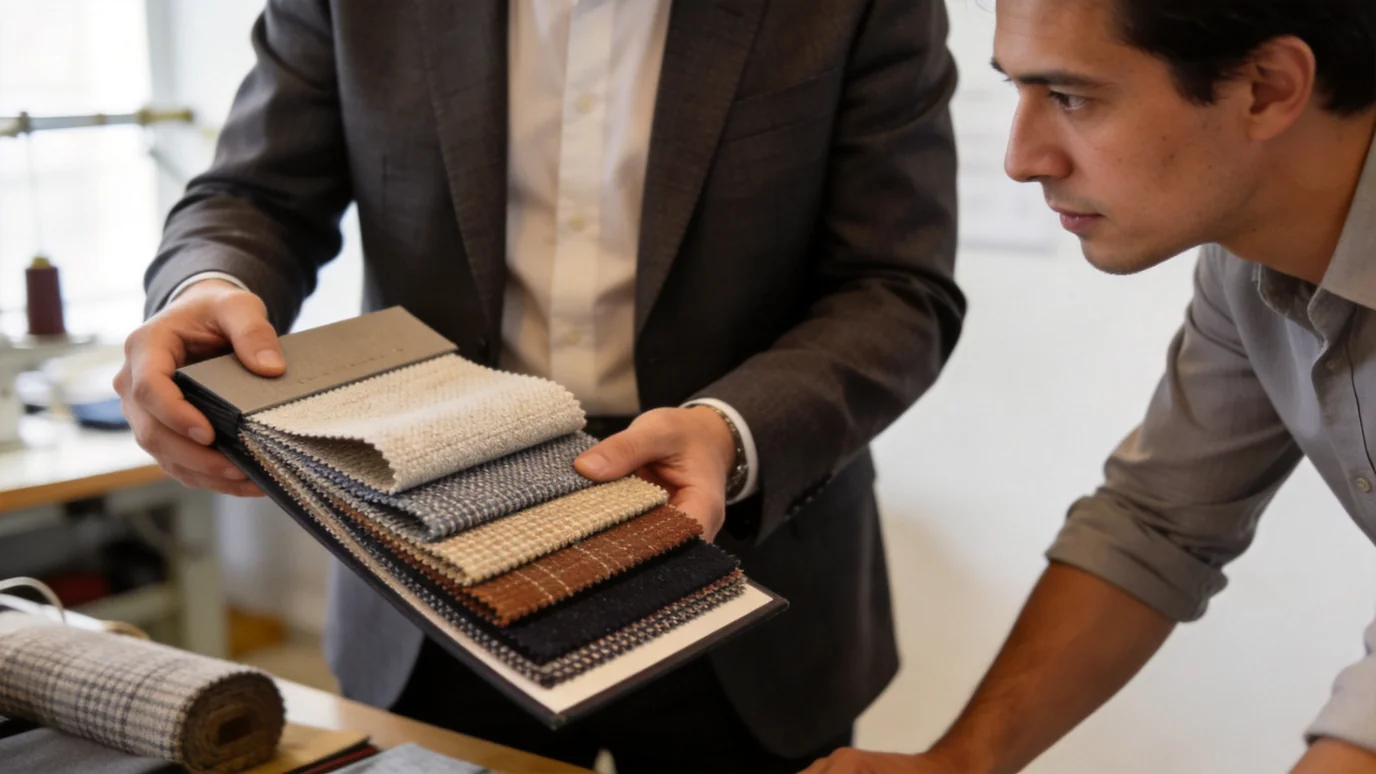
Alternatives like fabric minimums or style mixing: Some factories set MOQs at the fabric level. See if you can use that fabric for multiple styles. Another option? Start with a domestic cut-and-sew workshop for small batches to prove your concept before moving overseas.
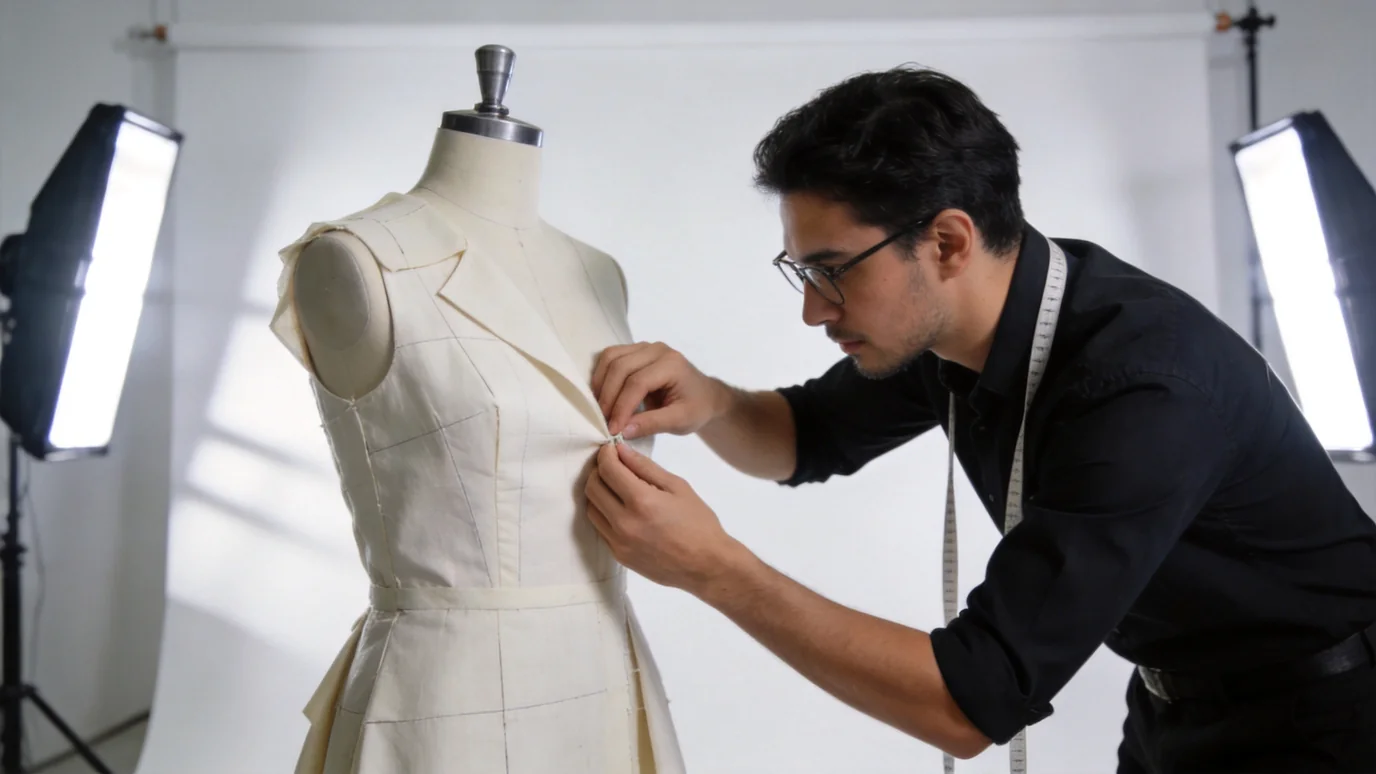
Ensuring Quality Control in Production
Quality is non-negotiable for building a reputable brand. A proper clothing quality control process ensures your garments meet the standards your customers expect.
Quality standards specific to women’s clothing: Pay extra attention to symmetry (on collars, pockets), secure stitching on stress points, and colorfastness. Ensure embellishments like buttons and zippers are secure and functional. These standards are non-negotiable when sourcing women’s clothing from factories, as even small defects can harm your brand’s reputation.
Inspection techniques: during and post-production: Hire a third-party quality control (QC) service for mid-production and final random inspections. They check workmanship, measurements, and packaging against your sample. This small upfront cost prevents catastrophic losses from defective shipments.
When and how to use third-party quality control services: Use a QC service for any significant order, especially if you can’t be on-site. They provide an unbiased assessment. You can find services through industry directories or ask your factory for recommendations.
Managing Timelines and Setting Realistic Expectations
A realistic production timeline is the cornerstone of a successful launch when you are sourcing women’s clothing from factories for the first time.
Breakdown of production stages and typical durations: Sourcing materials (2-4 weeks), pre-production and sampling (6-8 weeks), bulk production (4-6 weeks), and shipping (2-6 weeks). Total lead time from final sample approval to arrival can easily be 3-5 months.
Factors that cause delays and how to mitigate them: Delays happen due to fabric issues, machine breakdowns, or holidays (especially Chinese New Year). Mitigate by confirming material availability before production and building buffer time. Anticipating these delays is part of professional sourcing women’s clothing from factories.
Creating a buffer and contingency plans: Add a minimum 20-30% buffer to the factory’s timeline. Have a backup plan, and communicate realistic arrival dates to your customers. Don’t promise what you cannot deliver.
Common Mistakes to Avoid When Sourcing Women’s Clothing from Factories
Forewarned is forearmed. Learn from the pitfalls of others.
Pitfalls like skipping samples or poor communication: The two biggest errors are approving production based on fabric swatches alone and having vague communication. Always invest in a final pre-production sample. Schedule regular check-ins.
Real examples from other first-time entrepreneurs: One entrepreneur faced disaster because she didn’t specify washing instructions on the tech pack, leading to widespread shrinking. Another brand’s delivery was delayed two months because she didn’t secure a fabric commitment in writing.
Proactive measures to prevent these errors: Create a detailed checklist for every stage. Use a project management tool to track milestones. Never make verbal agreements-get everything in writing via email.
Building a Long-Term Relationship with Your Factory
Think beyond the first order. A great factory relationship is a strategic asset.
Importance of trust and mutual respect: Pay invoices on time. Be honest about your forecasts. Respect their expertise and their need to run a profitable business. This fosters loyalty and willingness to go the extra mile. The long-term view of sourcing women’s clothing from factories is about building partnerships, not placing orders.
Strategies for ongoing communication and feedback: Provide constructive feedback after every run. Share positive customer reviews. Involve them in early planning for future collections to aid their material sourcing.
Scaling your partnership as your brand grows: A strong relationship allows you to collaborate on cost-saving efficiencies, develop unique fabrics together, and secure priority production slots during busy seasons.
Real-World Success Stories and Actionable Insights
Case studies of successful first-time brand owners: Consider a brand that started with a single style of sustainably-made linen trousers. By focusing on perfecting that one item and building a strong factory relationship, they scaled successfully without overextending.
Key takeaways and lessons from their experiences: Start small and focused. Invest heavily in the relationship. Let data guide your expansion. Never sacrifice quality for speed.
How to apply these insights to your own journey: Your path will be unique, but these principles are universal. Begin with a well-researched, limited collection. Choose a factory partner whose values align with yours. Communicate relentlessly, and prioritize quality at every step.
Conclusion and Your Next Step
Sourcing women’s clothing from factories is a complex but deeply rewarding process. By approaching it with careful preparation and clear communication, you transform a potential minefield into a structured path toward bringing your vision to life.
The most successful brands are built on strong manufacturing partnerships. You don’t have to navigate this alone. If you’re ready to take the next step and want a partner to help you avoid common pitfalls, contact us today for a free consultation. Let’s build your brand together.
관련 제품
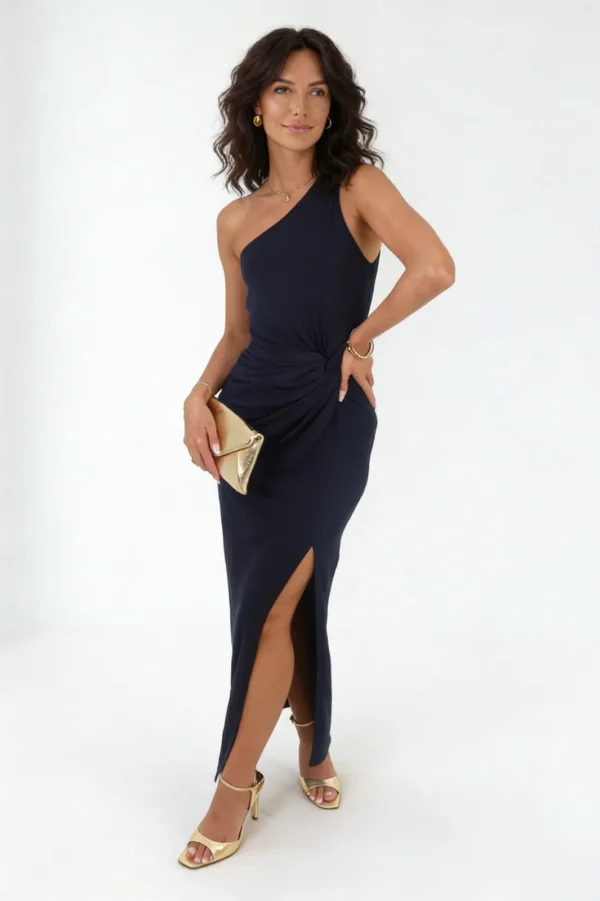
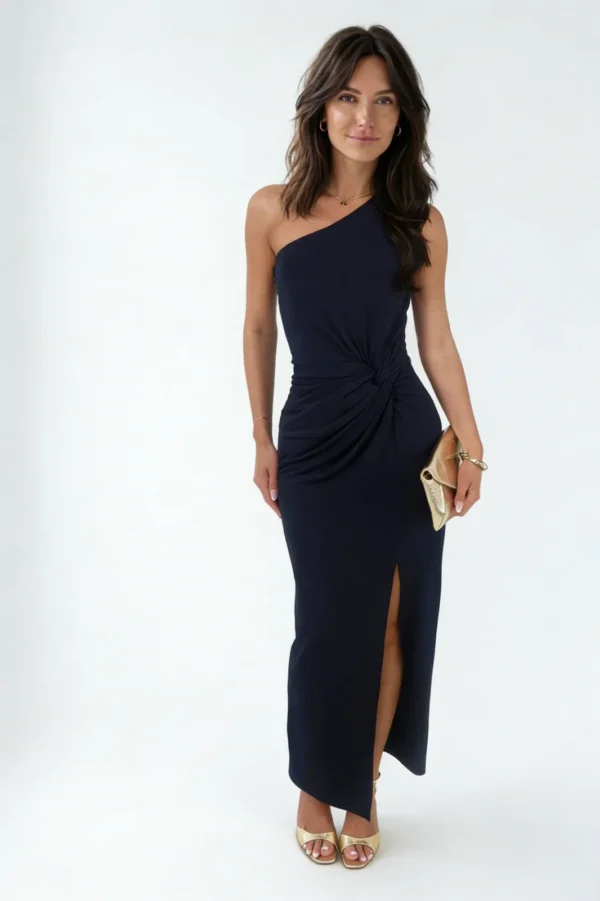
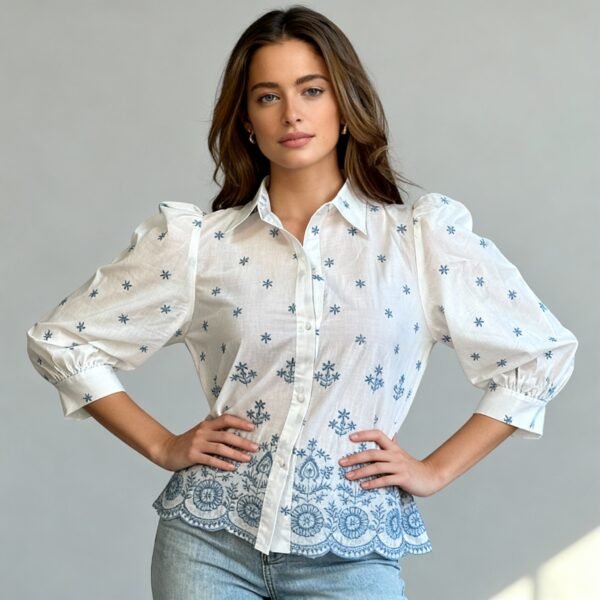
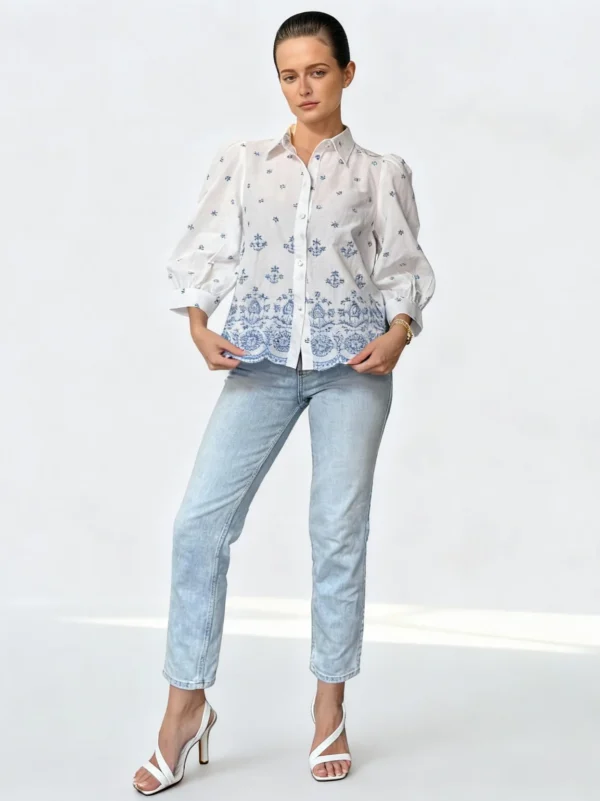
Looking for women’s clothing produced with reliable manufacturing partners? Check out these styles:
자주 묻는 질문
What does “sourcing women’s clothing from factories” actually mean?
For a fashion brand, sourcing means the entire process of finding, vetting, and managing a manufacturing partner to produce your designs. It involves everything from researching factories that specialize in your niche (like delicate fabrics or complex knits) to negotiating costs, approving samples, and overseeing production. It’s a strategic partnership, not a simple transaction. Your goal is to find a factory that understands your brand’s aesthetic and quality standards, turning your creative vision into physical garments that your customers will love and that represent your brand faithfully.
How do I find the right factory for my women’s clothing line?
Start with targeted research using online B2B platforms and directories, filtering for “women’s apparel” and your specific garment type. Attending industry trade shows is invaluable for seeing fabrics firsthand and meeting suppliers. Don’t overlook referrals from your network, as they offer a layer of pre-vetted trust. Key selection criteria include proven specialization in your product category, relevant certifications, and-most importantly-transparent and responsive communication from your very first interaction.
How much does it cost to produce women’s clothing in a factory?
Costs vary dramatically based on design complexity, fabric choice, order quantity, and factory location. Initial costs include non-refundable sampling fees, which can range from $50 for a simple t-shirt to over $200 for a structured blazer. For bulk production, prices are often quoted per unit, but they are heavily influenced by the Minimum Order Quantity (MOQ). You should budget for material costs, production per unit, potential third-party quality inspections, and shipping logistics. Always request detailed, itemized quotes.
Why is communication with the factory so crucial for women’s wear?
Women’s fashion often involves intricate details, specific fits, and delicate fabrics where small misinterpretations can lead to costly errors. Clear communication bridges the gap between your vision and the factory’s execution. Using detailed tech packs, visual references, and consolidated feedback prevents misunderstandings. Building a rapport based on mutual respect also turns a transactional relationship into a collaborative partnership, where the factory is more invested in solving problems and helping your brand succeed.
What are the key benefits of building a long-term relationship with my factory?
A strong, ongoing partnership offers significant advantages beyond a single order. It fosters trust, leading to better prioritization during busy seasons and more honest dialogue about challenges. Over time, the factory gains a deep understanding of your quality standards, potentially reducing sample revisions and production errors. It can also open doors to collaborative innovation, such as developing custom fabrics or finding cost-saving efficiencies in construction, which supports your brand’s growth and scalability.
How do I manage the quality control process for complex women’s garments?
Proactive quality control is essential. Invest in detailed pre-production samples and rigorously inspect them against your tech pack. For bulk orders, especially if you cannot be on-site, hire a reputable third-party quality control service to conduct mid-production and final random inspections. They verify workmanship, measurements, and packaging. Specify clear quality standards in your contract, paying special attention to symmetry, stitch security on stress points, and the functionality of closures like zippers and buttons.
What is a realistic timeline from concept to having finished clothing?
From final sample approval, expect a timeline of approximately 3-5 months for bulk production and shipping. This includes bulk manufacturing (4-6 weeks) and ocean freight (2-6 weeks). However, pre-production phases are lengthy: sourcing materials (2-4 weeks) and the sampling and approval process (6-8 weeks) often happen first. It’s critical to factor in buffers for potential delays like fabric shortages or holidays. Always confirm a detailed timeline with your factory and communicate realistic arrival dates to your customers.
Looking for China manufacturing support? Algo Bert Fashion specializes in helping international brands work with Chinese garment factories, from sample development to quality control. If you’re ready to explore production in Guangzhou, 나만의 타임라인 검토 받기
 English (UK)
 Español
 Français
 Deutsch
 Português
 Italiano
 Polski
 Nederlands
 Svenska
 Русский
 Türkçe
 한국어
한국어