
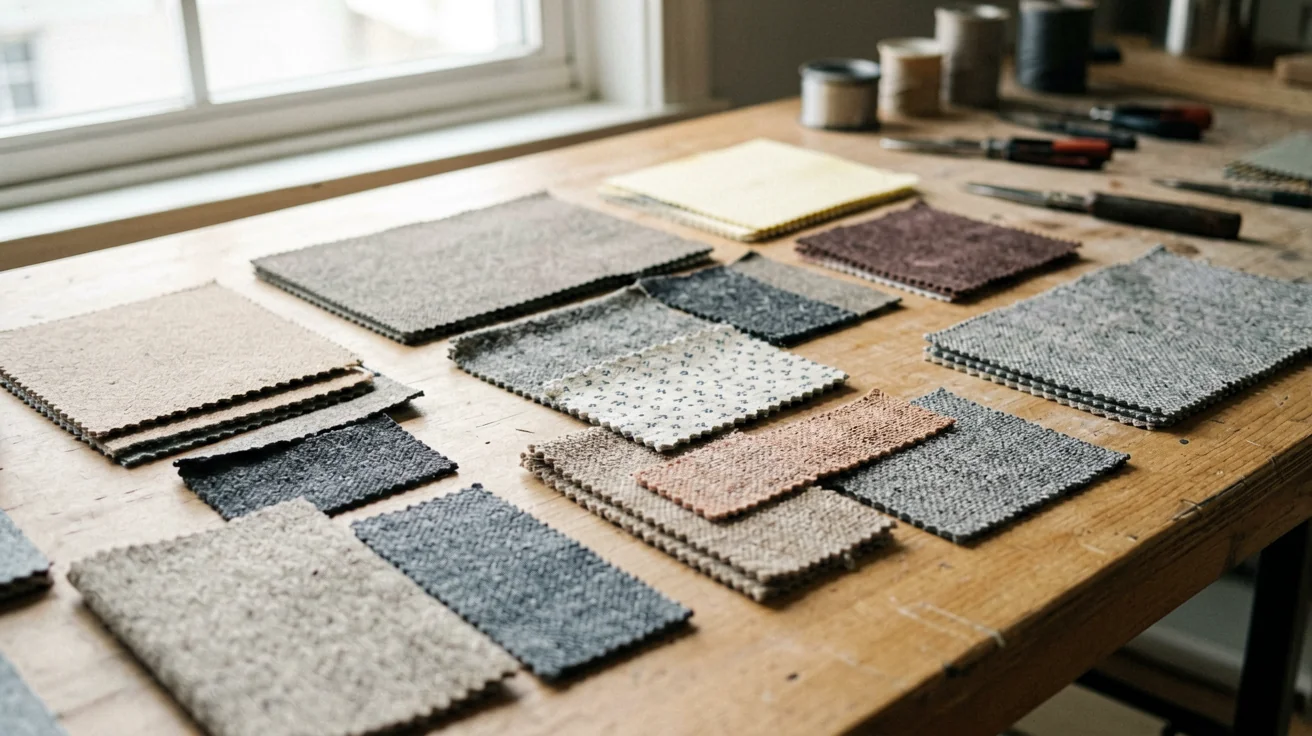
Managing clothing sample fees correctly can make or break your development budget. Most brands treat sampling as a fixed expense rather than a phased investment. You will save thousands when you map every dollar to a specific production milestone. Here is how leading apparel startups structure their sampling budgets without burning cash on unnecessary revisions.
Table of Contents
Understanding Clothing Sample Fees: What They Really Cover
Defining Sample Fees vs. Development Costs
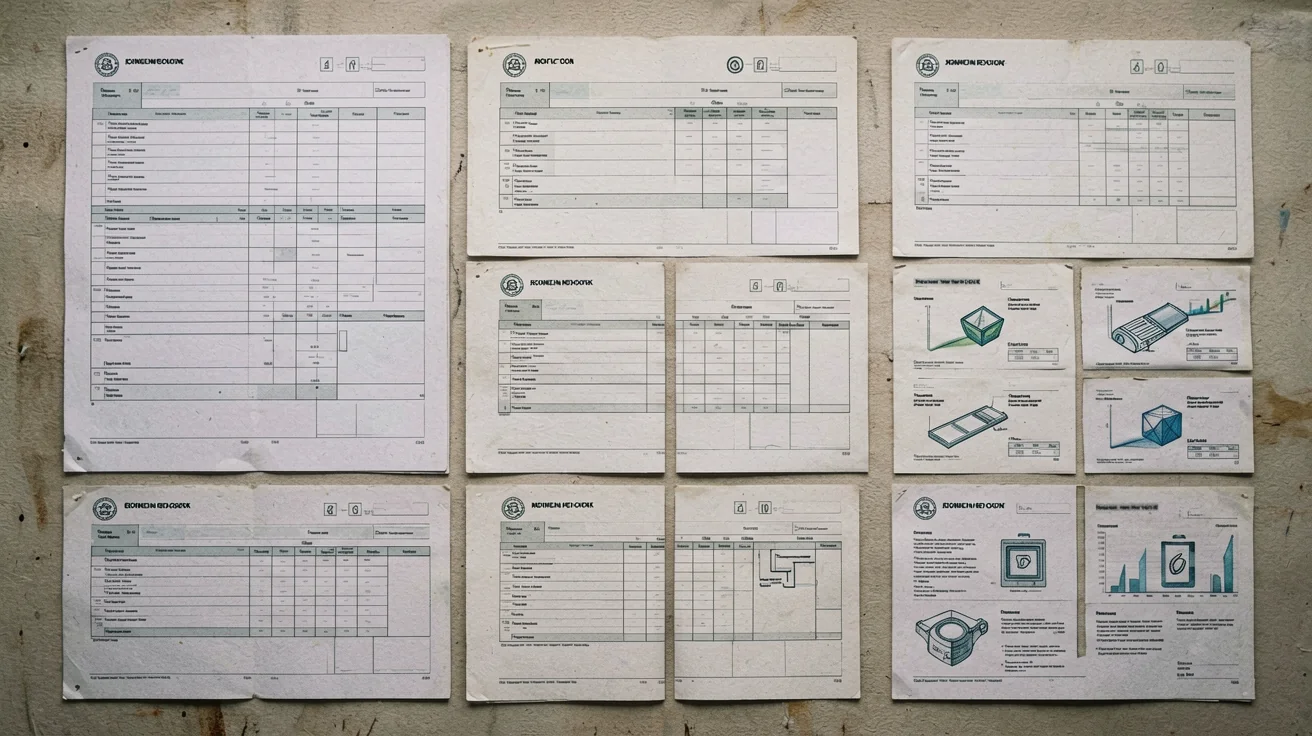
Many founders quote a single number for sampling without checking the scope. That approach creates immediate budget friction. Clothing sample fees usually cover labor, materials, and basic pattern adjustments for one or two units. They rarely include commercial line development costs like bulk fabric procurement or compliance certification.
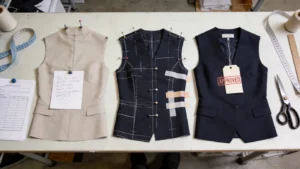
The distinction between a first sample and a proto sample matters more than most brand owners realize. A first sample proves the initial design concept using available stock fabrics. A proto sample locks in your actual trims and construction methods before fit testing begins. Factories often charge extra when you force a proto sample before the first round passes internal review.
First Sample vs. Proto Sample Clarified
You should track what falls outside the base quote. Standard exclusions typically include international shipping, third-party lab testing, customs duties, and any tech pack revisions after the second round. [Review our guide on tech pack preparation](/tech-pack-basics/) before you lock in a vendor. When factories hide these add-ons, your initial quote looks artificially low.
What’s Typically Excluded from the Quote
Beginners often assume sampling covers the entire design validation process. That assumption leads to scope creep and budget blowouts. Always request a line-item breakdown that separates pattern drafting, material sourcing, and labor hours. Clear boundaries prevent unexpected charges during later development stages.
Average Sampling Cost Apparel Breakdown by Garment Type
Basics & Knitwear
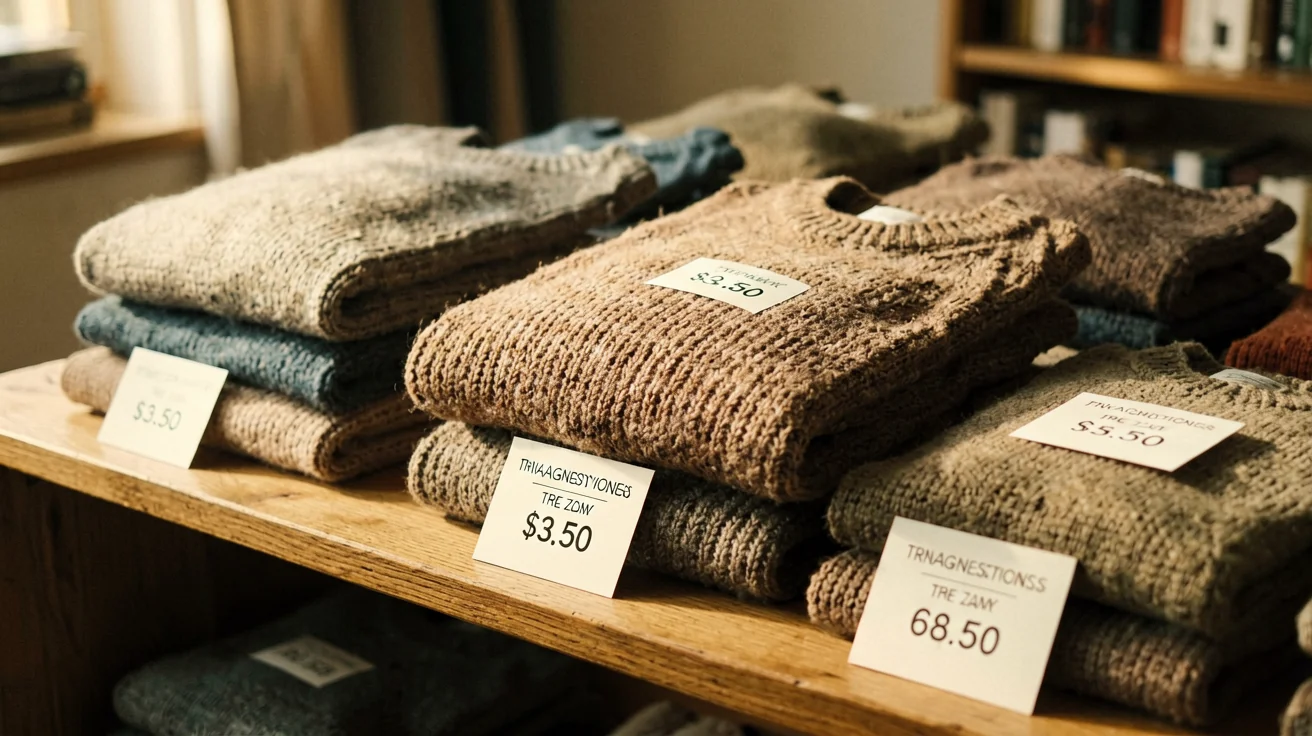
Your target margins depend heavily on how you classify each style. Simple basics and knitwear typically run between $75 and $150 per sample. These pieces require minimal grading and standard jersey or ribbing that factories keep in stock. The labor stays low because flatlock stitching and elastic finishes move quickly on automated machines.
Wovens & Shirts
Wovens and shirts jump to the $120 to $250 range once you factor in buttonholes, collar stands, and precise seam allowances. Complexity spikes when you add contrasting topstitching or custom woven labels. Each additional construction step multiplies the hourly rate applied to your spec sheet.
Outerwear & Technical Garments
Outerwear and technical garments demand the highest upfront investment. Expect to pay $300 to $600 per sample when waterproof zippers, bonded seams, or reflective piping enter the build. Factories apply a 2.5x to 3x multiplier for styles requiring specialized machinery or multiple fabric layers. Global textile sourcing data shows that material volatility directly impacts these tiers. You can control costs by limiting technical finishes until your size set gets approved.
Key Factors Influencing Clothing Sample Fees in Manufacturing
Pattern Making & Grading Requirements
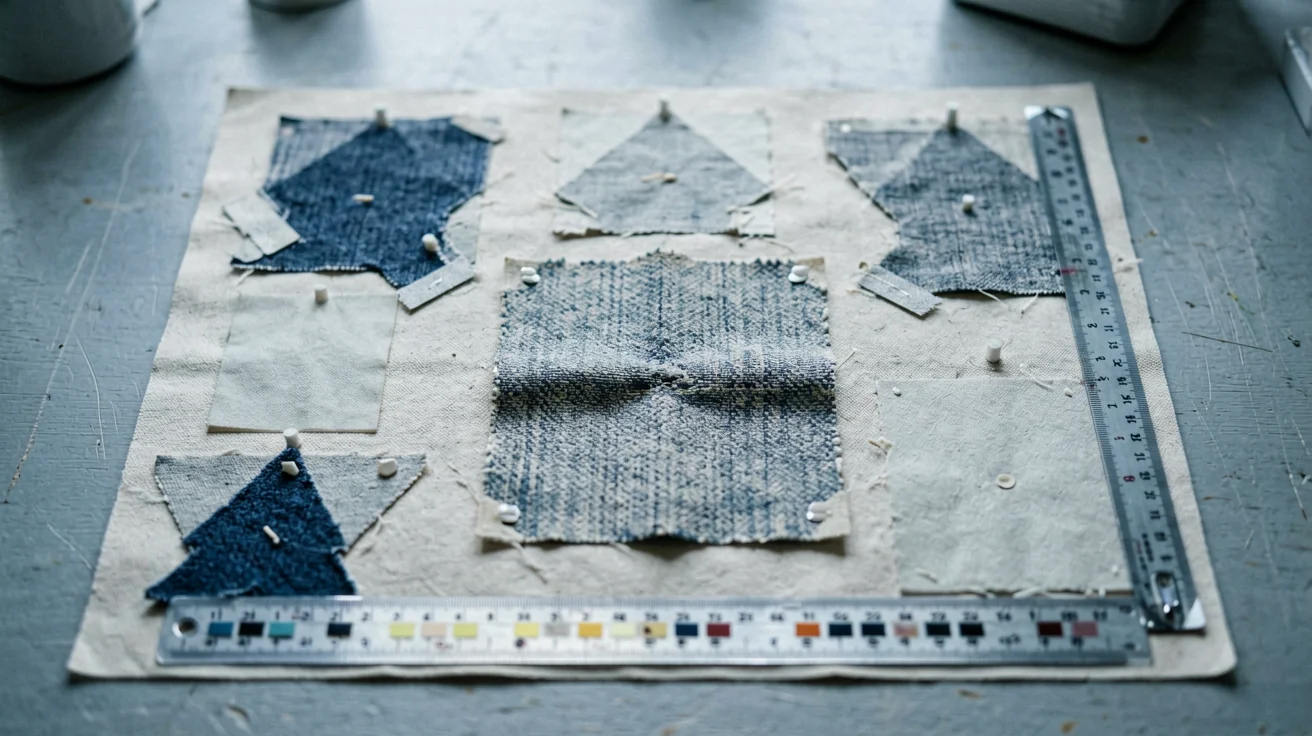
Your final quote depends on four interconnected variables. Pattern making and grading requirements trigger immediate price shifts when you request custom blocks instead of base templates. Factories charge premium rates for complex grading rules that span five full size runs. Every additional size point adds roughly eight minutes to the marker making process.
Material Sourcing & Trim Complexity
Material sourcing and trim complexity drive the second major cost tier. Sourcing specialty buttons, custom printed tapes, or imported elastics forces factories to pull inventory from secondary vendors. Those procurement delays get baked into the sampling labor rate. You will see a 15 to 20 percent markup when trims require special dye lots or minimum purchase thresholds.
Labor Rates & Finishing Standards
Labor rates and finishing standards create the final pricing layer. High-end factories enforce strict tolerance levels for seam allowance and grain alignment. Those quality gates require senior operators who bill at higher hourly rates. Factory capacity also dictates your baseline pricing. Shops running at 80 percent utilization will pass idle time costs onto new sampling requests. Research from the Apparel Industry Network highlights how capacity allocation shifts pricing structures during peak seasons.

The Hidden Costs Beyond the Initial Quote
Lab Testing & Certification Fees
Brands frequently underestimate the expenses that appear after the first invoice arrives. Lab testing and certification fees typically range from $80 to $200 per style. You cannot skip these costs if you plan to sell in regulated markets. Compliance requirements for flammability, lead content, or chemical restrictions trigger mandatory third-party verification.
Shipping, Customs & Duties
Shipping, customs, and duties quietly inflate your development budget. Express courier fees for a single sample box often exceed $60. Customs duties vary wildly depending on fabric composition and country of origin. You will save money by consolidating samples into monthly shipments rather than requesting urgent air freight for every iteration.
Revision & Reshipping Charges
Revision and reshipping charges represent the biggest budget killer. Most factories allow two free adjustment rounds before applying a $40 to $75 fee per cycle. Those fees cover re-cutting, re-stitching, and renewed quality checks. Tech pack updates compound the problem when design changes occur after production has started. Lock your measurements and material specifications before signing the sampling agreement.
Tech Pack & Spec Sheet Updates
Sample Round Pricing: From Proto to Pre-Production
Round 1: Proto & Fit Samples
Treating sampling as a linear process wastes money and delays launch dates. Round one pricing usually sits between $100 and $180 per unit. This phase focuses on silhouette validation and basic fit calibration. You should reject any style that fails core proportion checks before funding the next stage.
Round 2: Size Set & Adjustments
Round two introduces size set sampling and targeted adjustments. Costs climb to $150 to $250 once you require full grade runs across five sizes. Diminishing returns hit hard here when minor tweaks trigger complete pattern resets. Implement a strict approval gate that requires written sign-off on all measurement tolerances before proceeding.
Final Approval & Pre-Production Samples
Final approval and pre-production samples mirror bulk manufacturing conditions. Expect to pay $200 to $400 for these units since they use actual factory lines and certified trims. This is where you validate wash performance, colorfastness, and long-term durability. Do not commit to bulk production until the pre-production sample passes both visual inspection and wear testing.
How to Negotiate Sample Fees & Secure Bulk Order Credits
When to Request Fee Credits
Most brands accept initial quotes without testing the negotiation floor. You gain leverage by tying sampling costs directly to your projected order volume. Requesting a full fee credit becomes standard practice when you commit to producing 500 units or more per style. Factories prefer guaranteed production runs over constant sampling churn.
Volume Commitment Leverage Tactics
Volume commitment leverage works best when you structure phased payments. Offer a 30 percent deposit upon tech pack approval and balance the remainder against your first bulk invoice. This approach shifts risk away from your development budget while keeping the factory motivated. Always document credit terms in writing before any work begins.
Contract Clauses That Guarantee Returns
Contract clauses that guarantee returns protect your capital. Look for language specifying that sample fees convert to production credits upon bulk order fulfillment. Avoid agreements that label sampling costs as non-refundable development fees. Red flags include vague revision limits, missing material substitution policies, and absent quality tolerance definitions. Standard manufacturing agreements outlined by trade associations emphasize clear payment triggers.
Red Flags in Sample Agreements
Always review your vendor contracts with a focus on exit clauses. Make sure termination rights protect your paid samples if production stalls. Request a copy of their standard sampling agreement before sharing proprietary tech packs. Read more about securing reliable suppliers to streamline your contracting process.
Regional Cost Comparison: China vs Southeast Asia vs Domestic
China Pricing, Quality & Lead Times
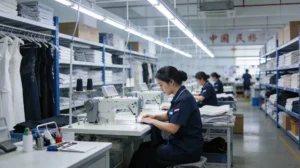
Geographic location fundamentally alters your sampling economics. Chinese manufacturers typically charge $90 to $180 per sample with tight lead times around 10 to 14 days. Their mature supply chains handle complex tech packs efficiently. However, intellectual property protection remains a genuine concern for original designs.
Vietnam, Cambodia & India Alternatives
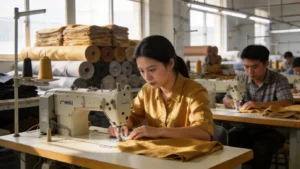
Vietnam, Cambodia, and India offer compelling alternatives for mid-tier collections. Baseline fees drop to $70 to $140 once you account for local labor advantages. Lead times stretch to 18 to 25 days due to less integrated infrastructure. These hubs excel at cotton-heavy builds and straightforward woven constructions.
US & EU Premium Sampling Realities
Domestic US and EU sampling carries a steep premium but delivers unmatched speed and oversight. Expect to pay $200 to $500 per unit when you prioritize rapid iteration and direct factory access. The higher cost buys you same-week communication and strict compliance tracking. Choose domestic partners for capsule collections or highly technical outerwear where precision outweighs budget constraints.
Building a Zero-Waste Sampling Budget Template
Line-Item Tracking Framework
Running a transparent sampling budget requires a structured tracking system. Log every expense under distinct line items like pattern drafting, material procurement, and labor hours. This granular approach exposes hidden costs before they derail your development timeline. You will immediately spot which styles drain resources without delivering viable fit outcomes.
Contingency Allocation Strategies
Allocate a strict 10 to 15 percent contingency fund for unavoidable adjustments. Material shortages, delayed trim deliveries, and unexpected fit corrections trigger these reserves. Never dip into your core sampling allocation when contingencies activate. Keeping these funds separate preserves your ability to fund additional rounds for high-potential styles.
KPI Monitoring & Approval Gates
Monitor key performance indicators to eliminate dead-end products early. Track metrics like revision cycles per style, average cost per fit adjustment, and conversion rate from proto to bulk. Calculate your sampling ROI by dividing total development spend against projected gross margin on approved styles. Cutting styles that require more than three revision rounds saves capital for winners.
ROI Calculation for Sampling Spend
Frequently Asked Questions About Clothing Sample Fees
How much should I budget for clothing sample fees per style?
Allocate $90 to $250 per style for standard garments. Complex outerwear or technical pieces will push that range to $300 to $600. Your exact budget depends on material sourcing, trim complexity, and factory location.
Can I get my clothing sample fees credited toward bulk production?
Yes, most factories offer full or partial credits once you meet a minimum order threshold. Standard agreements typically require 500 units per style to trigger automatic fee conversion. Always secure this clause in writing before approving the initial prototype.
Why do sample prices increase after the first round?
Prices rise because subsequent rounds require re-cutting, re-stitching, and renewed quality inspections. Factories apply hourly labor rates to every revision cycle once free adjustment rounds expire. Tightening your tech pack specifications prevents unnecessary cost inflation.
What is the difference between a proto sample and a fit sample?
A proto sample validates the initial design concept using available stock materials. A fit sample locks in your exact trims and construction methods before grading occurs. Both serve distinct purposes in the development pipeline.
How many sample rounds should I expect before bulk production?
Most brands complete two to three rounds before achieving final approval. Round one focuses on silhouette and basic proportions. Round two addresses size grading and construction details. Final approval requires pre-production units built on actual factory lines.
Related Products
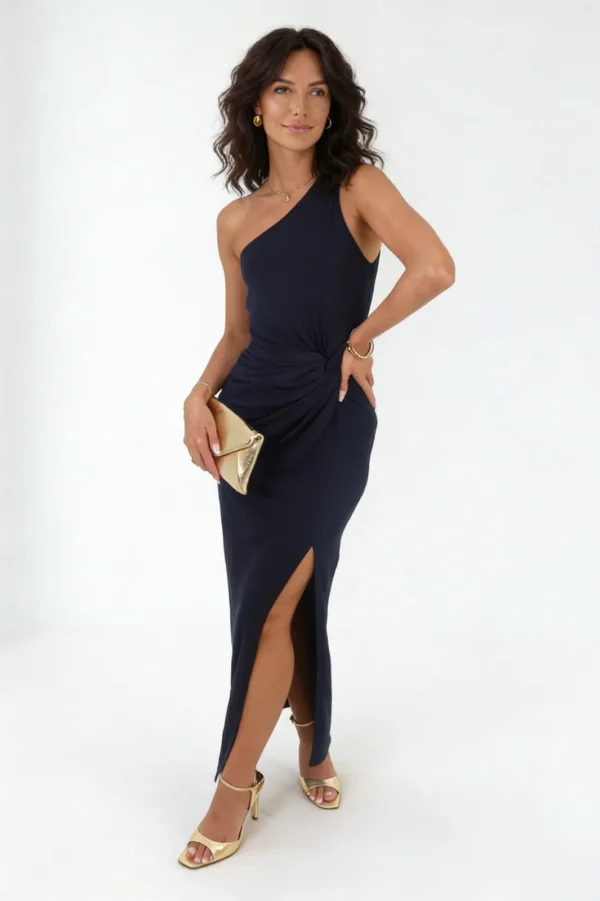
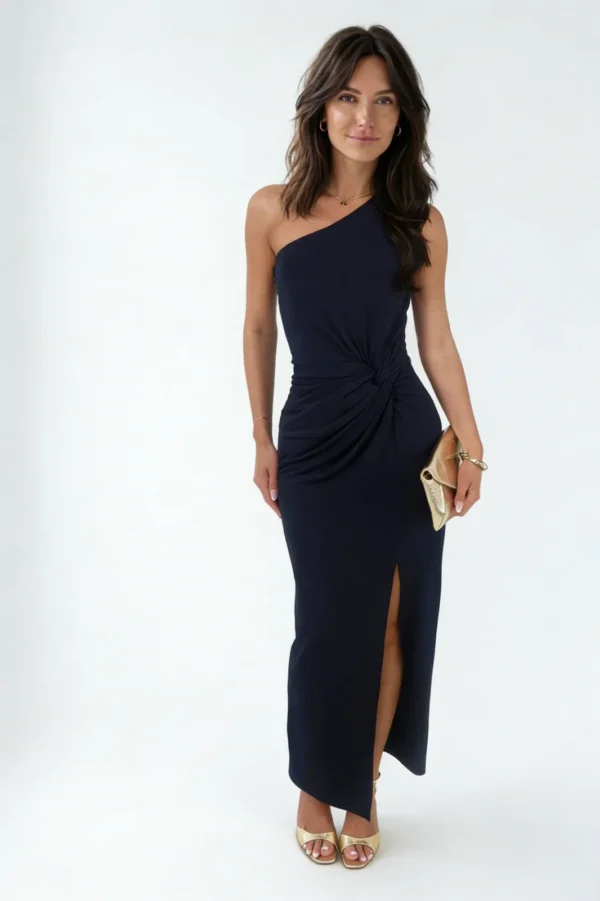
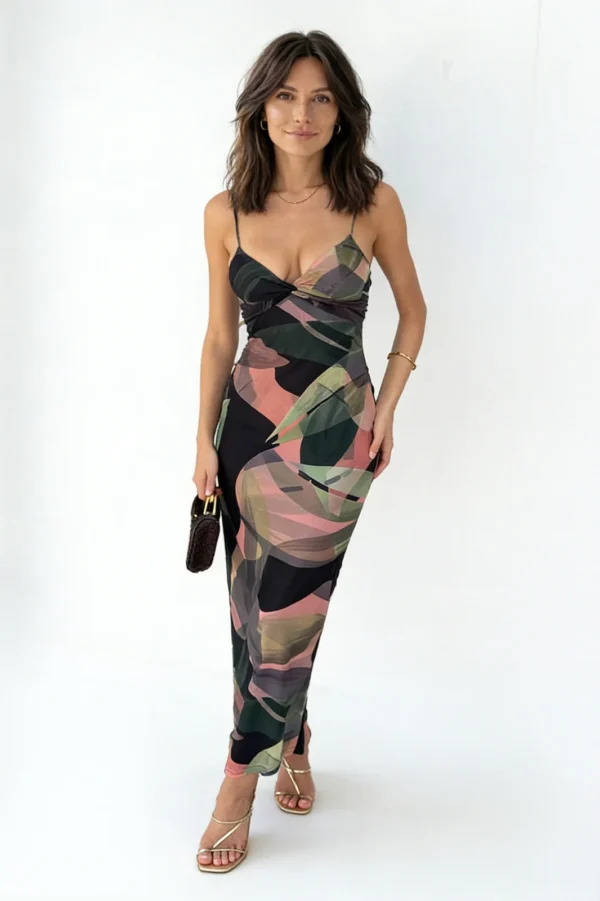
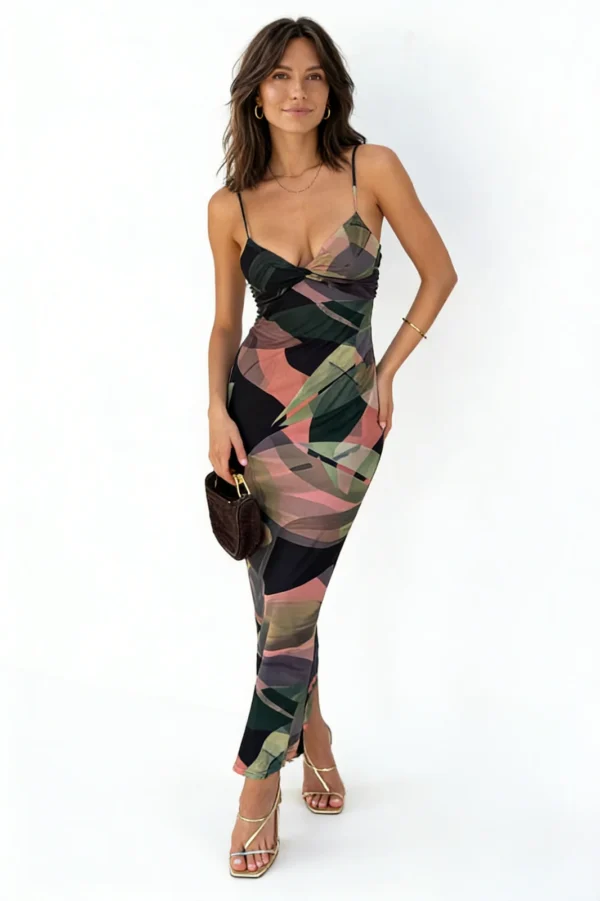
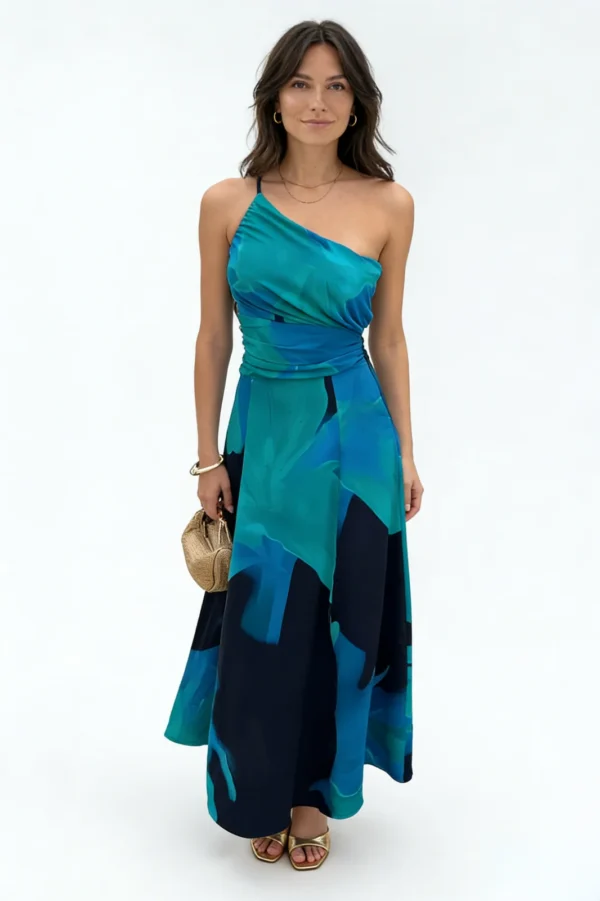
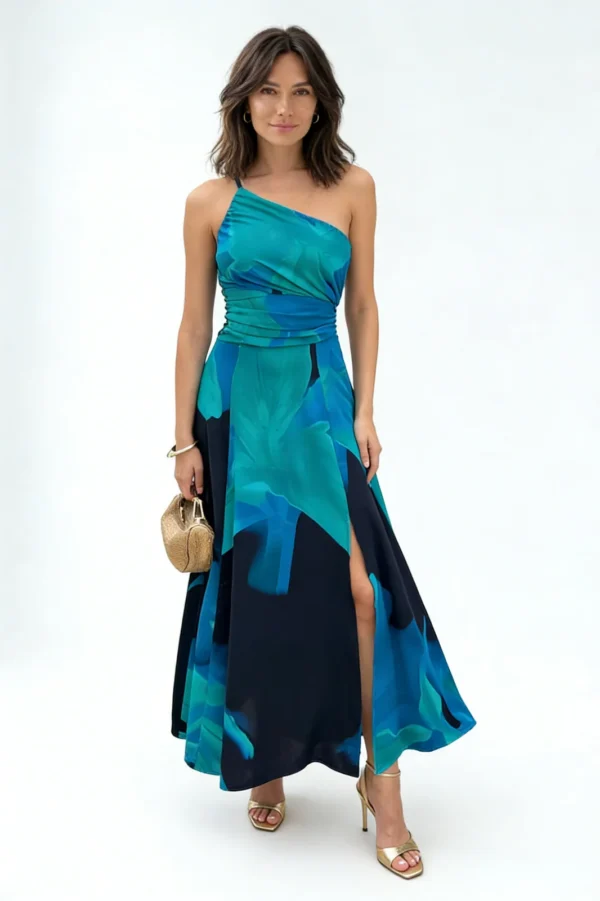
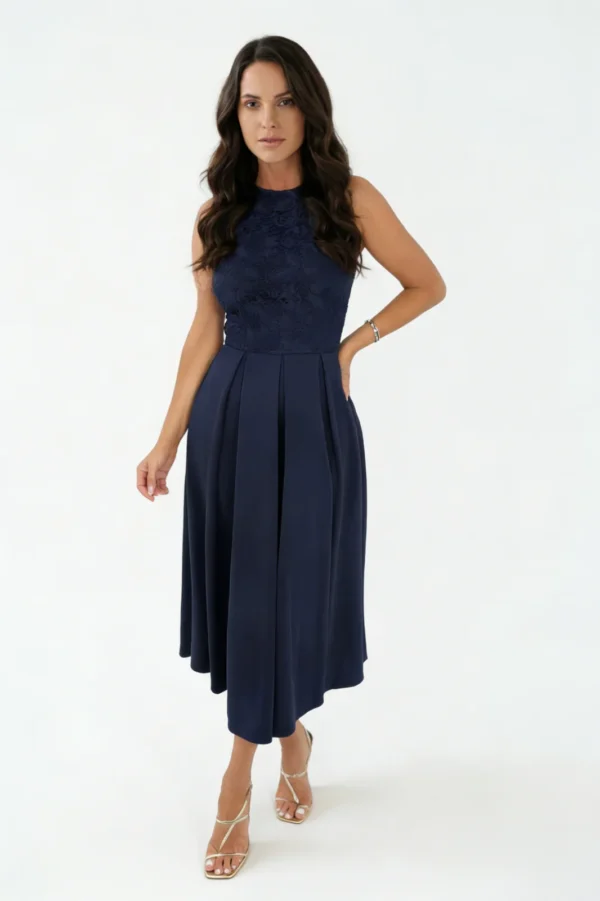
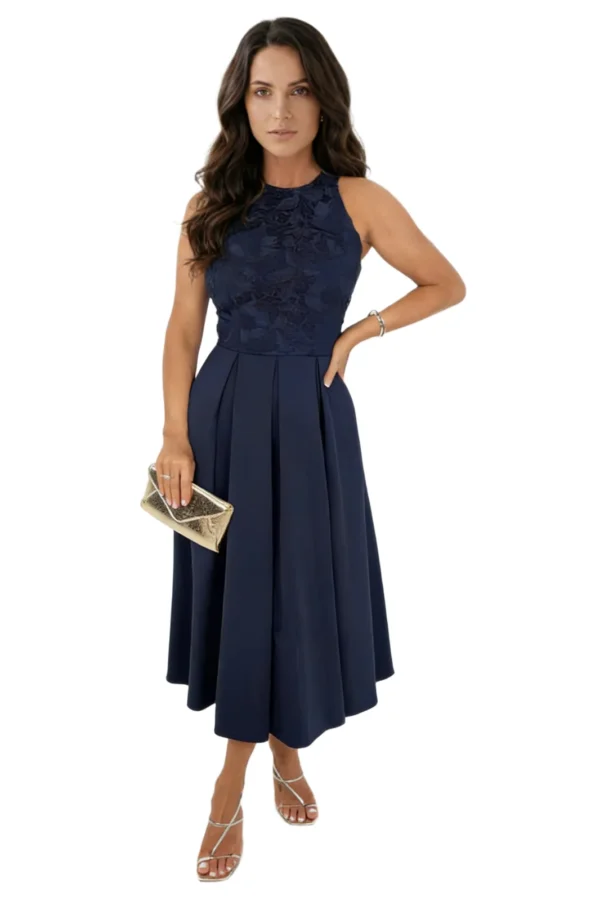
Want to see what’s available for low MOQ production? Check out these options:
Are there hidden costs I should watch for
Looking for China manufacturing support? Algo Bert Fashion specializes in helping international brands navigate Chinese garment factories, from sample development to quality control. If you’re ready to explore production in Guangzhou, get a personalized timeline review
Primary Keyword: Clothing sample fees / Apparel sampling costs Topic: Strategic budgeting, negotiation, and cost breakdown for fashion manufacturing prototypes.
Frequently Asked Questions
How much does clothing sample fee pricing typically cost per style?
You should budget between $90 and $250 per style for standard apparel, while complex outerwear or technical garments can run $300 to $600. These ranges account for pattern drafting, material sourcing, and labor rates at different facilities. Keep in mind that your final quote will shift based on trim complexity, fabric availability, and whether you work with manufacturers in Asia or domestic hubs. Planning these tiers into your development budget helps prevent unexpected financial strain during the design validation phase.
What exactly do clothing sample fees cover in apparel manufacturing?
These fees typically fund the initial labor, base materials, and basic pattern adjustments needed to produce one or two prototype units. However, you should know that they rarely include commercial line development tasks like bulk fabric procurement, third-party lab testing, or international shipping. Factories often separate tech pack revisions and compliance certifications from the base quote, which is why requesting a detailed line-item breakdown upfront is essential. Understanding this scope prevents budget friction when hidden expenses inevitably appear later in your development cycle.
How to negotiate sample fees and secure production credits?
You gain leverage by tying sampling costs directly to your projected production volume. When committing to 500 units or more per style, request a formal credit clause that converts your sample fees into bulk order discounts. Structure phased payments, like a small deposit upon tech pack approval and the balance applied to your first production invoice. Always secure these terms in writing before any prototypes are cut. This approach shifts financial risk away from your development phase while keeping your manufacturing partner motivated to deliver quality results.
What are the benefits of a phased sampling budget framework?
Mapping every dollar to specific production milestones helps you catch budget blowouts before they derail your launch timeline. By separating expenses into clear line items like pattern drafting, material sourcing, and labor hours, you instantly spot which styles drain resources without delivering viable fit outcomes. This structured approach also allows you to allocate a strict contingency fund for unavoidable adjustments, ensuring high-potential designs keep getting approved. Ultimately, it transforms sampling from a fixed expense into a strategic investment with measurable returns.
Why choose regional manufacturing hubs over domestic facilities for prototyping?
You get significantly lower baseline fees and access to mature supply chains that handle complex tech packs efficiently. Manufacturers in Southeast Asia and China typically charge less while offering specialized expertise for woven constructions and cotton-heavy builds. While domestic partners provide faster turnaround times and direct oversight, regional facilities allow you to stretch your development budget further across larger style counts. Just factor in slightly longer lead times and consolidate shipments to keep courier and customs expenses from eating into your savings.


 English (UK)
 Español
 Français
 Deutsch
 Português
 Italiano
 Polski
 Nederlands
 Svenska
 Русский
 Türkçe
 한국어
한국어