Sampling vs Bulk Production: What’s the Difference?
If you’re new to clothing manufacturing, you might wonder why the process involves multiple stages of sampling before actual production begins. The distinction between sampling and bulk production—and the purpose each serves—is fundamental to successful garment manufacturing.
Sampling and bulk production serve completely different functions in the manufacturing journey. Sampling is about development, refinement, and validation—ensuring your design works as intended before committing to larger quantities. Bulk production is about efficiency, consistency, and scale—producing your validated design at volume. Understanding these differences helps you plan timelines, budget appropriately, and communicate effectively with your manufacturer.
In this guide, we’ll break down both processes in detail, explaining each sample type, typical timelines, costs, and how to navigate from approval to production. Whether you’re launching your first collection or expanding an existing line, mastering this distinction will help you avoid costly mistakes and achieve better results.
Table of Contents
What is Sampling?
Sampling is the development and validation phase of garment manufacturing. During sampling, you and your manufacturer work together to transform your design concept into a physical garment that matches your specifications. This phase is where problems are identified and resolved before any significant investment in materials or production capacity.
The sampling phase serves several critical purposes. First, it validates that your design is technically feasible—can the chosen materials be constructed as you’ve envisioned? Second, it reveals any gaps in your specifications that need clarification. Third, it establishes the baseline quality standard that bulk production must match. Fourth, it gives you the opportunity to make adjustments without incurring the costs of production-scale mistakes.
Many first-time brand owners underestimate sampling, viewing it as an unnecessary delay before “real” production begins. This misconception often leads to problems: design issues discovered during bulk production require expensive corrections, and in some cases, entire production runs must be scrapped. The sampling phase exists precisely to prevent these costly scenarios. A well-executed sampling process typically costs $200-500 in total but can save thousands in avoided errors.
Sampling also builds the foundation for your ongoing relationship with a manufacturer. How they handle your samples—their attention to detail, their responsiveness to feedback, their willingness to iterate—provides valuable insight into how they’ll perform during production. Use this phase to evaluate your manufacturer as much as they’re evaluating your design.
Types of Samples Explained
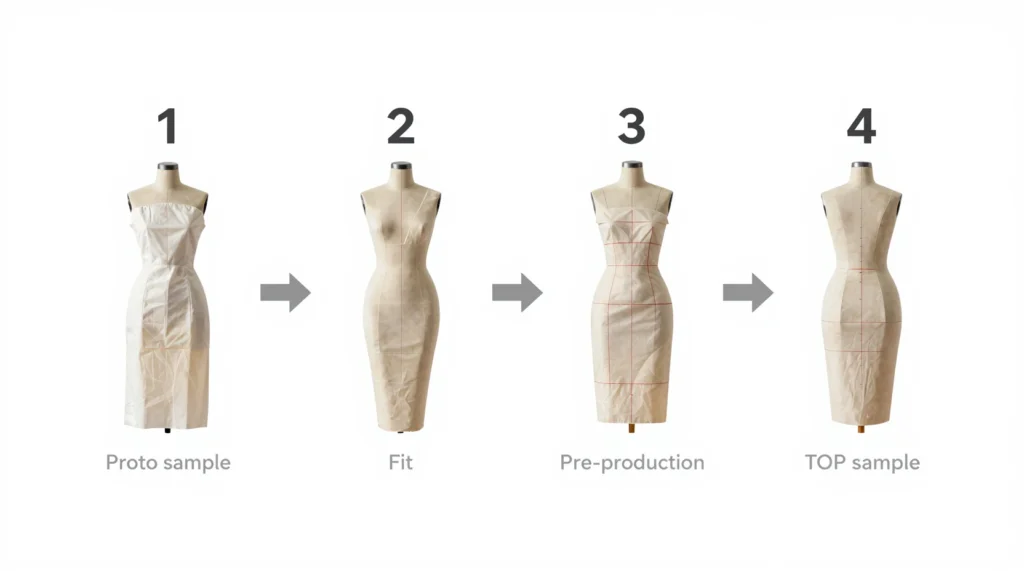
Understanding the different sample types and their purposes helps you navigate the sampling process more effectively. Each sample serves a specific function in the development cycle.
First Sample / Proto Sample
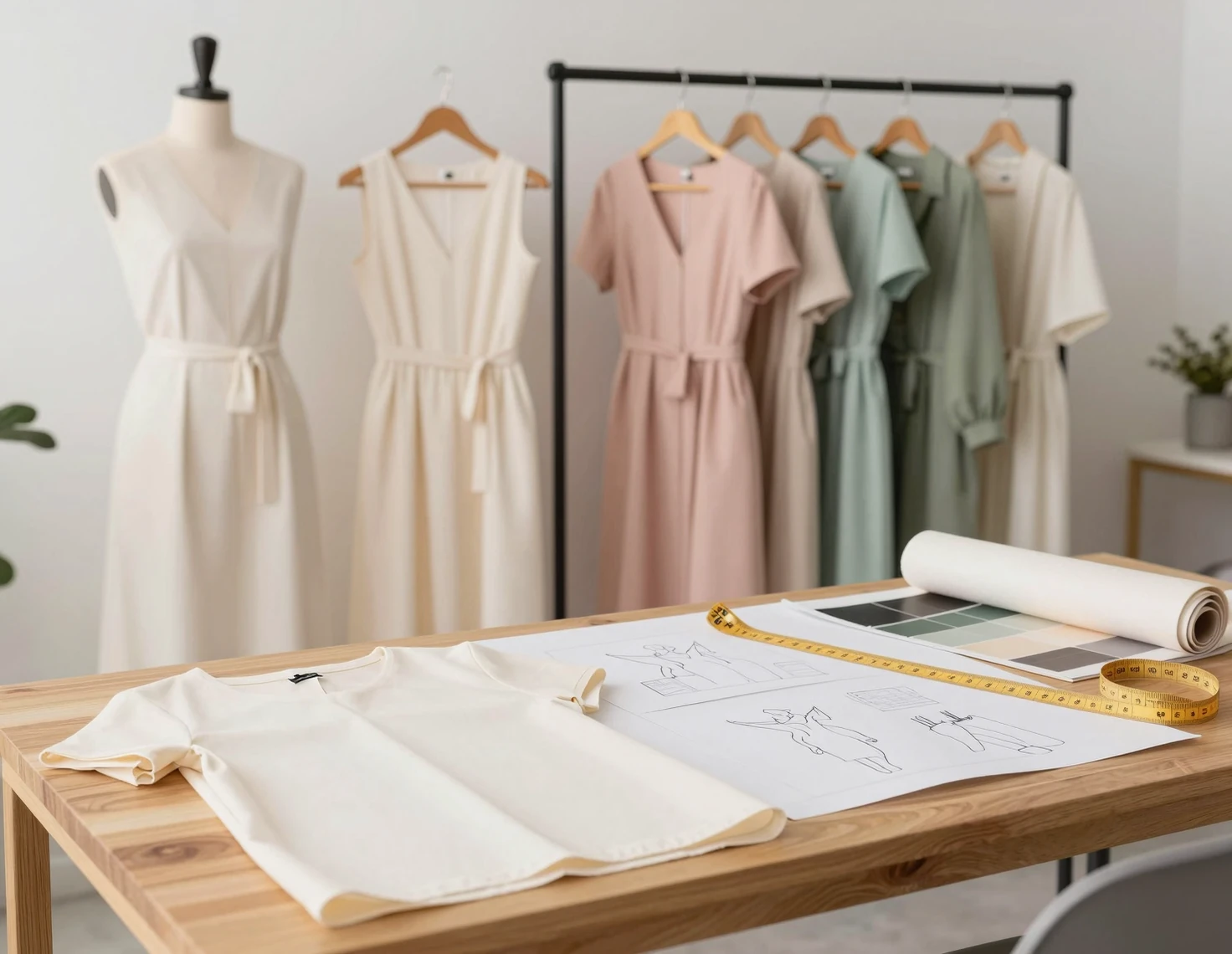
The first sample, often called a proto sample or prototype, is the initial attempt to produce your design based on your tech pack. This is typically made from similar but not final materials, focusing on overall construction and silhouette rather than exact fabric or color matching. The proto sample reveals whether your design works in three dimensions and identifies any construction challenges that weren’t apparent in flat sketches.
When reviewing a proto sample, focus on the big picture: Does the overall look match your vision? Is the fit generally correct? Are there any obvious construction issues? Detailed quality issues and minor adjustments come later. The proto sample is your opportunity to make significant changes without incurring substantial costs, so be thorough in your evaluation and feedback.
Timeline for a first sample typically ranges from 7 to 14 days depending on design complexity and manufacturer workload. Costs usually range from $50-150, though some manufacturers credit this cost toward bulk orders. Don’t skip this step even if your design seems straightforward—many issues only become apparent when a garment is actually constructed.
Fit Sample
The fit sample focuses specifically on sizing, proportions, and how the garment drapes on an actual body. Unlike the proto sample, the fit sample is made in your actual specified sizes using final or near-final materials. This is your opportunity to verify that your size specifications produce the fit you intend and that grading between sizes works correctly.
Fit samples should be evaluated on a real person or appropriate dress form, not just laid flat. Look at how the garment sits on the shoulders, how length proportions work, how ease (the extra room in a garment) feels during movement. This is also the time to assess comfort—does the garment feel good to wear? Practical wear testing, where the sample is actually worn and used over several days, often reveals issues not apparent during brief fittings.
When providing fit feedback, be specific about what needs adjustment and why. Rather than saying “it doesn’t look right,” describe exactly what you’re seeing: “the shoulder seam sits 1cm too far out” or “the body length hits at the wrong point on the hip.” This specificity helps your manufacturer make accurate corrections and demonstrates your understanding of the fit process.
Pre-Production Sample
The pre-production sample, sometimes called the PP sample, is produced using final production materials and methods. This sample represents exactly what bulk production will create and is your final approval before manufacturing begins. The pre-production sample is your quality benchmark—bulk production must match or exceed this standard.
Review a pre-production sample with the same rigor you would apply to finished goods. Check every detail against your tech pack: measurements, construction quality, stitching, finishing, labels, packaging. This is the last opportunity to catch issues before committing to full production, so be thorough. Take photos documenting the sample for your records and for comparison with bulk production.
The pre-production sample also establishes your working relationship with the production floor. Any specific instructions or quality expectations communicated at this stage set the standard for production. Many manufacturers request a signed approval form for the pre-production sample, documenting that you’ve approved production to proceed. This protects both parties and ensures clear communication about when production was authorized.
Top of Production Sample
The top of production sample, often called the TOP sample or production sample, is taken from the actual bulk production run rather than being produced separately. This sample verifies that bulk production maintains the quality established by your pre-production sample and provides a reference for quality control throughout the run.
While you may not be present during production, requesting TOP samples shipped to you before the remainder of the order allows you to confirm that production quality meets your standards before the order is complete and shipped. If quality issues are identified in TOP samples, you can often still correct problems in remaining production rather than accepting an entire order that doesn’t meet specifications.
TOP samples also serve as your reference standards for future orders. When you reorder the same style, comparing new production to previously approved TOP samples helps ensure consistency across production runs. This documentation becomes increasingly important as your brand grows and you work with multiple manufacturers or production seasons.
Understanding Bulk Production
Bulk production is the manufacturing phase where your approved design is produced at scale. Unlike sampling, which focuses on development and refinement, bulk production focuses on efficiency, consistency, and meeting planned quantities within established timeframes.
Bulk production begins after you’ve approved the pre-production sample and provided written authorization to proceed. At this point, your manufacturer commits significant resources: ordering fabric and materials in production quantities, allocating production capacity, and mobilizing labor. This is why clear approval and proper documentation are essential before production begins—changes after production starts are expensive and disruptive.
The efficiency of bulk production depends heavily on how well the sampling phase prepared production. When specifications are clear, samples are thoroughly reviewed, and any issues are resolved before production begins, the manufacturing process proceeds smoothly. When sampling is rushed or specifications are incomplete, production frequently encounters problems that require stopping the line for clarification or, worse, scrapping work that doesn’t meet requirements.
Bulk production also involves ongoing quality control throughout the run, not just final inspection. In-line quality checks catch issues early, and the production team continuously monitors output quality against the approved pre-production sample. This ongoing verification ensures that any drift from quality standards is identified and corrected before it affects significant quantities of production.
Timeline: From Sample to Production
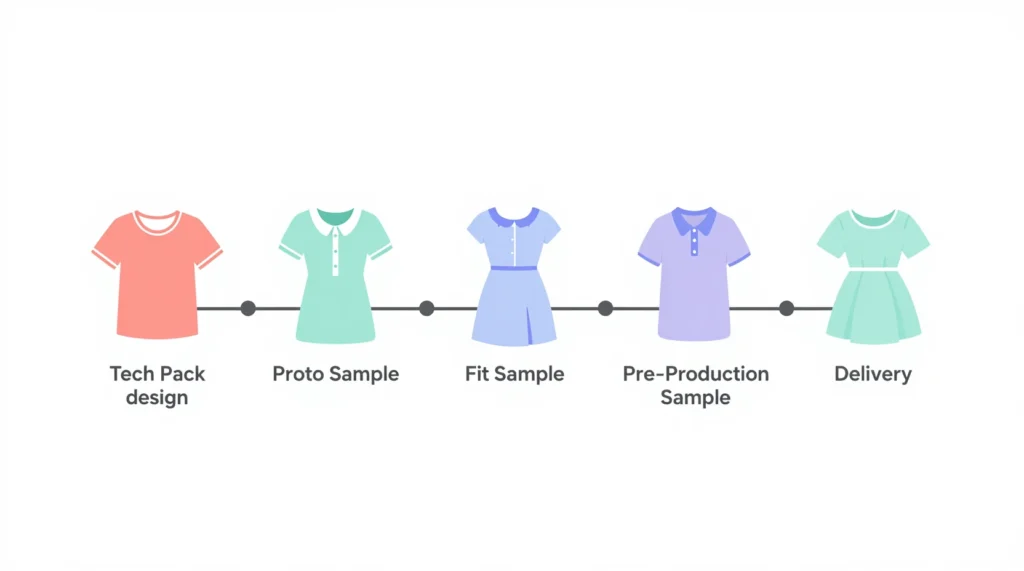
Understanding the overall timeline helps you plan your product development and set realistic expectations. While specific timelines vary based on design complexity, manufacturer workload, and communication speed, the following provides a general framework.
Weeks 1-2: Design and Tech Pack Before any sampling begins, you need complete specifications. Creating a thorough tech pack typically takes 1-2 weeks depending on your preparation and whether you’re creating it yourself or working with a designer or manufacturer to develop it.
Weeks 2-4: Sampling Phase
- First sample production: 7-14 days
- Your review and feedback: 2-5 days
- Revisions if needed: 5-10 days
- Fit sample production: 7-14 days
- Fit evaluation: 2-5 days
- Pre-production sample: 5-10 days
The sampling phase typically spans 3-5 weeks total, though simple designs may move faster while complex designs require more iterations. Build in buffer time for shipping samples internationally if you’re not present to review them in person.
Weeks 5-8: Production Phase
- Material procurement: 5-10 days
- Production run: 7-25 days depending on order size
- Quality control: 2-5 days
- Final finishing and packaging: 2-5 days
From sample approval to completed production typically requires 4-6 weeks for standard orders. Rush production is sometimes available at premium pricing, reducing timelines by 1-2 weeks, but this depends on manufacturer capacity and material availability.
Key Differences at a Glance
| Aspect | Sampling | Bulk Production |
|---|---|---|
| Purpose | Development, validation, refinement | Efficiency, consistency, scale |
| Quantity | 1-3 pieces per sample type | 50-10,000+ pieces |
| Materials | Often using substitutes initially | Final production materials |
| Timeline | 3-5 weeks total | 4-6 weeks for standard orders |
| Cost | $200-500 total | $X/unit based on quantity |
| Focus | Getting it right | Getting it right repeatedly |
| Flexibility | High – changes expected | Low – changes costly |
| Outcome | Approved sample as benchmark | Finished goods for sale |
How to Navigate the Process Successfully
Successfully navigating from sampling to production requires planning, documentation, and clear communication throughout the process.
Invest time in your tech pack before sampling begins. The more complete and specific your specifications, the fewer iterations you’ll need during sampling. Include measurements, fabric specifications, construction details, and reference images. If you’re unsure about some specifications, note this in the tech pack and work with your manufacturer to finalize details during sampling.
Provide specific, actionable feedback when reviewing samples. Take photos highlighting any issues and provide clear written descriptions of what needs to change. Vague feedback like “the quality needs improvement” doesn’t help your manufacturer address actual problems. Specific feedback like “the armhole curve shows puckering at the underarm point” gives clear direction for correction.
Document everything throughout the process. Keep photos of each sample with dates, maintain written records of all feedback and approvals, and get signed confirmation before production begins. This documentation protects both parties and provides reference materials for future production runs.
Don’t rush the sampling phase. While you’re eager to move to production, thorough sampling prevents much more expensive problems later. The time and cost invested in proper sampling pays dividends throughout production and beyond.
How Algo Bert Fashion Can Help
At Algo Bert Fashion, we guide brands through every stage of the sampling and production process. Our experience helps you avoid common pitfalls, communicate effectively with production teams, and achieve results that match your vision.
We offer comprehensive sampling services including proto samples, fit samples, and pre-production samples using your specifications or helping you develop them. Our team provides detailed feedback on your designs and guides revision processes to ensure production-ready specifications. Once sampling is complete, our production facilities maintain the quality standards established during sampling, delivering consistent results across production runs.
Our Services:
- Tech pack development and specification finalization
- Complete sampling services (proto, fit, pre-production, TOP)
- Sample review with detailed feedback and revision guidance
- Quality control throughout bulk production
- Documentation and approval processes for clear communication
Learn more about our sampling and production services
FAQ: Questions About Sampling and Production
How many samples do I need before production?
Most brands require 3-4 sample types: a first sample for design validation, a fit sample for sizing confirmation, and a pre-production sample as the final approval before production. Complex designs or first-time collaborations may require additional iterations. Some brands also request TOP samples from actual production runs for quality verification.
Can I skip sampling and go straight to production?
Skipping sampling is strongly discouraged, especially for new designs or new manufacturer relationships. Sampling identifies problems that would be far more expensive to fix during production. Even experienced manufacturers recommend sampling as an essential quality control step. The only exception might be reordering an identical product from a manufacturer you’ve worked with extensively, where the previous production serves as your baseline.
How long should I allow for the sampling process?
Plan for 3-5 weeks from tech pack delivery to pre-production sample approval. Simple designs with clear specifications may move faster, while complex designs or designs requiring multiple iterations take longer. Build in additional time for international shipping if samples need to be reviewed remotely. Rushing sampling often leads to problems that take even longer to resolve during production.
Who pays for samples?
Typically, you pay for samples at the manufacturer’s standard sampling fees. Many manufacturers offer to credit sample costs toward bulk orders, which effectively reduces your sampling investment if you proceed to production. However, this credit is only valuable if you actually place production orders. Some manufacturers charge separate sampling fees that are not credited, particularly for complex designs or extensive iterations.
What if I don’t like the sample?
Samples exist precisely so you can identify and correct issues before production. If you don’t like the sample, provide specific feedback about what needs to change and request revisions. This is a normal part of the development process. Most manufacturers include a certain number of revisions in their sampling process, with additional revisions available at extra cost if needed.
When can I start production after approving samples?
Production typically begins within 1-2 weeks after pre-production sample approval, depending on material availability and production scheduling. The manufacturer needs time to procure production materials, set up production lines, and allocate labor. Rush production may be available for additional cost, reducing this lead time.
Conclusion
Sampling and bulk production are distinct phases with different purposes, processes, and outcomes. Sampling validates and refines your design; bulk production produces it at scale. Respecting this distinction—and investing appropriately in thorough sampling—leads to better results and lower costs overall.
The sampling phase is your opportunity to get things right before committing significant resources. Take advantage of it. Provide clear specifications, review samples thoroughly, document everything, and don’t rush. The investment in proper sampling pays dividends throughout production and beyond.
Ready to start your sampling and production journey? Let Algo Bert Fashion guide you through the process with expertise and attention to detail.
Contact our team to discuss your project or request a quote for sampling services
Related Posts: