

Working with Chinese clothing manufacturers requires a fundamentally different approach than Western transactional business relationships. A brand founder from Manchester once told me he’d burned through £18,000 in samples with three different Chinese factories before getting a single wearable garment. His problem wasn’t the factories. It was how he approached them. After adjusting his communication style, building genuine relationships, and understanding how Chinese clothing manufacturers actually operate, his fourth attempt delivered samples on the first try — and his brand launched on schedule.
This pattern repeats constantly. The most successful fashion brands sourcing from China share a common trait: they approach manufacturing partnerships as genuine business relationships, not transactional vendor arrangements. The difference between struggling with quality issues and delays versus operating smoothly often comes down to how you build and maintain manufacturer relationships.
Chinese clothing manufacturers operate within a business culture that prioritizes interpersonal connection alongside commercial terms. Understanding these dynamics — and adapting your approach accordingly — unlocks manufacturing capabilities that purely transactional relationships cannot access. The strategies that consistently work come from years of cross-cultural manufacturing experience.
Inhoudsopgave
Why Chinese Clothing Manufacturers Value Relationships
In Western business contexts, contracts often speak for themselves: you agree terms, you pay for goods, goods arrive, transaction complete. Chinese manufacturing operates with an additional interpersonal layer. The quality of your relationship with a factory directly influences the quality of service, pricing flexibility, and problem resolution you receive.
Beyond Transactional Sourcing
A transactional approach treats each order as an isolated event. You negotiate price independently for each batch, you switch factories when a cheaper quote appears, and you communicate only when there is a problem. This works for commodity goods with interchangeable suppliers. It works poorly for apparel manufacturing, where quality consistency, production timing, and responsiveness to specifications matter enormously.
Look at the economics this way: switching factories typically costs 15-25% of the first order value in sampling, onboarding, and quality establishment. A transactional buyer who switches factories every 2-3 orders effectively pays a 5-8% premium across all production. A relationship buyer who stays with the same factory for 5+ orders sees declining defect rates, faster sampling turnaround, and preferential pricing during capacity constraints.
The Guanxi Advantage
Guanxi describes networks of relationship and connection that facilitate business in Chinese commercial culture. In manufacturing specifically, strong guanxi with factory management provides measurable advantages:
| Voordeel | Transactional Buyer | Relationship Buyer |
|---|---|---|
| Capacity Priority | Wait for open slots | Front of queue during peak season |
| Sampling Speed | 14-21 day standard | 7-10 day expedited |
| Defect Resolution | Dispute per contract | Goodwill replacements |
| Small Order Acceptance | Minimum 500-1000 units | 200-300 units with same pricing |
| Pricing Stability | Re-negotiated each order | Locked for 6-12 months |
Here’s what this means in practice: A garment factory in Guangzhou operating at 85% capacity serves relationship clients first when new orders come in. Transactional buyers wait. When raw material prices spike, relationship buyers absorb smaller increases. These differences compound over time, making the relationship approach financially superior even before considering quality improvements.
Trust Development Timelines
Trust between international buyers and Chinese clothing manufacturers develops through predictable stages:
Months 0-6 — Testing phase: Both parties assess each other’s reliability. Initial orders are scrutinized carefully. Factories evaluate payment timeliness, specification clarity, and communication professionalism.
Months 6-18 — Confidence building: Successful order cycles build mutual confidence. Factories begin offering suggestions proactively. Buyers receive faster responses to inquiries.
Months 18-36 — Partnership phase: Deep trust enables preferential treatment. Hard conversations about problems become productive rather than confrontational. Factories invest in buyer-specific tooling and process improvements.
After 36 months, truly integrated partnerships emerge where factories treat your brand as a strategic account, offering first look at new fabric developments, early access to capacity planning, and collaborative problem-solving on new product development.
Brands expecting premium treatment from a factory they have worked with for three months are setting themselves up for disappointment. Patience through the trust-building timeline pays dividends in later stages.
Understanding Business Cultural Differences

Cross-cultural manufacturing success requires understanding how Chinese business norms differ from Western expectations and adapting accordingly. The differences are not obstacles — they are simply different approaches to achieving the same commercial goals.
Direct vs Indirect Communication
Western business culture values directness: say what you mean, mean what you say. Chinese communication can seem indirect, but it serves a purpose — maintaining harmony and preserving relationships.
Here’s what to watch for: When a factory says “This will be difficult,” they often mean “We cannot do this within the current constraints.” When they say “We will consider it,” they may be indicating disagreement without confrontation. Extended silence during price discussions often signals discomfort with the proposal rather than contemplation.
Learning to read these signals prevents misunderstandings. When you suspect indirect communication, ask specific follow-up questions: “Can you confirm by Thursday whether the 5,000 unit delivery by March 15th is achievable?” This gives the factory an opportunity to clarify without losing face.
Face and Harmony in Negotiations
The concept of “face” governs behavior in Chinese business interactions. Causing someone to lose face — through public criticism, blunt rejection, or aggressive negotiation — damages the relationship and makes future cooperation difficult.
Practical implications for buyers:
- Address quality problems privately with the appropriate contact person, not in group settings or email chains copied to multiple people
- Frame problems as mutual challenges to solve: “How can we prevent this stitching issue together?” rather than “Your factory made a mistake”
- Thank factory staff publicly for their efforts, even on deliveries that required corrections
- When rejecting a price, offer a counterproposal rather than a flat “no”
The difference is stark: A buyer who publicly criticizes a factory’s quality problem in a group email will likely receive defensive responses and slow-walked solutions. A buyer who raises the same issue privately with the production manager and frames it as “help us understand what happened so we can prevent it together” will get detailed analysis and corrective action.
Hierarchy and Decision Making
Chinese manufacturing businesses typically have clear hierarchical structures. Decision-making authority concentrates at senior levels, and mid-level contacts may lack authority to approve pricing changes, quality compromises, or scheduling adjustments.
Production managers handle day-to-day operations but typically cannot approve pricing changes, accept new order types that strain capacity, authorize refunds or credits, or modify standard payment terms. These require general manager or owner involvement.
When negotiating, identify the decision-maker early. A week of email negotiation with a sales representative who lacks pricing authority wastes everyone’s time. Asking “Who would need to approve a 5% price adjustment for a 12-month commitment?” directs your negotiation to the right person.
Communication Strategies That Work
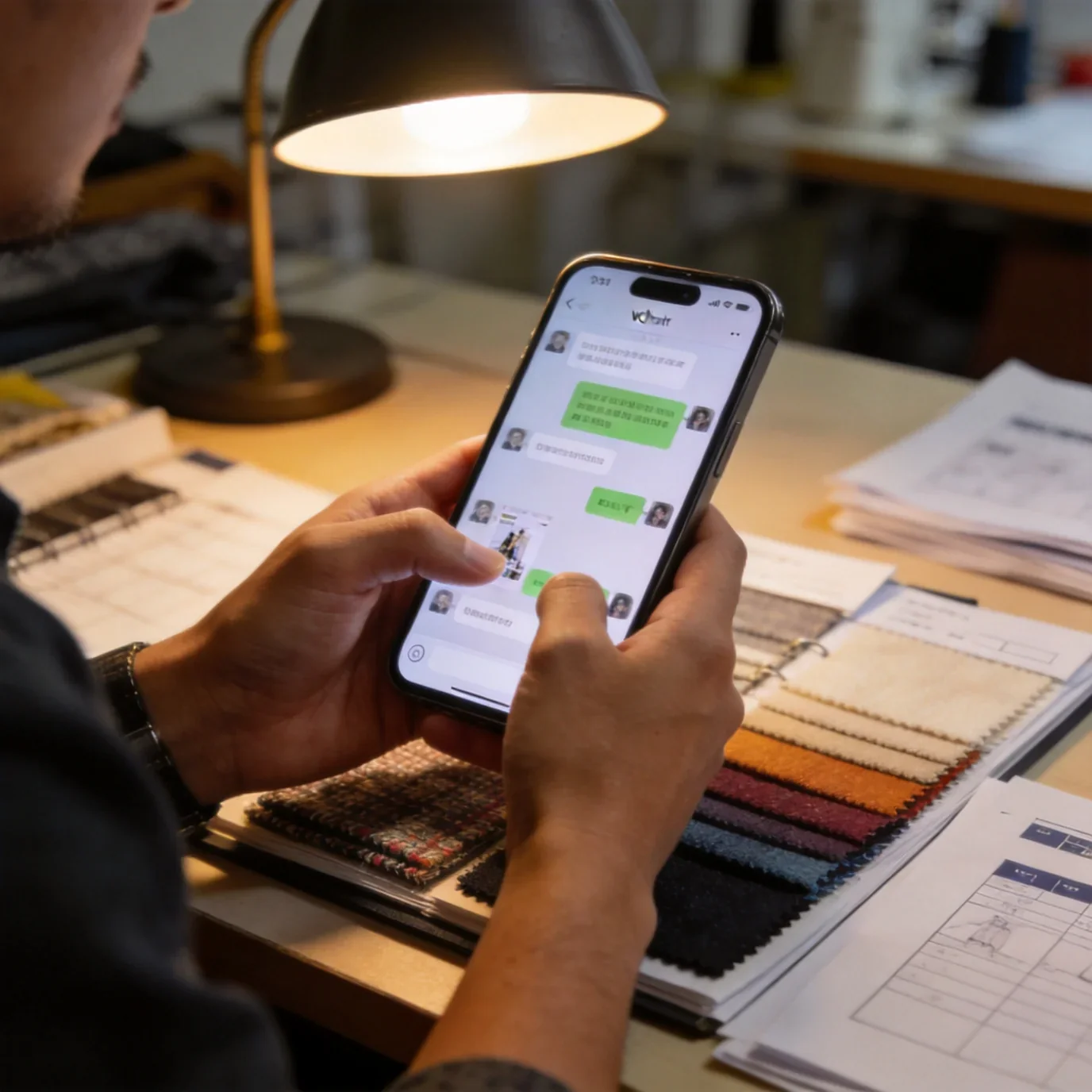
Effective communication with Chinese clothing manufacturers requires structure, specificity, and consistency. Vague communication produces vague results, while precise communication produces reliable outcomes.
Setting Clear Communication Channels
Establish communication protocols early. For each project, define:
| Channel | Beste voor | Response Expectation |
|---|---|---|
| Daily updates, quick questions, photo sharing | 2-4 hours during business hours | |
| Order confirmations, specification changes, formal documentation | 24 uur | |
| Video calls | Problem resolution, complex discussions, relationship building | Weekly scheduled |
| In-person visits | Initial partnership, major problem resolution, quarterly reviews | Quarterly for key accounts |
Most Chinese manufacturers prefer WeChat for day-to-day communication because it allows instant photo sharing of production progress, quick clarification of specification questions, and maintains a searchable conversation history. Accept this preference rather than insisting on email-only communication — it creates friction. For a deeper look at how communication fits into the broader Guangzhou apparel supply chain, our complete sourcing guide covers the full picture.
Documentation Best Practices
While relationships matter, written documentation protects both parties. A common source of disputes is the gap between verbal agreements and documented expectations. Our factory verification guide walks through credential checks that complement the documentation process.
Establish documentation habits from the first order:
- Send written order confirmations within 24 hours of verbal agreements
- Include specification sheets as PDF attachments, not inline text that gets reformatted
- Require acknowledgment signatures on inspection standards before production starts
- Maintain a shared timeline document updated weekly
Think about it this way: The cost of documentation discipline is negligible compared to the cost of a single disputed shipment. A $50,000 order delayed by two weeks due to specification ambiguity costs more in lost sales than documentation efforts across an entire year.
Overcoming Language Barriers
Most factory contacts speak English as a second language. Their technical vocabulary for garment construction is often excellent — they know “bar tack stitch” and “double-needle hem” — but conversational fluency varies widely.
Write specifications using simple sentence structures. “The side seam allowance must be 1.2 centimeters” works better than “Ensure the seam allowance on both lateral panels does not exceed 1.2 centimeters when measured from the edge.”
Avoid idioms, cultural references, and sports metaphors. “We need to step up our game on this next run” is confusing. “The next order requires higher quality standards than the previous batch” is clear.
Confirm understanding by asking the contact to restate key points in their own words. “Can you send me a confirmation email summarizing the delivery schedule we agreed on?” catches miscommunications before they become production problems.
Building Trust with Chinese Clothing Manufacturers
Trust is earned through consistent behavior over time. The initial interactions set the tone for everything that follows.
Professional First Impressions
Factories evaluate potential clients just as thoroughly as buyers evaluate factories. A disorganized inquiry signals a disorganized client who will cause problems.
Complete, professional inquiries should include: product category and estimated annual volume; technical specifications or tech pack; quality standards and inspection requirements; target price range that is realistic, not aspirational; and timeline expectations.
Here’s the reality: A factory in Guangzhou receives 20-30 inquiries per week. They prioritize responses to inquiries that demonstrate preparation and seriousness. A one-line message asking “How much for a t-shirt?” goes to the bottom of the queue. A detailed inquiry with spec sheet, quantity projections, and timeline gets a response within 48 hours.
Negotiation as Relationship Building
Approach negotiations as mutual benefit discovery rather than zero-sum competition. Factories have long memories of buyers who squeezed every possible concession.
Effectieve onderhandelingsstrategieën:
- Research market prices before starting: cotton jersey knit garments typically carry 12-18% lower costs in China versus Vietnam, and 30-50% lower than Turkey or Mexico
- Accept reasonable profit margins: 15-25% is standard for Chinese garment manufacturers
- Offer order commitments in exchange for pricing: commit to 5,000 units per quarter for 12 months if pricing reflects volume commitment
- Negotiate non-price terms: payment terms, lead time flexibility, packaging specifications
A buyer who accepts a fair price on the first order and returns with larger orders builds goodwill. A buyer who fights for every dollar and then switches factories when a marginally cheaper option appears builds nothing.
Delivering on Commitments
Nothing destroys trust faster than broken commitments. If you promise to pay within 30 days, pay within 30 days. If you agree to order 3,000 units, do not try to reduce to 1,500 units after production starts. If you commit to providing artwork by Friday, have it in their inbox by Friday morning China time.
Factories track buyer reliability. A buyer who consistently meets commitments earns flexibility when they genuinely need an exception. A buyer with a pattern of broken commitments finds themselves paying deposits upfront and receiving less cooperation when problems arise.
Managing Problems and Conflicts
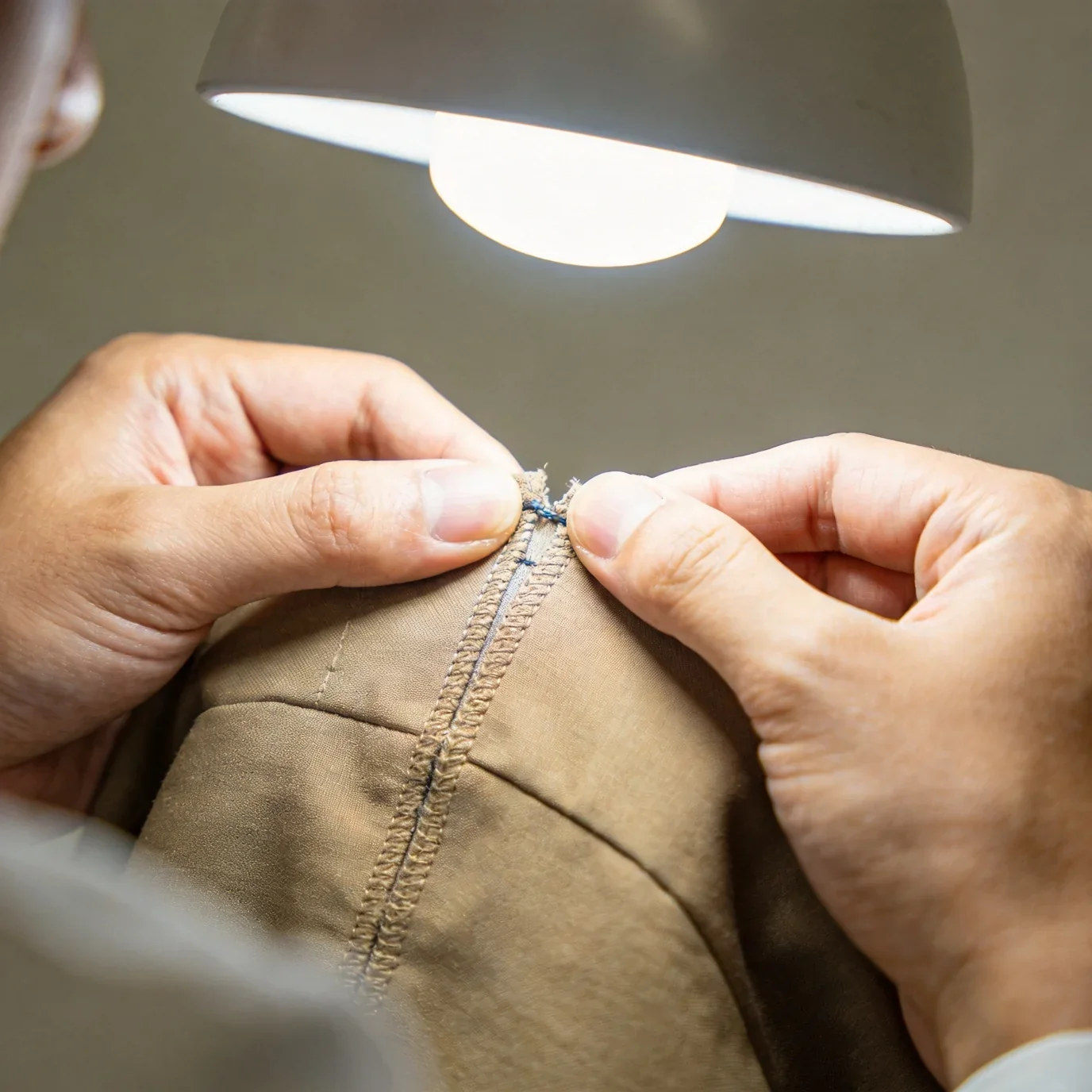
Every manufacturing relationship encounters problems eventually. How you handle difficulties determines whether the relationship strengthens or deteriorates.
Early Intervention Strategies
Small problems become large problems when ignored. A minor stitching defect discovered on day one might require a 30-minute fix. The same defect discovered on day thirty after 5,000 units are produced requires rework of the entire batch.
Establish early warning systems: request mid-production photos at 30%, 60%, and 90% completion; use video calls to review samples together in real-time; require first-article inspection before bulk production begins; and maintain a shared issue log updated weekly.
The math is simple: A 30-minute video call reviewing first samples can prevent a $15,000 rework situation. The most successful brands maintain weekly check-ins regardless of whether problems exist — this normalizes communication and makes problem discussions less charged.
Private Problem Resolution
When problems arise, discuss them privately with the appropriate contact. Public criticism — especially in group emails or meetings — causes loss of face and triggers defensive responses.
Follow this framework: schedule a private call with the production manager or account contact; start by acknowledging positive aspects of the relationship; describe the specific problem with objective evidence like photos and measurements; ask for their assessment before offering yours; propose a collaborative solution; and confirm next steps in writing after the call.
This approach preserves the relationship while getting the problem solved. The factory knows you are serious about quality but willing to work constructively. This makes them more likely to invest effort in your account.
Capability vs Effort Assessment
When a factory fails to meet expectations, the appropriate response depends on whether the failure stems from capability limitations or insufficient effort.
Capability problems require training, equipment investment, or process changes. Examples include stitching quality below specification, consistent color variation that exceeds acceptable tolerances, or inaccurate pattern grading across sizes. These need technical solutions.
Effort problems require motivation and priority adjustment. Examples include late responses to inquiries, missed deadlines without communication, or careless packaging that could be easily fixed. These need relationship investment and clearer expectations.
Mistaking a capability problem for an effort problem — and demanding harder work from a factory that lacks the right equipment — leads to frustration for both sides. Conversely, accepting effort problems as capability limitations allows the factory to continue underperforming without accountability.
Long-Term Partnership Development
The most valuable manufacturer relationships develop over years of consistent investment. These partnerships become competitive advantages that transactional competitors cannot replicate.
Growing Together with Orders
When your brand succeeds, return to the factories that supported your early growth. They accepted risk when you were unproven, offered flexible payment terms, and invested time understanding your specifications.
A UK streetwear brand that started with 200-unit orders from a Guangzhou factory five years ago now places 8,000-unit orders quarterly. Because they stayed with the same factory and grew together, their per-unit cost has dropped 22% while defect rates fell from 4.5% to 0.8%. The factory prioritizes their production during peak season, knowing they are a reliable partner.
Loyalty generates loyalty. Factories remember which clients grew with them.
Providing Constructive Feedback
Long-term relationships benefit from honest, constructive feedback. Factories want to improve their service to valuable clients, but they need specific, actionable information to do so.
Share information that helps factories serve you better: customer feedback on product quality and fit; market trend observations that affect future orders; competitor quality comparisons anonymized; and suggestions for operational improvements.
Monthly feedback calls are standard practice for established partnerships. Come prepared with specific observations and suggestions. General statements like “quality needs to improve” are less helpful than “the chest measurement on size M has been 0.5-1.0 cm over spec for the last two deliveries.”
Navigating Difficulties Together
Every partnership faces challenges: raw material price spikes, shipping disruptions, quality incidents that slip through inspection. How you navigate these moments together determines the partnership’s depth.
When difficulties arise: assume positive intent — the factory likely did not deliberately cause problems; share information openly about your constraints and pressures; seek solutions that preserve margin for both sides; acknowledge when the factory goes beyond normal effort; and follow through on any adjustments or compensations you promise.
The test of a relationship comes during difficulties, not smooth operations. Partnerships that survive challenges become stronger. Factories whose partners solve problems alongside them are less likely to be replaced when a marginally cheaper option appears.
Working with Chinese Clothing Manufacturers: Direct vs Agent Sourcing

New brands face a fundamental decision: work directly with factories or use a sourcing agent. Each approach has distinct advantages depending on your experience level, order volume, and market knowledge.
Direct Factory Relationships
Working directly eliminates intermediary costs, with potential savings of 5-15% on production pricing. Direct relationships also build deeper manufacturing knowledge and enable faster communication once established.
This approach works best for buyers who have experience in garment manufacturing, possess technical knowledge of production processes, can dedicate time to relationship development including China travel, and order sufficient volume to command factory attention — typically $100,000 or more annually.
Using Sourcing Agents
Agents bring established relationships with multiple factories, market knowledge of factory capabilities and reliability, negotiation leverage through consolidated buying power, and quality control infrastructure across multiple production sites.
Agent costs typically run 5-10% of order value. For a brand ordering $200,000 annually, this represents $10,000-20,000 in agent fees — comparable to the cost of two China factory visits and a part-time quality control hire.
Agents are particularly valuable for brands new to China manufacturing, brands ordering across multiple product categories, or brands that cannot dedicate internal resources to supplier management.
Hybrid Approach Strategies
Many successful brands use a hybrid approach: start with an agent to establish initial production, then gradually build direct relationships for core products while using agents for new categories.
| Stadium | Approach | Annual Volume |
|---|---|---|
| Year 1 | Full agent support | $50,000-150,000 |
| Year 2 | Agent for new products, direct for repeat orders | $150,000-400,000 |
| Year 3+ | Direct for core line, agent for seasonal exploration | $400,000+ |
This phased approach minimizes risk during early stages while building the capability to manage direct relationships as your brand grows.
Veelgestelde vragen
How do I find reliable Chinese clothing manufacturers?
Start by sending complete, professional inquiries that include your product category, estimated volume, technical specifications, quality standards, and realistic timeline. Factories in Guangzhou receive 20-30 inquiries weekly, so detailed inquiries with spec sheets get responses within 48 hours while one-line messages get ignored. Trade shows like the Canton Fair and Intertextile Shanghai provide direct factory contact, and verified sourcing platforms can supplement your search. Always request samples and references before committing to larger orders.
What are typical MOQs for Chinese clothing manufacturers?
Standard MOQs range from 500-1,000 units per style for transactional buyers. However, relationship buyers who commit to ongoing orders can often secure 200-300 unit MOQs at the same pricing. If you’re starting small, emphasize your growth potential and offer 6-12 month order commitments in exchange for flexible MOQ terms. Many factories prefer consistent small orders from reliable buyers over one-time large orders. For a complete breakdown, see our guide on MOQ meaning in clothing manufacturing.
How do I handle quality issues with Chinese manufacturers?
Address quality problems privately with the appropriate contact — never in group emails or meetings that cause loss of face. Frame issues as mutual challenges to solve: ask “how can we prevent this together?” rather than blaming the factory. Request mid-production photos at 30%, 60%, and 90% completion, and require first-article inspection before bulk production starts. The math is simple: a 30-minute video call reviewing first samples can prevent a $15,000 rework situation.
What payment terms should I expect?
Standard payment terms are 30% deposit upon order confirmation with 70% balance before shipment. New relationships typically require larger deposits, while established partnerships may access 30/60/10 or even net 30 terms. Factories track buyer reliability — consistently paying on time earns flexibility when you need it. Broken payment commitments result in stricter terms and less cooperation when problems arise.
What are the best communication practices with Chinese factories?
Use WeChat for daily communication because it enables instant photo sharing and maintains searchable conversation history — don’t insist on email-only communication as it creates friction. Send written order confirmations within 24 hours of verbal agreements. Write specifications using simple sentence structures and avoid idioms or cultural references. Confirm understanding by asking contacts to restate key points in their own words.
Should I visit Chinese factories in person?
Yes, especially for initial partnership establishment and major problem resolution. Quarterly visits are standard practice for key accounts. In-person visits build stronger relationships than video calls alone, allow you to see production conditions firsthand, and demonstrate commitment to the partnership. Plan visits during production runs rather than factory shutdown periods.
How long does it take to build a strong manufacturer partnership?
Full partnership development typically takes 36 months through three phases: the 0-6 month testing phase where both parties assess reliability, the 6-18 month confidence building phase with proactive suggestions and faster responses, and the 18-36 month partnership phase with preferential treatment and collaborative problem-solving. Patience through this timeline pays dividends through better pricing, priority access, and genuine partnership investment.
Verwante producten
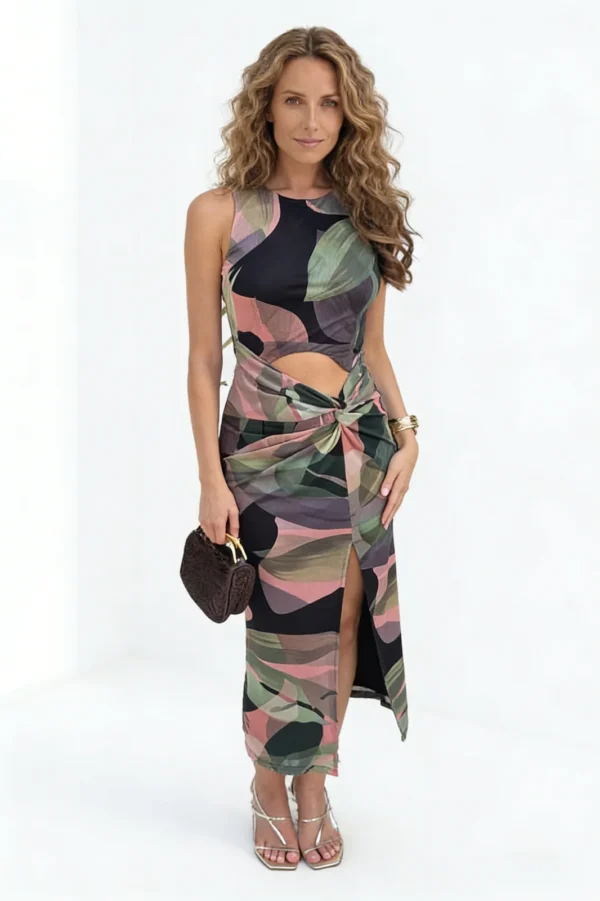
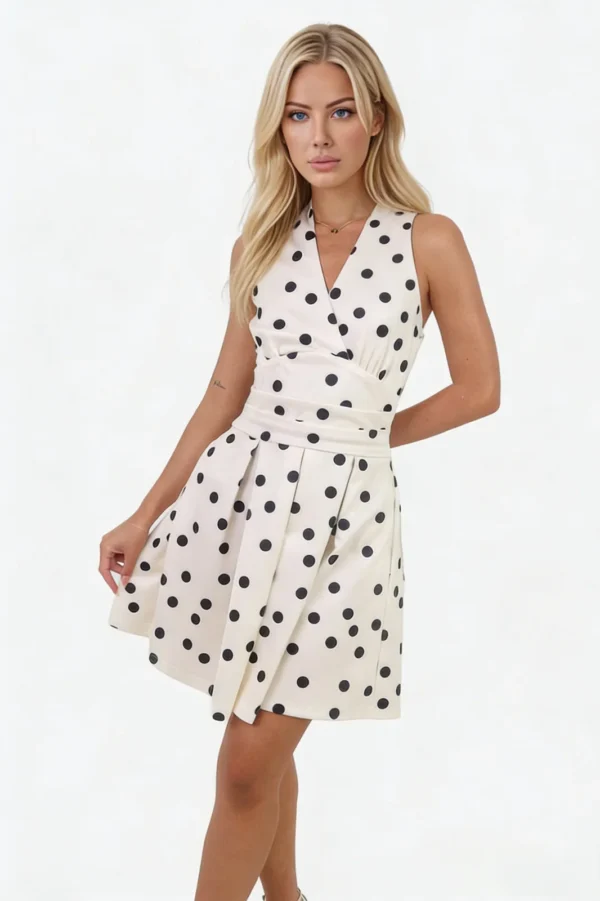
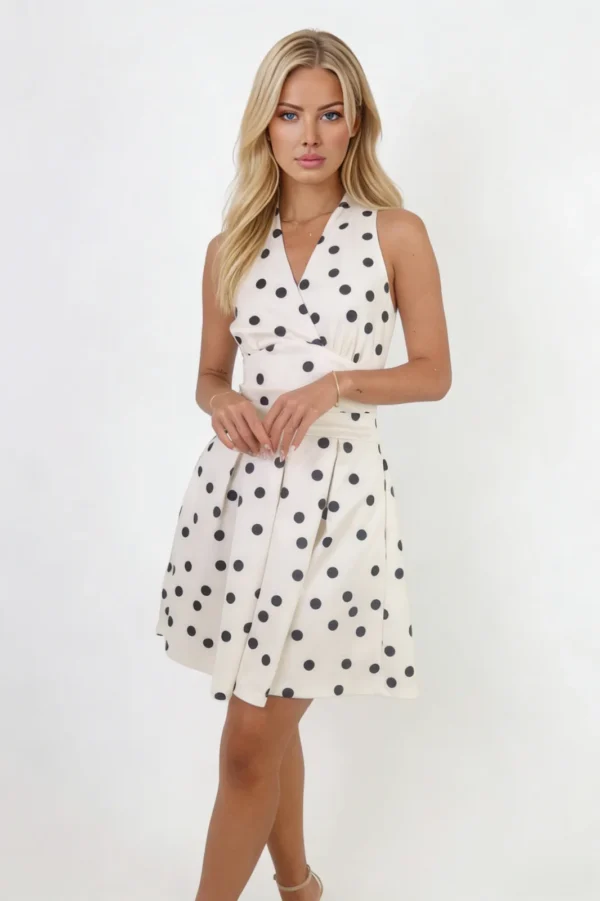
These garments showcase the manufacturing quality available through our partner factory network:

Conclusie
Working effectively with Chinese clothing manufacturers requires understanding relationship principles that differ from purely transactional Western approaches. The investment in cross-cultural relationship building pays measurable returns through better pricing, priority access, flexibility when problems arise, and manufacturing partners genuinely invested in your success.
The numbers tell the story: According to the Federatie van de Chinese textielindustrie{target=”_blank” rel=”nofollow”}, the country’s apparel export volume reached $182 billion in 2025, making it the world’s largest garment manufacturing hub. The World Bank’s Ease of Doing Business{target=”_blank” rel=”nofollow”} reports consistently highlight China’s manufacturing infrastructure advantages.
Adapt your communication style, build trust gradually, manage problems constructively, and invest in long-term relationship development. This positions your brand for sustainable manufacturing success. The most successful brands sourcing from China treat manufacturing partnerships as strategic relationships deserving ongoing investment — and their production outcomes reflect this commitment.
Looking for manufacturing partners who understand both Western quality expectations and Chinese factory culture? Algo Bert Fashion helps international brands build and manage relationships with reliable Chinese manufacturers. Get a free consultation to discuss your production needs.





 English (UK)
 Español
 Français
 Deutsch
 Português
 Italiano
 Polski
 Nederlands
 Svenska
 Русский
 Türkçe
 한국어
한국어