

Affrontare una trattativa con una fabbrica di abbigliamento cinese senza un’adeguata preparazione è come giocare a poker senza conoscere le regole: finirai per perdere soldi. Molti nuovi titolari di marchi affrontano le trattative con le fabbriche utilizzando tattiche commerciali occidentali, solo per scoprire che il modo in cui trattare con i produttori cinesi di abbigliamento richiede una strategia completamente diversa.
La cultura aziendale cinese attribuisce grande importanza alla costruzione di relazioni, alla visione a lungo termine e al vantaggio reciproco, in modi che possono sembrare controintuitivi agli imprenditori occidentali, concentrati sulla riduzione immediata dei costi. I marchi che riescono a ottenere i prezzi migliori, i tempi di consegna più rapidi e le partnership più solide con le fabbriche sono quelli che comprendono che una negoziazione efficace in Cina consiste nel costruire i guanxi (rapporti) e, al contempo, nel condurre trattative decise sui termini commerciali.
In questa guida sveliamo le sette strategie collaudate sul campo che i marchi di abbigliamento di successo utilizzano per trattare con i produttori cinesi di abbigliamento per ottenere condizioni di prezzo più vantaggiose senza compromettere i rapporti. Che vi stiate preparando alla vostra prima trattativa con un produttore o che vogliate rafforzare le partnership esistenti con i fornitori, queste strategie vi aiuteranno a concludere accordi vantaggiosi per entrambe le parti e a gettare le basi per un successo a lungo termine.
Cosa imparerai in questa guida:
- Comprendere la cultura aziendale cinese e il concetto di guanxi
- Sette strategie di negoziazione collaudate che funzionano davvero in Cina
- Come sfruttare i volumi per ottenere prezzi migliori senza assumersi impegni eccessivi
- Negoziare i termini di pagamento, i tempi di consegna e gli standard di qualità
- Errori comuni commessi dai marchi durante le trattative e come evitarli
- Esempi concreti di dialoghi di negoziazione e modelli di e-mail pronti all’uso
- Quando è meglio rinunciare a un affare (e come farlo senza bruciare i ponti)
Informazioni sull'autore e perché fidarsi di questa guida
A cura del team di approvvigionamento moda di Algo Bert Il nostro team ha dedicato oltre 10 anni gestiamo attività di produzione ed esportazione di abbigliamento direttamente da Guangzhou, in Cina — il cuore della filiera globale dell'abbigliamento. Abbiamo gestito personalmente migliaia di trattative B2B, ha facilitato la creazione di partnership con stabilimenti per marchi negli Stati Uniti, nel Regno Unito, in Australia e in Europa, e ha affrontato in prima persona ogni sfida trattata in questa guida.
Questo articolo non si basa su teorie o ricerche di seconda mano. Ogni strategia, copione e caso di studio proviene da esperienza diretta e pratica aiutiamo i marchi a negoziare con i produttori cinesi di abbigliamento in ogni categoria di prodotto, dalle magliette casual agli abiti da sera più elaborati.
Titoli di studio: Stabilimento produttivo certificato ISO 9001 · Conforme agli standard BSCI · Membro attivo dell'Associazione dell'industria dell'abbigliamento di Guangzhou · Al servizio di marchi di moda in oltre 20 paesi.
Indice dei contenuti
Comprendere la cultura aziendale cinese e il guanxi
Prima di addentrarvi nelle specifiche tattiche di negoziazione, è fondamentale comprendere il contesto culturale che determina il modo in cui le fabbriche cinesi gestiscono i rapporti commerciali. Questa consapevolezza culturale è l’aspetto più importante da acquisire prima di trattare con i produttori cinesi di abbigliamento. Il concetto più importante è guanxi (Relazioni) — il sistema di reti sociali e relazioni influenti che facilitano i rapporti commerciali in Cina.
Che cos’è il guanxi?
Il termine “guanxi” può essere tradotto approssimativamente con “relazioni” o "connessioni", ma il suo significato va ben oltre il concetto occidentale di "networking". Secondo il Consiglio commerciale Cina-Regno Unito, il guanxi rimane uno dei fattori più determinanti per il successo delle partnership commerciali tra Cina e Occidente. Nella cultura aziendale cinese, il guanxi rappresenta:
- Obblighi reciproci: Un sistema reciproco in cui i favori e il sostegno scorrono in entrambe le direzioni
- Fiducia costruita nel tempo: Le relazioni si sviluppano attraverso interazioni multiple, non attraverso singole transazioni
- Legame personale: Gli affari si fanno tra persone, non tra società senza volto
- Prospettiva a lungo termine: Il piccolo favore di oggi crea la grande opportunità di domani
In che modo il “guanxi” influisce sulla tua capacità di negoziare con i produttori cinesi di abbigliamento
Quando tu trattare con i produttori cinesi di abbigliamento, il guanxi cambia radicalmente le dinamiche in modi che la maggior parte degli acquirenti occidentali inizialmente non comprende:
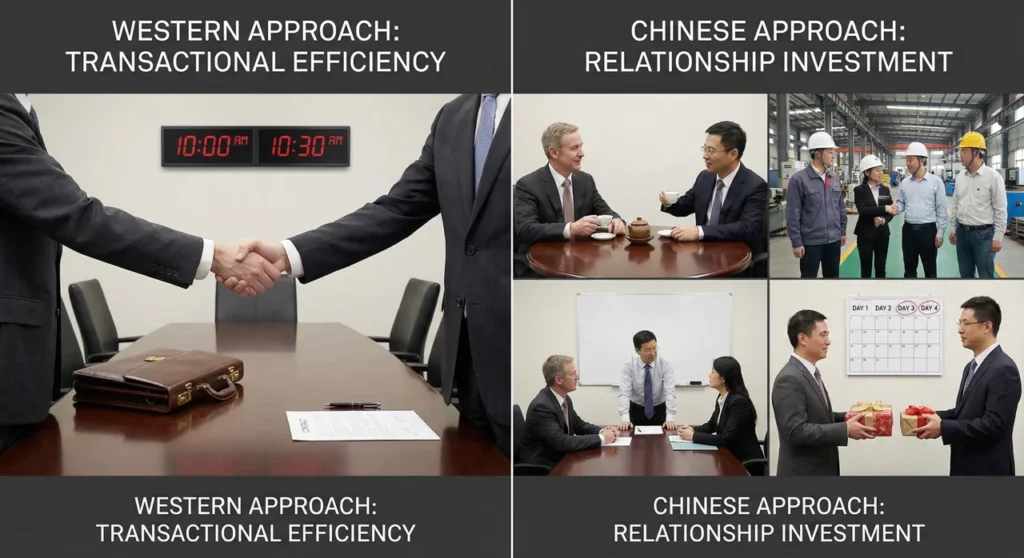
Approccio occidentale alla negoziazione:
- Concentrarsi su una singola transazione
- Massimizzare il guadagno immediato
- Rapporto di piena indipendenza
- I contratti scritti come forma di tutela primaria
- Il prezzo è il fattore principale da considerare
L'approccio cinese alla negoziazione:
- Concentrarsi sulla costruzione di relazioni
- Massimizzare i vantaggi reciproci a lungo termine
- Il legame personale è fondamentale
- La fiducia e il rapporto interpersonale come protezione primaria
- Il prezzo è uno dei tanti fattori da considerare
Dalla nostra esperienza: Nei nostri primi anni di attività a Guangzhou, abbiamo osservato ripetutamente uno schema ricorrente: le fabbriche offrivano prezzi nettamente migliori — a volte inferiori del 10–15% — ai marchi con cui collaboravano da oltre un anno rispetto alle richieste provenienti da nuovi clienti per un prodotto identico. La differenza non era legata al volume, ma alla fiducia. Questo ci ha insegnato che il «guanxi» non è una semplice sottigliezza culturale, bensì una risorsa aziendale tangibile con un valore finanziario misurabile. Comprendere questa dinamica è essenziale per chiunque voglia negoziare con successo con i produttori di abbigliamento cinesi.
Immagine: La differenza culturale tra la negoziazione transazionale occidentale e quella cinese basata sulle relazioni (guanxi) è fondamentale per comprendere come negoziare in modo efficace con i produttori di abbigliamento cinesi.
Costruire una rete di relazioni prima della negoziazione
I marchi di successo dedicano tempo alla costruzione di relazioni prima di avviare trattative serrate:
Fase 1: Contatto iniziale (settimane 1–2)
- Presenta il tuo marchio e la tua visione
- Mostrare un sincero interesse per le potenzialità dello stabilimento
- Chiedete informazioni sulla loro storia, sulle loro specialità e sui loro punti di forza
- Condividi i tuoi progetti a lungo termine (anche se sono solo aspirazioni)
Fase 2: Sviluppo delle relazioni (settimane 3–4)
- Richiedi una visita guidata allo stabilimento (in presenza o virtuale)
- Presenta la tua squadra alla loro squadra
- Parla delle difficoltà che hai incontrato con altri fornitori
- Esprimi il tuo apprezzamento per il tempo che ti hanno dedicato e per la loro competenza
Fase 3: Creazione di un rapporto di fiducia (mesi 2–3)
- Effettuare un primo ordine di modesta entità per mettere alla prova il rapporto
- Pagate puntualmente e comunicate in modo chiaro
- Fornire un feedback costruttivo sui campioni
- Dimostra di essere un partner serio e affidabile
Fase 4: Negoziazione (dal terzo mese in poi)
- Ora hai instaurato dei guanxi
- Factory ti considera un partner, non solo un cliente
- La negoziazione diventa collaborativa, non conflittuale
- Le condizioni migliori nascono spontaneamente dal rapporto
Caso di studio reale: Il potere della pazienza
Uno dei nostri partner di lunga data, un marchio di costumi da bagno sostenibili con sede in Australia, ha dedicato due mesi interi a instaurare un rapporto con il nostro stabilimento di Guangzhou prima di discutere i dettagli relativi ai prezzi. Durante quel periodo, ha effettuato visite virtuali, ha inviato presentazioni dettagliate sul marchio, ha pagato le spese per i campioni senza contrattare e ha comunicato in modo rispettoso e coerente.
Quando sono iniziate formalmente le trattative sui prezzi, i risultati si sono rivelati nettamente diversi da quelli che avrebbe ottenuto un acquirente orientato alla transazione:
- Prezzo unitario della parte inferiore 15% rispetto al nostro listino prezzi standard per volumi equivalenti
- Pianificazione prioritaria della produzione durante l'alta stagione (luglio-settembre)
- Quantità minima ordinabile ridotta di 30% inferiore al nostro minimo standard per gli ordini iniziali
- Reportistica proattiva sulla qualità con aggiornamenti fotografici in ogni fase della produzione, senza che venga richiesto
Il ragionamento della direzione dello stabilimento era molto semplice: “Ci fidiamo di questo marchio. Rispetta il nostro lavoro, comunica in modo chiaro e paga puntualmente. Vogliamo che diventi un partner a lungo termine, quindi investiamo in questo rapporto.”
Punto chiave: Dedicare 2–3 mesi alla costruzione di relazioni prima di avviare una negoziazione serra non è tempo sprecato. Secondo la nostra esperienza, ciò garantisce sistematicamente condizioni di prezzo migliori (del 10–20%), un trattamento prioritario e una flessibilità a cui gli acquirenti che si limitano a concludere transazioni non possono semplicemente accedere. Ecco perché il guanxi è la “Strategia Zero” per chiunque stia imparando a negoziare con i produttori di abbigliamento cinesi.
Strategia 1: Instaurare rapporti prima di negoziare
La strategia di gran lunga più efficace quando si trattare con i produttori cinesi di abbigliamento è quello di instaurare rapporti autentici prima di parlare di soldi. Questo approccio può sembrare dispendioso in termini di tempo, ma porta benefici che durano per anni.
L'approccio incentrato sulla relazione
Mese 1: Scoperta e apprendimento
Cosa fare:
- Prenota una visita guidata allo stabilimento (virtuale o in presenza)
- Poni domande dettagliate sulle loro capacità
- Scopri i loro lavori migliori e i progetti di cui vanno più fieri
- Comprendere i loro processi produttivi e gli standard di qualità
- Ti presentiamo le figure chiave che si occuperanno del tuo account
Esempio di e-mail (testata e collaudata):
Oggetto: Analisi delle opportunità di collaborazione - [Nome del vostro marchio]
Gentile [Nome del responsabile di stabilimento],
Mi chiamo [Il tuo nome], sono il fondatore di [Nome del marchio], un [descrivi brevemente il tuo marchio].
Siamo rimasti colpiti dalla reputazione del vostro stabilimento per quanto riguarda [punto di forza specifico]
che hai approfondito — ad esempio, la struttura complessa, la qualità di stampa, ecc.].
Prima di parlare di eventuali ordini specifici, mi piacerebbe saperne di più sul vostro
valutare le nostre capacità e capire se potremmo essere la scelta giusta per una collaborazione a lungo termine.
Sarebbe possibile:
1. Vuoi prenotare una visita virtuale della tua struttura?
2. Scopri quali sono le competenze e le specializzazioni del tuo team?
3. Conoscete i vostri processi di controllo qualità?
Stiamo cercando un partner di produzione con cui instaurare una collaborazione a lungo termine, non solo un
transazione una tantum. Credo che sia importante instaurare un rapporto prima di concludere un affare.
Non vedo l'ora di saperne di più sulla vostra fabbrica.
Cordiali saluti,
[Il tuo nome]
Perché consigliamo proprio questo approccio: In oltre 15 anni e migliaia di richieste iniziali da parte di acquirenti, abbiamo monitorato la qualità delle risposte e i tassi di coinvolgimento. Le e-mail che partono da una sincera curiosità riguardo alla fabbrica — anziché richiedere immediatamente preventivi — ricevono risposte più dettagliate, un follow-up più rapido e hanno molte più probabilità di sfociare in una partnership produttiva a lungo termine. Le fabbriche sono in grado di distinguere, fin dalla prima e-mail, un marchio serio da chi è alla ricerca del prezzo più basso. Questa prima impressione influenza notevolmente la vostra capacità di negoziare in seguito con i produttori cinesi di abbigliamento in merito a prezzi e condizioni.
Mese 2: Dimostrare serietà
Cosa fare:
- Fornire schede tecniche dettagliate per lo sviluppo dei campioni
- Pagare tempestivamente le commissioni campione senza negoziare
- Fornire un feedback chiaro e costruttivo sui campioni
- Dimostrare di comprendere le sfide legate alla produzione
- Rispetta il loro tempo e la loro competenza
Perché funziona: Le fabbriche ricevono ogni giorno decine di richieste da marchi che poi non effettuano mai ordini. Investendo in un campionario adeguato e dimostrando un interesse sincero, ti distingui come un potenziale partner serio su cui vale la pena investire tempo.
Mese 3: Consolidare la partnership
Cosa fare:
- Effettuare un primo ordine di produzione in piccola quantità
- Versare i depositi entro i termini previsti (o in anticipo)
- Comunicare in modo chiaro durante tutte le fasi della produzione
- Dai un riscontro positivo quando è meritato
- Affrontare i problemi con diplomazia quando si presentano
Il cambiamento nell'approccio alla negoziazione: Dopo tre mesi dedicati a costruire un rapporto, quando tu trattare con i produttori cinesi di abbigliamento Per quanto riguarda i prezzi del tuo secondo ordine, non sei più un semplice acquirente, ma un partner di fiducia. La conversazione non verte più sulla domanda “Qual è il vostro prezzo più basso?”, bensì su “Come possiamo collaborare per far crescere entrambe le nostre attività?”.”
Attività efficaci per costruire relazioni
Sulla base della nostra esperienza diretta nella gestione di partnership in oltre 20 paesi, queste attività specifiche consentono di instaurare i guanxi più solidi e di gettare le basi migliori per negoziare in seguito con i produttori cinesi di abbigliamento:
Visite virtuali agli stabilimenti:
- Richiedi video illustrativi delle aree di produzione
- Chiedete di vedere come funzionano i loro processi di controllo qualità
- Scopri le loro attrezzature e le loro capacità
- Incontra i membri chiave del team tramite videochiamata
Condividere la propria visione:
- Spiega gli obiettivi a lungo termine del tuo marchio fornendo dettagli specifici
- Mostra i tuoi materiali di marketing e la tua presenza online
- Condividi articoli di stampa o testimonianze dei clienti
- Dimostrare un andamento di crescita (anche se modesto)
Legame personale:
- Scopri le festività cinesi (Festa di Primavera, Festa di metà autunno)
- Invia gli auguri in occasione delle festività più importanti
- Chiedete informazioni sulla storia e sui risultati raggiunti dalla loro azienda
- Ricordare i dettagli relativi ai membri del proprio team
Rispetto per la loro competenza:
- Chiedete loro consiglio sulle questioni tecniche
- Chiedete loro consiglio sulla scelta dei materiali o sui metodi di costruzione
- Mostrare apprezzamento per le loro competenze in materia di produzione
- Considerateli come partner, non solo come fornitori
ROI misurabile della costruzione di relazioni
Sulla base dei dati che abbiamo raccolto nell’ambito delle collaborazioni con i nostri clienti:
Tempo richiesto: 2–3 mesi di sviluppo della relazione
Rendimenti finanziari (medie osservate):
- 10–20%: condizioni di prezzo più vantaggiose rispetto ai rapporti transazionali
- Pianificazione prioritaria durante i periodi di punta
- Quantità minime d'ordine (MOQ) ridotte per gli ordini di prova
- Condizioni di pagamento più vantaggiose (acconto del 20–25% rispetto al 30–50%)
- Controllo di qualità proattivo senza costi aggiuntivi
- Flessibilità in caso di ordini urgenti o piccole modifiche
I calcoli: Se dedicare 10 ore in più alla costruzione di relazioni ti fa risparmiare 15% su un ordine da $20.000:
- Tempo richiesto: 10 ore
- Risparmio finanziario: $3.000
- Tasso di rendimento orario effettivo: $300/ora
È un tempo speso in modo davvero ottimale per qualsiasi marchio che stia imparando a trattare con i produttori cinesi di abbigliamento in modo efficace.
Strategia 2: Sfruttare il volume senza assumersi impegni eccessivi
Il volume è il punto di leva più efficace quando si trattare con i produttori cinesi di abbigliamento, ma molti marchi commettono l’errore fatale di assumere impegni eccessivi per ottenere prezzi migliori, per poi trovarsi in difficoltà a smaltire le scorte in eccesso.
Il rapporto tra volume e prezzo
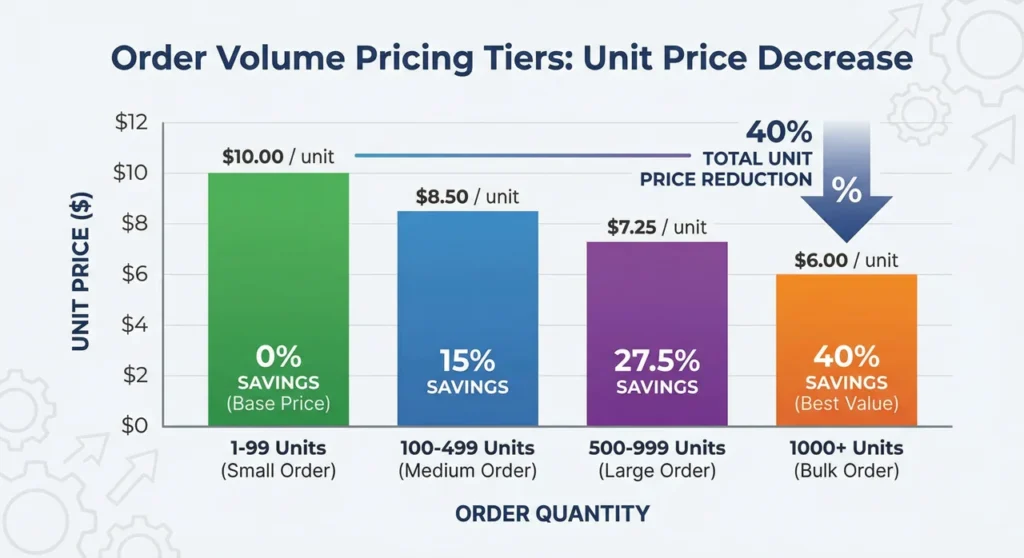
Le fabbriche cinesi adottano solitamente un sistema di prezzi differenziato in base al volume degli ordini. Ecco un esempio rappresentativo basato sulle strutture tariffarie standard con cui lavoriamo abitualmente:
Esempi di fasce di prezzo (maglietta in cotone semplice, 180 GSM):
| Volume degli ordini | Prezzo unitario | Risparmio rispetto al valore di base |
|---|---|---|
| 100–499 unità | $8.50 | — |
| 500–999 unità | $7.75 | 9% |
| 1.000–2.499 unità | $7.00 | 18% |
| Oltre 2.500 unità | $6.50 | 24% |
Nota: queste cifre sono indicative e si basano sui prezzi tipici del mercato di Guangzhou. I prezzi effettivi variano a seconda del tessuto, della complessità della lavorazione e della fabbrica.
Immagine: Comprendere i livelli di prezzo basati sul volume è fondamentale quando si negozia con i produttori cinesi di abbigliamento per ottenere costi unitari più vantaggiosi.
Strategie intelligenti di gestione del volume
Strategia A: Impegni di volume annuali
Anziché impegnarsi con singoli ordini di grandi dimensioni, negoziate con i produttori cinesi di abbigliamento sulla base del volume annuale complessivo:
Il tuo approccio:
"Per questo primo ordine, partiremo con 500 unità al prezzo previsto per 500 unità.
Tuttavia, se la qualità soddisfa i nostri standard e la collaborazione funziona bene,
Abbiamo in programma di ordinare 3.000 unità nei prossimi 12 mesi, suddivise in 4-5 modelli.
È possibile definire un accordo in cui:
- Questo primo ordine: 500 unità a $7,75
- Ordini futuri: prezzi differenziati in base al volume annuale cumulativo
- Se raggiungiamo oltre 2.500 unità all'anno, verrà applicato un adeguamento retroattivo del prezzo a $6,50"
Perché le fabbriche accettano questa situazione:
- Ottengono il tuo impegno per una collaborazione a lungo termine
- Grazie agli ordini regolari, riescono a mantenere il flusso di cassa
- Possono pianificare meglio la capacità
- L'adeguamento retroattivo li tutela nel caso in cui non si raggiunga il volume previsto
Dalla nostra esperienza: Abbiamo stipulato accordi annuali sui volumi con oltre 200 marchi partner. Quelli di maggior successo prevedono punti di verifica trimestrali. Ciò tutela entrambe le parti: se il marchio cresce più rapidamente del previsto, ottiene condizioni di prezzo più vantaggiose in tempi più brevi; se la crescita è più lenta, entrambe le parti possono adeguare le aspettative senza compromettere il rapporto.
Strategia B: Raggruppamento degli ordini misti
Combina diversi stili o colori per raggiungere livelli di volume più elevati:
- Modello A (3 colori): 300 unità per ciascuno = 900 unità
- Modello B (2 colori): 300 unità per ciascuno = 600 unità
- Totale: 1.500 unità → Negoziare il prezzo in base alla fascia delle 1.500 unità per tutti gli articoli
Condizione importante: Assicurarsi che i modelli utilizzino tessuti e tecniche di confezione simili, in modo che la fabbrica possa produrli insieme in modo efficiente.
Strategia C: Sfruttamento della pianificazione della produzione
Proponiamo di adeguare la vostra produzione ai periodi di minor attività dello stabilimento:
"Ci risulta che il vostro periodo di punta sia da luglio a settembre. Possiamo impegnarci a inserire
i nostri ordini con consegna prevista tra febbraio e aprile, durante il vostro periodo di minore attività.
In cambio di questa flessibilità nella programmazione, che facilita la pianificazione delle capacità,
"Potremmo discutere di condizioni di prezzo più vantaggiose o di un trattamento prioritario?"
Perché funziona:
- Le fabbriche presentano notevoli variazioni stagionali nel carico di lavoro
- I periodi da gennaio a marzo e da ottobre a novembre sono in genere più tranquilli
- La capacità di sfruttare a pieno regime gli impianti nei periodi di minor attività è estremamente preziosa per i proprietari delle fabbriche
- Ottieni prezzi più vantaggiosi senza dover ordinare più unità
Come proteggersi dall'eccesso di impegni
Non negoziare mai basandoti sulla speranza:
❌ Non dire: “Abbiamo in programma di vendere 5.000 unità, quindi abbiamo bisogno di un prezzo per 5.000 unità”
✅ Da dire: “Per questo modello di comprovato successo, ordineremo 1.000 pezzi. Se le vendite andranno bene, valuteremo la possibilità di ordinare quantità maggiori per il prossimo ordine”.”
Punto chiave: Il modo più intelligente per negoziare i volumi con i produttori cinesi di abbigliamento non consiste nel ordinare più di quanto si riesca a vendere. Si tratta piuttosto di strutturare gli impegni, raggruppare gli ordini e offrire flessibilità nella programmazione, al fine di ottenere fasce di prezzo più vantaggiose a livelli di rischio gestibili.
Strategia 3: negoziare le condizioni di pagamento, non solo il prezzo
Quando i marchi trattare con i produttori cinesi di abbigliamento, spesso si concentrano sul prezzo unitario trascurando le condizioni di pagamento, eppure queste ultime possono avere un impatto maggiore sul flusso di cassa rispetto a una riduzione di prezzo del 10%.
Condizioni di pagamento standard nel settore della produzione di abbigliamento
Sulla base delle prassi prevalenti nel settore della produzione di abbigliamento a Guangzhou:
- Deposito 30% al momento dell'ordine
- Saldo 70% prima della spedizione (dopo l'ispezione pre-spedizione)
Negoziare condizioni di pagamento più vantaggiose
Opzione 1: Percentuale di deposito ridotta
| Condizioni | Deposito | Equilibrio | Impatto sul flusso di cassa (ordine da $20.000) |
|---|---|---|---|
| Standard | 30% ($6,000) | 70% prima della spedizione | $20.000 per intero prima della ricezione |
| Negoziato | 20% ($4,000) | 80% prima della spedizione | $2.000 stanziati per il capitale circolante |
Quando presentare la richiesta:
- Dopo aver completato con successo 2-3 ordini con pagamento puntuale
- Quando si dispone di un rapporto consolidato e di una storia di pagamenti regolare
- Per ordini ripetuti di modelli di successo
- Quando il valore dell'ordine è rilevante ($10.000+)
Il tuo approccio:
"Considerata la nostra comprovata esperienza di [X ordini] con pagamenti puntuali,
Potreste prendere in considerazione la possibilità di ridurre il deposito richiesto a 20% per gli ordini futuri?
Ciò contribuirebbe a migliorare il nostro flusso di cassa, consentendovi al contempo di garantire la sicurezza grazie al saldo
prima della struttura di spedizione. Saremmo lieti di sottoscrivere un impegno a più lungo termine
"accordo, se ciò fornisce ulteriori garanzie."
Opzione 2: Termini di pagamento estesi sul saldo
| Condizioni | Prima della spedizione | Dopo la consegna | Vantaggio in termini di flusso di cassa |
|---|---|---|---|
| Standard | 100% | — | Senza galleggiante |
| Negoziato | 70% | 30% entro 30 giorni | fluttuazione di 30 giorni sul 30% di valore |
Nota importante sulla trasparenza: I termini di pagamento estesi comportano un rischio concreto per le fabbriche. Dal nostro punto di vista di produttori, offriamo termini “Net 30” solo ai partner con una comprovata esperienza di almeno 3–4 ordini completati e nessun ritardo nei pagamenti. Se siete un nuovo marchio che richiede termini di pagamento più lunghi già al primo ordine, aspettatevi che le fabbriche rifiutino la richiesta e comprendete che si tratta di una decisione commerciale ragionevole, non di un fallimento nella negoziazione. Conoscere questo contesto vi aiuterà a negoziare con i produttori di abbigliamento cinesi in modo più realistico.
Opzione 3: Condizioni di pagamento al netto per ordini ricorrenti
- Nuove modalità: condizioni standard 30/70
- Ordini ripetuti di modelli consolidati: pagamento a 30 o 45 giorni
Il calcolo del flusso di cassa
Scenario: (Ordini 200.000 all'anno)
| Struttura dei pagamenti | Capitale circolante immobilizzato | Vantaggio |
|---|---|---|
| Standard (30/70, tutto prima della spedizione) | ~$50.000 in media | Linea di base |
| Negoziato (20/80 con pagamento a 30 giorni netti per gli ordini ricorrenti) | ~$35.000 in media | $15.000 liberati |
Con un tasso di crescita annuo del 20%, ciò corrisponde a 75.000 di vendite aggiuntive.
Punto chiave: Le condizioni di pagamento sono spesso più negoziabili del prezzo unitario, soprattutto dopo aver instaurato un rapporto di fiducia. Quando negoziate con i produttori cinesi di abbigliamento, ricordate che un miglioramento delle condizioni di pagamento pari a 10% può garantire un vantaggio più concreto in termini di flusso di cassa rispetto a una riduzione di prezzo pari a 5% sullo stesso ordine.
Strategia 4: Offrire impegni a lungo termine per ottenere tariffe più vantaggiose
Le fabbriche di abbigliamento cinesi danno grande importanza alla stabilità e alla prevedibilità del carico di lavoro. Quando si trattare con i produttori cinesi di abbigliamento, offrire impegni a lungo termine può consentire di ottenere condizioni di prezzo e un trattamento prioritario a cui gli acquirenti occasionali semplicemente non possono accedere.
Tipi di impegni a lungo termine
Tipo 1: Accordi sul volume annuo
Accordo annuale di impegno sui volumi
Il marchio si impegna a: almeno 5.000 unità nel 2026
Il produttore si impegna a fornire: $6,50 per unità (con vincolo di 12 mesi)
Condizioni:
- Ordini trimestrali compresi tra 1.000 e 2.000 unità
- Prezzi validi anche in caso di aumento dei costi dei materiali fino a 10%
- Gestione prioritaria di tutti gli ordini
- Condizioni di pagamento: acconto 25% / 75% al netto a 30 giorni
- Revisione e rinnovo: dicembre 2026 per il 2027
La nostra valutazione sincera: Gli accordi sul volume annuale funzionano particolarmente bene quando entrambe le parti hanno un approccio realistico. Il principale motivo di insuccesso che abbiamo osservato è la tendenza dei marchi a sopravvalutare la propria crescita. Consigliamo sempre di partire da un impegno di volume prudente, che siate certi di poter rispettare, con fasce di prezzo bonus in caso di superamento di tale volume. Ciò tutela il rapporto e rafforza la vostra posizione in vista della prossima trattativa con i produttori di abbigliamento cinesi per ottenere condizioni migliori.
Tipo 2: Partnership pluristagionali
- Collaborazione con lo stabilimento per l'intero ciclo di vita del prodotto (primavera/estate, autunno/inverno)
- Factory diventa il vostro principale fornitore per specifiche categorie di prodotti
- Sessioni di pianificazione congiunte prima di ogni stagione
Tipo 3: Incentivi basati sulla crescita
Anno 1: 2.000 unità a $7,50
Anno 2: 3.000 unità a $7,00 (se l'obiettivo di crescita viene raggiunto)
Anno 3: 5.000 unità a $6,50 (se l'obiettivo di crescita viene raggiunto)
Bonus di crescita: se nel primo anno si superano le 2.500 unità, si applicano le tariffe del secondo anno
inizia immediatamente a $7.00
Gestire una relazione a lungo termine
Analisi trimestrali dell'andamento aziendale:
- Confronto tra volume e impegno
- Discutere eventuali problemi relativi alla qualità o proposte di miglioramento
- Pianificare gli ordini stagionali imminenti
- Affrontare eventuali preoccupazioni da entrambe le parti
- Festeggiare i successi e le tappe fondamentali
Migliori pratiche di comunicazione (frutto di 15 anni di esperienza):
- Condividi i tuoi successi di marketing (“Abbiamo esaurito le scorte dell’abito che hai realizzato!”)
- Comunicare con anticipo gli ordini di grandi quantità o i nuovi modelli
- Siate trasparenti riguardo alle difficoltà
- Se possibile, recarsi di persona almeno una volta all'anno
Punto chiave: Gli impegni a lungo termine sono lo strumento più efficace a vostra disposizione quando negoziate con i produttori cinesi di abbigliamento. Trasformano la fabbrica da semplice fornitore a partner con un interesse diretto nel vostro successo — e questo cambiamento rivoluziona ogni aspetto relativo a prezzi, priorità e flessibilità.
Strategia 5: Sfruttare la concorrenza con intelligenza senza allontanare i partner
La concorrenza è uno strumento potente quando si trattare con i produttori cinesi di abbigliamento, ma se gestita male, può distruggere il guanxi che hai faticosamente costruito. Il segreto sta nell’utilizzare la pressione competitiva con diplomazia.
Il modo sbagliato di utilizzare la concorrenza
Da non dire:
"La fabbrica B ci ha proposto un prezzo di $5,50. Potete eguagliare quell'offerta o è meglio che ci affidiamo a loro?"
Perché questo non funziona:
- Crea un rapporto conflittuale
- Factory mette in dubbio la tua fedeltà
- Segnali che li consideri una merce e non dei partner
- Mina la fiducia e la reputazione
Quello che abbiamo visto accadere: In base alla nostra esperienza, quando gli acquirenti ricorrono a minacce aggressive legate alla concorrenza, le fabbriche spesso reagiscono in uno dei due modi seguenti, nessuno dei quali è vantaggioso. O si allineano a malincuore al prezzo, ma riducono silenziosamente la qualità, oppure si allineano al prezzo per un singolo ordine e poi rifiutano ulteriori commesse. Nessuno dei due esiti è vantaggioso per l’acquirente nel lungo periodo. Si tratta di una lezione fondamentale per chiunque stia imparando a negoziare con i produttori cinesi di abbigliamento.
Il modo giusto di affrontare la concorrenza
Da dire:
"Stiamo riesaminando le nostre collaborazioni con i fornitori per il 2026, al fine di garantire che stiamo lavorando
con stabilimenti in linea con i nostri piani di crescita. Abbiamo ricevuto diverse proposte,
Ma teniamo molto al rapporto che abbiamo instaurato con il vostro team e alla qualità del lavoro che ci avete fornito.
Prima di definire definitivamente i nostri piani, vorrei discutere di come potremmo rafforzare il nostro
collaborazione. Possiamo fissare una telefonata per discutere degli impegni in termini di volumi e dei prezzi?
per il prossimo anno? Puntiamo a instaurare rapporti duraturi, non a cercare semplicemente
"il prezzo più basso per ogni ordine."
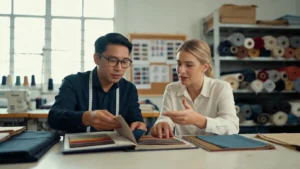
Immagine: Gli incontri di negoziazione collaborativa sono di gran lunga più efficaci delle tattiche conflittuali quando si negozia con i produttori di abbigliamento cinesi.
Tattiche di concorrenza strategica
Tattica 1: La revisione annuale
Una volta all’anno, effettuare una valutazione formale dei fornitori:
- Richiedi i prezzi aggiornati al tuo attuale fornitore
- Richiedi preventivi ad altre 2-3 fabbriche per poterli confrontare
- Valutare tutte le opzioni in base a prezzo, qualità, servizio e rapporto
- Negoziare miglioramenti con l'attuale stabilimento, se le condizioni sono competitive
- Apportare modifiche solo in caso di problemi rilevanti
Strategia 2: Il programma pilota
- Assegnate alla nuova fabbrica 20% del vostro volume per un periodo di prova (3–6 mesi)
- Manutenzione del modello 80% presso un centro di assistenza autorizzato
- Confronta le prestazioni in modo oggettivo
Tattica 3: La richiesta di benchmark
"Mentre stiamo preparando il bilancio per il prossimo anno, sto cercando di capire l'andamento dei prezzi di mercato.
Potresti aiutarmi a capire come si collocano i nostri prezzi rispetto agli standard del settore?
Esistono possibilità di ottimizzare i costi senza compromettere la qualità?
Preferiamo far crescere la nostra attività insieme a te. Mi farebbe piacere conoscere il tuo punto di vista."
Quando è davvero il momento di cambiare stabilimento
Motivi validi per cambiare:
- Problemi di qualità ricorrenti che non mostrano segni di miglioramento nonostante i feedback documentati
- Ritardi ricorrenti nel rispetto delle scadenze (almeno 2 ritardi significativi all’anno)
- Prezzo nettamente superiore a quello di mercato (differenza di 15%+)
- Problemi di comunicazione che non possono essere risolti
- Preoccupazioni di natura etica relative alle pratiche aziendali
Punto chiave: Utilizzate la concorrenza come strumento per aumentare la visibilità sul mercato, non come arma. I marchi di maggior successo che abbiamo aiutato a negoziare con i produttori cinesi di abbigliamento sono quelli che mantengono una comunicazione trasparente e rispettosa, dimostrando al contempo una chiara lealtà nei confronti dei propri partner principali.

Strategia 6: Essere precisi riguardo agli standard di qualità
Quando tu trattare con i produttori cinesi di abbigliamento, le aspettative vaghe in materia di qualità rappresentano la causa principale di controversie. Standard di qualità specifici e misurabili garantiscono chiarezza a vantaggio di entrambe le parti e prevengono costosi malintesi.
Il costo di standard di qualità vaghi
| Quello che hai detto | Cosa ha capito Factory | Quello che ti aspettavi | Risultato |
|---|---|---|---|
| “Costruzione di alta qualità” | I loro standard interni | Vendita al dettaglio di articoli western di alta gamma | Disallineamento |
| “Bel tessuto” | Rapporto peso/prezzo standard | Sensazione al tatto e caduta del tessuto | Delusione |
| “Cuciture ben fatte” | Cuciture funzionali | Cuciture invisibili e rinforzate | È necessario un rielaborazione |
Uno schema che si ripete spesso: Circa il 70% delle controversie relative alla qualità che abbiamo mediato tra acquirenti e fabbriche nell’arco di 15 anni non derivava da una lavorazione scadente da parte delle fabbriche, bensì da istruzioni insufficientemente specifiche fornite dagli acquirenti. Quando abbiamo aiutato gli acquirenti a definire specifiche di qualità dettagliate, il numero di controversie è diminuito drasticamente. Ecco perché è fondamentale definire gli standard prima di negoziare con i produttori di abbigliamento cinesi: ciò consente di prevenire la causa più comune di conflitto.
Definizione di standard di qualità specifici
Elemento 1: AQL (Livello di qualità accettabile)
Specificate i vostri standard AQL in base alle norme riconosciute a livello internazionale Norma ISO 2859-1 sul campionamento:
Standard di qualità: AQL 1,5 per i difetti gravi, AQL 4,0 per i difetti lievi
Difetti critici (AQL 0): tolleranza zero
- Rischi per la sicurezza
- Etichette di manutenzione mancanti
- Etichettatura errata del contenuto di fibre
Difetti gravi (AQL 1,5): massimo 1,51 TP3T accettabile
- Fori o strappi nel tessuto
- Cerniere o accessori rotti
- Macchie evidenti o scolorimento
- Misura fuori tolleranza
Difetti minori (AQL 4,0): massimo 41 TP3T accettabili
- Filetti sporgenti (rifilabili)
- Leggero pilling
- Lievi variazioni di colore entro i limiti previsti
- Posizionamento dell'etichetta leggermente decentrato
Elemento 2: Tolleranze di misura
Tolleranze di misura:
- Torace, vita, fianchi: +/- 1,0 cm
- Lunghezza del corpo: +/- 1,5 cm
- Lunghezza della manica: +/- 1,0 cm
- Larghezza delle spalle: +/- 1,0 cm
- Apertura del collo: +/- 0,5 cm
Metodologia: ASTM D5585 o equivalente. Disteso in piano, senza tensione.
Elemento 3: Specifiche tecniche di costruzione
Requisiti di costruzione:
- Tutte le cuciture: rifinite con tagliacuci (minimo 3 fili)
- Margine di cucitura: 1,0 cm, salvo diversa indicazione
- Larghezza dell'orlo: 2,0 cm ± 0,3 cm
- Densità dei punti: 10-12 punti per pollice (costruzione)
- Eseguire un punto indietro all'inizio e alla fine di tutte le cuciture
Elemento 4: Requisiti di collaudo
Test obbligatori (per ogni lotto di produzione):
- Restringimento: AATCC 135 (max 3%)
- Solidità del colore al lavaggio: AATCC 61 (Grado 4 min)
- Solidità del colore alla luce: AATCC 16 (Grado 4 min)
- Coloranti azoici: EN 14362-1 (conformità obbligatoria, ove richiesto)
Negoziare gli standard di qualità con le fabbriche
Adeguare gli standard al livello di prezzo:
| Livello di fabbrica | Prezzi | AQL raccomandato | Livello di verifica |
|---|---|---|---|
| Premio | Più alto | AQL 1,0 - Grave | Suite completa di test |
| Standard | Fascia media | AQL 1,5 - Grave | Solo test fondamentali |
| Bilancio | Valore | AQL 2,5 - Grave | Test a campione |
Punto chiave: L'investimento più efficace da effettuare prima di qualsiasi trattativa con un produttore è la redazione di un documento completo sugli standard di qualità. Quando si negozia con i produttori di abbigliamento cinesi sulla base di specifiche chiare e scritte, si eliminano le ambiguità, si tutelano entrambe le parti e si riducono drasticamente le costose controversie.
Strategia 7: Sapere quando è il momento di smettere
La strategia definitiva su come trattare con i produttori cinesi di abbigliamento è sapere quando è il momento di voltare pagina. Non tutte le relazioni commerciali possono essere salvate, e restare troppo a lungo con un fornitore problematico costa più che trovarne uno nuovo.
Segnali che indicano che è ora di voltare pagina
Sulla base dei modelli che abbiamo osservato in centinaia di rapporti tra acquirenti e fabbriche:
| Bandiera rossa | Modello di allerta | Quando partire |
|---|---|---|
| Qualità costante | Gli stessi difetti si ripetono nonostante il feedback | Dopo oltre 3 cicli di produzione senza risoluzione |
| Consegna inaffidabile | Ritardo costante di oltre 2 settimane | Dopo oltre 2 ritardi significativi all'anno |
| Giochi sui prezzi | Costi nascosti, aumenti ingiustificati | Se l'aumento annuale è superiore a 151 TP3T senza giustificato motivo |
| Interruzione delle comunicazioni | Risposte lente, errori ricorrenti | Se un’incomprensione causa 2 o più errori |
| Questioni etiche | Rifiuta le verifiche, nessuna trasparenza | Non appena è stato scoperto |
L'uscita professionale
Anche quando te ne vai a causa di problemi, mantieni un atteggiamento professionale. Potresti aver bisogno di nuovo di quella fabbrica, e il settore è piccolo:
Oggetto: Riorganizzazione della nostra partnership nel settore manifatturiero
Gentile [Responsabile di stabilimento],
Dopo un'attenta valutazione, abbiamo deciso di trasferire la nostra produzione a
un’altra struttura per la prossima stagione. Questa decisione fa seguito ai nostri tentativi
per risolvere [alcune questioni specifiche] che hanno influito sulla nostra attività.
Desideriamo ringraziarvi per la collaborazione dimostrata negli ultimi [periodo di tempo]. La vostra
Il team ha lavorato sodo per evadere i nostri ordini e apprezziamo sinceramente il loro impegno.
Abbiamo ancora [X] ordini da evadere, che porteremo a termine come previsto. Speriamo di
può mantenere un rapporto positivo: il settore dell'abbigliamento è piccolo, e
le nostre strade potrebbero incrociarsi di nuovo.
Grazie di tutto.
Cordiali saluti,
[Il tuo nome]
Quando NON è il caso di tirarsi indietro
Rimani e affronta la situazione se:
- I problemi sono di primo ordine (la curva di apprendimento è normale)
- I problemi sono in parte dovuti a specifiche poco chiare da parte vostra
- L'azienda sta compiendo sforzi concreti e documentati per migliorare
- Non disponi di un fornitore alternativo qualificato pronto a subentrare
Una prospettiva onesta: Nei nostri 15 anni di esperienza nel settore manifatturiero, il primo ordine con una nuova fabbrica raramente va alla perfezione. La vera prova non sta nel fatto che si verifichino o meno dei problemi, ma nel modo in cui la fabbrica reagisce. Una fabbrica che riconosce i problemi e mette in atto misure correttive è un partner da mantenere. È proprio questa capacità di giudizio sfumato che distingue i marchi che riescono a negoziare con successo con i produttori di abbigliamento cinesi da quelli che consumano rapidamente i propri fornitori.
Errori comuni da evitare durante una trattativa
Quando tu trattare con i produttori cinesi di abbigliamento, questi errori sono particolarmente frequenti e dannosi. Abbiamo riscontrato ripetutamente ciascuno di questi modelli in migliaia di interazioni con gli acquirenti:
Errore #1: Partire dal prezzo
L'errore: Avviare le trattative chiedendo prezzi più bassi senza aver prima instaurato un rapporto.
La soluzione: Concentrati innanzitutto sulla creazione di un rapporto. Presenta il tuo marchio, discuti le possibilità di collaborazione e, una volta gettate le basi, passa alla questione dei prezzi.
Errore #2: Tattiche troppo aggressive
L'errore: Ricorrere a ultimatum aggressivi del tipo “o così o niente”.
La soluzione: Sii risoluto sui requisiti, ma mantieni un approccio collaborativo. Imposta le discussioni in modo da trovare soluzioni insieme.
Errore #3: Fare promesse che non si possono mantenere
L'errore: Promettere volumi superiori al reale per ottenere prezzi più vantaggiosi, per poi non riuscire a rispettarli.
La soluzione: Siate realistici nelle vostre previsioni. Promettete poco e date di più. Questo è il modo più veloce per ottenere condizioni migliori nel corso del tempo quando negoziate con i produttori cinesi di abbigliamento.
Errore #4: Concentrarsi esclusivamente sul prezzo unitario
L'errore: Negoziare in modo aggressivo il prezzo unitario, trascurando il costo totale allo sbarco.
Calcola il costo totale allo sbarco:
| Componente di costo | Spesso trascurato? | Impatto tipico |
|---|---|---|
| Prezzo unitario | No | Costo diretto |
| Spedizioni e logistica | A volte | Aggiunge 10–20% |
| Ispezioni di controllo qualità | Spesso | $200–500 per ispezione |
| Costo del flusso di cassa relativo ai termini di pagamento | Di solito | Costo opportunità |
| Spese di urgenza | Spesso | 10–30% premium |
| Costi relativi a difetti e resi | Di solito | 2–5% del valore dell'ordine |
Errore #5: ignorare le festività cinesi
Nota importante sulla pianificazione: Il Festival di Primavera (che si svolge solitamente tra la fine di gennaio e la metà di febbraio) blocca di fatto l’attività produttiva cinese per 2–4 settimane. Gli acquirenti più esperti pianificano i programmi di produzione con 2–3 mesi di anticipo. Ogni anno vediamo nuovi marchi colti alla sprovvista: non lasciate che succeda anche a voi.
Errore #6: Comunicazione inadeguata
La soluzione:
- Rispondere alle richieste degli stabilimenti entro 24–48 ore
- Fornire fin dall'inizio specifiche complete e chiare
- Fornisci un feedback specifico e concreto
- Considerare la comunicazione aziendale come una priorità aziendale
Punto chiave: La maggior parte dei fallimenti negoziali a cui abbiamo assistito non è dovuta a disaccordi sul prezzo, bensì a problemi di comunicazione e a discrepanze nelle aspettative che si potrebbero evitare. Evitare questi errori è importante tanto quanto qualsiasi strategia di prezzo quando si negozia con i produttori di abbigliamento cinesi.
Esempi di copioni per le trattative e modelli di e-mail
Utilizza questi script collaudati quando trattare con i produttori cinesi di abbigliamento. Ogni modello è stato perfezionato grazie all'utilizzo concreto in centinaia di negoziazioni portate a termine con successo:
Modello 1: Negoziazione iniziale dei prezzi
Oggetto: Seguito del preventivo - [Nome modello]
Gentile [Referente dello stabilimento],
Grazie per il preventivo dettagliato relativo al nostro [nome modello].
Dopo aver esaminato la questione, vorrei valutare come potremmo collaborare in merito alla definizione dei prezzi:
Opportunità in termini di volume:
Questo ordine iniziale è di [X] unità, ma prevediamo [X] unità all’anno
in diversi stili. Gli impegni in termini di volume consentirebbero di ottenere prezzi più vantaggiosi?
Collaborazione a lungo termine:
Ci impegneremmo ad acquistare [X] unità nell'arco di 12 mesi in cambio di condizioni di prezzo più vantaggiose
e la pianificazione prioritaria.
Richiesta specifica:
Il vostro preventivo è $[X.XX]. Sulla base della nostra analisi di mercato, puntiamo a
più vicino a $[X.XX]. C'è margine di flessibilità, oppure ci sono adeguamenti che
Potrebbe aiutarci a raggiungere questo obiettivo senza compromettere la qualità?
Desideriamo instaurare una collaborazione sostenibile e a lungo termine per entrambe le parti.
Cordiali saluti,
[Il tuo nome]
Modello 2: Negoziazione delle condizioni di pagamento
Oggetto: Discussione sulle condizioni di pagamento nell'ambito della partnership
Gentile [Referente dello stabilimento],
Considerata la nostra esperienza:
- [X] ordini evasi con pagamento puntuale 100%
- Si prevede di aumentare il volume di [X]% l'anno prossimo
Prenderesti in considerazione l'idea di:
Opzione 1: acconto di 25% / 75% prima della spedizione
Opzione 2: acconto 30% / 70% al netto 15 giorni dopo la spedizione (modelli ricorrenti)
Siamo disponibili a sottoscrivere un impegno a più lungo termine, se ciò dovesse rivelarsi utile.
Cordiali saluti,
[Il tuo nome]
Modello 3: Gestione dei problemi relativi alla qualità
Oggetto: Feedback sulla qualità - Ordine #[Numero]
Gentile [Referente dello stabilimento],
Durante il controllo in entrata dell'ordine #[Numero]:
1. [Problema]: [Descrizione] - [X] unità interessate
2. [Problema]: [Descrizione] - [X] unità interessate
Foto allegate. Potremmo discuterne?
1. Causa principale
2. Azioni correttive
3. Risoluzione per le unità interessate
La vostra fabbrica ha svolto un lavoro eccellente in passato e siamo certi che
Possiamo risolvere la questione insieme.
Cordiali saluti,
[Il tuo nome]
Modello 4: Proposta annuale di partnership
Oggetto: Proposta di partnership per il 2026
Gentile [Responsabile di stabilimento],
Le nostre previsioni per il 2026:
- Volume totale: [X] unità in [X] modelli
- Tasso di crescita: [X]% nel 2025
Cosa proponiamo:
1. Impegno in termini di volume: almeno [X] unità nel 2026
2. Prezzi: fissi per 12 mesi con bonus legati al volume
3. Condizioni di pagamento: [Condizioni proposte]
4. Analisi trimestrali dell'andamento aziendale
Saresti disponibile per una telefonata la prossima settimana?
Cordiali saluti,
[Il tuo nome]
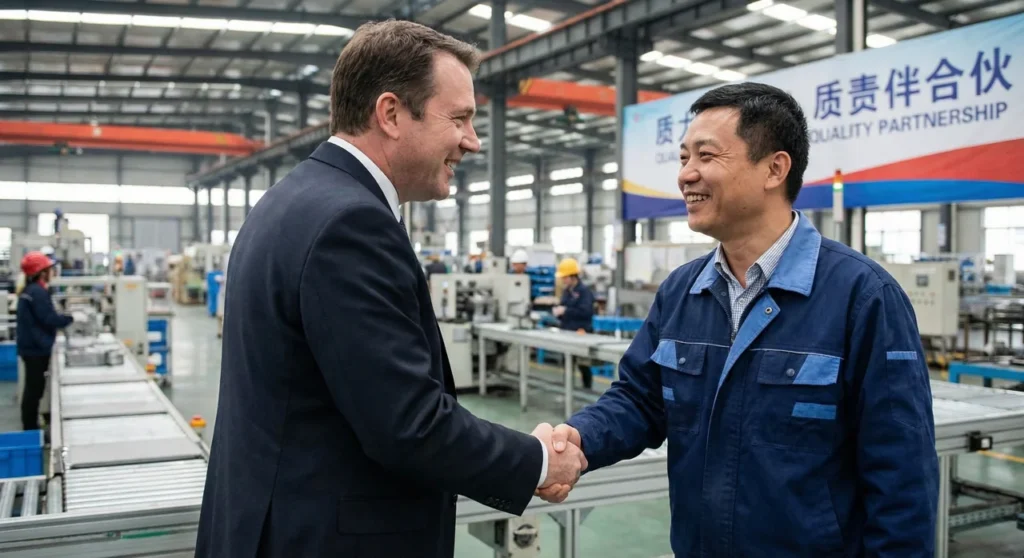
Immagine: Le collaborazioni di successo a lungo termine rappresentano il risultato finale quando si negozia con i produttori cinesi di abbigliamento utilizzando strategie basate sulle relazioni.
Domande frequenti: risposte alle domande sulla negoziazione con il produttore
Quanto posso realisticamente negoziare sul prezzo?
Quando tu trattare con i produttori cinesi di abbigliamento, le riduzioni di prezzo realistiche dipendono dalla tua capacità di negoziazione:
| Profilo dell'acquirente | Riduzione realistica | Fattori chiave |
|---|---|---|
| Acquirente alla prima esperienza | 0–5% | Limitato: prima di tutto, instaura un rapporto |
| Affidabile (3 o più ordini) | 5–10% | Esperienza e fiducia |
| Volumi elevati (oltre 1.000 unità) | 10–15% | Efficienza volumetrica |
| Volume molto elevato (oltre 5.000) | 15-25% | Utilizzo significativo della capacità produttiva |
| Impegno a lungo termine | 10–20% | Prevedibilità e fedeltà |
Sulla base delle nostre osservazioni dirette condotte nel corso di centinaia di trattative.
Devo negoziare ogni preventivo?
Negoziare sempre: Preventivi iniziali da nuovi stabilimenti, ordini di grandi dimensioni ($10.000+), ordini ripetuti, preventivi notevolmente superiori ai prezzi di mercato.
Accettare o negoziare con moderazione: Piccoli ordini di prova (meno di 500 unità), ordini urgenti, prodotti altamente complessi, preventivi già molto competitivi.
Posso negoziare i quantitativi minimi d'ordine (MOQ)?
Sì. Ecco le strategie più efficaci per negoziare il MOQ con i produttori cinesi di abbigliamento:
| Strategia | Esempio | Tasso di successo |
|---|---|---|
| Prezzo unitario più elevato | 500 unità a 6,00 | Alto |
| Impegno a lungo termine in termini di volumi | “300 adesso, 2.000 in 12 mesi” | Alto |
| Programma fuori stagione | Consegna a gennaio (periodo di calma) | Medio-alto |
| Semplifica il prodotto | 2 varianti di colore invece di 5 | Medio |
| Accorpamento di ordini misti | 500 in totale, suddivisi in 3 modelli | Medio |
Avvertenza importante: Alcuni vincoli relativi al quantitativo minimo d'ordine (MOQ) non sono negoziabili perché derivano da fattori a monte: le tessiture hanno infatti i propri quantitativi minimi. Un buon partner industriale illustrerà questi vincoli in modo trasparente.
Cosa devo fare se un'azienda non è disposta a negoziare?
Opzione 1: Accetta le loro condizioni se il prezzo è equo e la qualità è eccellente.
Opzione 2: Modifica la tua richiesta: prova con 5% invece di 15%, oppure offri qualcosa in cambio.
Opzione 3: Cerca fornitori alternativi e richiedi preventivi comparativi.
Opzione 4: Allontanati per un po’, lascia la porta aperta e torna più tardi.
Come faccio a sapere se il prezzo che mi viene offerto è equo?
- Citazioni multiple: Richiedi preventivi a 3–5 fabbriche per lo stesso prodotto
- Ripartizione dei costi: Chiedere alla fabbrica di specificare i costi in dettaglio (materiali, manodopera, spese generali, margine)
- Parametri di riferimento del settore: Entra a far parte di associazioni di categoria, rivolgiti a professionisti
- Test del prezzo al dettaglio: Calcola il costo al netto delle spese di importazione + il tuo margine e confrontalo con il mercato
È meglio negoziare di persona o a distanza?
Entrambi gli approcci funzionano quando si negozia con i produttori di abbigliamento cinesi, ma le visite di persona accelerano notevolmente la creazione di guanxi. Se è possibile recarsi a Guangzhou, programmate incontri presso gli stabilimenti: dimostrano serietà e consentono di instaurare un legame personale più rapidamente di qualsiasi videochiamata. Tuttavia, molte collaborazioni di successo sono state instaurate interamente tramite videochiamate, WeChat ed e-mail.
Con quale frequenza dovrei rinegoziare le condizioni?
Rinegoziare ogni anno o quando si verificano cambiamenti significativi: aumento del volume di 25%+, mutamento delle condizioni di mercato o scadenza del rinnovo dell'accordo. Evitare di rinegoziare con troppa frequenza, poiché ciò denota instabilità e mina la fiducia.
Conclusione
Imparare a trattare con i produttori cinesi di abbigliamento È di fatto una delle competenze più preziose per qualsiasi titolare di un marchio di abbigliamento. Sulla base dei nostri oltre 15 anni di esperienza diretta nella gestione di partnership produttive da Guangzhou, la differenza tra una negoziazione mediocre e una eccellente può tradursi in una riduzione dei costi compresa tra 15 e 25%, condizioni di pagamento più vantaggiose, priorità nella programmazione della produzione e partnership a lungo termine più solide.
I principi fondamentali da tenere a mente:
- In primo luogo, instaura dei rapporti: Prima di parlare di soldi, dedica del tempo a coltivare i guanxi
- Pensa a lungo termine: Gli impegni annuali superano gli ordini una tantum
- Sii preciso: Standard di qualità chiari prevengono le controversie
- Negoziare in modo olistico: Il prezzo è solo una delle tante variabili
- Sappi quando è il momento di smettere: Non tutte le fabbriche sono adatte
- Sii onesto e realistico: Promettere poco e dare di più
I marchi che riescono a negoziare con maggiore successo con i produttori di abbigliamento cinesi non sono quelli che fin dal primo giorno cercano di ottenere le condizioni più vantaggiose. Sono invece quelli che investono nelle relazioni, comunicano in modo chiaro, onorano i propri impegni e ragionano in termini di anni piuttosto che di singoli ordini.
Il tuo piano d'azione per la negoziazione:
- Esamina le sette strategie illustrate in questa guida
- Individua quali strategie si applicano alla tua situazione attuale
- Utilizza i modelli di e-mail per affrontare le trattative in modo professionale
- Tieni traccia dei tuoi risultati e adatta la tua strategia in base agli esiti ottenuti
- Crea una guida pratica con le strategie che funzionano per la tua attività specifica
Hai bisogno di aiuto per le trattative con i fornitori? Contatto Algo Bert Fashion per assistenza professionale nell'approvvigionamento, consigli sugli stabilimenti o supporto nelle trattative. Il nostro team con sede a Guangzhou ha gestito migliaia di accordi di produzione e può aiutarvi a negoziare con i produttori cinesi di abbigliamento per ottenere le migliori condizioni possibili.
Fonti e riferimenti
- ISO 2859-1:1999 — Procedure di campionamento per il controllo per attributi. iso.org
- Metodi di prova AATCC — Associazione americana dei chimici e dei coloristi tessili. aatcc.org
- ICC Incoterms® 2020 — Camera di Commercio Internazionale. iccwbo.org
- Codice di condotta BSCI — amfori. amfori.org
- Casi di studio e analisi comparative tratti dagli archivi proprietari di Algo Bert Fashion, che coprono un arco temporale di oltre 15 anni e migliaia di partnership B2B gestite da Guangzhou, in Cina.
Tutti i dati relativi ai prezzi e gli intervalli percentuali si basano sull’esperienza professionale diretta dell’autore e riflettono le condizioni di mercato tipiche alla data di pubblicazione. I risultati effettivi possono variare. La presente guida ha scopo puramente informativo e non costituisce una consulenza legale o finanziaria.
Risorse correlate:
- Come trovare produttori di abbigliamento affidabili a Guangzhou
- Controllo di qualità nella produzione di abbigliamento
- Guida completa al Tech Pack




 English (UK)
 Español
 Français
 Deutsch
 Português
 Italiano
 Polski
 Nederlands
 Svenska
 Русский
 Türkçe
 한국어
한국어