
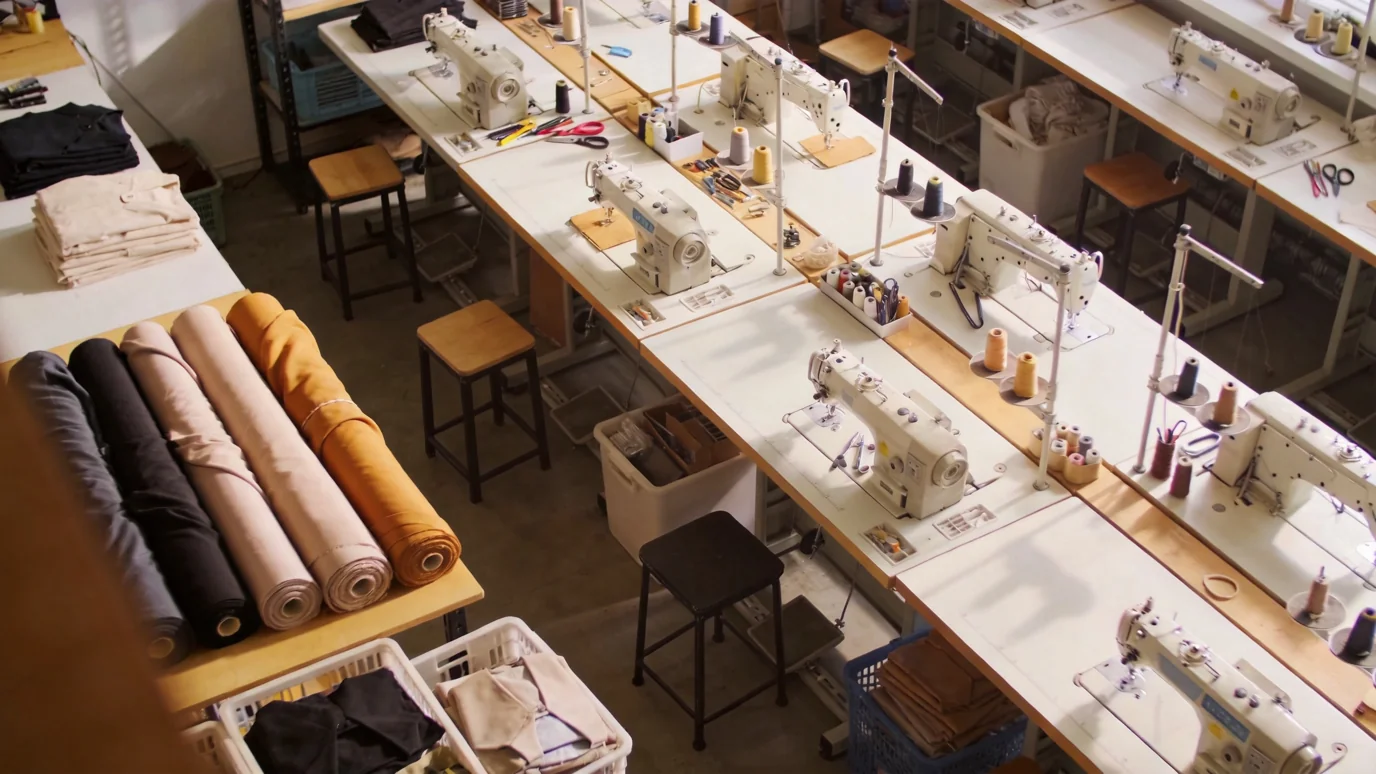
A few years back, I watched a friend sink $10,000 into her first clothing run – 2,000 pieces, three styles, six colorways. Eighteen months later, half of it sat in her parents’ garage, the tags still on. She’d done everything “right” by traditional standards, but that inventory anchor nearly drowned her business before it started.
That story plays out every day in fashion. Traditional models demand huge minimum orders, mountains of cash, and even bigger gambles. Small batch clothing production for startups flips that script. It lets you test ideas, perfect your product, and grow on your own terms – without betting the farm on a single season.
Table des matières
Introduction to Small Batch Clothing Production for Startups
Here is the simple version. Small batch clothing production means making clothes in small quantities, usually 10 to 500 units per style and color. It’s the opposite of fast fashion’s massive, wasteful approach. This method is key for modern startups managing risk.
The biggest win is flexibility. Instead of betting thousands on thousands of untested items, you can check if customers want what you’re making, get their feedback, and tweak your designs with a small upfront cost. The Ellen MacArthur Foundation reports that $500 billion in value is lost yearly from clothes being underused or not recycled. Small batch production fights this by making only what people actually buy.
Other perks include less financial risk, better control over quality, and the freedom to change quickly with trends. But it’s not all easy. You’ll face higher costs per piece than bulk factories and need to find makers who work with small orders. We’ll tackle those challenges here.
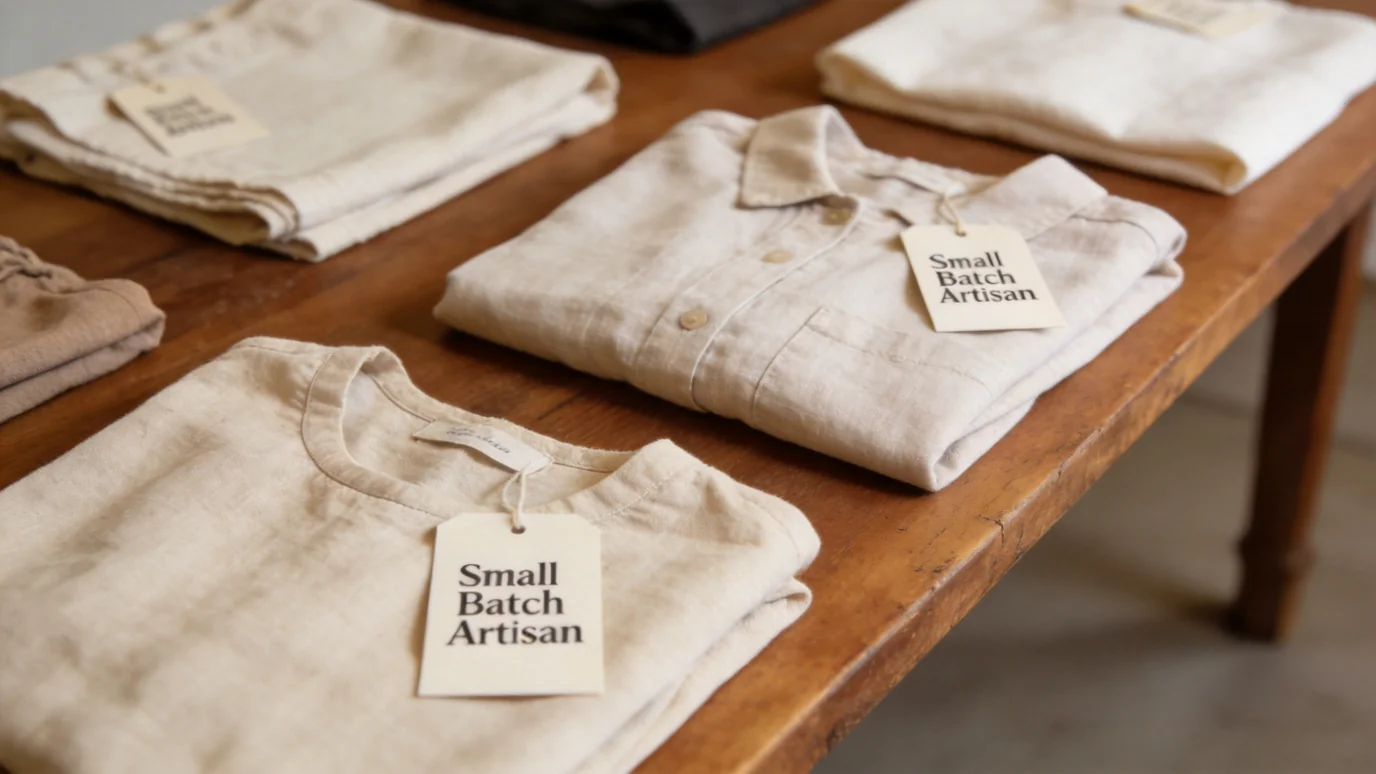
Defining Your Startup’s Production Needs
First, you need to know exactly what you’re making. This step saves you from expensive mistakes later.
Target Market Analysis and Product Range Planning: Start small and focused. Use the “80/20 rule”: put most of your energy into the few products that will likely sell best. Tools like Google Trends and checking out competitors help you find your spot. Are you making sustainable basics, technical gear, or party dresses? Your niche decides your materials, how complex production is, and the right factory for you.
Calculating Initial Production Volumes: Your first run is for learning, not getting rich. A good start for many brands is 50-100 units per SKU (each unique style, size, and color). This is enough for website photos, first pre-orders, supplying small shops, and seeing how real customers react without overdoing it. Try a pre-order model or a “soft launch” to your email list to confirm people want it before you make everything.
Setting Clear Production Goals and Timelines: Set specific targets. For example: “Finish 200 units of Style A by Q3, sell 70% within 8 weeks of launch, and use that money to make the next batch of 300 units.” This creates a disciplined, cash-positive cycle.

Finding the Right Small Batch Manufacturer
Your manufacturer is one of your most important partners. Finding the right one takes careful work.
Key Selection Criteria:
- MOQ (Minimum Order Quantity): Look for manufacturers whose minimums match your plans. Many small batch specialists accept orders as low as 25-50 units.
- Quality & Expertise: Ask for samples of their previous work. Check the stitching, how the fabric feels, and the construction. Make sure they have experience with your type of clothing (like knits vs. wovens, or stiff vs. flowy).
- Location: Makers in your home country (like the USA or EU) often mean easier talks, faster shipping, and clearer ethics, though they cost more. Overseas options (like Portugal or Vietnam) can be cheaper but require extra vetting for communication and shipping.
- Ethics and Sustainability: Your supply chain is part of your brand story. Ask about their labor conditions, factory environment, and any green certifications. Request a factory audit or think about using a third-party inspector.
Platforms and Directories for Discovery: Start your search on specialized sites like Maker’s Row (USA-focused), Sourcify, or Thomasnet. Going to industry trade shows, online or in person, is also great for meeting makers and checking quality.
Evaluating Capabilities: Don’t just read their website. Ask direct questions: How long does it take from deposit to shipment? Can they help create a tech pack? Do they handle everything (materials, cutting, sewing, finishing) or just the sewing part? A good partner will be open and clear.
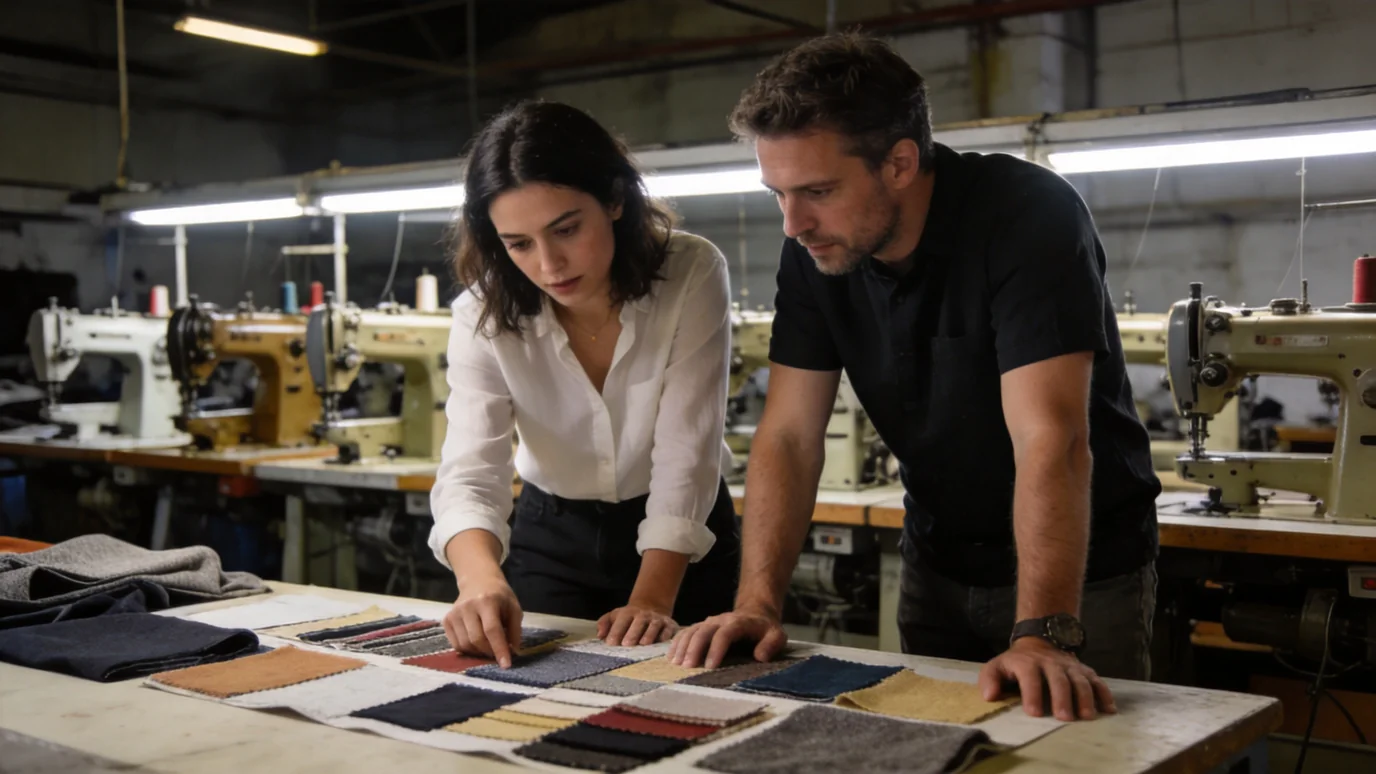
Cost Analysis and Financial Planning
This section alone could save you from a nasty surprise. Let me walk through what small batch production actually costs.
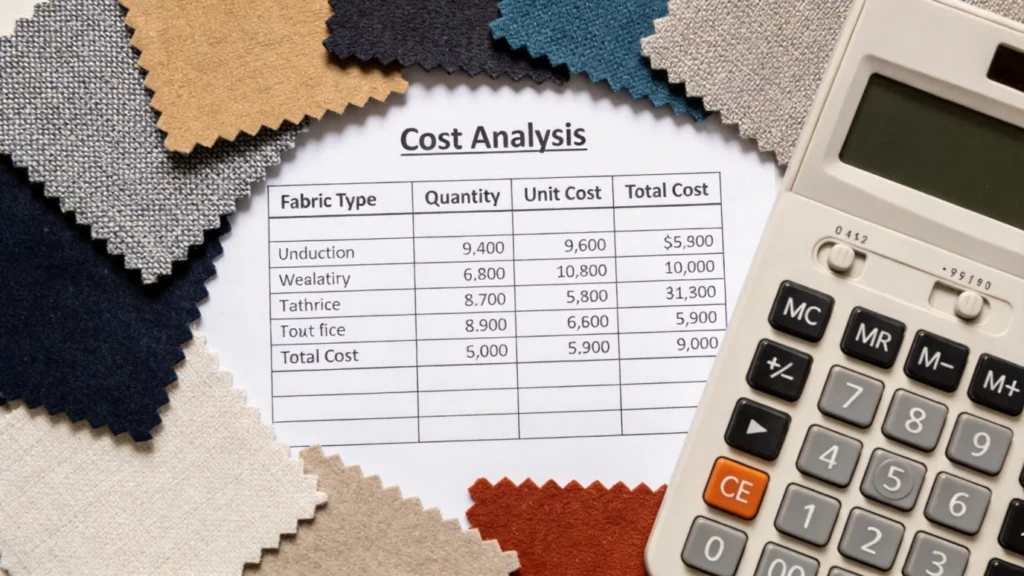
Detailed Cost Breakdown: Your final cost per item is a mix of several parts:
- Matériaux : Fabric, thread, zippers, buttons, labels, packaging. Fabric is often the biggest cost, from $5 to $30+ per yard based on quality and eco-friendliness.
- Travail : Pay for pattern making, sizing, cutting, sewing, and finishing.
- Frais généraux : Fees for samples, digital patterns, shipping (for materials and finished goods), and the factory’s profit.
- Hidden Costs: Don’t forget import duties, taxes, insurance, and payment fees.
Budgeting for Limited Capital: A common rule is to use 30-50% of your starting funds for your first production run. This leaves money for marketing, photos, and your website. Negotiate payment terms (like 50% upfront, 50% on shipment) and start with styles that use cheaper or easy-to-find fabrics.
ROI and Break-Even Analysis: Figure out your break-even point carefully. Exemple : If your total cost per item (COGS) is $20 and you sell it for $50, your gross margin is $30. Your break-even point is when you’ve sold enough units to cover all your fixed startup costs (like your website, branding, and initial samples). This math will guide your pricing and sales goals.
Sustainable Small Batch Clothing Production for Startups
Being eco-friendly is a real advantage, especially for startups building an authentic brand.
Eco-Friendly Materials and Processes: Think about using certified organic cotton, TENCEL™ Lyocell, recycled polyester, or deadstock fabric (leftovers from bigger brands). These materials often have a good story that customers like. Ask makers about their water use, dyeing methods (like low-impact dyes), and how they reduce waste.
Certifications and Consumer Demand: Certifications like GOTS (Global Organic Textile Standard), OEKO-TEX Standard 100, and Fair Trade prove your ethical claims, building trust with buyers. A 2021 IBM study found that about 60% of consumers will change how they shop to help the environment.
Cost-Benefit Analysis: Green materials can cost more upfront, but they often let you charge more and build stronger customer loyalty. The key is being transparent. Clearly explain why you made these choices to show the value and connect with your audience.
Leveraging Technology for Efficiency
Digital tools level the playing field, letting small teams work with big-company precision.
Software for Management: Use cloud-based tools from the start.
- Inventory/Production Management: Tools like Craftybase or TradeGecko (now QuickBooks Commerce) help track materials and finished products.
- Order Management: Platforms like Stitch Labs or Cin7 connect your online store, wholesale orders, and inventory in real-time, preventing you from selling out.
Digital Prototyping: Software like CLO 3D or Browzwear lets you create realistic 3D samples, saving huge time and money on physical prototypes. This is great for tweaking fits and seeing color options before making anything.
E-commerce Integration: Your making process should link smoothly with your sales channel. Use platforms like Shopify or WooCommerce with strong APIs, so when a customer orders, you can fulfill it efficiently from your stock. This creates a smooth operational loop.
Case Studies: Successful Startups Using Small Batch
Theory is great, but real examples hit different. Here are two brands that built their businesses on small batch thinking from day one.
How Cuts Clothing Nailed the Pre-Sale Model: Before they hit their stride, Cuts Clothing started with a single style – custom, no-iron shirts in limited drops. They built demand through email waitlists and only produced what was pre-ordered. That approach let them validate sizing, fabric preferences, and pricing before scaling to their current lineup of over 20 styles. Their early playbook: use scarcity intelligently, collect data from every order, and never guess what customers want.
Outerknown’s One-Style-At-A-Time Approach: Kelly Slater’s Outerknown brand didn’t launch with a full catalog. They started with a few core pieces in small batches, using early customer feedback to refine fits and fabrics before expanding. Their blanket production approach – making just enough to test the market – let them build what became a multi-million-dollar sustainable brand without drowning in deadstock. The lesson is simple: prove one product works before betting on the next.
Scaling Up: From Small Batch to Growth
At some point, you will face a good problem to have – people actually want more than you can make. Here is how to know when and how to scale without breaking what worked. Knowing when and how to scale is crucial.
Indicators for Scaling: You’re ready to increase volume when you see:
- Consistent Sell-Through: You regularly sell out of runs in a predictable time.
- Strong Customer Demand: You get asks for more sizes, colors, or styles.
- Profitability: Your profit per item is healthy and can handle slightly lower margins at higher volumes.
- Operational Stability: Your order fulfillment and inventory processes are running smoothly.
The Transition: Scaling doesn’t always mean moving to a giant factory. It could mean getting better terms with your current small batch partner, adding a second manufacturer for extra work, or eventually making some core items in-house. A hybrid model-using small batch for new items and a bigger partner for proven bestsellers-is common and works well.
Managing Complexity: As you grow, invest in more advanced inventory software and think about hiring a dedicated production coordinator or supply chain manager. Write down every process carefully to keep quality consistent.
Common Pitfalls and How to Avoid Them
Let me save you some heartache. (And for a deeper dive, check our guide de contrôle qualité.) Here are the three traps I see new founders walk into most often.
1. Overproduction: The biggest trap. Avoid it by focusing on made-to-order, pre-orders, and cautious first runs. It’s always better to sell out and restock than to be stuck with unsold clothes.
2. Quality Control Issues: Prevent this by approving a sealed production sample before the full run starts. Build clear quality rules into your contract and keep talking openly with your factory.
3. Supply Chain Disruptions: Get key materials from more than one supplier. Build extra time into your production schedule. Keep a safety stock of your top-selling item to avoid running out. For more on resilience, check out McKinsey’s analysis on building resilient supply chains.
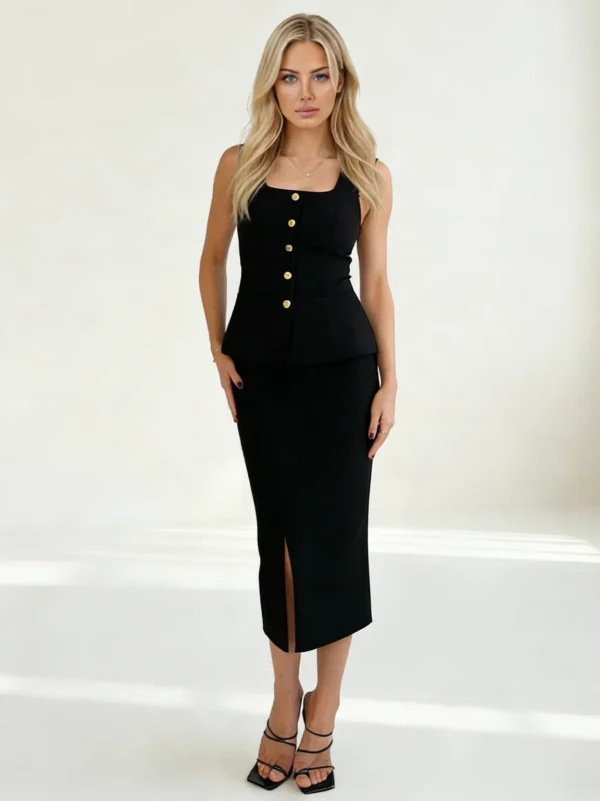
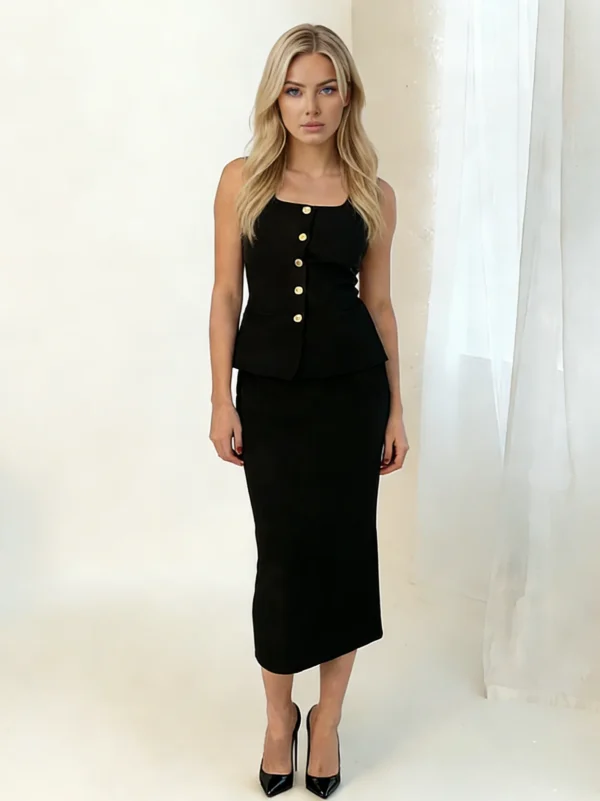
Looking for pieces that fit a small batch mindset? Here are two styles we manufacture that work perfectly for startup-sized orders:


Conclusion and Actionable Steps
Small batch production is not just a tactic. It is a philosophy that lets you build lean, adapt fast, and stay customer-focused from day one. It lets you minimize financial risk, keep tight control over your product, and build sustainability into your operations from day one.
Your immediate next steps are clear:
- Validate Your Idea: Run a pre-order campaign or create a detailed landing page to check interest.
- Create Your Tech Pack: Write down every design detail for potential manufacturers.
- Research 3-5 Potential Manufacturers: Use the criteria above, start reaching out, and ask for quotes and sample info.
- Model Your Finances: Build a detailed spreadsheet calculating your true cost per item and break-even point.
The path from idea to customer has plenty of twists, but you do not have to navigate them blind. If you are ready to turn your vision into something real, talk to our team about small batch production that fits your budget.
Questions fréquemment posées
What is small batch clothing production for startups?
Small batch clothing production is a manufacturing approach where you make clothes in limited quantities, typically between 10 to 500 units per style and color. Instead of committing to massive, risky orders, you produce just enough to test the market, gather real customer feedback, and perfect your product. This method is ideal for fashion startups as it minimizes financial risk, allows for quick pivots based on trends or data, and helps avoid the costly problem of unsold inventory that plagues traditional models. It’s about starting lean and growing sustainably.
How do I calculate the right production volume for my first order?
Your initial run should be treated as a learning exercise, not a profit center. A solid starting point for many new brands is to produce 50-100 units per unique style, size, and color (SKU). This volume provides enough product for professional photography, fulfilling early pre-orders, supplying a few retail partners, and-most importantly-seeing how genuine customers react to your designs. To confirm demand before committing, consider a pre-order model or a “soft launch” to your email list. This data-driven approach lets you invest confidently in the next, larger batch.
How much does small batch production cost compared to bulk manufacturing?
The cost per item in small batch production is higher than in large-scale manufacturing due to the lack of economies of scale. However, the total upfront investment and overall risk are dramatically lower. Your total cost per piece will include materials (fabric, trims), labor, overheads (like sampling and shipping), and the factory’s margin. While you pay more per unit, you avoid tying up thousands of dollars in untested inventory. Focus on calculating a detailed cost per item and understanding your break-even point to ensure your pricing strategy supports a healthy margin from day one.
Why should a new fashion brand choose small batch over traditional large orders?
Choosing small batch production is a strategic decision to prioritize agility and financial safety. It allows you to validate your designs and business model with minimal capital at stake. You can respond quickly to customer feedback, changing trends, or new ideas without being locked into producing a season’s worth of inventory you can’t sell. This approach builds a stronger, more sustainable brand foundation by focusing on product-market fit from the very start. It shifts the goal from guessing what might sell to learning what definitely does sell, creating a disciplined, cash-positive growth cycle.
What are the main benefits of using sustainable materials in small batch runs?
Using sustainable materials like organic cotton or recycled fabrics offers significant advantages beyond environmental responsibility. These materials can become a core part of your brand story, helping you connect with a growing segment of conscious consumers. They often allow you to command a premium price, improving your profit margins. Additionally, starting with sustainable practices from day one builds authentic brand equity and customer loyalty. Transparency about your material choices demonstrates integrity, turning your production process into a powerful marketing tool that resonates deeply with your target audience.
How can I find and vet a manufacturer for a small clothing order?
Begin your search on specialized platforms like Maker’s Row or Sourcify, which connect brands with factories experienced in low-volume orders. Key criteria include a Minimum Order Quantity (MOQ) that matches your planned run (some accept 25-50 units) and demonstrated expertise in your garment type. Always request samples of their past work to inspect quality firsthand. Ask pointed questions about their process, timelines, and whether they handle everything from materials to finishing. If possible, consider manufacturers in your country for easier communication, but also explore vetted overseas options. Building a transparent, communicative relationship with your chosen partner is essential.
When is the right time to scale up from small batch production?
You are ready to scale when you see consistent, repeatable signals of success. Key indicators include regularly selling out of your production runs, receiving frequent customer requests for more sizes or styles, and maintaining healthy profitability on each item. Your operational processes-from order fulfillment to inventory management-should also be running smoothly. Scaling doesn’t necessarily mean jumping to a giant factory; it could involve negotiating better terms with your current partner, adding a second manufacturer, or using a hybrid model where proven bestsellers are made in slightly larger quantities while new designs remain in small batches for testing.
What are the biggest pitfalls in small batch production and how can I avoid them?
The most common pitfalls are overproduction, quality control issues, and supply chain disruptions. To avoid overproduction, embrace a made-to-order or pre-order model for initial runs and only restock based on solid sales data. Prevent quality problems by approving a sealed “golden sample” before full production begins and including clear quality standards in your contract. Mitigate supply chain risks by diversifying your material suppliers, building buffer time into your production schedule, and keeping a small safety stock of your top-selling item. Proactive communication and detailed planning are your best defenses against these challenges.
Looking for China manufacturing support? Algo Bert Fashion specializes in helping international brands navigate Chinese garment factories, from sample development to quality control. If you are ready to explore small batch production in Guangzhou, recevoir un devis gratuit


 English (UK)
 Español
 Français
 Deutsch
 Português
 Italiano
 Polski
 Nederlands
 Svenska
 Русский
 Türkçe
 한국어
한국어