
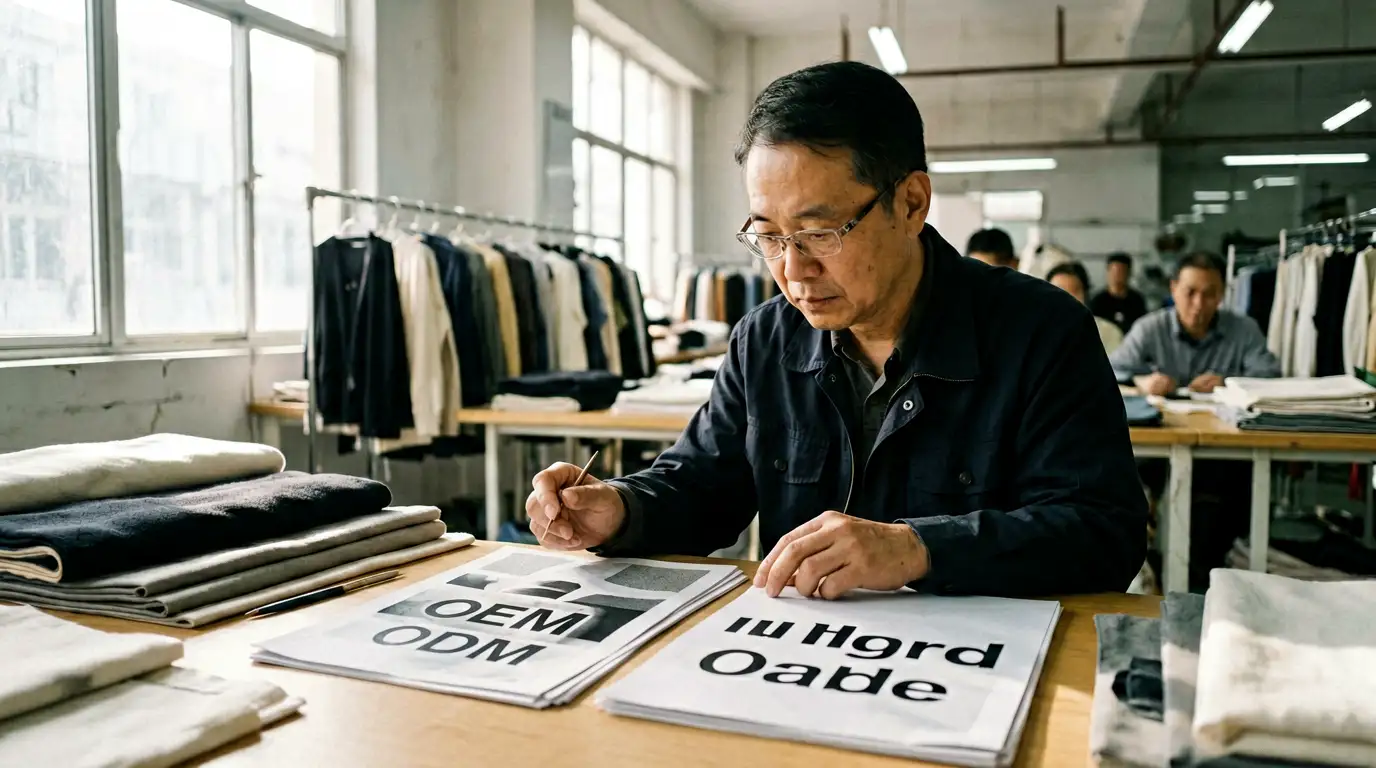
Picking between OEM and ODM clothing manufacturing is a huge decision for any fashion brand founder or startup. It shapes everything: your brand’s identity, costs, speed to market, and how you stack up against competitors. Yet, so many entrepreneurs walk into this choice without the full picture, relying on generic definitions that miss the real-world nuances of their situation.
This guide cuts through the noise. It gives you a clear, practical framework for deciding. Whether you’re a scrappy startup launching your first line or an established online brand expanding into new categories, knowing how to pick the right OEM clothing manufacturer or ODM partner is vital. It protects your margins and your brand’s value.
Índice
What is OEM in Apparel?
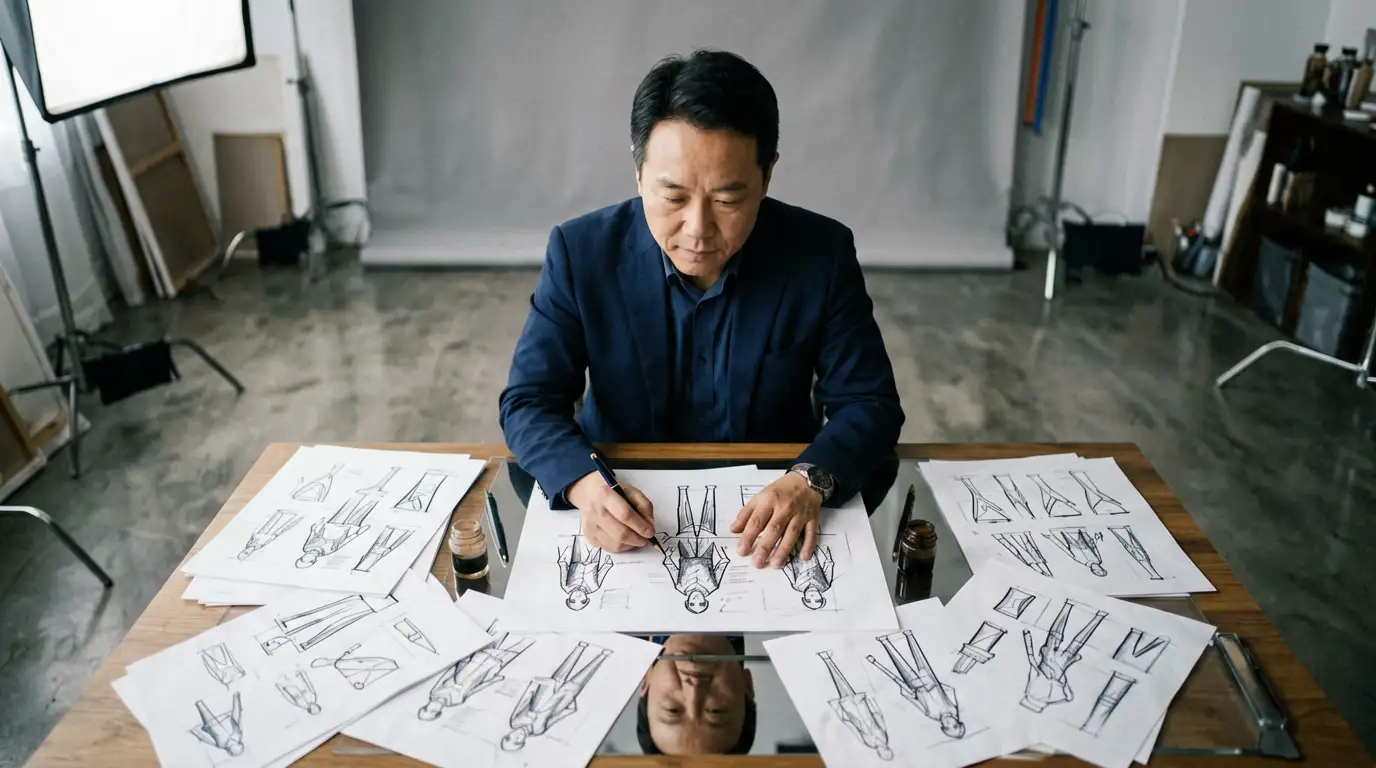
OEM stands for Original Equipment Manufacturer. In clothing, it means the brand provides everything: the complete designs, specs, technical packs, and often materials. The factory’s job? Just make it. They execute your vision on the production floor. You own the design, the intellectual property, and every detail from the fabric to the final stitch.
A 2023 Grand View Research report puts this in perspective. The global custom clothing market, heavily served by OEM models, was worth $6.3 billion. It’s expected to grow at 9.8% annually through 2030. This growth comes from brand owners demanding full creative control.
For startups, OEM means you need a complete technical pack before you even talk to a manufacturer. That requires design software skills, pattern-making know-how, or the budget to hire someone who has it.
What is ODM in Apparel?
ODM is Original Design Manufacturer. Here, the manufacturer designs and makes ready-made products. Brand owners can buy these, slap their own label on them, and sell them. The factory owns the original designs. They usually offer a catalog of styles you can pick from, tweak a little, and rebrand.
This model is everywhere with fast fashion, Amazon private-label sellers, and new brands trying to keep upfront design costs low. The Textile Apparel Bureau of India notes ODM manufacturing demand jumped 15% annually since 2021. Mostly, that’s from online-first brands needing to move inventory fast.
OEM vs ODM: 5 Critical Differences Every Brand Should Know
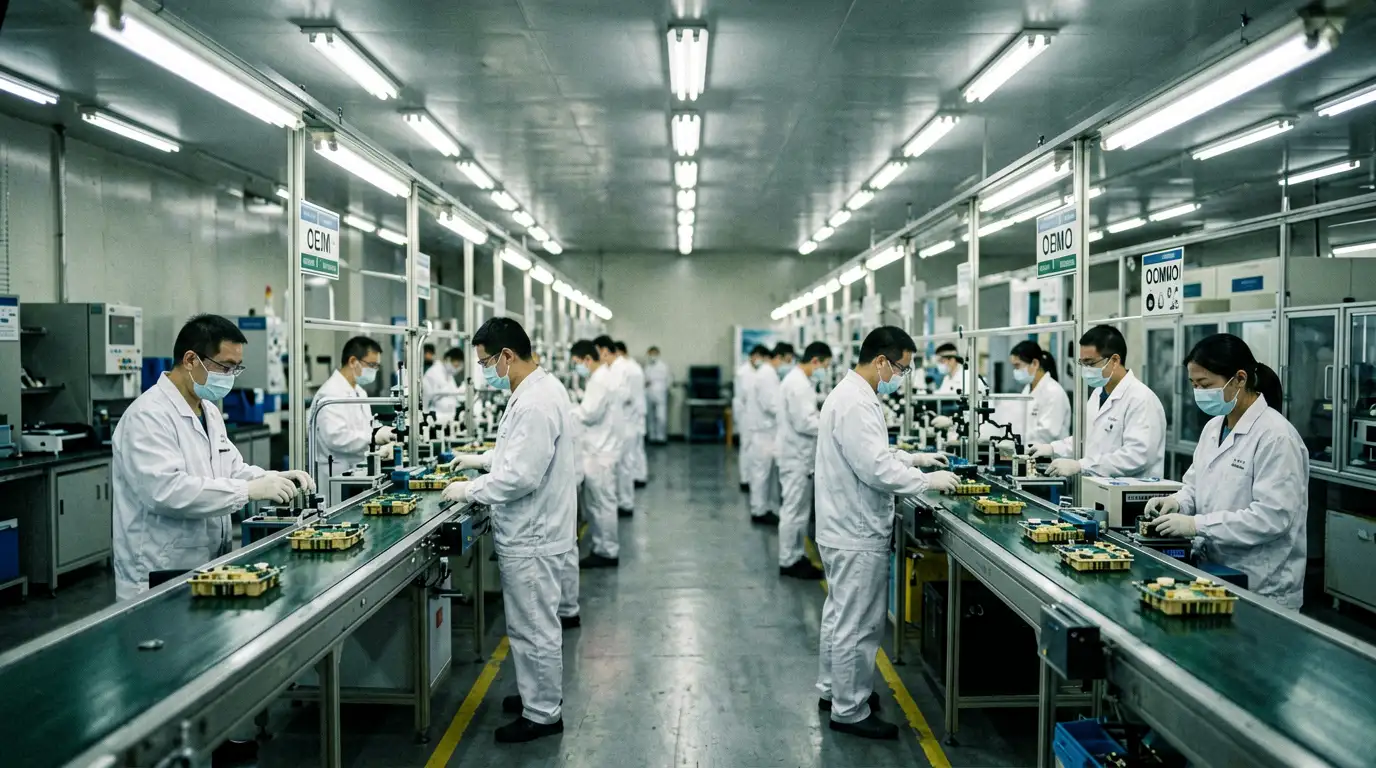
Knowing the basic definitions isn’t enough. These five points are where the real decision happens. They determine which model truly fits your brand.
| Factor | OEM | ODM |
|---|---|---|
| Design Control | 100% brand-controlled | Factory-designed, brand-selected |
| Upfront Investment | Higher (design, sampling, tech packs) | Lower (select from existing designs) |
| Average Lead Time | 8-16 weeks | 3-8 weeks |
| IP Ownership | Fully retained by brand | Factory retains core design IP |
| Escalabilidad | Requires established processes | Easier initial scaling |
Design Control and Ownership
With OEM, every design choice is yours. This control lets you make truly unique products competitors can’t copy. A proper custom tech pack development process is key to nailing your specs.
With ODM, you’re picking from designs the factory already made. Many factories allow small tweaks – changing colors, adding logos, swapping fabrics. But the core shape and construction? That’s still the factory’s intellectual property.
Cost Structures and Investment
A 2022 McKinsey fashion report found brands using OEM models spend 30-40% more on pre-production costs than ODM buyers. But OEM brands often end up with better margins long-term. Why? They avoid per-unit licensing fees and build their own product lines.
ODM lowers your initial spend, but watch for hidden costs. Many ODM factories charge a rebranding fee or insist on higher minimum orders to switch labels. A detailed cost breakdown helps you model both scenarios accurately.
Lead Times and Production Flexibility
Speed matters in fashion. ODM manufacturers can ship goods in as little as three weeks. Designs, patterns, and materials are already in their system. For brands chasing fast-moving trends, this speed is a big deal.
OEM production typically takes 8-16 weeks from tech pack approval to finished goods. That timeline covers pattern making, sample rounds, fabric sourcing, and production. Established brands with predictable seasons can handle this. Startups chasing quick trends might find it tough.
Intellectual Property and Risks
This is where the OEM vs ODM choice has real long-term consequences. With OEM, you keep full IP rights over your designs. With ODM, the factory owns the base design. They might legally sell similar or identical styles to other brands. A 2023 World Intellectual Property Organization report listed apparel as a top-three industry for design IP disputes in Asia.
If your brand’s value hinges on unique, ownable designs, ODM carries real risk. Competitors could buy the same base styles from the same factory and undercut you.
Scalability and Growth Potential
Both models support growth, but differently. ODM lets you scale fast. The factory has already optimized production for its own designs. You can add 50 new products without creating a single new technical pack.
OEM scalability depends on your internal design and production skills. But brands that build OEM capabilities early often create stronger, harder-to-copy advantages down the line.
Pros and Cons of OEM and ODM for Fashion Startups

Advantages of OEM for Brand Control
For founders building a brand with lasting value, OEM offers unmatched creative freedom. You control everything the customer touches – from fabric feel to seam quality. This control is critical for brands positioning as premium or luxury, where quality and uniqueness justify higher prices.
Benefits of ODM for Speed and Cost
ODM makes it much easier to start. A fashion startup with $5,000-$10,000 can launch a viable line using ODM. A comparable OEM launch often needs $15,000-$30,000 minimum. For bootstrapped founders testing if a market exists, this cost difference can be make-or-break.
Drawbacks of OEM: Higher Time and Resource Commitment
OEM costs more than just money. Founders invest serious time learning production management, building tech packs, managing samples, and checking quality. A full-service manufacturing partner can help, but the learning curve is steep for first-timers.
Risks of ODM: Limited Differentiation
When you buy ODM products, anyone else can too. This creates a built-in differentiation problem. If your ODM supplier sells identical styles to ten other brands in your market, your products aren’t unique. In crowded categories like basic tees or leggings, this hurts brand loyalty badly.
Balancing Factors Based on Business Stage
Your best model depends on where you are. Early-stage brands testing product-market fit often benefit from ODM’s speed and low cost. Brands with established customers and a clear design identity should think about switching to OEM for long-term brand building. Many successful brands use both – launching new categories with ODM to test demand, then moving proven sellers to OEM for full customization.
Step-by-Step Guide: How to Choose Between OEM and ODM
Step 1: Assess Your Design Capabilities and Vision
Ask yourself: Do I have a clear, specific design vision I can’t achieve by tweaking catalog items? If yes, OEM is probably necessary. If you’re still figuring out your aesthetic direction, ODM lets you iterate faster without full design development costs.
Step 2: Evaluate Budget, Timeline, and Resources
Map your available money against the true costs of each model. OEM requires budget for pattern-making ($200-$500 per style), sampling ($100-$300 per sample), and multiple iterations. ODM has selection fees ($0-$150 per style) but might demand higher minimum orders. Factor in your personal time – OEM needs much more founder involvement.
Step 3: Consider Long-Term Brand Strategy and IP
If building a defensible brand is your main goal, OEM’s IP advantages are huge. Talk to a manufacturing advisor about protecting your designs before committing to either model.
Step 4: Research and Vet Manufacturers
Whether you go OEM or ODM, vetting manufacturers thoroughly is non-negotiable. Ask for factory audits, production certifications, client references, and physical samples. Groups like the American Apparel and Footwear Association offer vetting resources and ethical manufacturing guidelines.
Step 5: Start with a Pilot Project or Sample Order
Never commit to a full production run with an untested partner. A pilot order of 50-200 units lets you evaluate quality, communication, and reliability before scaling. Both OEM and ODM manufacturers should agree to pilot orders. Any factory that refuses? That’s a red flag.
Real-World Case Studies: Brands That Chose OEM vs ODM
Case Study 1: Luxury Brand Using OEM for Custom Designs
A New York-based direct-to-consumer luxury knitwear brand launched in 2020 using exclusively OEM. The founder spent $45,000 upfront on custom patterns, special yarn sourcing, and five rounds of sampling. The result? A product line with nothing like it on the market. Within 18 months, they hit 72% gross margins and built a loyal customer base returning for each seasonal drop. The founder credits OEM production as the foundation of their brand’s uniqueness.
Case Study 2: Fast Fashion Brand Leveraging ODM for Quick Launch
An Amazon-based women’s activewear seller launched in 2021 using ODM from a Guangdong factory. Total startup cost was $8,000, including 200 units across five styles. They reached $50,000 in monthly revenue within six months. But by month nine, three competitors were selling nearly identical products from the same ODM catalog. The brand had to pivot to OEM production to regain uniqueness – a switch costing an extra $20,000 and four months of development time.
Lessons Learned from Both Approaches
These cases show a clear pattern. ODM is great for low-risk market entry. But OEM becomes essential as brands mature and need differentiation. The smartest approach often starts with ODM to prove demand, then moves proven styles to OEM production for proprietary control.
Expert Insights: What Industry Leaders Say About OEM and ODM
Perspective from a Fashion Manufacturing Consultant
“Most founders seriously underestimate OEM’s complexity,” says a senior consultant at a major fashion advisory firm. “The technical pack alone requires expertise most startup founders don’t have. I always recommend investing in professional tech pack development before approaching any OEM manufacturer. That $500-$1,000 spent upfront saves thousands in sampling mistakes and production defects.”
Advice from a Clothing Factory Owner
A factory owner with facilities in Dongguan and Ho Chi Minh City sees it clearly: “Brands come wanting OEM pricing with ODM flexibility – that’s not how it works. OEM demands patience and precision. ODM requires trusting our design team. Brands that get this distinction have the best experiences.”
Trends in OEM vs ODM from Market Analysts
Look at the numbers. Statista’s 2024 fashion manufacturing report shows ODM currently makes up about 55% of global apparel contracts. But that share is expected to drop to 48% by 2027. More brands are prioritizing IP protection and product uniqueness.
OEM and ODM Apparel Manufacturing in China
Overview of China’s Apparel Manufacturing Landscape
China is still the world’s biggest apparel manufacturer. It produces about 36% of global output, according to the World Trade Organization. The country has the most developed OEM and ODM manufacturing ecosystem anywhere. Key production hubs are in Guangdong, Zhejiang, and Fujian provinces.
Key Considerations for Working with Chinese Factories
Chinese factories vary wildly. Some are highly sophisticated, serving major global brands. Others are small workshops with limited capabilities. The China National Textile and Apparel Council provides industry standards and factory certification info – international buyers should check these during vetting.
Tips for Sourcing OEM or ODM Partners in China
Always verify factory credentials with third-party audit firms. Ask for references specifically from international clients. Visit facilities in person when you can, or hire a sourcing agent with verified factory relationships to inspect for you. Never rely just on samples from the factory – always order blind samples to test true quality.
Cultural and Communication Best Practices
Clear communication wins. It’s the single biggest factor in manufacturing success. Write every specification down. Use pictures alongside words. Set up one point of contact at the factory and stick to consistent communication channels. A weekly check-in during production prevents costly misunderstandings.
Common Mistakes to Avoid When Choosing OEM or ODM
Mistake 1: Ignoring Intellectual Property Rights
Not securing IP protection before sharing designs with an OEM manufacturer is a costly error. Register trademarks and patents in your target markets before production starts. For ODM, remember you have limited IP claims over factory-designed styles.
Mistake 2: Overlooking Communication Barriers
Language and cultural differences can sink production. Invest in clear documentation. When working with Chinese factories, consider bilingual production managers or professional translation services for technical talks.
Mistake 3: Choosing Based Solely on Cost
The cheapest manufacturer is rarely the best value. Low-cost factories often cut corners on materials, labor standards, or quality control. A 2023 Deloitte report found brands prioritizing cost over capability saw 2.3x more defects and 1.8x higher return rates.
Mistake 4: Failing to Plan for Scalability
Pick a partner who can grow with you. A factory handling your first 500-unit order might not be equipped for 50,000 units. Talk about volume growth plans early.
Mistake 5: Not Requesting References or Samples
Always ask for references from brands similar to yours in size and category. Order physical samples before any production run. Sampling costs are tiny compared to a failed production order.
Future Trends in OEM and ODM Apparel Manufacturing
Impact of Sustainability and Ethical Sourcing
Fashion faces growing pressure for sustainable manufacturing. A 2024 Ellen MacArthur Foundation report predicts over 60% of major brands will require full supply chain transparency from OEM and ODM partners by 2030. Brands prioritizing sustainability in manufacturing choice will gain an edge.
Technology Integration: 3D Sampling and AI
3D virtual sampling is cutting OEM development timelines by 40-60%, based on CLO Virtual Fashion data. AI-powered trend analysis tools are also helping ODM factories produce more commercially relevant designs. This narrows the differentiation gap between the models.
Shifts in Global Supply Chains Post-Pandemic
The pandemic pushed brands to diversify away from single-country sourcing. More are building OEM and ODM relationships across Vietnam, Bangladesh, India, Turkey, and China. This reduces risk but adds complexity to managing production.
Preguntas frecuentes
What is the main difference between OEM and ODM in apparel?
The core difference lies in design control. With OEM, you provide the complete design, and the factory just manufactures it. With ODM, the factory designs and produces the clothing, and you select from their existing catalog to rebrand and sell. Choosing between them hinges on whether you prioritize creating unique products or launching quickly with lower upfront investment.
How much more does OEM manufacturing typically cost than ODM?
Expect OEM’s upfront investment to be 20-40% higher. This is due to costs for original designs, detailed tech packs, and multiple sampling rounds. While ODM offers a cheaper starting point (often between $5,000-$10,000), OEM (starting around $15,000-$30,000) can lead to stronger long-term margins by eliminating design licensing fees and building a proprietary product line.
Why should my fashion brand choose OEM over ODM?
Choose OEM if your brand’s identity depends on unique, protectable designs that competitors cannot copy. It offers complete control over quality, materials, and fit, which is essential for premium or luxury positioning. While it requires more time and resources, OEM is an investment in building a defensible brand with valuable intellectual property.
What are the benefits of starting with ODM manufacturing?
ODM provides significant benefits for new or fast-growing brands: much lower upfront costs, incredibly fast speed-to-market (sometimes as little as 3-8 weeks), and easier scalability without developing technical packages. It’s an excellent way to test product-market fit with minimal financial risk before committing to larger, custom design investments.
How do I know if my brand is ready to switch from ODM to OEM?
You’re likely ready when you’ve consistently validated product-market fit and need stronger differentiation to grow. Key indicators include having the budget for higher upfront costs, needing to protect unique designs from competitors, and having a clear brand identity that requires complete creative control over product development and quality.
What is the biggest risk of relying solely on ODM manufacturing?
The primary risk is limited differentiation. Since the factory owns the original designs, they can legally sell the same or very similar styles to your competitors. This can lead to a crowded market with identical products, eroding your brand’s uniqueness and making it difficult to build customer loyalty or command premium prices.
Can I start with ODM and move to OEM later?
Yes, this is a common and smart growth strategy. Many successful brands use ODM to launch quickly and validate demand with lower risk. Once specific products prove successful and you want to add unique features or protect the design, you can transition those proven styles to OEM production to gain exclusivity and control.
What should I ask a manufacturer to verify their OEM capabilities?
Request detailed portfolios of their OEM work for brands similar to yours. Ask for client references you can contact, and demand to see their process for developing from a tech pack. Request proof of their quality control systems and visit the factory in person or through a trusted auditor if possible to assess their true operational capacity.
Productos relacionados
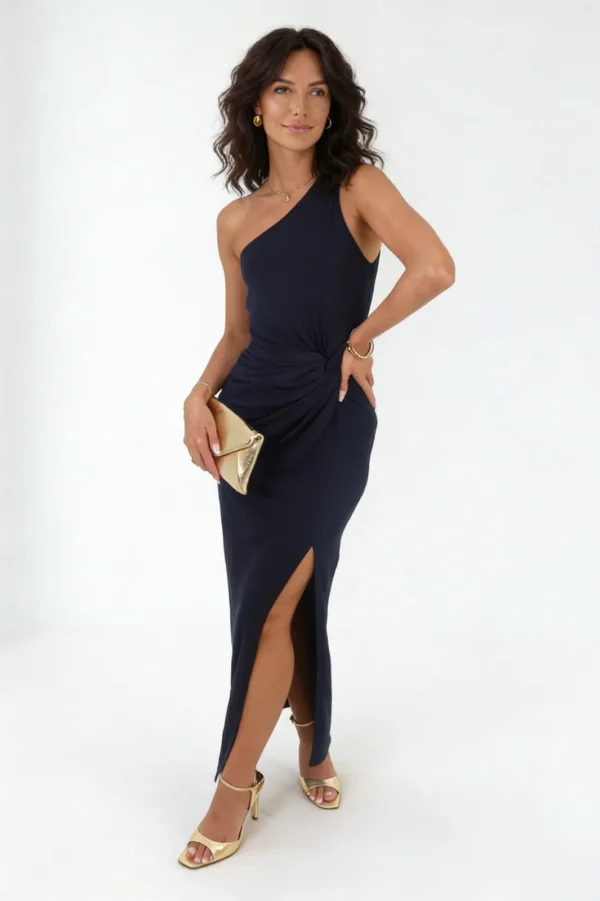
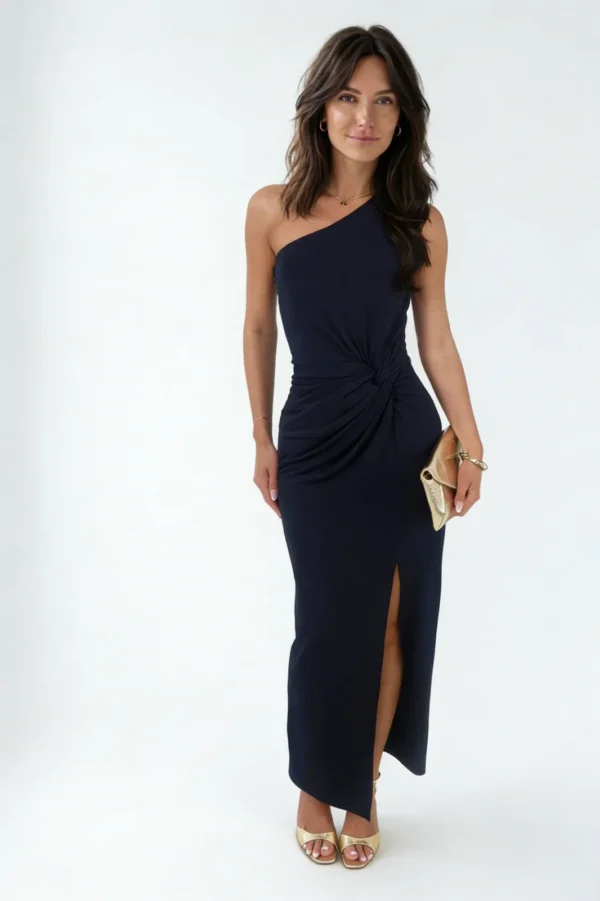
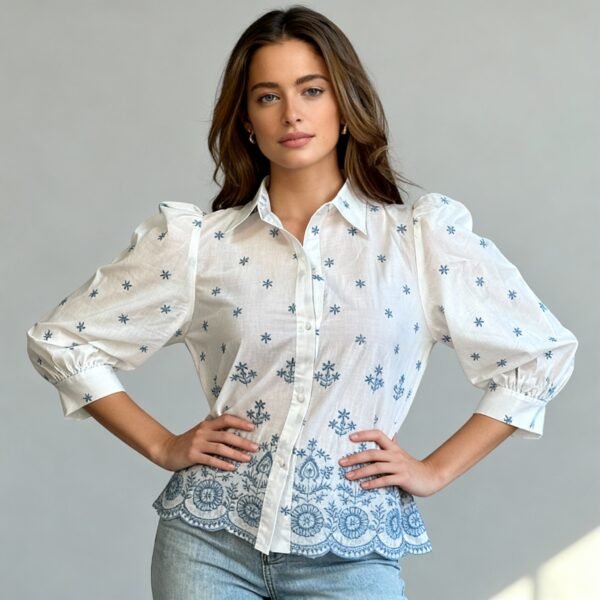
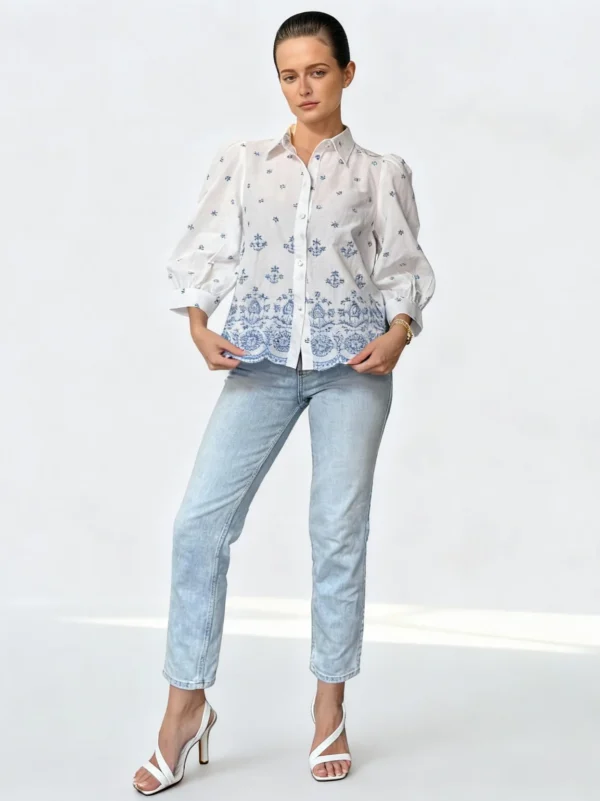
Want to see what’s available for low MOQ production? Check out these options:
Making Your Decision: Next Steps
Choosing between OEM and ODM isn’t a one-time call. It’s a strategic choice that evolves as your brand grows. The most successful fashion brands often use ODM to validate concepts and build initial revenue. Then they transition to OEM production as they scale and differentiation becomes their main competitive edge.
Ready to pick manufacturing partners? Start with the five-step framework in this guide. Honestly assess your design skills, map your budget against true costs, and prioritize manufacturers showing transparency, quality, and alignment with your brand vision.
Ready to find the right manufacturing partner for your brand? Contact our sourcing team for a free consultation and factory matching service. We help fashion startups and growing brands navigate the OEM vs ODM decision with data-driven guidance and verified manufacturer connections across global production hubs.
¿Busca apoyo para la fabricación en China? Algo Bert Fashion se especializa en ayudar a las marcas internacionales a navegar por las fábricas de ropa chinas, desde el desarrollo de muestras hasta el control de calidad. Si está listo para explorar la producción en Guangzhou, book your free consultation
 English (UK)
 Español
 Français
 Deutsch
 Português
 Italiano
 Polski
 Nederlands
 Svenska
 Русский
 Türkçe
 한국어
한국어